
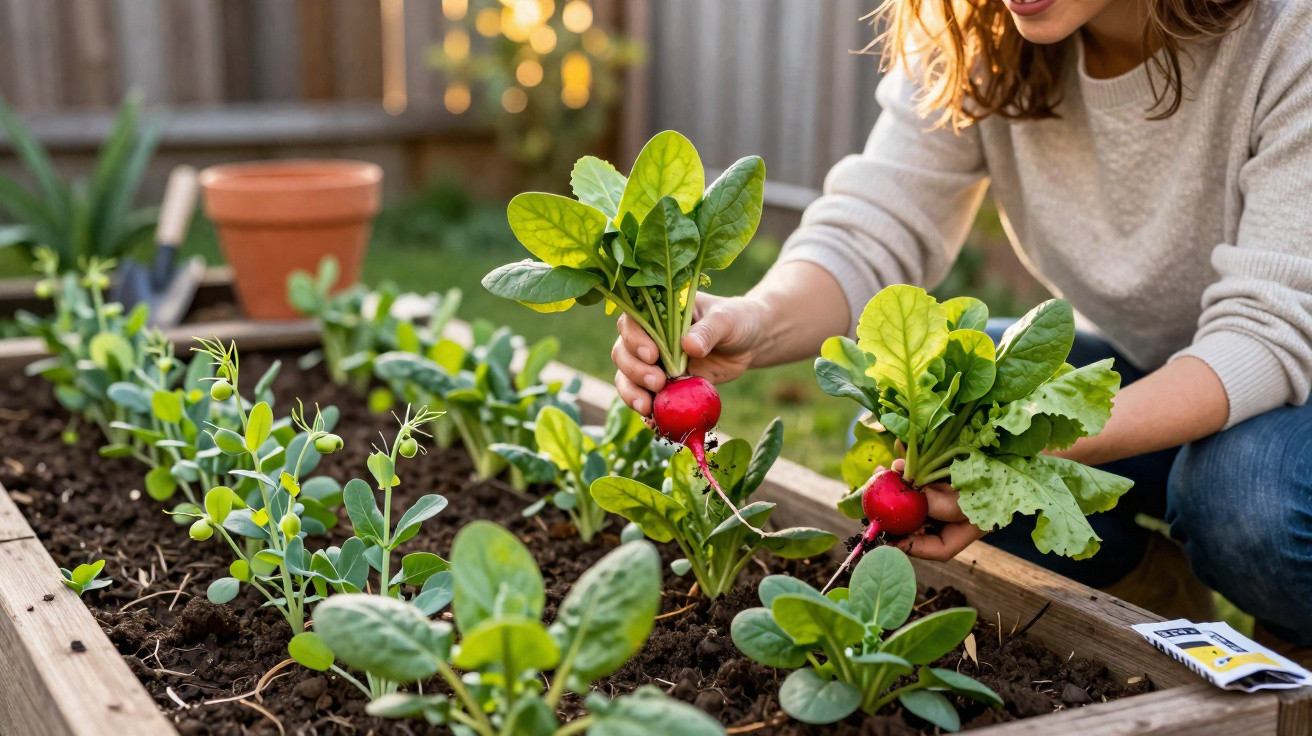
As winter starts to release the garden, it shifts from dormant to full of potential. With a little forethought, several sensible decisions and a handful of rapid crops, you could be harvesting fresh vegetables from your own plot well before summer truly arrives.
Why March matters so much in the garden
Across much of Europe and North America, March marks a turning point. Daylight hours increase, frosts ease, and the ground gradually begins to warm. Plants recognise this seasonal shift much sooner than people tend to.
For gardeners, it is the time to refresh the vegetable patch. Remove old stalks, fallen leaves and any debris left over from winter. This does more than make the area look tidier: it takes away shelter for slugs and insect pests, while letting more air and light reach the soil.
Think of March as the reset button for your vegetable bed: clear, feed, plan, then plant fast growers.
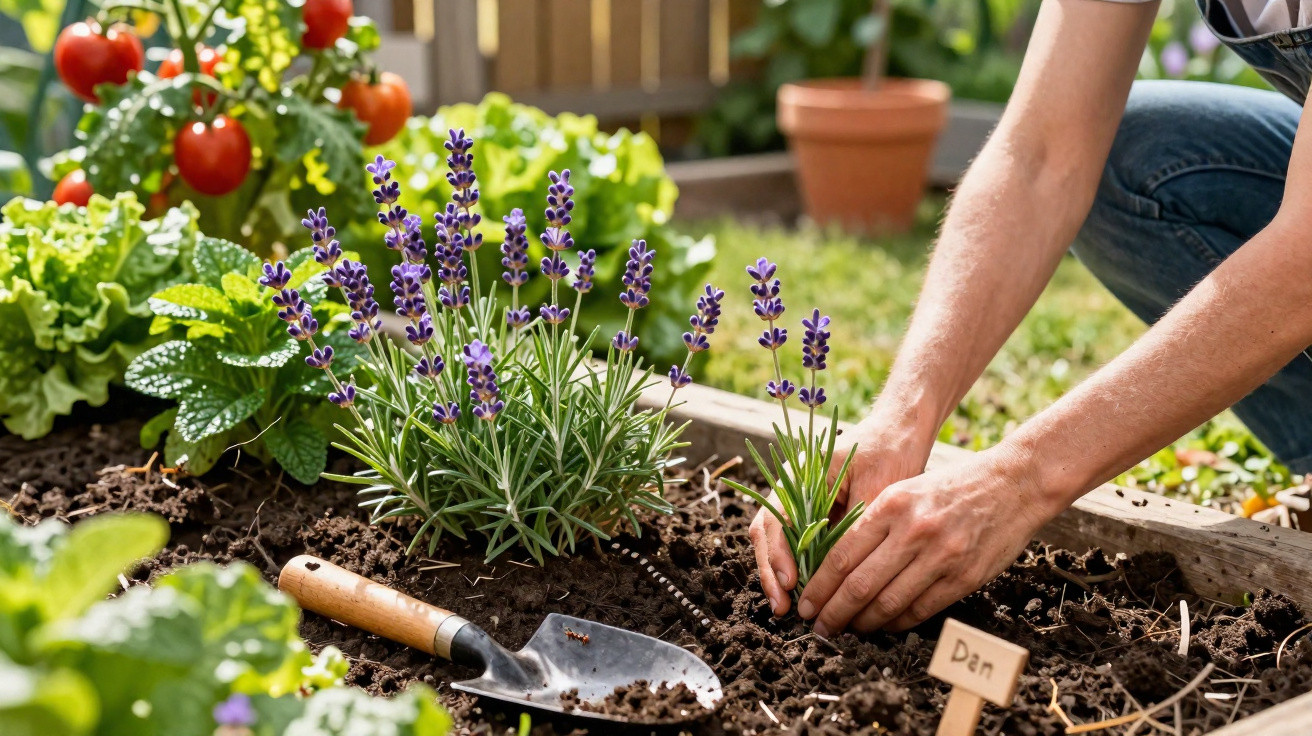
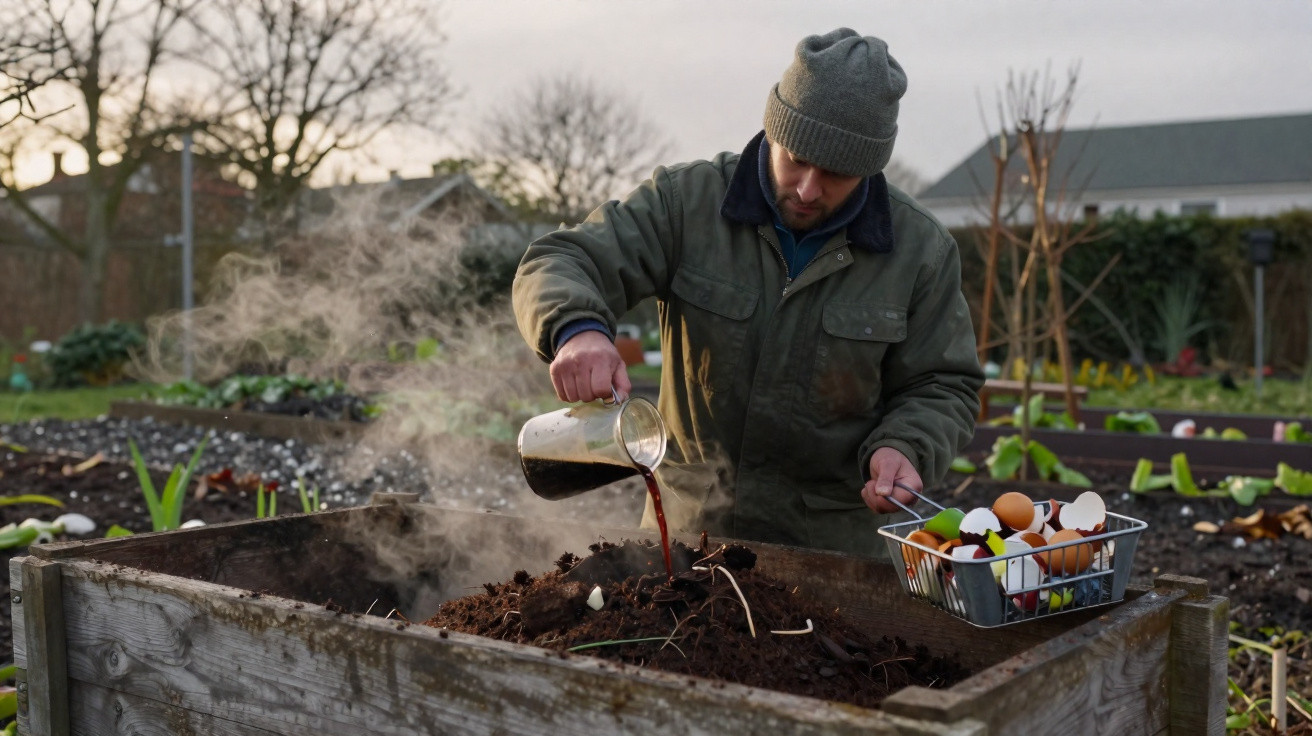
Beneath that layer of dead material lies the garden’s greatest resource: its soil. Use a fork to loosen it, pull out persistent deep-rooted weeds, then incorporate compost or well-rotted manure to give new seedlings an early head start. Organic matter enables soil to retain moisture, enhances drainage and nourishes the microscopic organisms that help roots develop strongly.
Four ultra-fast vegetables to sow in March
Not all crops welcome the cold conditions of early spring. Tomatoes, peppers and aubergines still need the warmth of an indoor windowsill for some time. Other vegetables, however, tolerate chilly weather and grow rapidly, allowing a first harvest within a month.
Radishes: the traditional crop for “impatient gardeners”
Radishes are often the first crop suggested to anyone making a vegetable garden. They sprout rapidly, including in cool soil, and many varieties can be ready 25 to 30 days after sowing when growing conditions suit them.
Sow directly outdoors in shallow drills and keep the soil gently moist for quick results. As their small roots dislike being disturbed, do not begin them in small pots for transplanting.
- Best sowing method: sow directly in open ground or large containers
- Depth: approximately 1 cm
- Spacing: 2–5 cm between seeds
- First harvest: around 3–4 weeks from sowing in mild conditions
Rather than sowing an entire bed at once and facing a surplus, plant a short drill each week. This approach, known as “succession sowing”, staggers the harvest throughout the month.
Baby lettuces: salads in less than a month
Lettuce copes with cool conditions better than many gardeners expect. Full-sized heads need more time, but “cut-and-come-again” varieties and baby-leaf mixtures can produce edible leaves in only 25–30 days, provided the soil is not excessively cold.
Rather than allowing generous gaps for large hearts to form, sow more thickly when growing for leaves. When leaves reach 8–10 cm, cut them with scissors; they will regrow from the base.
Mixed baby lettuces sown in March can turn a bare bed into a steady salad supply before most people have packed away their winter coats.
Lettuce performs best in nutrient-rich ground that remains moist. A lack of water may make leaves bitter and can prompt plants to bolt by producing a flower stem prematurely. A thin mulch of compost, or even grass clippings, helps preserve moisture around the roots.
Spinach: nutrient-rich baby leaves in a hurry
Spinach is another excellent crop for the cool season. It enjoys the mild temperatures of early spring and can often grow better in March than during June heat. You can begin harvesting baby leaves as soon as three to four weeks after sowing.
Sow seeds 1–2 cm deep and leave roughly 10 cm between plants if you want larger leaves. For baby spinach, sow closer together, then thin the seedlings and eat those removed.
Spinach leaves contain high levels of iron, vitamin C and antioxidants, which is why nutrition researchers frequently feature them in studies of healthy diets. Harvesting while young produces leaves with a tender texture and gentle flavour, suitable for eating raw or cooked.
Early peas: soft shoots and the first pods
Pea pods may not reliably be ready within 30 days, but March sowings can still offer a speedy crop in the form of edible shoots. Snip the tender tips and young leaves for salads and stir-fries as you wait for the first pods, which generally appear after six to eight weeks.
Peas germinate readily and grow sturdily in cool soil that can be worked. Plant them 2–3 cm deep, using double rows where room permits, and add canes or netting as soon as the shoots emerge. Providing support early keeps stems above ground level, away from rot and slugs.
For a rapid reward, grow peas for both shoots and pods: cut a few tips early, let the rest climb and flower.
Preparing your March bed for rapid growth
Vegetables sown in March benefit greatly from a few focused measures. Because these crops develop quickly, even a minor setback can noticeably delay them.
Soil preparation and planting distances
A friable, loose soil is best. Compressed ground stays cold and wet, causing seeds to germinate slowly. Adding compost improves the soil’s texture and gently raises nutrient levels without overloading young roots.
| Vegetable | Sowing depth | Plant spacing | Approx. first harvest |
|---|---|---|---|
| Radish | 1 cm | 2–5 cm | 25–30 days |
| Baby lettuce | 0.5–1 cm | 2–3 cm (for leaves) | 25–30 days |
| Spinach (baby) | 1–2 cm | 5–10 cm | 25–35 days |
| Pea (for shoots) | 2–3 cm | 5–8 cm | 30–40 days for shoots |
Gentle, frequent watering has a considerable effect. Seeds require steady moisture to come out of dormancy, yet waterlogged soil may make them rot. Many gardeners use a watering can fitted with a fine rose so that seeds are not washed from their drills.
Keeping early crops safe from pests and cold snaps
March conditions can change abruptly, with a warm sunny spell sometimes followed by a late frost. Basic covers, including horticultural fleece, cloches or even an overturned transparent storage box, can protect young seedlings against both cold weather and hungry pigeons.
Slugs also become active quickly. They are especially fond of young radish and lettuce plants. Collecting them by hand at dusk, using coarse barriers such as crushed eggshells and ensuring the space around beds is free from places to hide can all limit damage without chemical pellets.
Planning a mini “fast-food” bed
A useful option is to reserve a compact space solely for speedy crops. All four vegetables can be grown together in a raised bed, one half of a border, or a collection of large containers.
Plant radishes around the edges, where they receive maximum sun and can be pulled easily. Put lettuce and spinach in the middle to create a plentiful mixture of leaves. Position peas at the rear, or centrally with a low trellis, so they can climb above the other crops.
A March-planted “speed bed” can deliver crunchy roots, crisp leaves and sweet pea shoots in just a few weeks.
This arrangement makes both thinning and picking easy. Pulling radishes and cutting early leaves gradually frees room for slower spring crops that can be transplanted in April, including cabbages and chard.
Useful concepts for new gardeners
Beginners are often puzzled by two terms: “days to maturity” and “baby leaf” harvesting. Seed packets commonly state the number of days to harvest, although this assumes ideal warmth and fertile soil. Crops sown in March into cool ground can take slightly longer than the packet indicates, whereas a May sowing may develop faster.
“Baby leaf” means gathering leaves when they are small and tender instead of waiting for a plant or head to reach its full size. It brings forward your first bowl of salad, although each plant will produce a slightly lower overall yield.
A straightforward example shows how this works. Sow lettuce on 10 March during a mild period and you may cut your first small handful of baby leaves around the second week of April. Add early spinach leaves and several radish slices, and even a very small plot can already provide enough for two or three fresh salads each week.
There are compromises to bear in mind. Rapid crops mean the soil is disturbed more frequently, so rotating beds and applying compost every season helps maintain both structure and fertility. On the other hand, picking small amounts regularly encourages more frequent garden visits, helping you notice pests, dry ground and nutrient issues before they become serious.

Comments
No comments yet. Be the first to comment!
Leave a Comment