
Yet there is a remarkably simple, environmentally friendly answer.
Ants perform an important function in soil: they loosen the ground and clear away organic matter. Even so, they can become a nuisance in the garden, on the patio or even indoors. Before turning to poison bait or sprays, it is worth considering the power of certain plants. Some species produce scents and active compounds that ants strongly dislike – and these can be used deliberately.
Why ants can be troublesome in the garden – and when they are helpful
Viewing ants solely as pests is an oversimplification. These insects aerate the soil, carry seeds and provide food for birds and other animals. They become a problem when they:
- build large nests beneath patio slabs or paths
- “farm” aphids in flower beds, weakening plants in the process
- enter the kitchen or food cupboards
- repeatedly bother children playing on the lawn
If the aim is simply to manage them in specific places, harsh measures are unnecessary; scent barriers are a better option. This is where selected herbs and perennials can help.
“Some garden plants emit signals that are so unpleasant to ants that they reroute their trails or abandon the nest.”
Plant-based deterrents: which species really repel ants
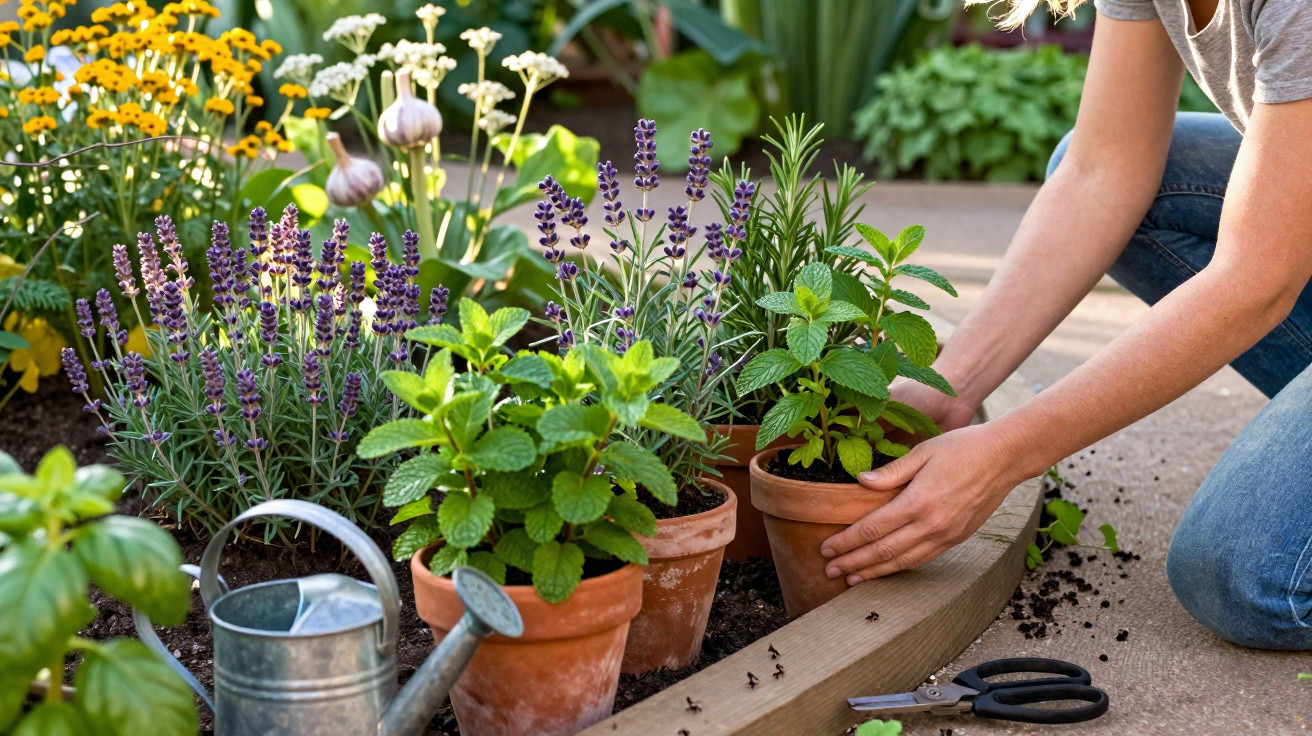
Peppermint: a scented wall in a pot
Peppermint gives off a powerful fragrance that disrupts ants’ scent trails. Since the insects navigate using these chemical pathways, they struggle to find their route when the scent is masked.
- Position: partial shade to full sun, in nutrient-rich soil
- Benefit: creates a scented barrier while providing herbs for tea and cooking
- Tip: always grow it in a pot, otherwise it will spread throughout the whole bed
A line of peppermint pots beside patio doors or wall cracks through which ants enter the house works particularly well.
Lavender: attractive to look at, tough on ants
Lavender brings together ornamental value and a useful effect. Its strong, resinous scent deters ants, while bees and bumblebees are drawn to it.
Plant lavender:
- alongside garden paths that regularly have ant trails
- around seating areas and patios
- in sunny, relatively dry positions
The plant prefers poor, free-draining soil. Waterlogging quickly causes rot. Pruning after flowering keeps it compact and encourages more blooms.
Thyme: ground cover with an added benefit
Thyme has a pronounced fragrance that is aromatic and slightly medicinal. Ants generally avoid dense cushions of thyme. It is also a valuable culinary herb.
“Thyme forms low carpets that fill joints, path edges and sunny banks – and can significantly slow ants down in these areas.”
Creeping varieties that grow across gaps between paving are especially suitable. They require sunny locations and free-draining, rather dry soil.
Rosemary: a fragrant hedge against marching ants
Rosemary is hardy, evergreen and rich in essential oils. Its spicy aroma is pleasant for people but acts more like a warning signal to ants.
- as a small shrub beside front doors and patios
- in containers along balcony railings
- in Mediterranean-style beds with gravel and sand
Rosemary copes very well with heat and drought. In colder areas, it needs winter protection or should be grown in a container that can overwinter frost-free.
Tansy: yellow flowers with real power
Tansy is a robust perennial with bright yellow flower clusters and strong insect-repelling properties. Many pest insects, including ants, keep away from it.
It is well suited to:
- the edges of beds where aphids commonly appear
- wild, natural-style corners of the garden
- areas beside fences or walls
This plant can grow quite tall and wide. In smaller gardens, use it selectively and avoid planting it too close to seating areas, as its scent can be intense.
Basil: a kitchen favourite with a second job
Basil is essential for tomato salad – and it also provides useful support against ants. Its essential oils help discourage the insects from window ledges and balcony planters.
| Benefit | Explanation |
|---|---|
| Quick effect | Fresh leaves release scent compounds immediately, especially in sunshine. |
| Flexible use | Pots can be moved to follow changing ant routes. |
| Dual purpose | Protection from ants and a constant supply for the kitchen. |
Important: basil needs plenty of water and warmth. It does not tolerate cold draughts or stagnant wet conditions.
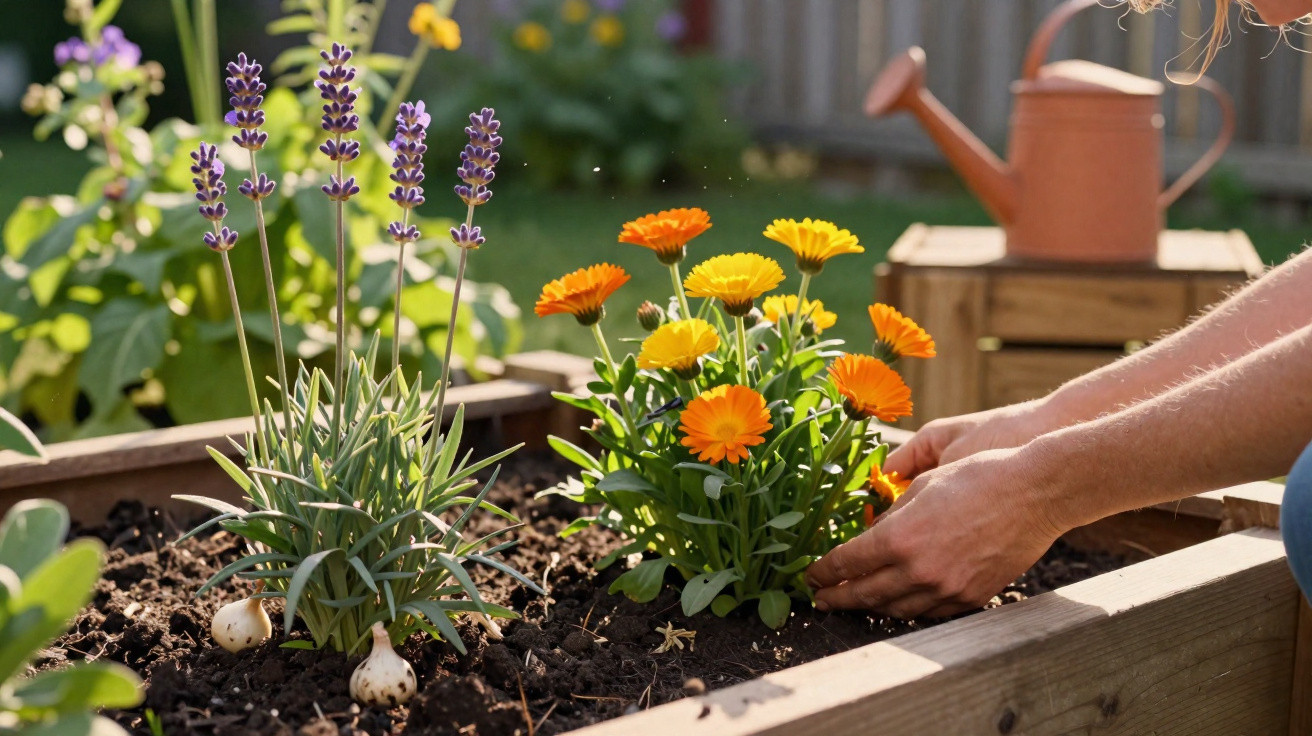
Garlic: pungent scent, clear message
Garlic works on two levels. Its intense smell deters ants, while it can also help reduce fungal diseases on neighbouring plants.
“Planting garlic cloves around beds or along walls creates an invisible scented line that ants generally will not cross.”
Garlic is particularly useful in vegetable beds and near roses or strawberries. Plant the cloves in autumn or early spring.
Yarrow: delicate appearance, clear effect
With its fine leaves and delicate flower clusters, yarrow has a rather romantic look, but it has a noticeable effect on several insect species. Ants are among them.
It also attracts beneficial insects such as parasitic wasps and ladybirds, which in turn consume aphids. Anyone dealing with ants around aphid-infested plants benefits twice over.
How to use plants against ants properly
Location makes the difference
For the deterrent effect to work, it is not enough to place a few herbs anywhere in the garden. Key locations include:
- front doors and patio doors
- ground-floor window ledges
- cracks in paving where ants emerge
- the immediate area around ant trails in beds
A dense ring of plants is more effective than individual pots placed far apart.
Combining several species
Mixing different herbs and perennials strengthens the result. One example of an anti-ant border beside a patio is:
- rosemary and lavender at the back
- thyme in front as a low-growing carpet
- peppermint and basil in pots between them
This creates an uninterrupted layer of scent that is difficult for ants to cross.
Do not overlook maintenance
Many of these plants rely on essential oils for their effect. The healthier and more vigorous they are, the stronger their scent will be. Regular pruning, suitable watering and sufficient sunshine are therefore essential.
Extra tip: oils for quick help with a severe infestation
If there is already a major ant trail indoors, essential oils from the plants listed above can be used. Mix a few drops of peppermint, lavender or thyme oil with water, then wipe or spray it along the ants’ routes.
Important: use only sparingly and first test an inconspicuous area to check whether the surface tolerates the oil. Children and pets should not come into direct contact with the undiluted liquid.
Natural methods rather than harsh chemicals: what else helps
Plants that deter ants work best when a few basic rules are followed: keep food well sealed indoors, do not leave sweet items uncovered outside, and seal cracks and joints where possible. The fewer incentives ants find, the more likely they are to retreat.
Anyone who deliberately encourages diversity in the garden gains two advantages. Many of the plants listed support bees, butterflies and other beneficial insects. This helps create a stable balance in which ants are present without becoming a nuisance.
A brief reality check is important: no garden will be entirely free of ants – nor would that be desirable. The objective is to keep them away from patios, play areas and the house. Peppermint, lavender, thyme, rosemary, tansy, basil, garlic and yarrow achieve this balance remarkably well.


Comments
No comments yet. Be the first to comment!
Leave a Comment