
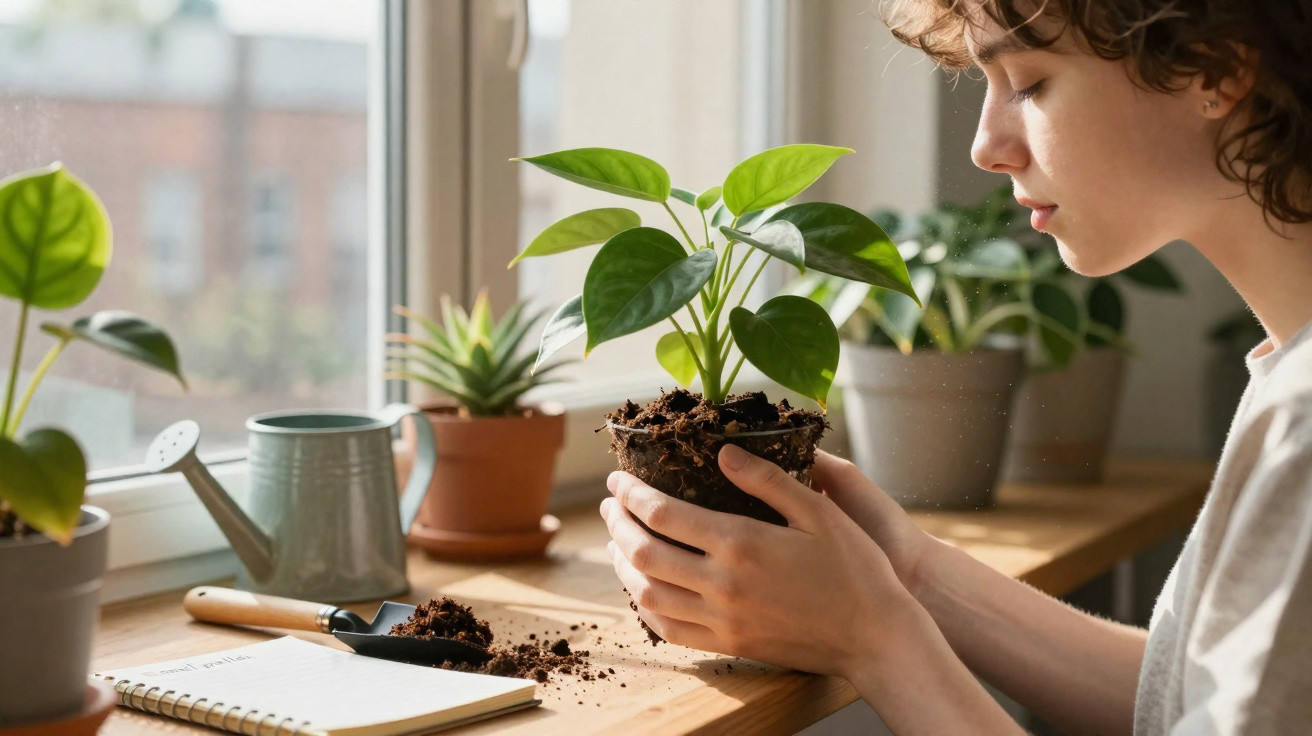
The first time I caught that odd, dense smell coming from my pots, I was only half paying attention, flicking through my phone. The plants themselves still appeared healthy: glossy leaves, upright stems and no obvious drama. Yet the soil was another matter. Its damp, slightly sour, almost marsh-like odour registered like a warning light on a car dashboard.
I put my phone aside, bent closer and thought, “Something’s off here.” Within two days, the bottom leaves had turned yellow and limp. From then on, I stopped assessing plants by their appearance alone and began relying on my sense of smell.
These days, I notice the soil before I notice the foliage.
It has never let me down.
When soil speaks before the plant
Once you begin to pay attention, soil seems to have a character of its own. Its mood changes sooner than the foliage does, rather like a friend whose voice alters before they say what is wrong. New potting mix has a light, earthy scent, almost like woodland after rainfall. Unhealthy soil feels denser and shut-in, as though the air hovering over the pot has become trapped.
What is surprising is that the plant can still look completely well while the soil is already sounding the alarm. The leaves may not yet droop, spot or turn crisp. You water it, walk away, and the real problem continues beneath the surface.
That is when your nose becomes useful.
One late summer, I picked up a heavily reduced monstera from the sad-plant shelf at a garden centre. Its leaves looked reasonable, if slightly weary. The label said “just needs water.” I crouched down and smelled the compost. It was thick and stagnant, rather like a forgotten sponge at the bottom of the kitchen sink.
I brought it home, but I did not water it. Instead, I eased the plant from its pot and discovered grey, mushy roots tangled through lumpy, sour-smelling compost. Had I trusted the leaves, I would have drowned it on its first day. I removed the rotten material, repotted it in fresh mix and waited to water until the new soil smelled dry and alive again.
Three months afterwards, that monstera had doubled in size.
There is a straightforward reason your nose receives the message before your eyes do. Healthy soil contains invisible life: bacteria, fungi and tiny organisms quietly breaking material down. They produce volatile compounds with a pleasant, earthy aroma. When conditions deteriorate through excess water, insufficient air or compacted compost, a different set of organisms takes over: anaerobic bacteria, rot and mould. These release gases that can smell sour, musty or almost metallic.
The plant above the soil needs time to reveal the consequences. Leaves are the final chapter, rather than the opening one. By the time they yellow, wilt or become crisp, the underground issue may have been unfolding for days or even weeks. Paying attention to soil smell is like reading a draft before the book reaches print.
It gives you early access and a better opportunity to fix the plot.
How to nose-check your plants like a quiet pro
Begin with an easy habit: whenever you are about to water, smell the soil first. Do not simply inspect the leaves or press a finger into the surface. Lift the pot nearer to your face, or lean towards it, and take one or two slow breaths above the compost. You are not smelling it as you would perfume; think of catching the steam above a cup of tea.
A neutral or gently earthy smell means you are in the safe zone. If it smells sour, swampy, strangely sweet or stale, stop before reaching for the watering can. Feel further down in the pot, or ease the plant out slightly to inspect its roots. This thirty-second practice has saved more plants in my home than any fertiliser ever has.
It may feel odd the first few times, but it soon becomes second nature.
The biggest mistake I see, and one I used to make too, is placing more faith in a schedule than in your senses. “I water every Sunday” may sound organised, but plants do not care about your diary. What matters to them is the air and moisture around their roots. Those conditions can shift overnight because of humidity, the changing seasons or moving a plant to another windowsill.
We have all had that moment of realisation: you have been pouring affection and water into a pot that already smells like an ignored basement. Honestly, no one does this every single day. Rather than expecting yourself to become the perfect plant parent, try something less demanding. Let smell and touch guide your watering more than routine. You will overlook fewer warnings, and your plants will recover more readily when you make a mistake.
Sometimes the soil is telling you the truth your eyes don’t want to see: the plant isn’t thirsty, the roots are suffocating.
Smell “profiles” to learn
Fresh bagged mix: mild and earthy, like a forest floor.
Healthy, established pot: gently warm, neutral and barely noticeable.
Overwatered soil: sour, swampy and slightly rotten.Quick rescue moves
Stop watering if the smell seems wrong.
Loosen the upper 2–3 cm of compacted soil.
Put the plant in a place with greater airflow and light.Signals you should repot
A musty smell that persists even once the compost is dry.
White fuzz or slimy threads in the mix.
Roots tightly circling, with dark and mushy areas.
Letting your nose change how you care for plants
Once you become attuned to soil smell, you will start picking up other subtle clues as well. Notice the sound of dry compost when you tap the side of a terracotta pot. Feel the slight difference in weight when you lift a plastic container that has not had a drink for some time. Watch for the pale crust that develops on mixes kept wet for too long.
This will not make you a flawless gardener. It simply helps you become more attentive. In time, you will spot small changes sooner: a smell that was once fresh but is now becoming faintly stale, or a pot that suddenly gives off an almost metallic scent after a heatwave. These small alerts can prevent minor issues from turning into dramatic plant funerals.
| Key point | Detail | Value for the reader |
|---|---|---|
| Use your nose before your eyes | Smell the soil whenever you are considering watering | Identify overwatering and rot days before the leaves deteriorate |
| Learn basic smell “zones” | Earthy = healthy, sour/swampy = trouble | Quick, instinctive diagnosis without gadgets |
| Break rigid watering routines | Respond to the soil rather than the calendar | Lower stress, save plants and waste less water |
FAQ:
- Question 1 My soil smells a bit like mushrooms. Is that bad?
Answer 1
A light mushroom-like aroma from fresh potting mix can be normal, particularly where it contains bark or compost. However, if the smell is strong or sour, or if fuzzy growth appears and spreads across the surface, excess moisture and poor airflow are probably the cause. Allow the soil to dry more thoroughly between waterings, while increasing light and ventilation.
- Question 2 What if my soil has no smell at all?
Answer 2
A neutral scent is generally positive. It often suggests that the mix is balanced and not packed with organic material decomposing too quickly. Pay attention to its drying speed and to how the plant develops over time. No smell alongside healthy growth is ideal.
- Question 3 Can bad-smelling soil harm me, not just the plant?
Answer 3
In most cases, unpleasant-smelling soil is chiefly a concern for the plant rather than for you. Even so, very mouldy, stagnant pots in enclosed rooms may aggravate allergies or sensitivities. If a pot smells intensely foul or has dense layers of mould, handle it carefully, work outdoors where possible and consider replacing the mix.
- Question 4 How fast should I act if the soil suddenly smells sour?
Answer 4
There is no need to panic immediately, but do not leave it for weeks. Stop watering, place the plant somewhere brighter and airier, and check the moisture deeper in the pot. If the roots are mushy or the smell remains as the mix dries, repot it within a few days.
- Question 5 Does this work for outdoor plants too?
Answer 5
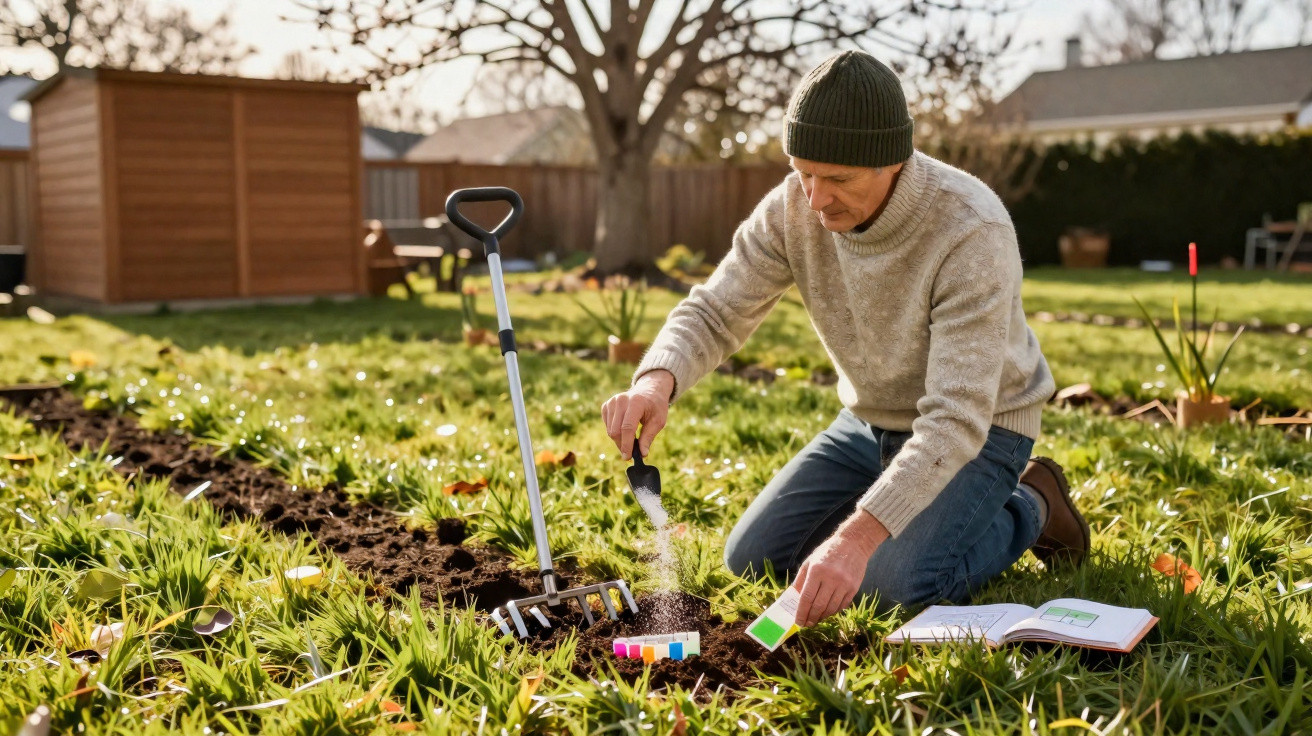
Yes, although outdoor soil aromas are mixed with fresh air and other garden scents. Problem smells are easiest to detect in pots, raised beds and highly compacted areas. After heavy rain, smell around containers and places with slow drainage. If you notice a swampy odour, aerate the soil, add organic matter or improve drainage before the roots begin to fail.



Comments
No comments yet. Be the first to comment!
Leave a Comment