
The first time I spotted it, I nearly called an apology across to my neighbour.
“Sorry about the mess,” I said under my breath as I looked at the patch of lawn I had neglected to mow. The grass had grown tall, clover had crept through, and above it an unusual scene was unfolding: a small, humming cloud of activity. Bees darted among the white blooms. A ladybird made its way up a stalk. A spider lay poised in a web stretched between two blades of grass.
What had seemed “neglected” suddenly appeared… full of life.
I did not realise it then, but that scruffy little area was signalling something important: the garden was slowly restoring itself.
The surprising sign your garden is getting healthier
For years, we have been taught that a “good” garden should look managed: closely cut grass, tidy beds, exposed soil between rows, and not a weed anywhere.
But then you pause, look more carefully, and see a very different picture. Wild plants emerge through paving cracks. Fallen leaves are left to break down beneath shrubs. Flowers that no one deliberately planted begin appearing in the lawn.
Then the wildlife arrives.
The clearest natural indication that your garden ecosystem is becoming healthier is straightforward: life becomes more diverse and easier to see. It is not simply about having more plants, but more different plants, insects, sounds and small movements throughout the space.
Think of that supposedly “ugly” spot beside the shed: a ripped bag of old compost, a broken pot and a clump of nettles you had intended to remove. One spring morning, you look over and stop. A robin is hopping about, thrusting its beak into the leaf litter. A little toad is tucked behind the pot. In a beam of sunlight, a swarm of gnats swirls like glitter moving in slow motion.
No one designed that miniature jungle. Nobody mapped it out on a Pinterest board.
Still, it provides everything needed: shelter, food, dampness and places to hide. That untidy pocket becomes a hotel for beneficial insects and small animals-the same creatures that can quietly pollinate plants, consume pests and help balance the entire garden while you do nothing at all.
Ecologists describe this as an increase in biodiversity. In gardening terms, it means your outdoor space has stopped being a sterile display and has become a working small-scale ecosystem.
Once you look beyond simply seeing “plants”, you may begin to notice differently sized bees, spiders, beetles, butterflies and birds moving through the garden. This shows that several levels of life are returning. Predators come after prey. Pollinators come after flowers. Fungi arrive where there is dead wood and fallen foliage.
A healthy garden is neither quiet nor motionless. It buzzes, rustles, creaks and wriggles. The genuine mark of health comes when your garden no longer looks perfect and instead feels inhabited.
How to gently invite this natural sign into your garden
There is no need to turn the whole garden into a wild jungle overnight. Begin with one choice: select an area where you ease off the control.
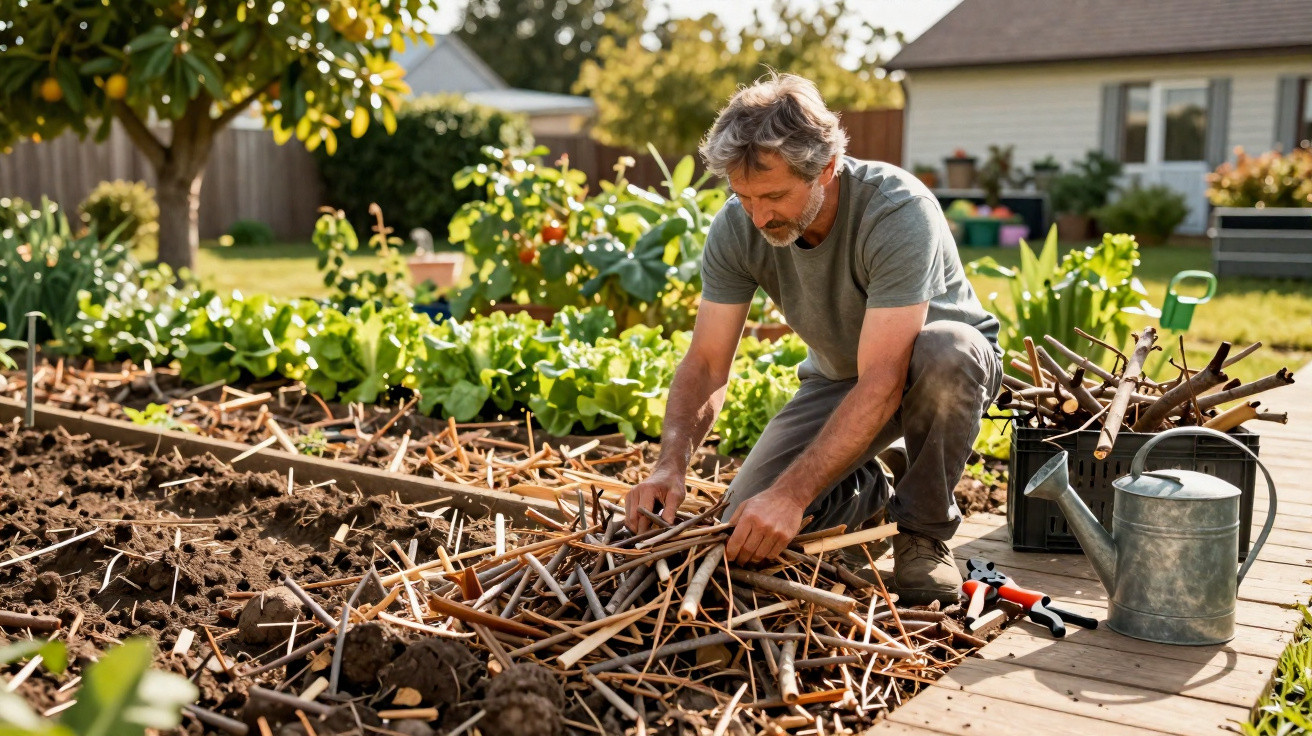
It might be a lawn corner that you no longer cut so closely, a strip beside a fence where grasses and wildflowers can grow, or a small heap of twigs and leaves that you leave alone rather than clearing away. Water can be just as effective. A shallow dish with stones for insects to land on, or a tiny pond created from an old basin, can draw in wildlife more quickly than any costly gadget.
The aim is to make small pockets of food and shelter. Once they exist, nature can take over with remarkable speed.
Many gardeners admit, quietly, that they feel guilty when their garden appears “untidy”. Perhaps you feel that way too. Maybe every dandelion has been pulled as soon as it emerged, every leaf raked up and every pot scrubbed clean.
There is nothing wrong with liking a neat space. The key is to avoid treating the view outside the window like a show home, and instead make room for life to breathe.
You can still maintain your favourite clean paths and uncluttered patios. Just allow yourself a few rougher patches, even if a neighbour disapproves. In truth, nobody manages every task every single day, and gardens that look genuinely lived in often prove to be those that thrive for the longest.
“Once I stopped fighting every leaf and weed, I started seeing birds I hadn’t seen in ten years,” says Anna, a suburban gardener who swapped weekly lawn treatments for a clover-rich lawn and a small log pile. “I thought I was being lazy. It turned out I was giving nature a chance.”
Leave some leaves
A light covering beneath shrubs or at the rear of beds nourishes the soil, gives insects shelter and retains moisture where plants need it.Keep a “wild strip”
A narrow section along a fence or hedge, where grass is allowed to grow taller and wildflowers arise naturally, can form a route for pollinators.Add dead wood
A heap of sticks, a tree stump or even an old wooden crate left to weather can support fungi, beetles and the animals that feed on them.Create a water point
Whether it is a large plant-pot saucer filled with pebbles or a mini pond, water can attract birds, amphibians and countless small insects within days.Skip the chemicals
When you stop spraying, the “good” insects begin appearing to prey on the “bad” ones, gradually balancing the system naturally.
When “less perfect” becomes the new garden luxury
There is a quiet satisfaction in watching a garden change from decoration into an ecosystem. One day, you spot fewer aphids on the roses and realise ladybirds have settled in. On another, you hear a blackbird throwing leaves aside as it searches for grubs you had not even known existed.
You begin to recognise the pattern: every small act of restraint-not cutting that patch, not raking that corner, not spraying that insect-acts as an invitation. In return, increasingly complex and visible forms of life arrive.
The old image of an ideal garden, with strict borders and immaculate lawns, starts to seem oddly lifeless. Instead, you find yourself drawn to the corners where things happen without your intervention.
| Key point | Detail | Value for the reader |
|---|---|---|
| Mess can mean health | A little wild growth, leaf litter and “weeds” can often indicate increasing biodiversity | Helps you view your garden differently and worry less about visual perfection |
| Simple changes work fast | Wild strips, water dishes and piles of twigs rapidly attract beneficial wildlife | Offers easy, inexpensive steps that can produce visible results within weeks |
| More life, fewer problems | A variety of insects and birds naturally controls pests and improves soil | Creates a more resilient garden requiring less work and fewer products |
FAQ:
- Question 1 How can I tell whether the additional insects in my garden are “good” ones?
- Answer 1 Look at their behaviour. Ladybirds, lacewings, hoverflies and spiders found around leaves are generally hunting pests. Many small wasps are beneficial too, even if they appear slightly alarming. If you are uncertain, watch for a few days before taking action. Greater variety usually suggests that the system is finding balance, rather than failing.
- Question 2 Will leaving areas “messy” bring in rats or dangerous animals?
- Answer 2 Moderation matters. A modest log pile, wild strip or leaf litter beneath shrubs will not make a garden into a rubbish tip. Do not leave food waste outdoors, keep compost covered and store animal feed safely. Most wildlife attracted in this way-birds, frogs and pollinators-is timid and helpful, not dangerous.
- Question 3 How soon will I see signs that my garden is becoming healthier?
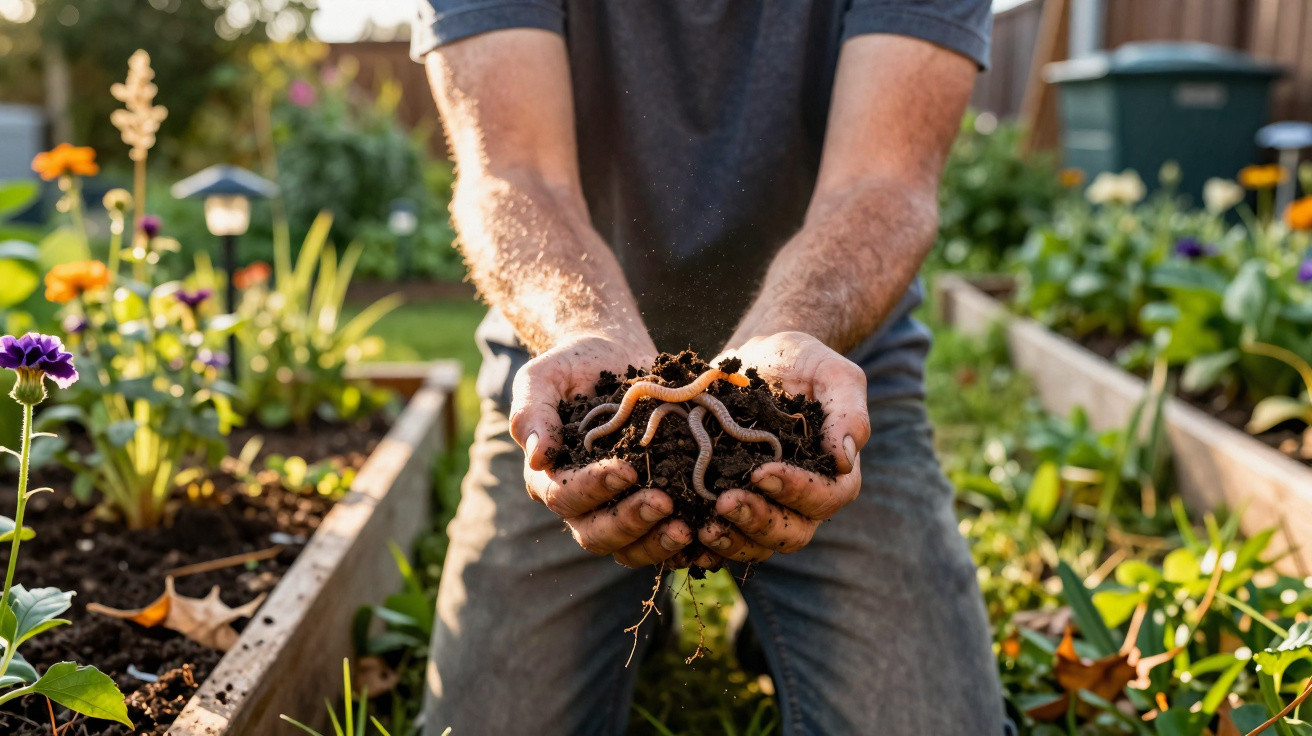
- Answer 3 Some effects can be nearly immediate. Birds often discover a new water source within days, while insects may find flowers and shelter within a week or two. More substantial changes, such as richer soil and increased earthworm numbers, may take a season or two. Usually, the first major sign is more varied activity rather than simply more plants.
- Question 4 Can a small balcony or tiny garden show this natural sign as well?
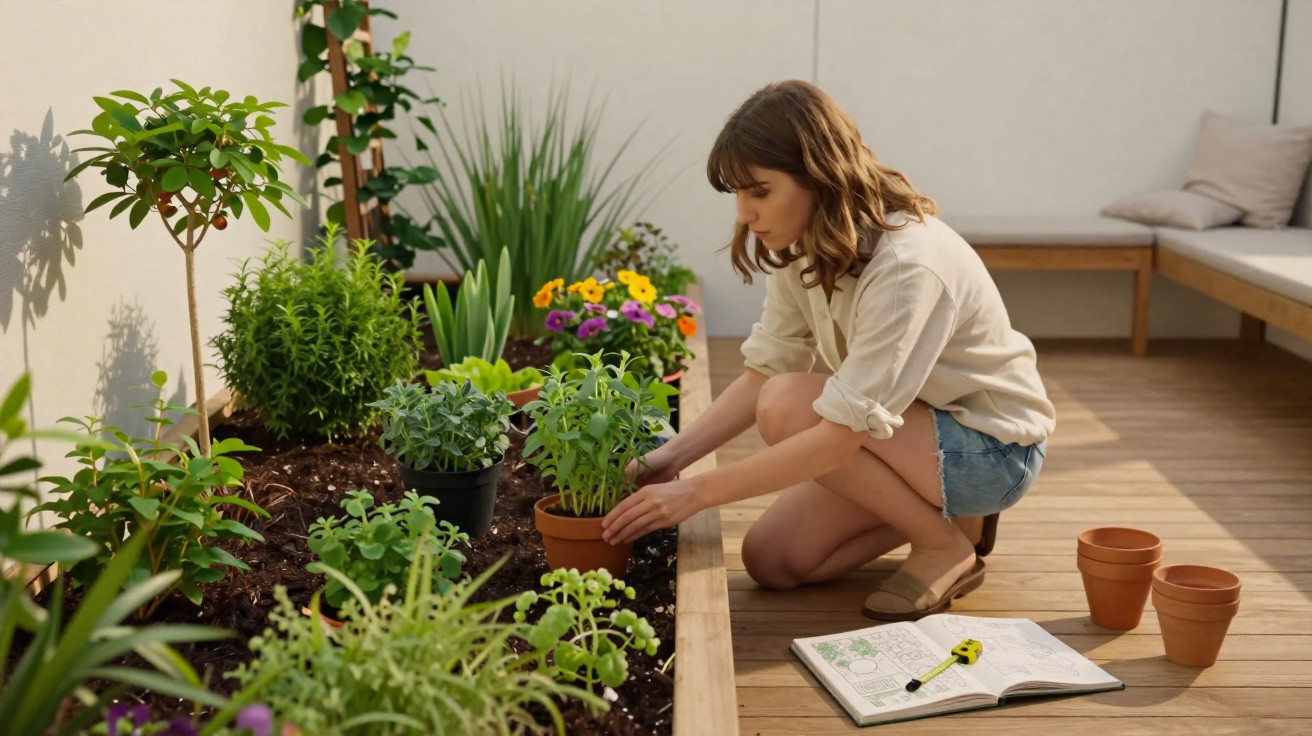
- Answer 4 Yes. Just a few pots of nectar-rich flowers, a saucer of water and a corner where old stems are not cleared away straight away can attract bees, butterflies and small spiders. You may not see frogs or hedgehogs, but the same pattern will still emerge: more visitors, more interactions and less sterile emptiness.
- Question 5 What should I do if my neighbours say my garden looks untidy?
- Answer 5 Try presenting it another way. Mention pollinators, birds and soil health. Keep the areas visible from the front a little more orderly-with trimmed edges, a defined path and perhaps one well-kept bed-while allowing rear or side sections to remain wilder. Clear signs of purpose, such as a small “wildlife area” notice or defined borders, can make “messy” look “intentional” to others.
Comments
No comments yet. Be the first to comment!
Leave a Comment