
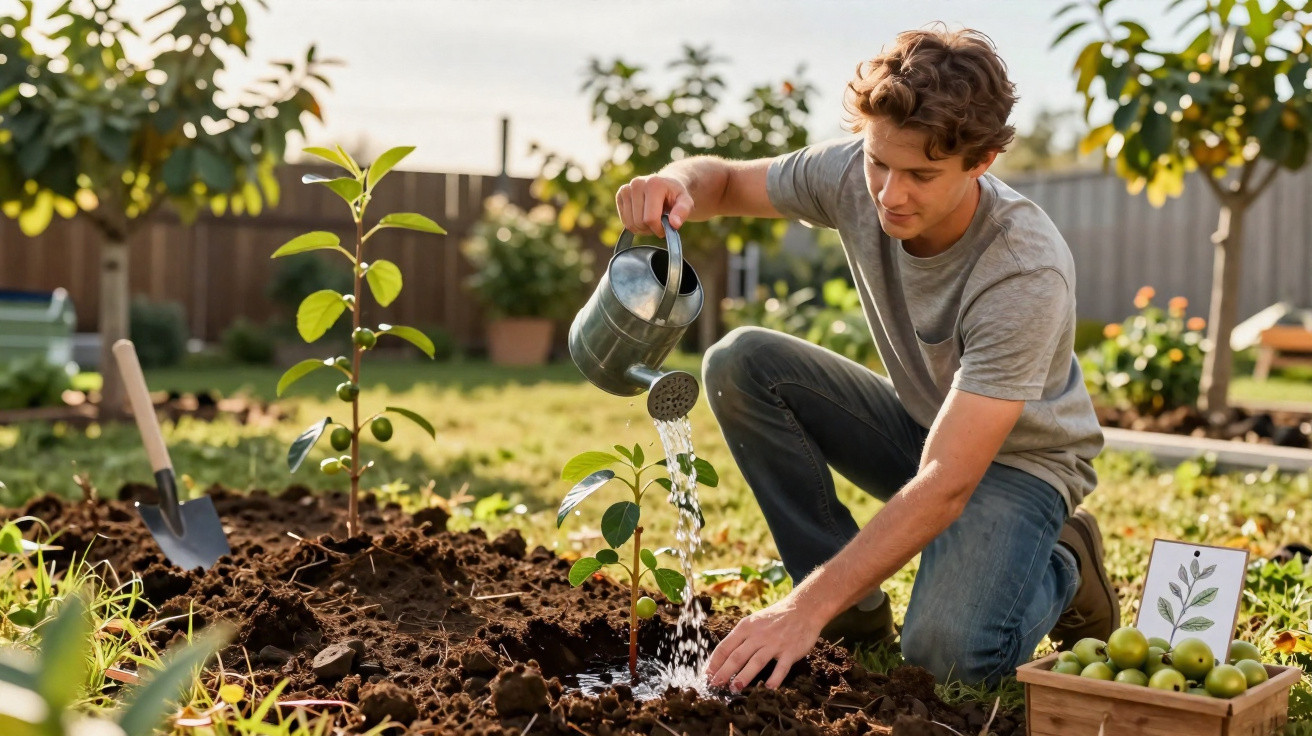
While many amateur gardeners are still deciding between an apple or cherry tree, an almost forgotten fruit tree is coming into focus. It is remarkably well suited to the UK climate. Originating in Asia, it thrives in heat, copes easily with dry spells and rewards anyone who plants it correctly with sweet, vitamin-rich fruit. The crucial factors are planting at the end of March and following four clear rules.
An almost forgotten exotic: why the Jujube tree is now on trend
The star here is the Jujube tree, also known as the Chinese date. It has been part of everyday life in Asia for centuries, yet it remains a niche choice in this country. Entirely undeservedly.
The tree produces small, brownish fruits that taste similar to sweet apples, although when fully ripe they have more of the texture of soft dried fruit. They can be eaten straight from the tree, dried, or made into snacks and sweets.
Anyone who plants Jujube brings a hardy, exceptionally undemanding source of vitamin C into the garden – ideal for summers affected by intense heat.
Why the end of March is the ideal planting time
Many fruit trees are traditionally planted in autumn. Jujube is different: it prefers to get established once the soil has noticeably warmed up, while night-time temperatures are no longer consistently frosty.
- Lower risk of frost: Late night frosts are less likely to affect the newly planted roots.
- Warmer soil: Roots establish themselves more quickly, allowing the tree to get going sooner.
- A steadier start: The root zone avoids temperature shocks, reducing the risk of losses.
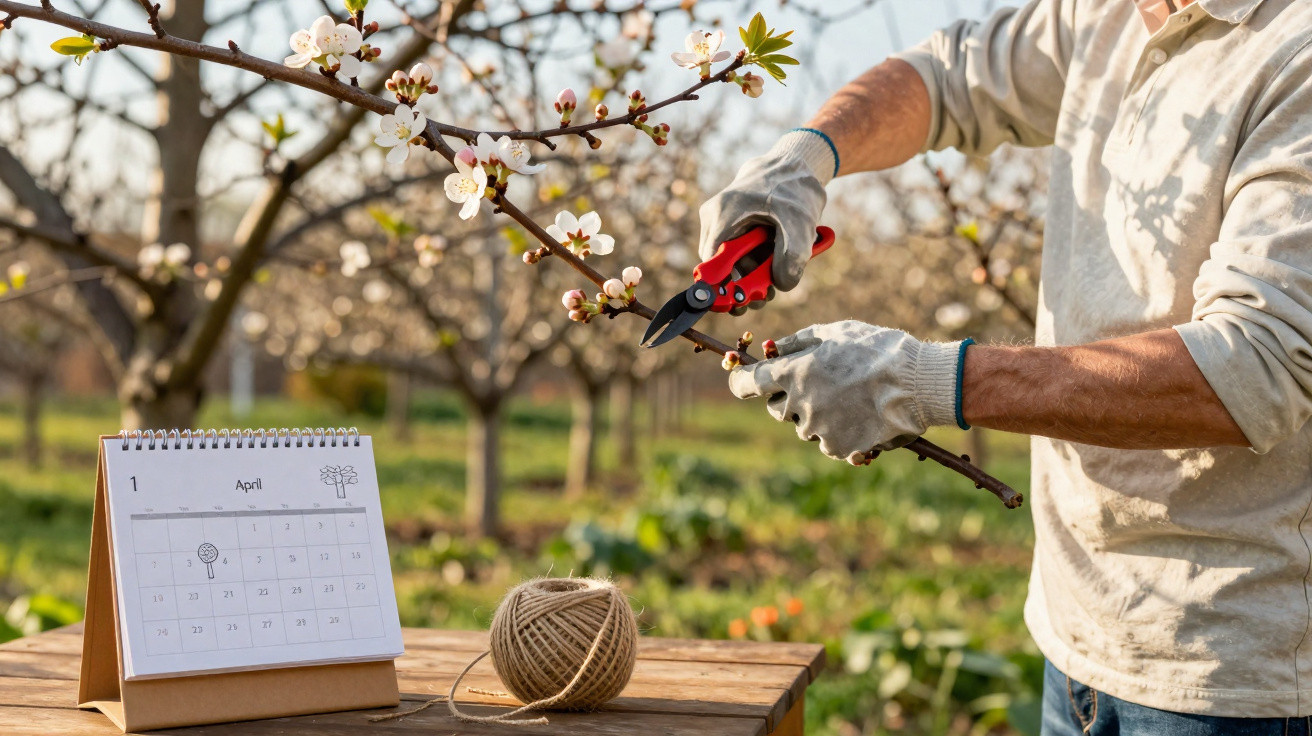
The key planting window therefore runs from late March into very early April. Planting too early can lead to frost damage, while planting too late means the young tree must establish itself in soil that may already be dry.
Rule 1: Sun, sun, sun – the position makes the difference
Jujube loves warmth and light. A partly shaded spot produces very little fruit, while a dark corner of the garden is a recipe for disappointment.
Choose a full south-facing position, not a compromise spot
The tree needs the sunniest place in the garden:
- Ideally, it should face south or south-west.
- It must be free from shade – with no tall tree immediately beside it and no wall casting shade at midday.
- The site should be sheltered from wind, but not located in a frost pocket.
The longer sunshine reaches the canopy, the more successfully the fruit ripens and the sweeter it becomes. In more exposed or cooler locations, a heat-reflecting house wall behind the tree can even help retain additional warmth.
Why waterlogged soil is dangerous for Jujube
The tree handles heat without difficulty, but waterlogging damages its fine roots. Heavy clay soils without drainage can quickly become fatal.
Before planting, it is worth carrying out a simple check: after heavy rain, water should not remain standing anywhere for long. If the ground is still muddy several hours later, the soil needs improving.
- Dig a planting hole substantially wider and deeper than the root ball.
- Place a layer of coarse sand or gravel in the bottom of the hole.
- Mix the excavated soil with sand or fine grit until it crumbles loosely in your hand.
Well-drained soil matters more to Jujube than any specialist fertiliser – without air around the roots, the tree cannot remain vigorous.
Rule 2: Without a companion tree, the harvest is often modest
Many labels at garden centres describe Jujube as “self-fertile”. While this is theoretically true, relying on one tree can easily mean missing out on half the potential crop.
Two varieties, twice the chance of a harvest
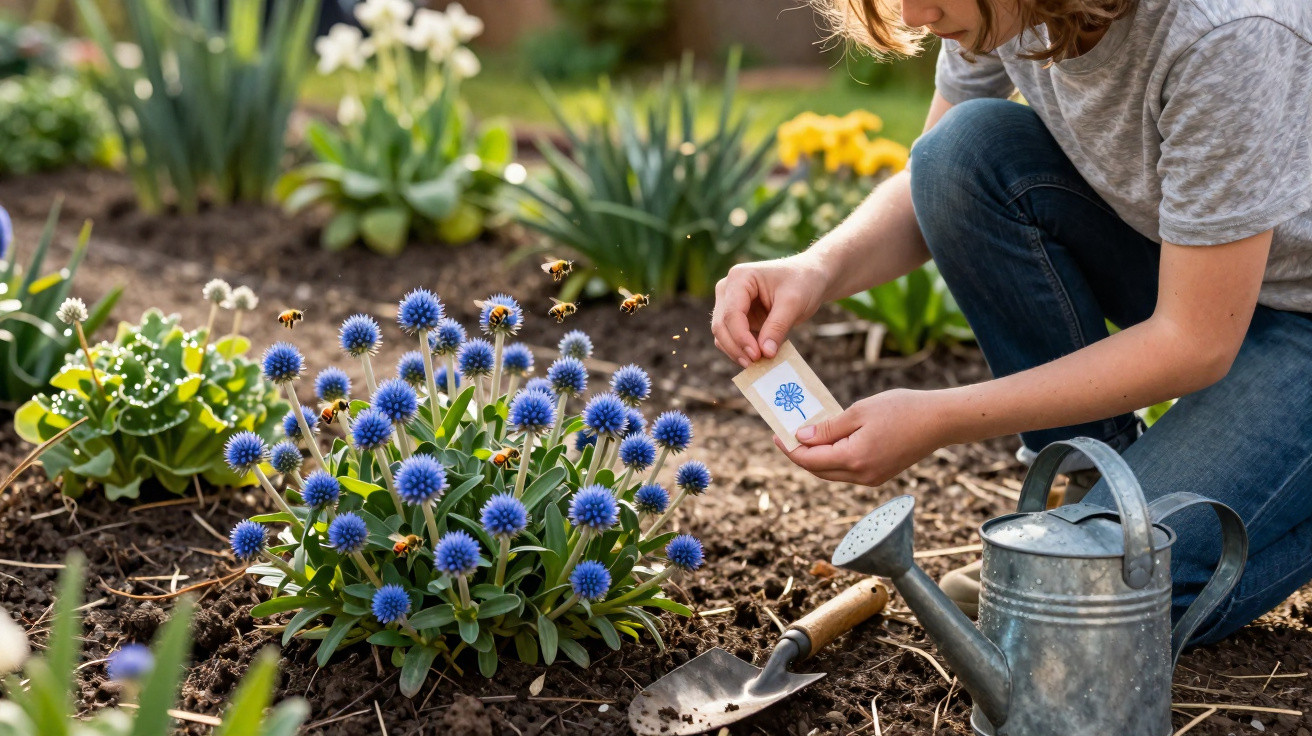
Planting two different Jujube varieties allows cross-pollination to take place. Honey bees, solitary bees and other insects travel between the trees, transferring large quantities of pollen as they do so.
The result is:
- more flowers that genuinely develop into fruit;
- more even fruiting across the whole tree;
- often larger fruits as well.
Ideally, plant both young trees at the same time. This lets them develop in parallel and helps ensure that their flowering periods match well.
Leave enough space for air, light and healthy leaves
The most common mistake in a home garden is placing trees too close together to save space. Jujube develops a strong canopy and needs room.
A distance of four to five metres between two trees provides enough air, light and space for healthy canopies.
This spacing offers two benefits:
- Foliage dries quickly after rain, making fungal diseases less likely.
- The roots compete less for water and nutrients.
Rule 3: Water in properly – the crucial starting signal
Immediately after planting, the first thorough watering is particularly important. Many people give the tree “a little” water, but that is not enough.
A settling-in soak removes air pockets
Once the planting hole has been backfilled, small pockets of air usually remain in the soil. If they are left in place, sections of the root system can dry out quickly.
For this reason, pour at least one large bucket – preferably ten litres of water or more – slowly around the root ball immediately after planting. The soil settles, moves closer to the roots and surrounds them completely.
This single, deep watering matters more than repeated shallow splashes over the following days.
Keep it moist, never flooded
During the first few weeks after planting, soil around the roots should remain lightly moist, but it must never stay permanently wet. A simple approach helps:
- Shape a small watering basin around the trunk.
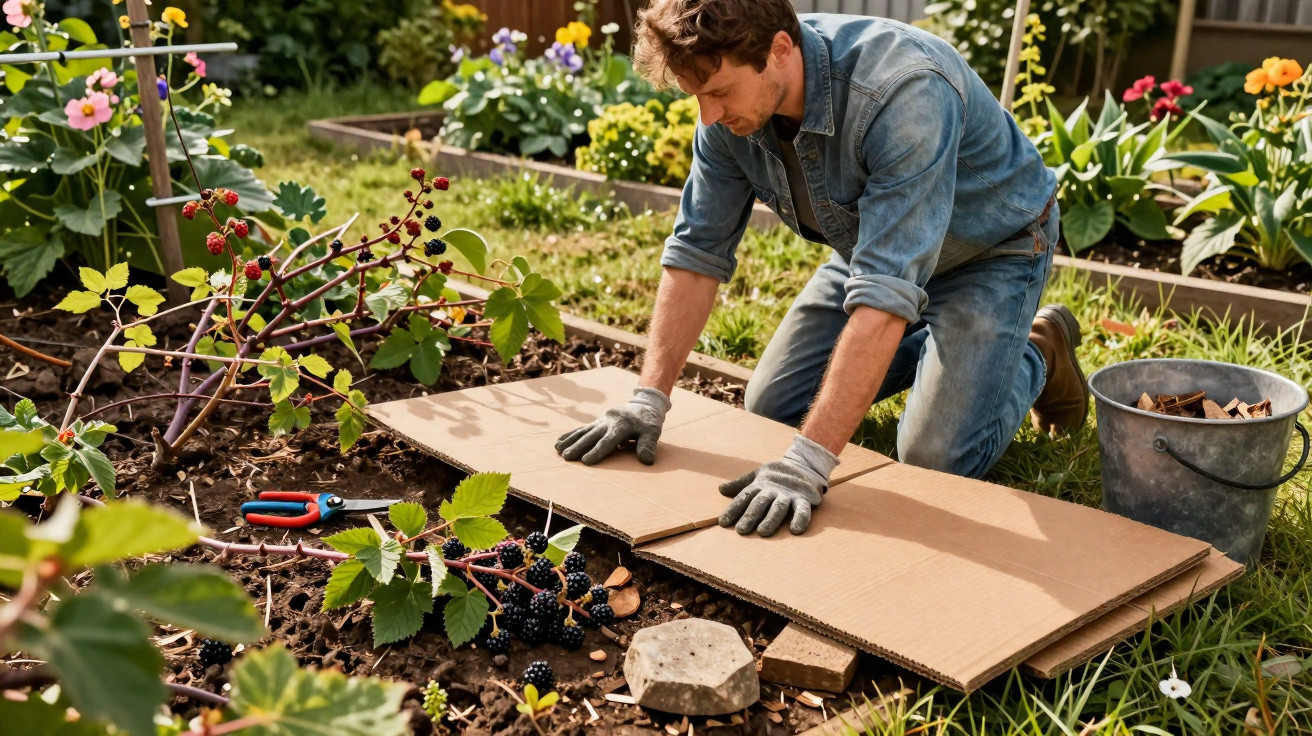
- Mulch the soil with a thick layer of straw or grass clippings.
- Water only when the top layer of soil appears dry.
With mulch, surprisingly little water is often needed – evaporation is reduced and moisture remains stored deeper in the soil.
Rule 4: Check in spring – if it starts growing, everything is on track
After planting, nature takes over. By late spring at the latest, the tree will show how well it has settled in.
Signs of a successful start
Anyone who checks regularly can clearly see success in the canopy:
- Fresh, light-green buds open along the shoots.
- Young leaves look springy rather than limp.
- New shoot tips gradually emerge.
If the buds remain brown and dry for weeks, either frost or waterlogging has affected the tree. In many cases, pruning back to healthy wood and waiting patiently until early summer will help.
Turning an exotic into an everyday tree in your own garden
Anyone who establishes Jujube successfully is rewarded with a genuinely versatile tree: its fruit provides plenty of vitamin C, its fine foliage is decorative, and its drought tolerance is ideally suited to increasingly hot summers.
At first, the Chinese date may seem unfamiliar to many people. In practice, however, its care is more like that of an undemanding apple tree than a delicate ornamental shrub. Pruning should be moderate and fertiliser used sparingly. Healthy living soil, with additions of compost every one to two years, is usually entirely sufficient.
The culinary side is appealing too: fresh fruit is lightly crisp and sweet, while dried fruit resembles mild dates. Those who enjoy experimenting can add it to muesli, use it in the kitchen as an alternative snack, or turn it into fruit leather and energy bars.
Anyone already considering greater heat tolerance in the garden can combine Jujube with other drought-tolerant species, such as fig, almond or sea buckthorn. Step by step, this creates an orchard better able to cope with climate change while also providing unusual flavours.
Comments
No comments yet. Be the first to comment!
Leave a Comment