
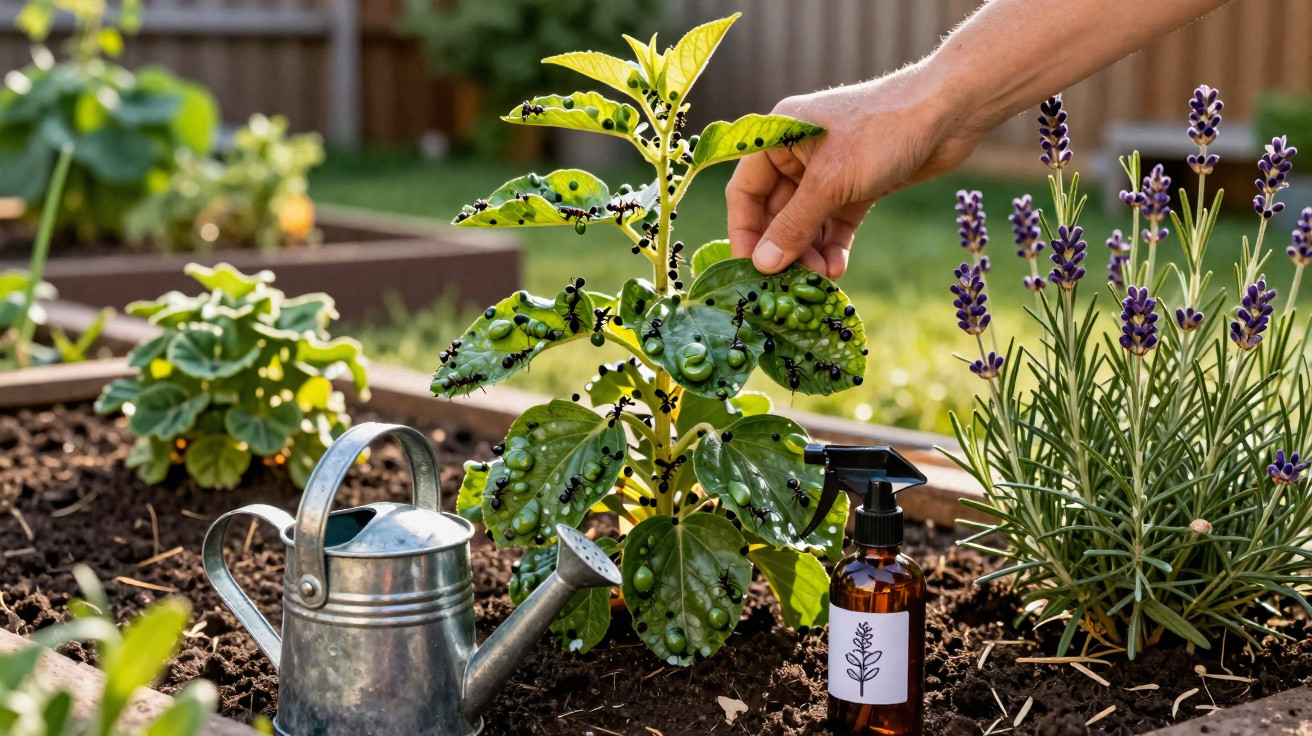
Many keen gardeners are puzzled by trails of ants in their flowerbeds, without realising that they may have planted the perfect ant magnet themselves.
Anyone constantly seeing ant trails, soil nests and even unwelcome visitors on the patio or indoors will often immediately think of poison or traps. Yet the cause is frequently sitting right in the border: certain ornamental and fruit plants act like an all-inclusive buffet for ants. The good news is that choosing plants carefully can greatly reduce the issue, without resorting to harsh chemicals.
Why ants suddenly seem to be everywhere
Ants are not inherently harmful; they are part of the ecosystem. They aerate the soil, clear away carrion and disperse seeds. Trouble starts when they multiply in large numbers, nest beside the patio or make their way into the kitchen. What was once a helpful part of nature can then become a nuisance.
Many homeowners instinctively put down poison bait. However, if the real trigger remains in the garden, fresh ants will keep returning. The explanation is often an inconspicuous partnership between two small creatures.
“Ants like to settle wherever they can find a reliable supply of sugar and protein – and some plants provide this for almost the entire year.”
The hidden alliance between ants and aphids
Aphids are the main reason for ant nests in flowerbeds. These tiny sap-suckers gather on shoots, buds and leaves, where they feed on plant sap. In the process, they produce a sugary liquid known as honeydew.
For ants, this honeydew is an irresistible treat. They “milk” aphids by touching them with their antennae before licking up the sweet liquid. In return, the ants protect the aphids from predators such as ladybirds and lacewing larvae.
This very symbiosis is why some plants seem to attract ants almost magically, as they are often covered with aphids.
Common ant magnets in the garden
If ant trails keep appearing in the garden, these plants deserve particular attention:
- Roses – especially prone to aphid infestations, often on fresh shoots and buds.
- Fruit trees such as apple and plum – attract aphids and release sweet sap when fruit or bark is damaged.
- Berry bushes such as raspberry and redcurrant – fallen, rotting fruit provides ants with an ideal food source.
- Young, succulent shoots on many ornamental plants – wherever aphids are present, ants will eventually follow.
Rose beds combined with fruit trees and berry bushes are especially attractive territory for ants: honeydew, fruit remains and leaking sap provide sugar, while loose soil offers ideal nesting conditions.
What really attracts ants into the garden
Honeydew and fruit are not the only influences. Ants are mainly looking for the following:
| Attraction | Garden source | Effect |
|---|---|---|
| Sugar | Honeydew, ripe fruit, sap, leftover soft drinks | Draws in large ant trails |
| Protein | Dead insects, leftover pet food | Important for raising larvae |
| Warm, loose soil | Beneath patio slabs, in lawns, under stones | An ideal nesting site |
| Shelter | Cracks, gaps in walls, root zones | Protects the colony and queen |
Anyone combining fruit trees, berry bushes and heavily aphid-infested plants throughout the garden is effectively supplying ant colonies with everything they need. It is no surprise that they stay and spread.
Plants that ants are more likely to avoid
Fortunately, some plants are disliked by ants. Many are popular culinary herbs or fragrant garden plants anyway, making them ideal for anyone wishing to redesign their garden without sacrificing visual appeal.
“Some plants disrupt ants’ highly sensitive sense of smell so strongly that they prefer to give them a wide berth.”
The following are considered particularly effective:
- Tansy – its strong, bitter scent disrupts the ants’ chemical navigation.
- Thyme – contains essential oils that ants find unpleasant and that are toxic at high concentrations.
- Mint – its intense menthol fragrance masks scent trails and disrupts their “ant highways”.
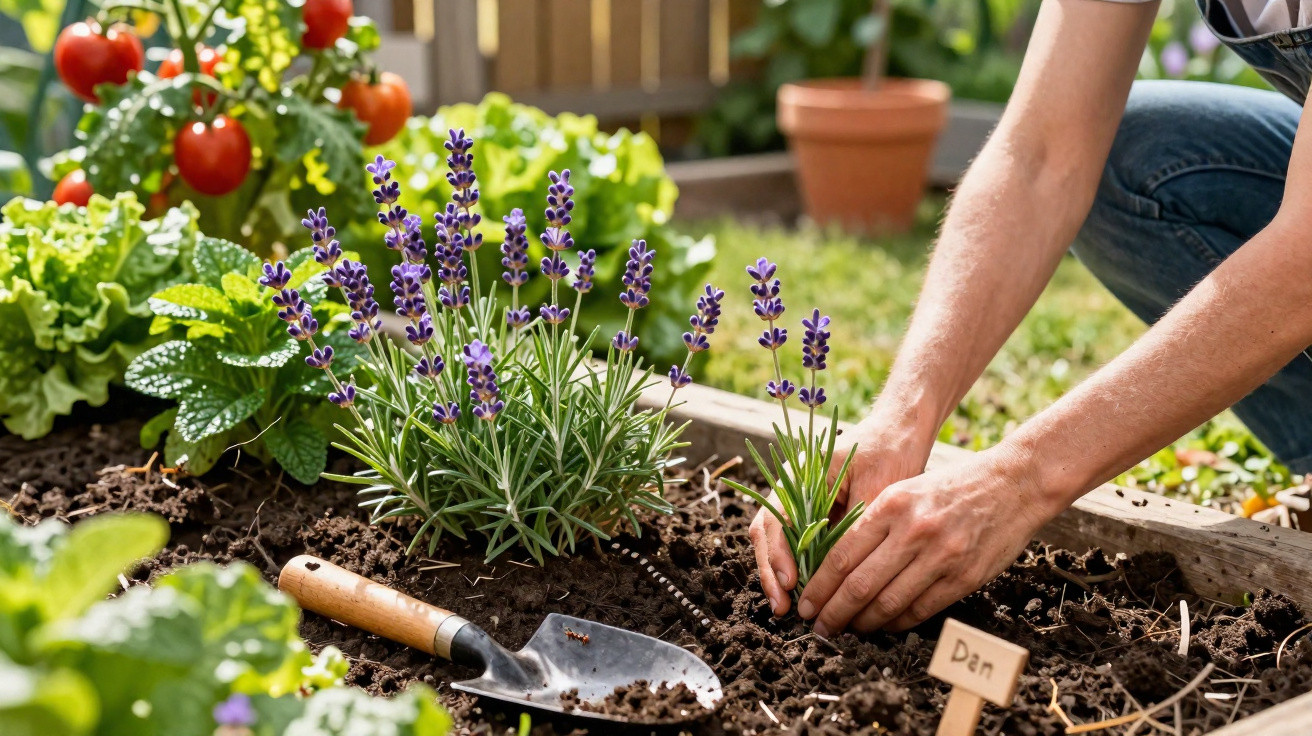
- Lavender – produces strongly scented oils that repel many insects.
These plants work well as a green barrier along patio edges and paths, or beside heavily infested rose beds. Their effect is not as drastic as poison, but they can noticeably reduce ant activity, especially when combined with other measures.
How to keep ants under control naturally
1. Keep aphids in check
To reduce ants, it is necessary to tackle the honeydew. In practical terms, that means controlling aphids as gently as possible.
- Prune back heavily infested shoots on roses or fruit trees.
- Blast aphids off plants with a strong jet of water.
- Encourage beneficial insects, including ladybirds, lacewings and parasitic wasps.
- Where infestations are severe, use mild treatments such as a soft soap solution.
As aphid numbers fall, ants quickly lose interest and look elsewhere for food.
2. Limit food sources
Anyone who loves berry bushes and fruit trees does not need to give up their harvest. A few habits can nevertheless help keep ant colonies small:
- Collect ripe and rotting fruit regularly rather than leaving it beneath the tree.
- Do not leave bird food or cat food uncovered in the garden.
- Wipe up juice spills and sugary drinks on patios or balconies straight away.
This removes the permanent “snack area” for ants, making them more likely to disperse rather than establish dense colonies near the house.
3. Put scent barriers in the right places
Alongside tansy, thyme, mint and lavender, temporary scent barriers can also help. Popular options include:
- Citrus peel on ant trails – effective for only a few days, but useful for diverting their routes.
- Carefully spraying strong herbal infusions, for example made from mint or thyme, onto their walking routes.
- Scattering dried lavender flowers into gaps between patio slabs.
Such measures are particularly suitable for stopping ants from marching in from the garden and into the home.
When ants become a genuine problem
Individual nests in a lawn or flowerbed are usually harmless. It becomes more serious when:
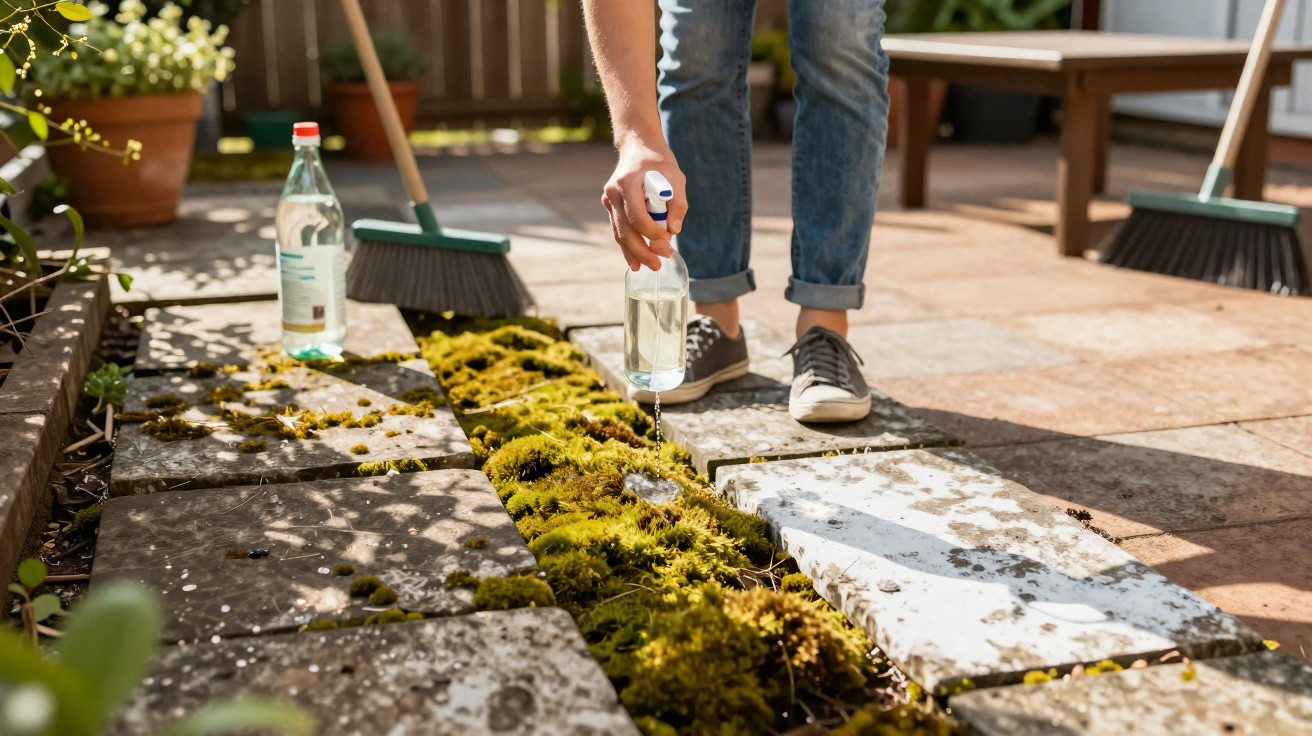
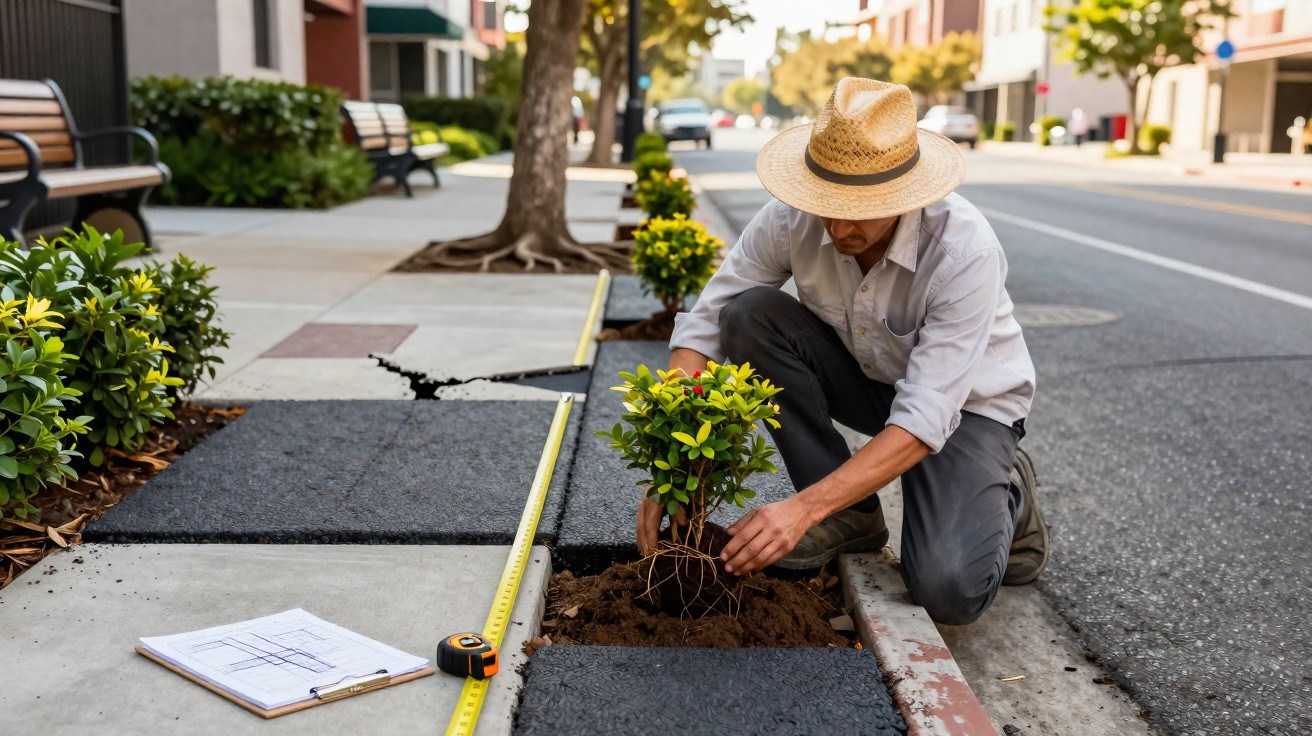
- Ants undermine the patio, causing slabs to sink.
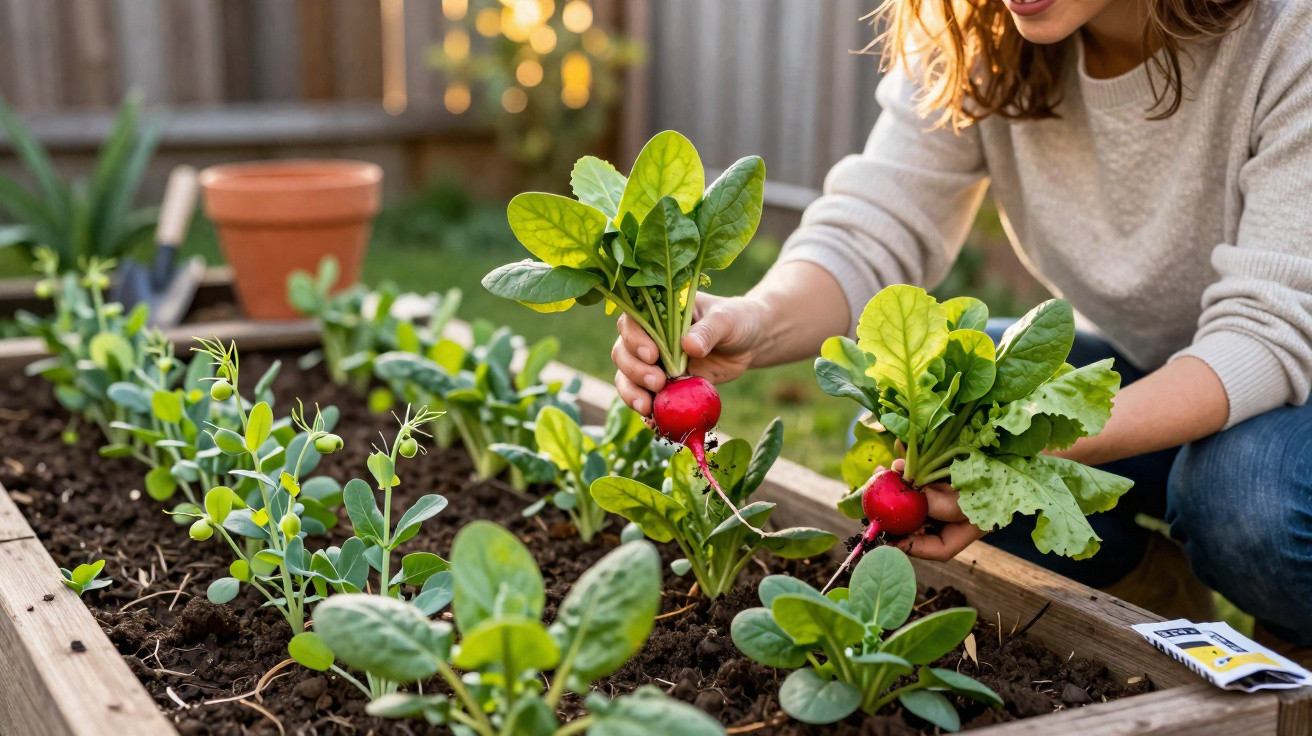
- They excavate raised beds directly around the roots of large vegetable plants.
- Trails repeatedly run through the kitchen or pantry.
In these cases, it is worth combining adjusted planting with consistent aphid control and, only in extreme situations, targeted bait close to the nest. Widespread use of poison throughout the garden causes more harm than good.
How to plan your garden wisely
Anyone planting a new garden or making changes can prevent ant problems in advance. A sensible arrangement might look like this:
- Avoid placing roses and fruit trees directly beside the patio or house entrance.
- Accompany berry bushes with a “scent hedge” of lavender or mint.
- Plant tansy and thyme as edging along paths or around seating areas.
- Plan perennial borders so they do not contain only plants that aphids favour.
This leaves room for attractive ornamental and productive plants without creating a paradise for ants.
A final look at the role of ants
Despite the frustration they can cause, ants are not simply pests. They carry seeds, loosen the topsoil and consume many dead insects. They have a place in a wildlife-friendly garden – just not necessarily beneath the patio door.
Understanding which plants attract them and which scents they avoid makes it possible to influence where ants thrive and where they do not. The garden can remain full of life without a few trails turning into an infestation that no one can control.

Comments
No comments yet. Be the first to comment!
Leave a Comment