
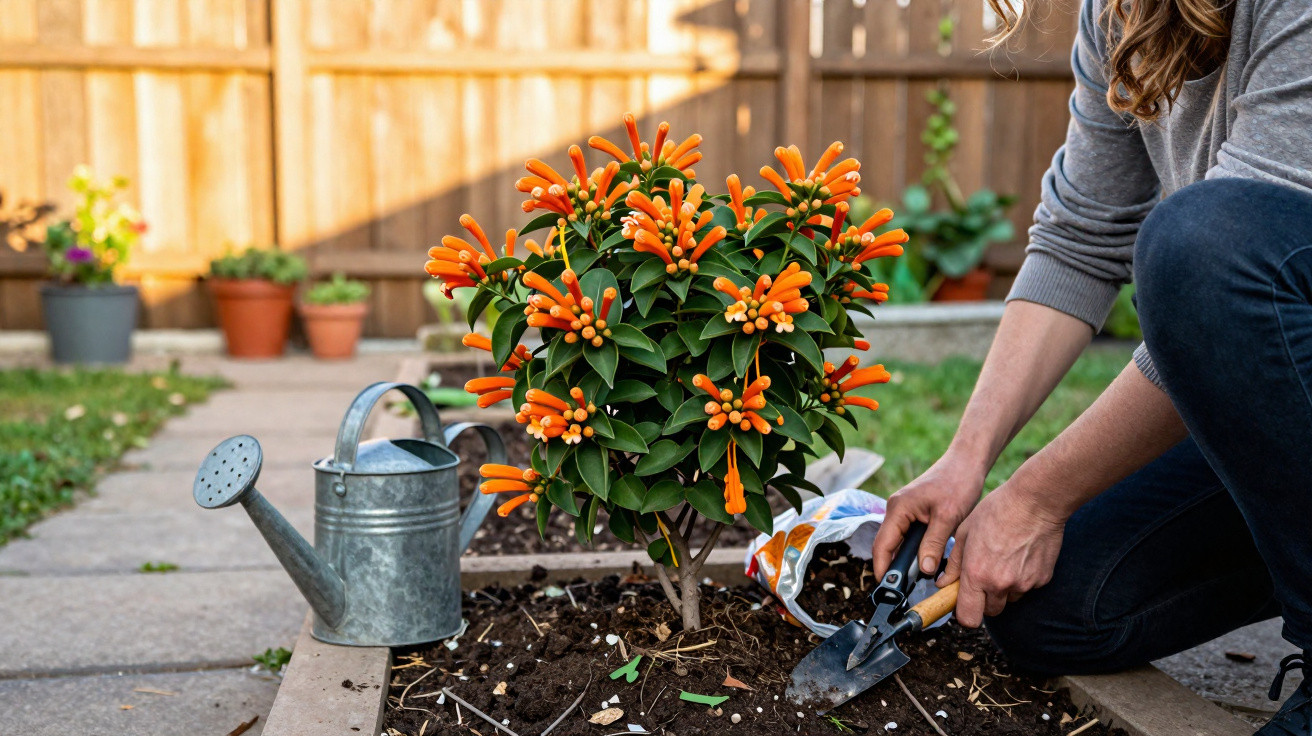
Many amateur gardeners get fed up with small plots: a few perennials, a bit of seasonal planting, and by high summer everything can look tired. Often, though, one well-chosen shrub is enough to visually open up a tiny space and keep it looking lively for months. That is exactly where a surprisingly compact flowering shrub comes in, delivering vivid orange colour with minimal upkeep.
Why a compact flowering shrub saves small gardens
The challenge with mini gardens is straightforward: plenty of traditional ornamental shrubs simply outgrow the space. For two or three years they behave themselves, then a dense green wall starts swallowing the patio or path. The result is that many people avoid shrubs altogether - and miss out on structure, screening and flowers.
The shrub in question, Tecomaria ‘Cape Town Orange’, neatly sidesteps that problem. Compared with the standard Cape honeysuckle, this cultivar stays much smaller, which makes it a strong fit for front gardens, courtyards and city terraces.
“Tecomaria ‘Cape Town Orange’ combines the footprint of a perennial with the impact of a true shrub - perfect for tight spaces.”
While the species can easily reach over 2 metres in height, this compact selection tends to top out at roughly 1.5 metres high and about 1.8 metres wide. It is substantial enough to make a statement, yet restrained enough not to overwhelm everything around it.
Months of bold orange flowers
The standout feature of this Tecomaria is its flowering performance. From around May through to autumn, it keeps producing fresh clusters of trumpet-shaped blooms in a rich, intense orange. In very mild areas, flowering can even continue into winter.
Those flowers are not only eye-catching. They are packed with nectar, which makes them highly attractive to butterflies and bees. If you want to make a garden more pollinator-friendly without turning it into a wildflower meadow, this plant is a very practical option.
- Long flowering season from late spring to autumn
- Strong, warm orange tones that read clearly from a distance
- Nectar-rich, ideal for pollinators
- Attractive foliage that still looks good outside the flowering period
At the same time, international plant lists often rate it as not particularly appealing to deer. So if you garden near woodland and regularly find roses browsed, this is a candidate that is less likely to be nibbled.
Climate, position and soil – where Tecomaria really works
This plant originates from warmer regions. In very mild locations it can remain evergreen year-round and may even flower during winter. In central and northern European gardens, success depends heavily on the microclimate.
Frost tolerance and protection measures
In sheltered spots it can cope with light frosts, but in harsher winters the top growth may die back. That does not necessarily mean the plant is lost: if it is well protected, it often reshoots from the base in spring.
- In mild regions: can stay outside all year, often evergreen
- In cooler areas: prune back frost damage; regrowth from the root zone is possible
- Protection: a thick mulch layer (bark humus, leaves, straw) and, during cold snaps, horticultural fleece around the root area
This makes it workable in more places than you might expect. A protected back courtyard in a town, for example, often experiences noticeably gentler winter conditions than an exposed garden in open countryside.
Light and soil requirements
Tecomaria performs best in a sunny position. As a rule, the more light it receives, the heavier the flowering will be. In very hot regions, a lightly shaded spot can be beneficial so the plant does not struggle in the midday heat.
It is fairly adaptable in terms of soil, as long as two essentials are met: it must not sit in waterlogged ground, yet it should stay evenly moist. A free-draining garden soil enriched with plenty of organic matter is ideal.
| Criterion | Tecomaria requirement |
|---|---|
| Light | Full sun to bright partial shade |
| Soil moisture | Moist but not waterlogged |
| pH | Slightly acidic to neutral; often tolerates a little lime |
| Water needs once established | Relatively low; water mainly during prolonged dry spells |
After the establishment phase, the plant is considered comparatively drought-tolerant. In summer, a thorough watering about once a week is usually enough, although during intense heat you may need to increase that.
Planting: how to give the shrub the best start
Spring is the best planting window. That gives Tecomaria an entire growing season to develop a strong root system before its first winter.
Step-by-step guide
- Soak the rootball thoroughly so the roots are fully moistened.
- Dig a planting hole around twice as wide as the rootball.
- Loosen the surrounding soil and, if needed, mix in a little compost.
- Position the plant so the junction between root and stem (the root collar) sits level with the soil surface.
- Backfill and firm gently to remove air pockets.
- Water in well.
- Apply a 5–8 centimetre mulch layer, keeping it from being pressed directly against the stem.
Mulch helps the soil stay moist for longer, suppresses weeds, and steadily improves soil structure. In small urban gardens where soil is often compacted, that benefit is particularly valuable.
Care: little effort, big impact
Once Tecomaria is established, it is notably low-maintenance. Its watering needs drop significantly, and many accounts describe good resilience against common pests and diseases.
A single feed in spring is usually sufficient - for instance, with well-rotted compost or an organic general fertiliser. This supports strong early growth and encourages generous flowering.
Pruning for compact growth
To keep the shrub dense and prevent it from becoming leggy, routine pruning is worthwhile. The best timing is after the main flush of flowers in late spring or early summer.
Remove any dead shoots and cut back overly long branches quite firmly. The key is to make each cut just above an outward-facing leaf or side shoot. Done this way, the plant maintains a compact, balanced shape and stays attractive for years.
“A confident prune after flowering promotes new, vigorous shoots and noticeably extends the shrub’s lifespan.”
Where this shrub works best in a small garden
In tight spaces, it is surprisingly versatile. Because it reaches a moderate final size, you can place it as a focal point without making the area feel crowded.
- Along a patio edge: a colourful counterpoint to outdoor seating or a barbecue area
- In the front garden: a statement plant near the front door, paired with ornamental grasses
- By paths: positioned to the side of a garden path to soften the line
- In a container: on a balcony or roof terrace, with movable winter protection in frost-prone areas
In pots, it needs a sufficiently large container with excellent drainage. Where winters are colder, you can shift the pot to a sheltered spot against the house, or move it into an unheated but bright space over the coldest period.
Practical tips and possible risks
If you experience warm, dry summers, plan for reliable watering at planting time. Especially in the first year, the root area should not be allowed to dry out completely, otherwise establishment is significantly slowed.
Space planning is another consideration: even as a “compact” shrub, Tecomaria still needs room. Planting it too close to walls, fences or other shrubs creates long-term competition for light and water. In small gardens, about 1 metre from fixed structures is a sensible guideline.
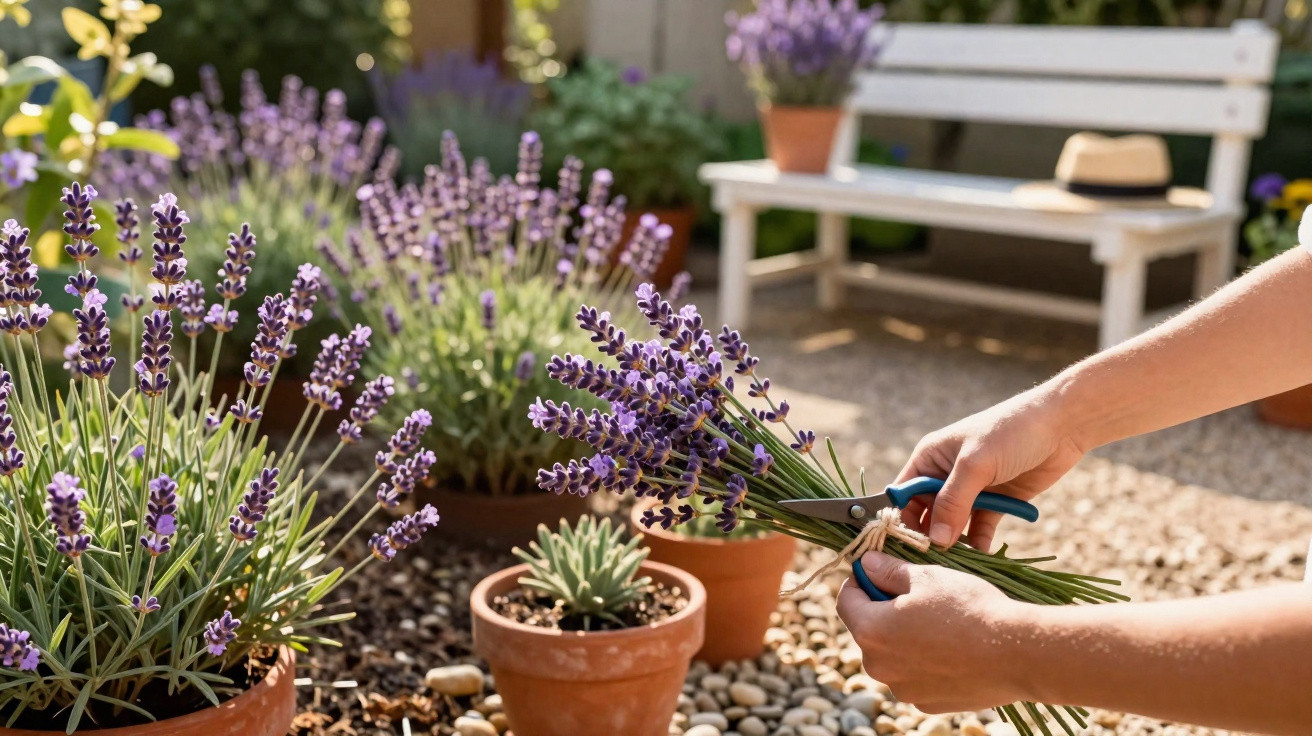
It also combines well with other plants that enjoy similar conditions - such as ornamental grasses, Mediterranean subshrubs like lavender, or small-growing roses. That mix can create a low-effort border that remains attractive for months, even in front of a concrete wall.
For many city gardeners and owners of terraced-house plots, Tecomaria ‘Cape Town Orange’ fills a genuine gap: it offers the presence of a shrub without oversized dimensions, delivers a long flowering season, supports insects - and asks in return only for a bit of water, plenty of sun and one well-timed prune each year.
Comments
No comments yet. Be the first to comment!
Leave a Comment