
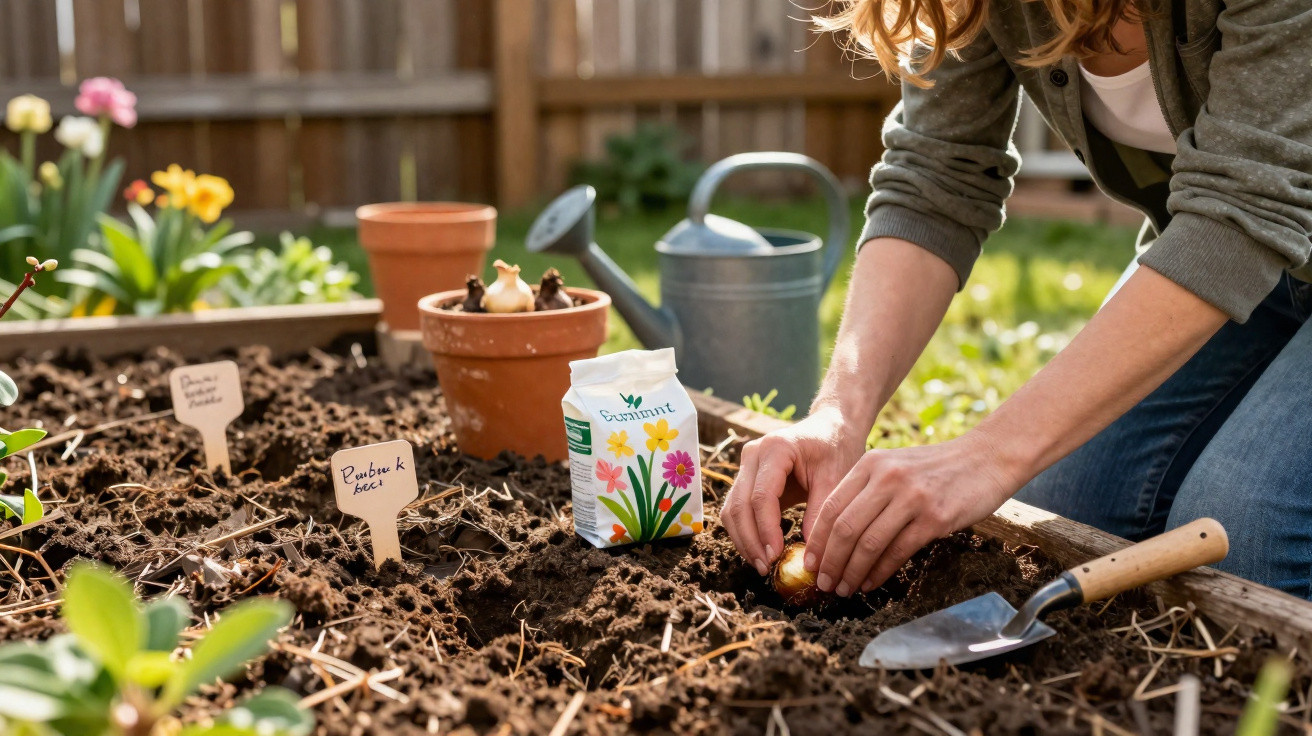
While many amateur gardeners are still considering the first lawn cut, experienced professionals are already focused on something else: summer-flowering plants whose tubers and bulbs need to go into the ground now. Gardening legend Alan Titchmarsh and plant expert Sarah Raven advocate using March to lay the foundations for abundant displays from June to August, choosing varieties that need little effort yet deliver maximum visual impact.
Why March determines your summer flowering display
March is far more than a transitional month. Days are getting longer, the soil is gradually thawing and the sun is gaining strength. This is precisely the period summer tubers need to establish roots calmly before warmer weather arrives.
“Anyone who plants their summer bulbs and tubers by March at the latest gives them a head start of several weeks – and is rewarded with noticeably more and larger flowers.”
Most guides suggest a planting window from late February to early April. Even so, the principle is simple: plant as soon as possible after buying them. Bulbs left too long in nets or cardboard boxes can shrivel, become mouldy or produce weak growth.
Well-established spring roots will later provide:
- sturdy stems that do not topple in the first gust of wind
- strong, generously sized flower heads
- a longer flowering period lasting into late summer
- less watering pressure, as plants can take up water more efficiently
In professional horticulture, summer-flowering tubers are seen as one of the easiest routes to lavish beds without the need for constant replanting. They are particularly suitable for beginners because the maintenance remains manageable.
The most important summer tubers: varieties to plant now
Anyone hoping to see a sea of flowers in June should concentrate on a few key performers in March. They bring height, colour and structure, while being remarkably easy to care for.
Tall focal points for beds and borders
For tall, dramatic planting schemes, specialists especially recommend:
- Lilies – elegant and often fragrant blooms, suited to sunny or partially shaded positions
- Gladioli – long flower spikes, ideal as cut flowers for a vase
- Freesias – more compact, but with intense fragrance and bright colours
- Montbretia (Crocosmia) – arching stems in fiery shades of orange and red
All are sold as bulbs, tubers or corms, and an early start rewards gardeners with especially dependable flowering.
Large flower heads for maximum impact
For an especially bold display, add these in March:
- Dahlias – from miniature pompons to dinner-plate dahlias, perfect for XXL blooms
- Ornamental alliums (Allium) – rounded flower globes that appear to float above the beds
- Begonias – prolific, long-flowering plants for partially shaded corners and containers
- Bearded irises – distinctive flowers with a “beard”, thriving in sunny and relatively dry spots
One key piece of professional advice is never to scatter bulbs individually. Planting groups of four to six of the same variety creates a much stronger effect. This produces blocks of colour that immediately catch the eye from a distance.
“A bed containing a few generous groups looks calmer, more modern and far more impressive than lots of isolated splashes of colour.”
Ideal choices for pots, balconies and small gardens
In towns and on compact terraces especially, it is important to select varieties that will continue performing in pots. Alan Titchmarsh is particularly fond of:
- Begonias – densely fill window boxes and hanging baskets with flowers
- Petunias – classic summer flowers with an enormous colour range
- Verbenas – flower for a long time and attract insects
- Rudbeckias – sun-loving, long-flowering plants with their characteristic coneflower appearance
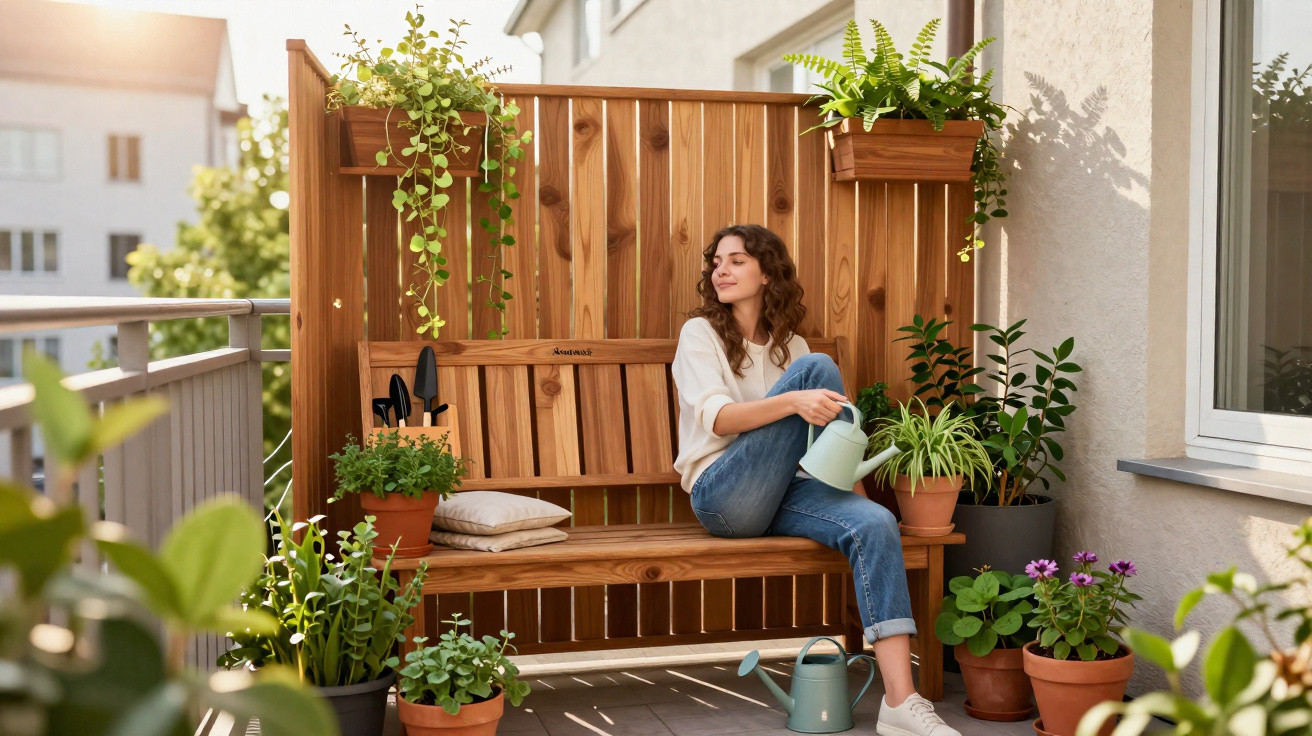
These varieties combine beautifully in balcony boxes and hanging baskets. Once horizontal surfaces are full, hanging baskets and wall brackets can be used to create additional levels.
How to plant summer tubers correctly: depth, spacing and position
The basic rule is to plant tubers at roughly twice their own height. Large dahlia tubers therefore need to sit considerably deeper than small allium bulbs.
| Type | Planting depth (approx.) | Spacing | Position |
|---|---|---|---|
| Lilies | 15–20 cm | 20–30 cm | Sun to partial shade |
| Dahlias | 10–15 cm | 40–60 cm | Full sun, warm |
| Gladioli | 10–15 cm | 10–15 cm | Sunny, sheltered from wind |
| Begonias | 5–8 cm | 20–25 cm | Partial shade |
Planting in beds
Outdoors, soil conditions are what matter most. Summer tubers prefer free-draining ground that never becomes waterlogged. In heavy clay soil, add a layer of grit or coarse sand to the planting hole to improve drainage, which is particularly important for lilies.
How to plant in a bed:
- remove perennial root weeds from the planting area
- dig the planting hole and, if needed, incorporate grit
- place the tuber in the hole with its point facing upwards
- refill with soil, firm it gently and water generously
Planting in pots
For containers, professionals advise using large terracotta pots with at least one sound drainage hole. Begin with a drainage layer of broken pot shards or expanded clay, then add peat-free compost.
It is important to leave a small watering gap below the pot rim rather than filling it completely with compost. This prevents water from running straight over the edge and helps moisten the compost more evenly.
Watering, care and securing a mass of flowers
Once planting is complete, the required effort is surprisingly modest. Rather than watering constantly, it is more important to combine thorough watering with time for the soil to dry afterwards.
- Water thoroughly straight after planting
- Then wait until the top layer of compost or soil has dried slightly
- Water less often but more generously, rather than keeping plants constantly wet
- Avoid waterlogging in pots at all costs – empty saucers regularly
Checking, sharpening and oiling garden tools in March means later spontaneous maintenance jobs will not be held up. During summer, every cool evening hour matters when there is time to water or remove spent blooms.
Hidden pests: why you should inspect tubers before planting
Tiny insects known as thrips often hide between the scales of flower bulbs and in the folds of certain tubers. They survive the winter on the planting material and become active in spring.
“Thrips do not cause dramatic damage, but it develops gradually: distorted buds, brown patches and silvery streaks on flowers and leaves.”
Anyone who wants richly flowering beds should therefore not plant everything blindly just because it has been stored in the shed.
Checking tubers before planting
A brief inspection can prevent a great deal of trouble later:
- use only firm, plump tubers, never soft or mouldy ones
- carefully brush away loose skins and old root remains
- cut away suspicious areas or discard the piece altogether
Many experienced gardeners also spray their tubers before planting. A proven option is a solution of one litre of water and one tablespoon of a mild soap mixture, such as soft soap or gentle washing-up liquid. Spray the tubers, allow them to dry, then repeat the treatment after three days.
For gladioli, ranunculus or anemones, some specialists also advise soaking them for several hours in a diluted disinfectant solution. This step is considered unsuitable for tulips, daffodils and dahlias, however, as they are more sensitive.
When the damage is already in the bed
If plants are already showing misshapen flowers, brown marks or silvery streaks, a multi-step approach is worthwhile:
- spray the foliage with diluted soft soap in the evening
- put out yellow sticky traps to catch adult thrips
- remove severely distorted plants and do not dispose of them on the compost heap
- dry any saved tubers thoroughly after the season and store them in the refrigerator at 2–4 °C
Old plant material that spent the winter warm and dry in a garage or shed should be inspected particularly carefully before reuse, or replaced entirely if there is any doubt.
What beginners often underestimate – and how to avoid mistakes
Many new gardeners do not struggle with planting itself, but with three common pitfalls:
- Planting too late: tubers only go into the ground in May, establish poorly and flower for a much shorter period.
- The wrong position: sun-loving varieties are put in permanent shade, while shade-tolerant plants are placed in fierce midday sun.
- Waterlogged soil: especially in pots, plants quickly suffer if water is left standing in the saucer.
Creating a clear plan early in the year helps avoid these traps. A simple sketch of the bed makes it easier to maintain spacing and groupings. When in doubt, choose fewer varieties and plant them in larger groups.
It is also practical to insert small plant labels immediately after planting, particularly for dahlias and begonias, which emerge late. That way, in early summer you will still know where not to hoe or plant anything else.
Getting more from the garden: combinations and reusing plants
Summer tubers work well alongside early-flowering perennials or biennials. While tulips and daffodils take centre stage in April, dahlias, gladioli and similar plants are developing their roots in the background.
Later, the summer stars take over the bed as the spring bulbs die back. This keeps the area attractive for almost the entire season without continual replanting.
Gardeners using containers can lift some tubers after the season, dry them and store them somewhere cool. Others, including certain begonias, can be overwintered indoors without difficulty. With every season, a personal collection of favourite varieties grows – and that March moment when they return to the soil becomes an established ritual.




Comments
No comments yet. Be the first to comment!
Leave a Comment