
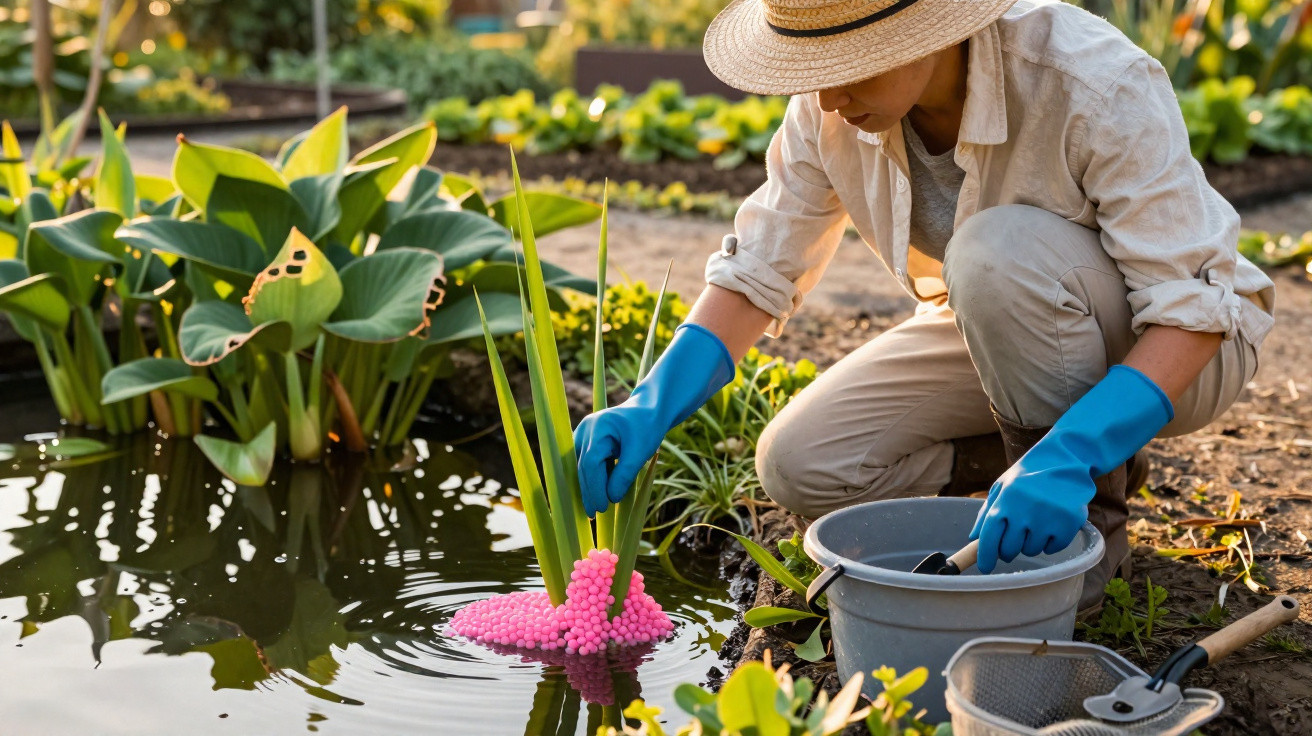
Increasing numbers of gardens are seeing striking pink egg masses on walls, fences and pond edges. What many people mistake for harmless natural decoration is actually linked to one of the most troublesome invaders currently spreading through damp areas: the so-called golden apple snail. Ignoring the warning signs can soon result in stripped plants, collapsing pond ecosystems and serious health risks.
What lies behind the pink eggs
The vivid pink spheres are laid by the golden apple snail (Pomacea canaliculata), an invasive freshwater snail originally traded through the aquarium industry. From there, it has spread rapidly in warm, humid regions.
Unlike many native aquatic snails, this species is exceptionally adaptable. It survives in water but can also move onto land without difficulty, where it feeds on fresh shoots, leaves and young plants.
"These egg masses are not a decorative phenomenon, but a bright-pink warning sign: a serious snail problem is developing here."
How to identify the dangerous eggs
The clusters are fairly easy to recognise once you know what to look for:
- Colour: strong pink to neon pink, becoming slightly paler later
- Shape: a compact, grape-like mass, often about the size of a bunch of grapes
- Location: always slightly above the waterline on firm surfaces, including walls, posts, stones, plant stems and bridge piers
- Surface: solid, tightly packed eggs that stand out clearly from the surface
Anyone finding such a cluster should not touch it with bare hands. Take a photograph first, note the location and contact the relevant environmental or nature conservation authority.
Why the golden apple snail damages gardens and ponds so severely
The golden apple snail does not simply feed a little at the edges; it can strip whole areas bare. It favours soft, young plant material - precisely the growth that home gardeners cultivate with such care.
Ponds collapse when the plants disappear
The species finds particularly favourable conditions in garden ponds and water features. It consumes aquatic plants such as:
- submerged plants that provide oxygen
- water lilies and other floating plants
- reeds, rushes and marginal planting
When this vegetation disappears, the following happens:
- Algae take over and form dense mats.
- Oxygen levels in the water fall significantly.
- Toxic substances and decay products build up.
- Fish, amphibians and other pond inhabitants gradually die.
The result is a murky, foul-smelling pool rather than a clear garden pond.
Damage to beds and food crops
As the snails can readily travel over land, flower and vegetable beds are not spared either. Particularly vulnerable are:
- young vegetable plants, including lettuce, cabbage, spinach and chard
- young ornamental plants around the pond
- delicate perennials and fresh shrub shoots
In agricultural areas, they can cause major damage to rice paddies, damp vegetable plots and other crops. Entire stands can be lost in a short time if the snails are allowed to reproduce undisturbed.
Health risks for people
The threat does not end with plant damage. The golden apple snail may transmit parasites that are relevant to human health. These include pathogens associated with a particular form of meningitis. Other parasites, including liver flukes, also use the snail as an intermediate host.
The main risks include:
- unprotected contact with snails or eggs
- contact between contaminated water and open wounds
- improper removal without gloves
"Anyone who touches the pink eggs or handles contaminated water without protecting themselves is taking a risk with their own health."
What to do immediately if you find pink egg masses
Speed is crucial. The earlier you act, the better the chances of preventing a large-scale infestation. The following approach is helpful:
- Take a photograph and document the exact location of the find.
- Contact the local environmental or agricultural authority, describe what you have found and attach the photograph.
- Put on gloves and avoid direct skin contact with eggs, snails and pond water.
- Avoid the area around the finding while gardening, or clearly mark it off.
- Check all damp corners, walls and bank areas for further egg clusters.
Specialists can determine whether it really is the invasive species or a harmless native snail. Removal or control should only be considered after that assessment. Unauthorised “creative” solutions often cause eggs or animals to end up elsewhere, allowing them to spread further.
Long-term protection for your garden and pond
A single egg cluster is a warning sign. Those who react only in one spot often face the same problem the following year - on a much larger scale. A number of basic precautions are therefore sensible.
Making water features safer from golden apple snails
Regular inspections are the most important measure. It is particularly worthwhile checking carefully after rainy spells and during warm weeks:
- pond margins and stones along the bank
- planting baskets, jetties and bridge piers
- fences or walls immediately beside water
Making the bank zone less attractive to the snails reduces the risk:
- avoid standing water in buckets, bowls and tubs
- limit excessively dense planting directly beside water
- ensure drainage and outlets work properly
Take care with aquariums and garden ponds
The species originally spread through aquariums. One simple but highly effective rule therefore applies: never pour aquarium contents into natural waters or garden ponds. This includes:
- water from an aquarium
- aquarium plants and substrate
- snails or other animals from tanks and terrariums
Anyone who “releases” fish, plants or snails into a local stream or village pond may, in the worst case, trigger the next invasion - often without realising it.
How home gardeners can be better prepared
The pink eggs are only one example of how quickly a garden can fall out of balance. Many owners already deal with persistent problem plants, burrowing animals or pests on fruit and vegetables. Unfortunately, the golden apple snail fits this picture perfectly.
It is sensible to keep an alert eye out for changes, including:
- aquatic plants disappearing suddenly
- increasing feeding damage on delicate young plants
- unfamiliar egg clusters or animals in and around water
Reporting unusual findings early protects not only your own garden, but also neighbouring properties, public waters and agricultural land. Authorities can act only when they know about sightings.
One further point is often underestimated: children are fascinated by the bright eggs and may be keen to touch them. Parents should explain that the pink spheres are off limits and must be shown to an adult if in doubt. This lowers the risk of infection or accidental spread.
Pink egg masses on a pond wall are therefore far from harmless. Correctly identifying them, putting on gloves, reporting the sighting and making a few adjustments to your property can considerably slow the spread of this problematic species - and spare you considerable trouble with ravaged beds and dead ponds.

Comments
No comments yet. Be the first to comment!
Leave a Comment