
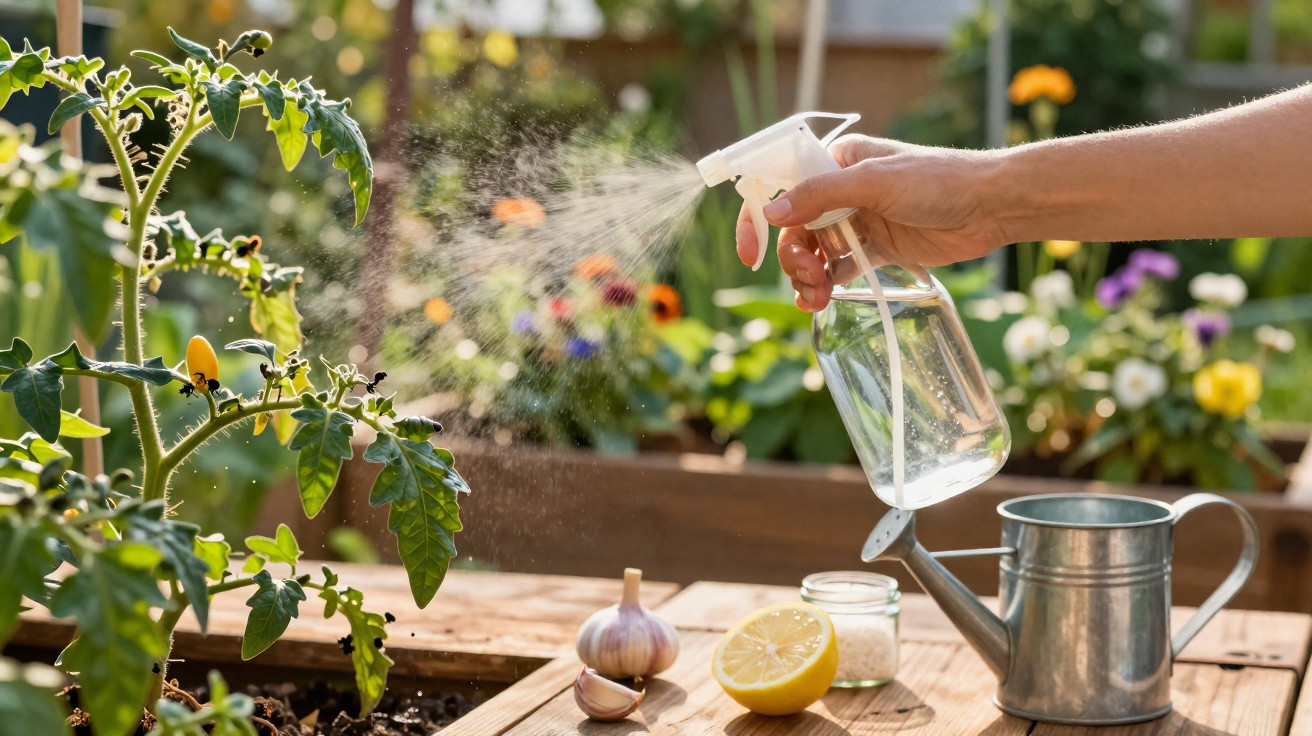
Aphids, scale insects and whiteflies are common visitors in many home gardens, particularly during warmer, drier spells. If they are left unchecked, these pests can sap a plant’s strength, slow the growth of leaves and flowers, and even ruin entire harvests in small kitchen gardens. That is why more people are looking for straightforward, low-cost options that rely on fewer chemical products.
What is a natural plant repellent and how does it work?
A natural plant repellent is a blend of plant-based or mineral ingredients designed to deter insects, make feeding harder, or create conditions that are less inviting for them to settle. Typically, it relies on substances with strong smells, flavours insects dislike, or mild detergent-like properties that disrupt the protective outer layer of aphids, scale insects and whiteflies.
Unlike some synthetic pesticides, these mixes usually do not deliver instant results. Instead, they are best used preventatively and on an ongoing basis. The main aim is to bring infestation levels down, stop problems spreading, and help maintain balance in the garden-especially when paired with proper watering, pruning heavily affected parts, and choosing more resilient plant varieties.
How to make a natural repellent using ingredients from the kitchen?
Many kitchens already contain items that can be turned into simple repellents, as long as the proportions are correct. Common examples include garlic, mild washing-up liquid, white vinegar and chilli, which can work well against aphids, scale insects and whiteflies when applied regularly.
Before mixing any recipe, it helps to confirm which pest you are dealing with and to consider the plant’s size and sensitivity, as very delicate species can react even to mild solutions. Below are practical options many gardeners use as part of their routine:
- Garlic and mild washing-up liquid repellent: finely chop 3 to 4 garlic cloves, leave them in 1 litre of water for 12 to 24 hours, strain, add 1 teaspoon of mild washing-up liquid, and apply using a spray bottle.
- Chilli and garlic repellent: blend 1 tablespoon of dedo-de-moça chilli with 3 garlic cloves and 500 ml of water, strain, top up to 1 litre, and use only on tougher, more robust plants.
- Mild washing-up liquid solution: mix 1 teaspoon of mild washing-up liquid into 1 litre of water, spray directly onto the pests, then rinse off after 15 to 20 minutes.
How to apply natural plant repellent without harming plants?
To use these mixes more safely, check the plant’s overall condition beforehand. Leaves that are sun-scorched, badly wilted, or already weakened are more likely to respond poorly to any product, even one made from everyday kitchen ingredients.
A few simple precautions reduce the risk of damage: apply early in the morning or later in the afternoon; avoid strong sunshine immediately after spraying; always test on a small number of leaves and wait 24 hours; adjust how often you treat in intervals of 3 to 7 days; and, whenever possible, support your approach by manually cleaning or removing the most heavily infested areas.
Which growing practices help prevent garden pests?
Beyond homemade recipes, prevention depends on a set of habits that makes the space less appealing to aphids, scale insects and whiteflies. Improving airflow between plants, avoiding waterlogging, and not overdoing nitrogen-rich fertiliser are straightforward measures that pay off over time.
Another useful approach is to grow a mix of plants that attract natural enemies of these pests, such as ladybirds and certain beneficial wasps, helping to build a balanced mini-ecosystem in a back garden or on a balcony. In that context, natural plant repellent acts as one tool within broader care, rather than the only way to protect the garden.


Comments
No comments yet. Be the first to comment!
Leave a Comment