
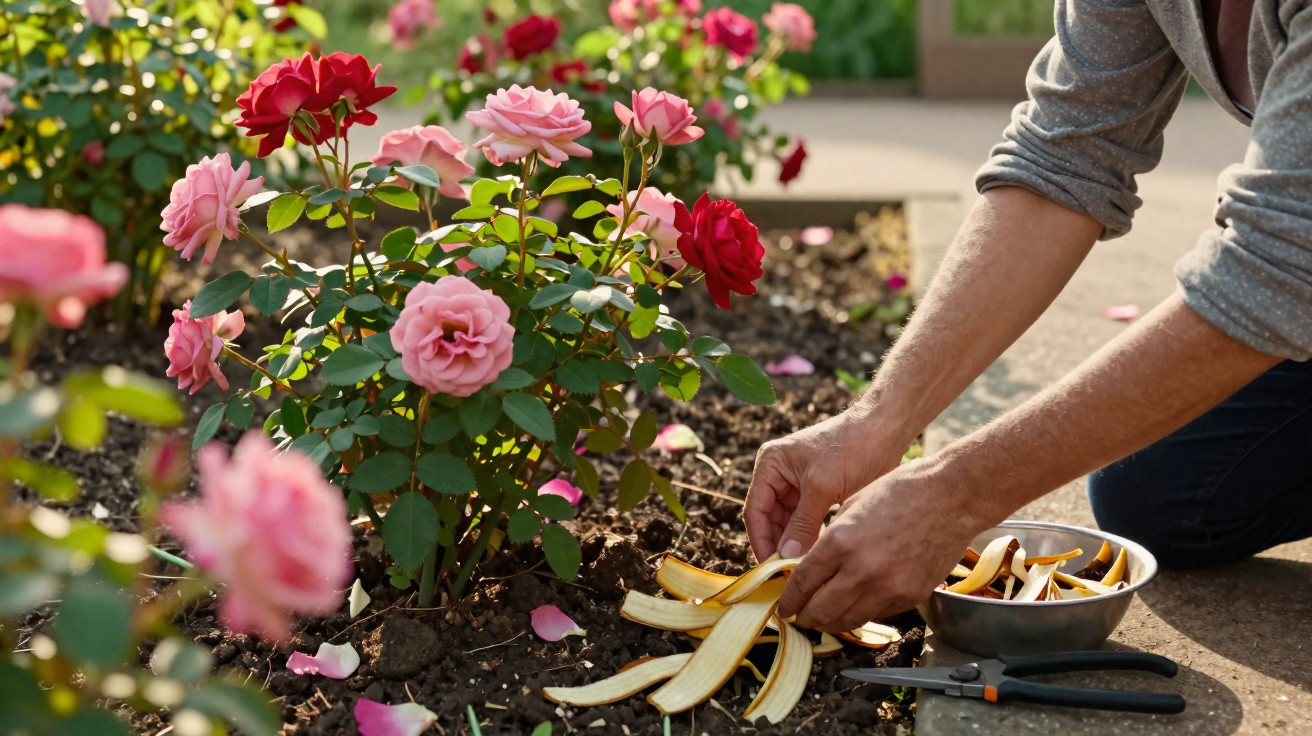
When people think about their roses in spring, pruning, a watering can and perhaps a bag of specialist fertiliser from the garden centre usually come to mind. Few realise that an ordinary kitchen leftover can strongly encourage flower production – and continue doing so for months. This is where an old gardening trick, used by earlier generations, comes into play.
Why roses need a spring boost now
Rose plants emerge from winter dormancy in spring. This period determines whether they develop into vigorous flowering plants or simply grow half-heartedly throughout the summer. Gardening associations therefore advise taking action in good time.
The focus is on three areas: pruning, soil preparation and a gentle yet targeted nutrient feed. Combining these measures lays the foundations for a long flowering period, strong shoots and resilient plants that do not falter whenever the weather changes.
“Roses given the right start in spring often reward you with continuous flowers well into autumn.”
Pruning roses correctly: the starting point for new flowers
In many areas, the best time to prune is when forsythia comes into flower. By then, the worst frosts have usually passed and the roses will soon begin growing again.
How to prune effectively
- Remove dead wood: Cut back every discoloured, dried-out or softened shoot to healthy wood.
- Cut away crossing branches: Remove shoots that touch or rub against one another to prevent damage and fungal disease.
- Open up the shrub: Thin the centre so that air and light can reach every part of the plant.
- Cut above an outward-facing bud: This ensures that the new shoot grows away from the centre rather than inwards.
Pruning directs the rose’s energy into fewer but stronger shoots. As a result, it produces larger and more numerous buds. Leaves and branches also dry more quickly after rain, helping to slow the spread of fungal diseases.
Healthy soil, strong roses: where it all begins
Once pruning is complete, turn your attention to the soil. In gardens, many roses struggle with compacted ground, waterlogging or depleted nutrient reserves. A few simple steps can greatly improve the growing conditions.
First aid for rose beds
- Gently loosen the top layer of soil without damaging the roots.
- Work in mature compost or an organic fertiliser – never fresh, hot garden waste.
- Carefully loosen compacted areas deeply with a garden fork rather than digging them over.
- Apply a thin mulch layer of lawn clippings or shredded prunings once the soil has warmed up.
This creates a loose, airy growing medium that retains water while still drying well. These are ideal conditions for the secret kitchen helper to work directly around the roots.
The overlooked star: why roses like banana peels
Gardeners used household leftovers long before colourful fertiliser pellets existed. One of the most useful was the banana peel. Many people automatically throw it into the bin or food-waste caddy, yet in the garden it is a quiet but highly effective source of nutrients.
Banana peels contain high levels of potassium. This nutrient supports:
- the formation and stability of flower buds,
- the strength of shoots,
- resistance to drought stress,
- the plant’s overall vitality.
As the peel decomposes, it also releases calcium and magnesium. These minerals reinforce cell walls and can help roses cope better with fungal diseases such as powdery mildew or black spot. The effect is similar to a mild, natural tonic working directly in the root zone.
“Used properly, banana peels become a free rose fertiliser that supports flowering and plant health without harming the environment.”
How to use banana peels on your roses
Simply placing banana peels on top of the soil achieves little and is more likely to attract slugs or, in the worst case, rodents. A small amount of preparation makes them much more effective.
Step-by-step guide
- Cut up the peel: Use a knife or scissors to divide it into pieces measuring one to two centimetres. Smaller pieces break down faster.
- Bury them shallowly: Spread the pieces in the soil around the rose at a depth of about five centimetres. Do not place them directly against the stem; instead, position them where the fine roots grow.
- Keep to a cycle: Repeat this process every three weeks from March to September. This provides the rose with a steady supply during the growing season.
- Water lightly: After adding the pieces, water moderately. Moisture encourages decomposition and therefore nutrient release.
The nutrients reach the area where the plant needs them: directly around the root tips. Over time, this forms a kind of reserve that breaks down slowly and supplies the rose with potassium, calcium and magnesium for weeks.
How much is useful? Signs of excess and deficiency
Even natural aids can be overused. Too much organic material in the soil can alter its reaction over the long term and upset the nutrient balance.
A few rules of thumb are helpful:
- Work in no more than one or two peels per month for each medium-sized rose bush.
- Use less on very heavy, clay-rich soils, as decomposition takes place more slowly.
- Check leaves regularly for discolouration – yellowish-green leaves combined with weak growth may indicate a nutrient imbalance.
If you also apply mineral fertiliser, reduce the quantity to avoid overfeeding the plants. Roses respond well to good nutrition, but they do not appreciate “full board plus dessert” in excessive amounts.
Which roses benefit most from this kitchen helper?
In general, almost all garden roses tolerate banana peels, provided that the soil is loose and well drained. The greatest benefits are seen with:
- floribunda roses, which need to keep producing fresh flowers for months,
- climbing roses, which develop long shoots and plenty of buds,
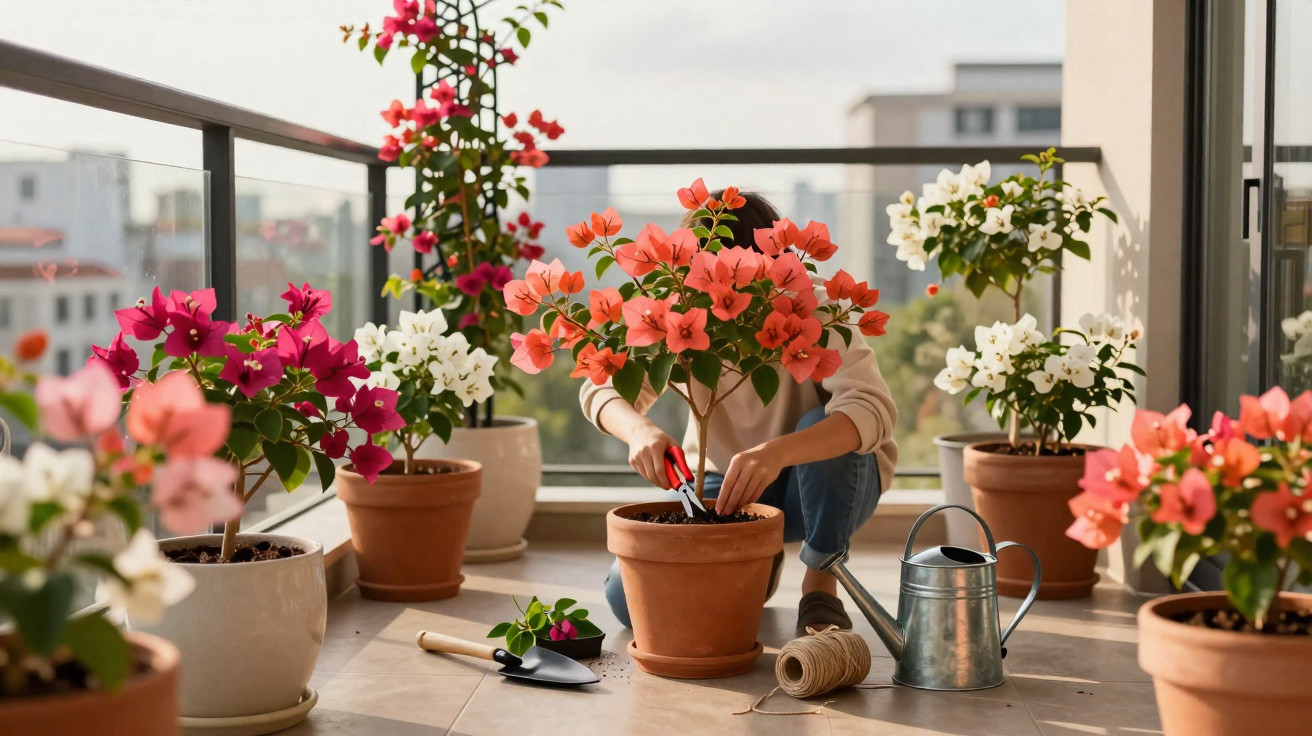
- container roses on balconies and patios, where nutrient reserves in the pot are limited.
For newly planted roses, it is worth waiting a few weeks before starting the peel treatment, once the roots are properly established. In very small pots, you can instead make a mild liquid infusion from chopped peels and water, which can be applied more sparingly.
Risks, limitations and useful combinations
Banana peels alone cannot provide complete nutrition for roses. Nitrogen and phosphorus remain relatively scarce, so the peel should be used as a supplement rather than the sole treatment.
Useful combinations include:
- Mature compost as a basic feed, with banana peel added for potassium.
- A thin layer of bark mulch to retain moisture, while using the peels in the soil beneath it.
- A targeted application of organic rose fertiliser in spring, followed by additional support from kitchen leftovers only.
Anyone using more organic material should keep an eye out for slugs. The soil remains moist for longer, which suits them well. Regular inspections of the bed and, where needed, slug barriers around young plants can help prevent damage.
Practical everyday advice for rose lovers with little time
You do not need to become a full-time gardener to use this trick. If you eat bananas regularly, collect the peels, quickly chop them with a knife and keep them in a small container in the fridge until your next gardening session.
A simple routine might look like this: once a month on a fixed day – perhaps the first Saturday – briefly check the roses, remove faded blooms, loosen the surrounding soil and bury the prepared peel pieces. It takes only a few minutes per plant, but creates a noticeable effect over several months.
An unremarkable kitchen leftover can therefore become something like a standing subscription for strong buds and a long flowering season. When you bring dense, fragrant bunches of roses indoors in high summer, you will soon see what such a seemingly worthless peel can really do.


Comments
No comments yet. Be the first to comment!
Leave a Comment