
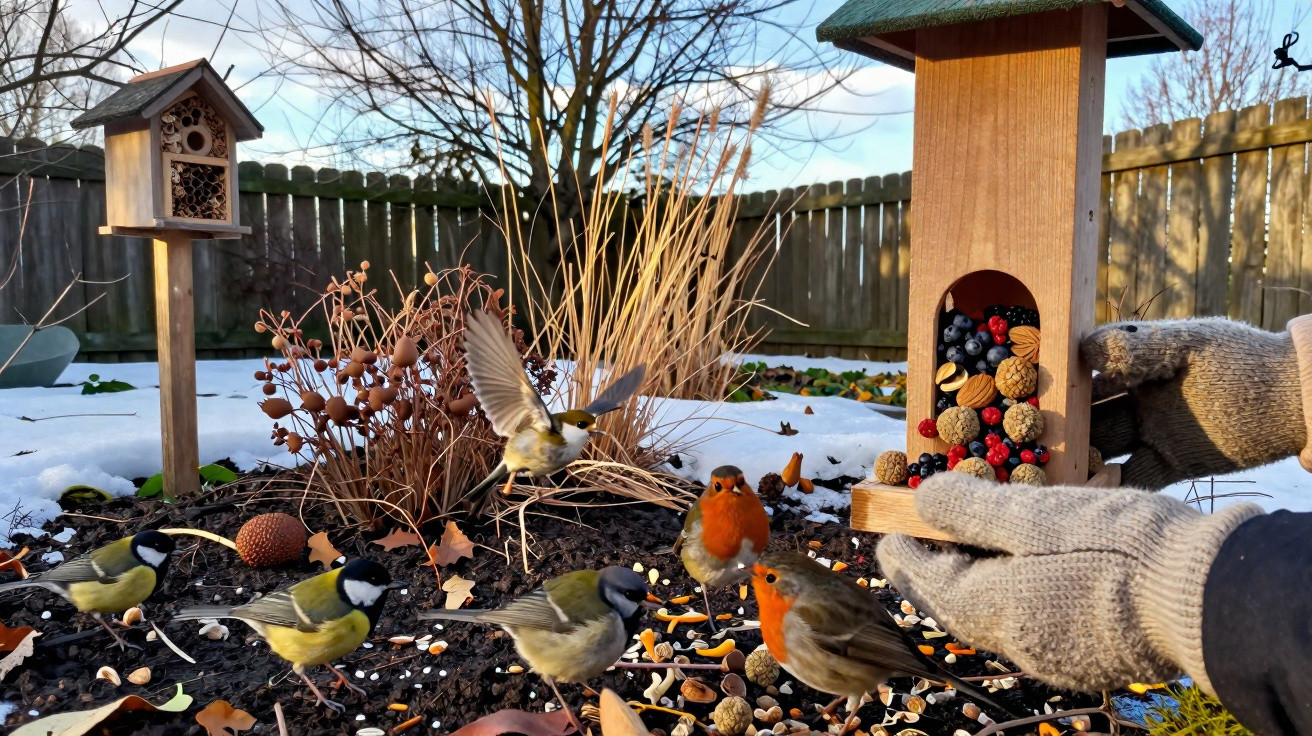
As winter gradually eases, many people in Central Europe make a crucial mistake when feeding birds – Nordic gardeners take a different approach.
Although Scandinavian winters are far harsher, garden birds there do not become dependent on feeders in large numbers. The reason is a clear strategy: people assist wildlife for only a limited period, after which birds must manage for themselves again. This same approach can make a real difference in German gardens, protecting tits, robins and other birds without weakening their natural instincts.
The Nordic approach: allowing closeness while keeping distance
Nordic countries follow one basic principle: wild animals must remain wild. Helping them is acceptable; taking over is not. Anyone who feeds birds intervenes only temporarily and recognises that this support needs a definite end point.
Many people in this country treat garden birds almost like pets. Feeders are kept topped up continuously, often well into spring. The intention is kind, but it can easily cause birds to lose their independence.
Nordic garden owners support birds, but they also plan for their independence.
Scandinavian gardens typically place the emphasis elsewhere. Rather than relying solely on shop-bought feeders, many people deliberately create a thriving habitat. This includes:
- dense native hedges that bear berries
- dead wood left in place as a haven for insects
- wild corners with leaves, nettles and long grass
There, the feeding station is simply one winter element rather than the centre of the whole system. Birds therefore still have to find their way around beyond the feeder.
When support goes too far: how feeders can become a trap
Heavy feeding over many weeks can noticeably alter birds’ behaviour. They are opportunists, so they choose the easiest available route to food. If a fully stocked feeder is always hanging in the garden, there is little reason to search tree bark, shrubs or leaf litter thoroughly.
This creates several problems:
- Health risk: Where many birds gather in close proximity every day, pathogens spread much faster.
- Changed migration behaviour: Some species may forgo migration when food remains easily available throughout winter.
- Unbalanced diet: Commercial seed mixes alone cannot replace insects, berries and other natural foods.
A permanent “seed diet” puts strain on the body. Fat-based mixes and sunflower seeds provide plenty of calories, but they do not supply every nutrient birds need for a resilient immune system and successful breeding.
The quiet turning point: what happens in birds’ bodies in February
Anyone wishing to follow the Nordic method needs to know when to change course. Cold weather can be misleading: while we may still be shivering in early February, many bird species are already experiencing a form of internal spring.
Light is the decisive factor. As days lengthen, the photoperiod increases. This extra daylight triggers hormonal changes in the birds’ bodies.
The results are:
- Males sing more intensely and begin marking out territories.
- Pairs form or renew their bonds.
- Metabolism increasingly prepares for the coming breeding season.
Birds now need more than fat to protect them from the cold; they require higher-quality food for muscles, organs and, later, egg production. Fat blocks and highly calorific mixes are becoming less suitable.
Anyone who continues feeding in late winter as they did in January is directly interfering with the birds’ biological planning.
This hormonal turning point is precisely where Nordic gardeners begin: support does not stop abruptly, but moves into a controlled withdrawal.
Gradual withdrawal: how to reduce feeding step by step
The heart of the Nordic strategy is to reduce the food supply slowly but consistently after February. Birds should turn their attention back to natural food sources without suddenly finding empty trays from one day to the next.
In practice: from an all-day buffet to emergency provision
One possible approach is as follows:
- Feed regularly until the end of January, particularly during frost and snow.
- From early to mid-February, introduce breaks: miss individual days at first, then extend this to two or three days.
- Reduce the quantity added at each refill instead of filling the feeder to the brim.
- By late February, provide extra food only briefly during a genuine cold snap.
This pattern encourages birds to resume their usual foraging routes in the surrounding area. They realise that the garden “snack bar” is no longer open at all times and increasingly turn to insects, buds and seeds in nature.
In doing so, the birds exercise their memory, orientation and hunting behaviour. This benefits them later when they must feed a brood of hungry young, which primarily need protein-rich insects rather than sunflower seeds.
A change of menu: why food quality should also alter
Alongside reducing the amount of food, the Nordic method also changes what is offered. At the height of winter, fat and energy matter most. From February onwards, the need for pure calorie-dense food falls considerably.
This means:
- Phase out fat blocks and highly fatty fat balls gradually.
- Offer remaining supplies only during severe frost.
- Choose lighter seed mixes without an excessively high fat content.
Old bread or cake leftovers have no place at a feeding station at any time. They provide barely any useful nutrition, swell in the crop and may cause digestive problems.
With nature in mind, the feeder should gradually become less attractive while food availability outdoors slowly increases.
As artificial food is withdrawn, tree bark, leaf litter and shrubs become more appealing again. The first flies, midges and beetles emerge from winter dormancy, while larvae in the soil and dead wood become active – exactly what birds need at this stage.
The garden as a partner: habitat rather than a permanent canteen
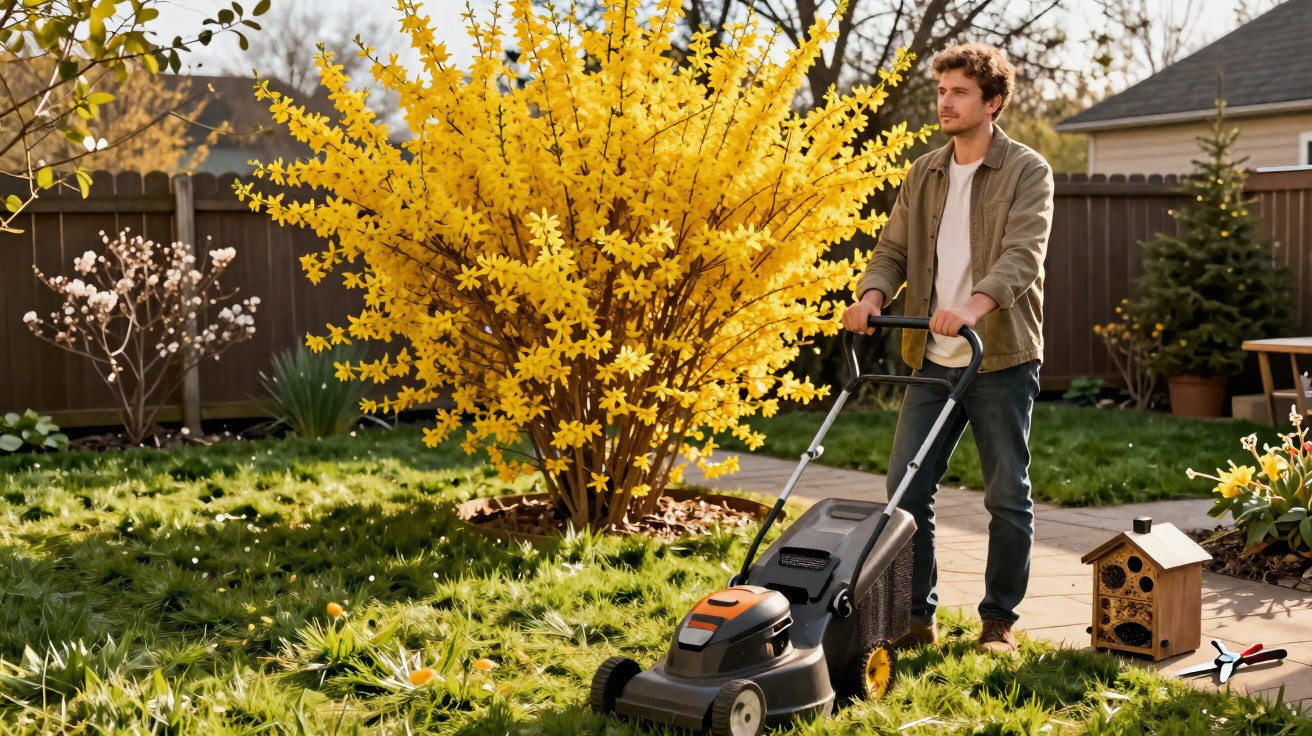
The Nordic method does not end at the feeder. Those who want to strengthen birds in the long term should shape their garden to provide as many natural resources as possible. The human role shifts from food provider to habitat creator.
What really makes birds stronger in spring
The most valuable features are structures that provide food and shelter over the long term:
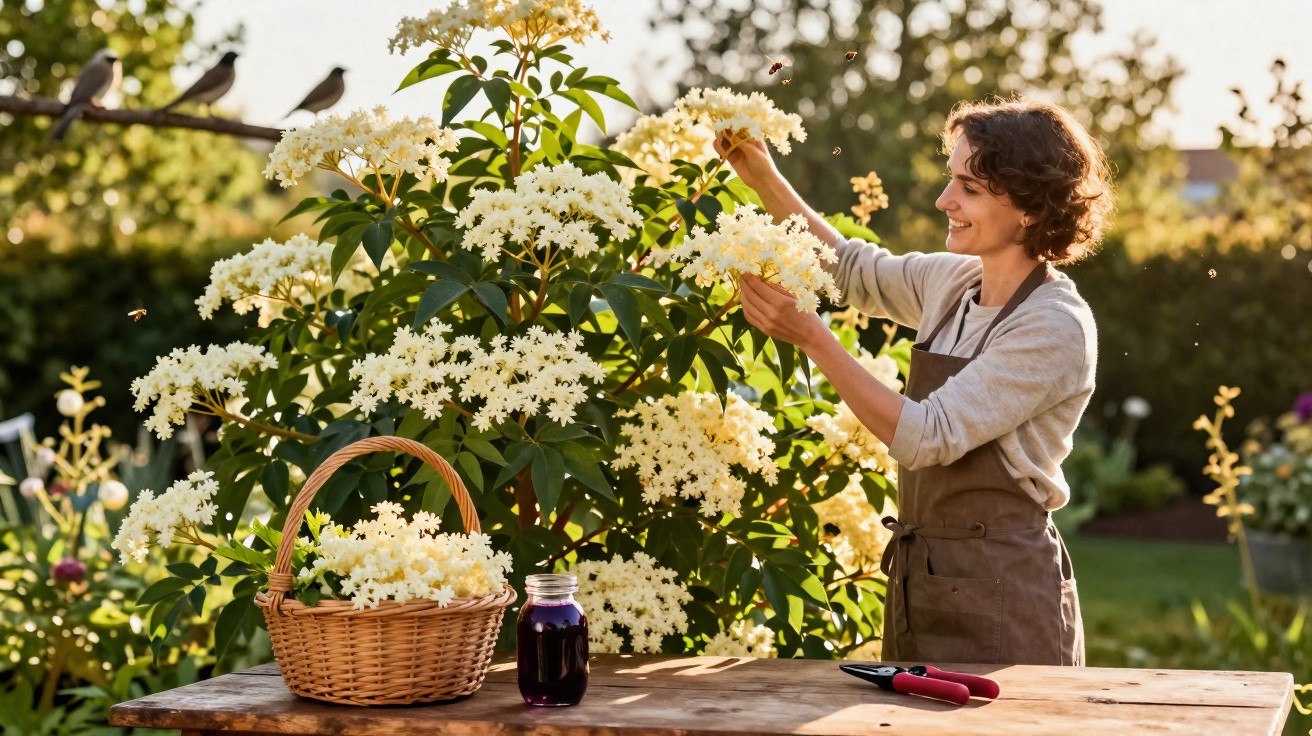
- Native shrubs such as elder, blackthorn, hawthorn and hazel
- Old fruit trees, whose bark contains many insect hiding places
- Piles of leaves and dead wood for beetles, spiders and larvae
- Wild areas that are not constantly mown or raked
The time for nesting sites also begins now. Putting up or cleaning nest boxes supports birds far more effectively than providing ever more food. Suitable entrance holes, a dry interior and a sheltered position out of a cat’s reach are important.
Water is another essential element. A shallow dish of fresh water, cleaned regularly, helps birds drink and bathe. It does not create dependency, but it makes a direct contribution to their health, as well-maintained plumage insulates better and makes flight easier.
Why this strategy genuinely makes birds more resilient
The Nordic approach strengthens birds on several levels. It keeps their instincts alert, lowers disease risks at feeding stations and prevents weak genes from multiplying unnaturally strongly simply because birds are fed throughout winter.
Other groups of species benefit too, including insects, spiders and small mammals. Those who feed less and create more habitat support an entire web of relationships in the garden. Birds are no longer merely fed; they become part of a more resilient, diverse system.
For garden owners, this may mean seeing slightly less crowding at the feeder, but observing more natural behaviour in return – hunting flights, foraging rounds, territorial song and adults feeding their young. That is the real appeal: not caring for birds as though they were guests at an all-inclusive hotel, but giving them the opportunity to be truly wild again.
Comments
No comments yet. Be the first to comment!
Leave a Comment