
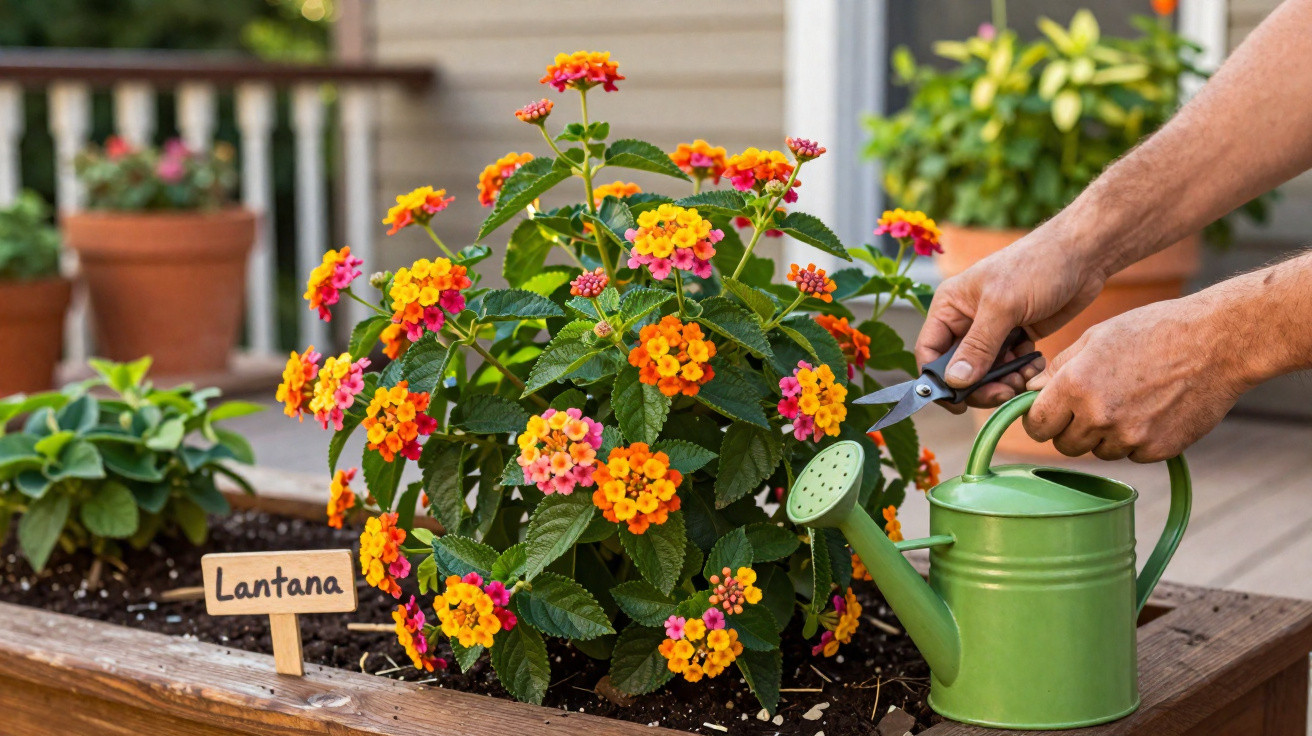
Many amateur gardeners mentally write off the gardening season in autumn: perennials die back, container plants look forlorn, and the balcony suddenly feels bare. Yet one flowering plant keeps going for almost the entire year, copes with heat and even performs in poor soil – although this species is still largely overlooked in the UK.
A little-known long-flowering plant: the story behind lantana
The plant in question is lantana, also known as shrub verbena. Botanically, it is a small woody shrub originating in tropical areas of the Americas and Africa. In the UK, it is generally grown in containers or planted as a seasonal flowering plant in borders.
Lantana is recognised by its rounded flower heads. Numerous tiny blooms grow closely together, creating the appearance of a small, brightly coloured ball. Even more interestingly, the flowers can change colour as they age. Yellow, orange, pink and purple may therefore appear on the same plant at once – and sometimes even within one flower head.
“Lantana resembles a living firework display of colour, constantly rearranging itself throughout the season.”
The flowers contain plenty of nectar. Butterflies, honey bees and solitary bees can use them as a valuable food source, particularly when other plants are between flowering periods. Once flowering has finished, small berries develop, which in turn attract birds.
Why lantana can transform a garden
Lantana’s greatest strength is its exceptionally long flowering season. In mild-climate areas, it can produce flowers for nearly the whole year. Across Germany, Austria and Switzerland, it flowers mainly from spring until late autumn – considerably longer than many traditional bedding plants.
While other species suffer in the height of summer or run out of energy in autumn, shrub verbena simply continues to flower. As a result, the garden remains lively not only during the main growing season, but also during the periods either side of it.
“Anyone stepping on to the balcony on a grey day and still seeing colour soon realises how strongly plants can affect the mood.”
Lantana is also considered highly resilient. Once established, it copes surprisingly well with dry conditions. It does not require rich, pampered soil and will tolerate lean, sandy ground, provided that excess water can drain away freely.
Location, soil and care: how to grow lantana step by step
Choosing the right spot: full sun is essential
Lantana thrives on warmth and light. A position in full sun is best: the more sun it receives, the more freely it will flower. It can manage in partial shade if necessary, but this usually means fewer flowers and a more straggly growth habit.
The soil or growing medium should be loose and free-draining. The plant does not cope well with waterlogged conditions. Heavy clay soil can be improved with sand or fine grit so that surplus water drains away more quickly.
Watering and feeding: less is often more
After planting, lantana needs regular watering at first so that its roots can establish properly. During the first three to four weeks, do not allow the root ball to dry out completely. Afterwards, the surface of the compost can be allowed to dry between waterings.
For container-grown plants, a pot holding around 7 to 10 litres per plant is suitable. This gives the roots enough room while helping to prevent the compost from drying out too rapidly. In borders, leave 50 to 100 centimetres between plants, depending on the variety and its expected height.
- Watering: water regularly while the plant establishes; later, water only when the soil is clearly dry.
- Fertiliser: from spring until late summer, add a liquid fertiliser for flowering plants to the watering can every two to three weeks.
- Growing medium: use good-quality container compost mixed with a little sand or expanded clay pellets to improve drainage.
Pruning and propagation: keeping lantana in shape
Lantana grows quickly. Without pruning, the shrub can soon become untidy and may crowd out neighbouring plants. Cutting it back in spring encourages compact growth and a strong display of flowers. It can also be lightly trimmed into shape at any point after a particularly vigorous spell of growth.
Anyone who takes a liking to the plant can propagate it very easily from cuttings. Semi-ripe shoots taken in spring are ideal:
- Cut shoot tips measuring 8 to 12 centimetres long.
- Remove the lower leaves, leaving only one small pair of leaves at the top.
- Insert the cuttings into a pot filled with loose, sandy compost.
- Keep them lightly moist and place them somewhere bright and warm.
In many cases, roots form within a few weeks. One purchased plant can therefore soon become a small collection for the balcony, patio or front garden.
Risks and limitations: what gardeners should consider
Attractive as lantana is, there are a few issues that require care. First, the shrub can grow very vigorously. In small borders or narrow pots, it may overpower less robust neighbouring plants. Regular pruning prevents this while also encouraging more flowers.
Second, parts of the plant are regarded as toxic, particularly to pets such as dogs, cats and small animals. Children should not put its leaves or berries into their mouths either. In a family garden, lantana is best positioned out of reach, or planted somewhere that small hands cannot easily access.
“Always admire lantana’s appearance – but do not mistake it for a snack for children or pets.”
Third, lantana can spread outdoors in areas with very mild winters and displace native flora. In Central Europe, this is generally relevant only in particularly warm locations, such as sheltered gardens close to towns and cities. Gardeners in such places should remove unwanted young plants promptly.
Using lantana effectively in the garden and on the balcony
This plant offers far more than the standard patio pot. With a few thoughtful ideas, it can become a real focal point while also providing for bees and butterflies.
- Window box or container: one or two medium-sized pots of lantana provide lasting colour and attract insects without requiring hours of daily maintenance.
- Flowering hedge: several plants arranged in staggered positions can create a loose, flowering boundary. This looks particularly effective beside paths or in front of a fence.
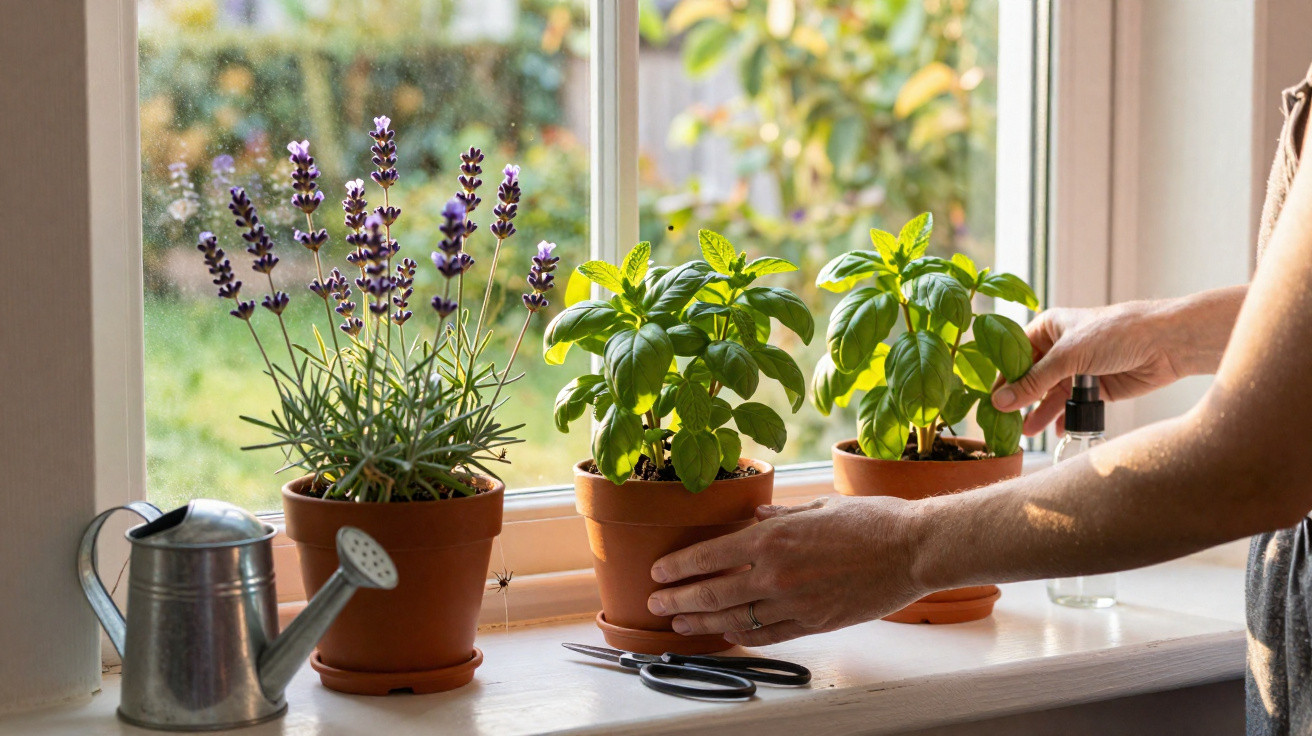
- Mediterranean-style border: combine lantana with lavender, sage, scented pelargoniums or rosemary for a holiday-garden feel. Their contrasting leaf textures and fragrances work particularly well together.
- Nectar corner: gardeners wishing to support butterflies deliberately can group several lantana shrubs with other nectar-rich plants. This creates a small buffet even during periods when few other flowers are available.
Practical advice for winter and overwintering
Lantana is not reliably hardy in Central Europe. In most areas, plants left outdoors will be killed by frost. Anyone wishing to keep it for several years should grow it in a container and bring it inside in good time during autumn.
A bright, cool space at around 5 to 10 degrees Celsius is suitable, such as a frost-free stairwell or conservatory. Water only sparingly during winter to stop the roots from rotting. In spring, gradually increase watering and begin feeding again before moving the plant back outside.
Those without space for overwintering can simply treat lantana as an exceptionally long-flowering seasonal plant. Even then, it is worth buying: its abundance of flowers from spring through to late autumn greatly exceeds that of many conventional summer bedding plants.
Why this little-known flowering plant is especially worthwhile
For many people, appearance is no longer the only consideration; benefits for wildlife matter too. Lantana combines both in an unusual way: it remains attractive for weeks while supplying nectar for insects and berries for certain bird species.
Its easy-care nature is another advantage. Anyone who does not want to be out with a watering can every day but still wants a lively, colourful balcony will find this species an excellent choice. At a time of increasingly hot summers, a drought-tolerant long-flowering plant is more than just a pleasant extra.
If you are unsure, begin with a single pot on the balcony. This makes it easy to observe its light requirements, water use and growth habit. If the result appeals, take cuttings and gradually plant further areas of the garden with this long-flowering plant.


Comments
No comments yet. Be the first to comment!
Leave a Comment