
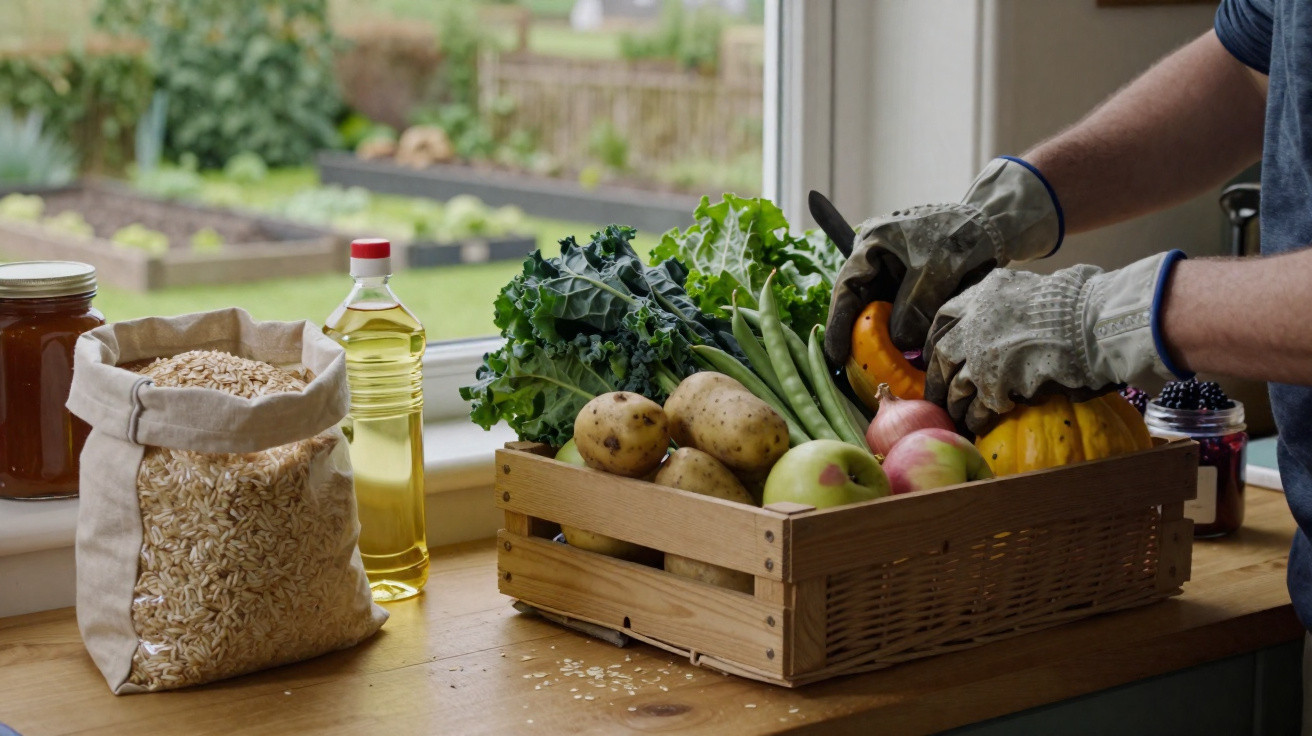
A monthly food shop of around €50 sounds extraordinary, and it is not a figure most households in the UK could expect to reproduce. It is a personal account, not a benchmark: the real cost of producing food can include seeds, compost, tools, fuel, storage, repairs and many hours of work.
The useful idea is simpler. Growing a few reliable crops, using seasonal produce well and preserving a manageable surplus can reduce the number of fresh items on the weekly list. The core trick is to grow food your household already eats, rather than chasing total self-sufficiency.
A small supermarket bill does not necessarily mean a low cost of living. The garden, home and transport still need a realistic budget.
What a productive garden can realistically replace
A well-planned vegetable patch can provide more than occasional salad leaves. In much of the UK, potatoes, beans, kale, chard, beetroot, leeks, onions, courgettes and winter squash can make a worthwhile contribution when the soil and season suit them.
The biggest savings tend to come from foods bought repeatedly in small quantities:
- herbs and salad leaves from spring to autumn;
- peas, runner beans and French beans in summer;
- tomatoes, cucumbers and peppers grown under cover;
- kale, chard, cabbage and leeks in cooler months;
- potatoes, onions and squash stored for autumn and winter.
Perennial crops can also earn their space. Rhubarb, currants, gooseberries, raspberries and herbs such as chives, thyme and rosemary need some patience at first, but can provide food over several seasons.
A garden will not usually replace staples such as flour, rice, pasta, cooking oil, tea, coffee or salt. That is not a failure. A practical aim is to reduce purchases of selected fresh foods while continuing to buy the basics that make home cooking possible.
Begin with an honest household budget
Before building raised beds, buying a greenhouse or keeping animals, track what your household buys and eats for four weeks. This makes it easier to spot where growing food could genuinely help.
Divide spending into three simple groups:
- Staples: flour, oats, rice, pasta, pulses, oil, tea, coffee, salt and spices.
- Food to replace or supplement: vegetables, fruit, herbs, eggs, dairy, meat and fish.
- Growing and household costs: seeds, compost, netting, water, tools, electricity, transport and cleaning products.
Keep growing costs separate from the supermarket receipt. A packet of seeds may cost little, but a new polytunnel cover, a water butt or repeated car journeys to collect supplies can quickly change the calculation.
A sensible first-season plan
- Pick three or four crops you buy often.
- Choose varieties suited to your plot, containers and local weather.
- Sow or plant in stages where possible, rather than harvesting everything at once.
- Set a weekly plan for using fresh produce before it spoils.
- Preserve one type of surplus at first, then review what worked.
This approach is less exciting than filling every bed immediately, but it is more likely to save money and avoid waste.
Grow for your meals, not for photographs
A productive garden need not look like a show garden. Good soil, easy access, regular watering and a planting plan matter more than a perfect layout.
In wetter parts of the UK, improving drainage or using raised beds can help where soil remains cold and waterlogged in spring. In drier eastern areas, mulching and collecting rainwater may be more important. Exposed gardens may benefit from a hedge, fence or windbreak, but avoid creating deep shade over the growing area.
Give priority to crops that offer a good return for the space available. Herbs are particularly useful in small gardens and containers, as shop-bought bunches can be costly and are often only partly used. Climbing beans make efficient use of vertical space, while kale and chard can be picked gradually over a long period.
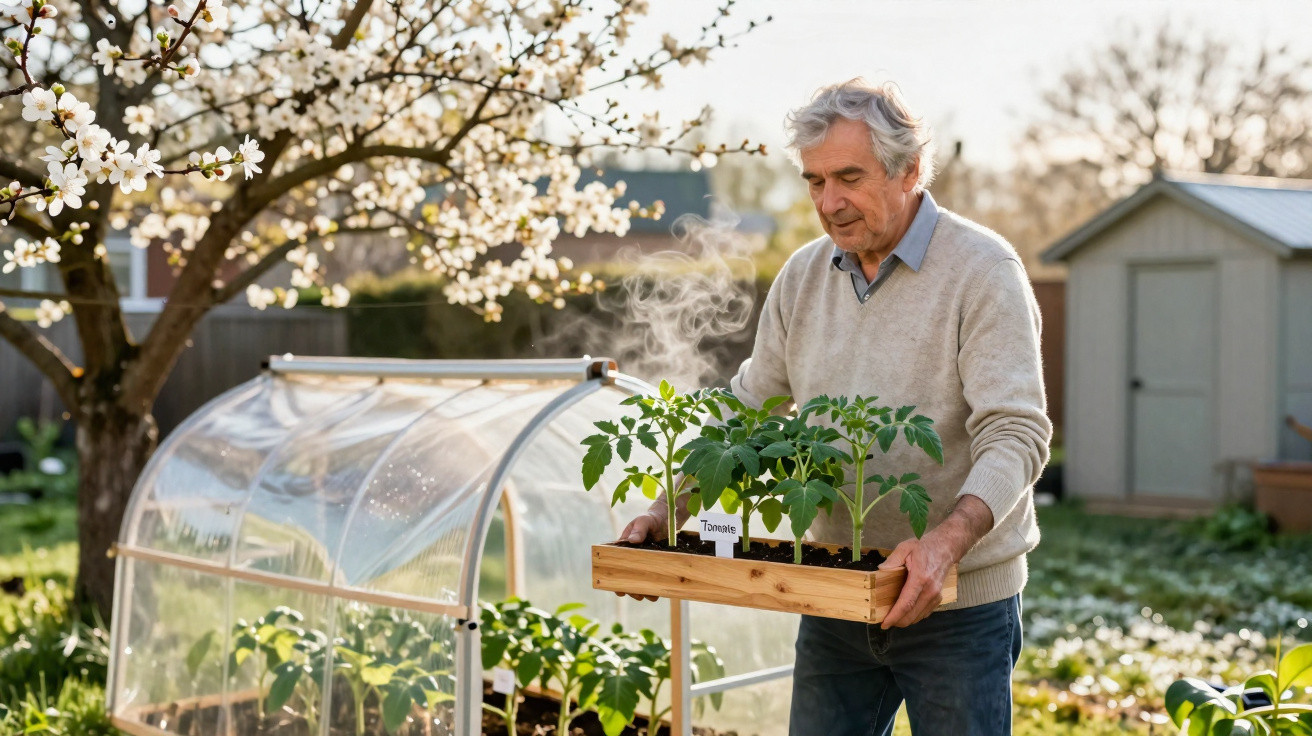
A cold frame, greenhouse or modest polytunnel is not essential, but it can make warm-season crops more reliable in many British gardens. It also brings costs: consider ventilation, watering, repairs and whether you will use it consistently before buying one.
The most economical crop is usually the one that grows well in your garden and regularly reaches your plate.
Make the harvest last safely
The difference between a pleasant summer harvest and a year-round contribution is storage. Courgettes may be abundant for a few weeks, while potatoes, onions and squash can last much longer in the right conditions.
Useful methods include:
- Freezing: freeze produce in meal-sized portions. Beans, peas and many greens benefit from brief blanching before freezing.
- Drying: herbs and apple slices can be dried when conditions are suitable, or in a dehydrator.
- Cool storage: keep potatoes, onions and cured squash in a cool, dark, frost-free place with good airflow.
- Pickling and chutneys: useful for beetroot, onions and excess fruit when made with tested recipes.
- Jam-making: a good use for berries and soft fruit, although the sugar content means it is best treated as a preserve rather than a substitute for fresh fruit.
Label all jars and freezer bags with the contents and date. A freezer can be useful for a large crop, but include its purchase price, electricity use and available space when assessing savings.
Take particular care with home preserving. Use tested recipes from recognised food-safety sources, follow their ingredient quantities and processing instructions exactly, and do not improvise with low-acid vegetables or meat. Discard food from damaged jars, leaking lids or swollen containers. Do not taste food that looks or smells questionable.
Foraging is an extra, not a food plan
Foraging can add variety to the table, but it is not a guaranteed source of food and needs care. Only gather where you have permission: land may be private, protected, managed for wildlife or treated with chemicals.
Avoid roadsides, industrial areas, heavily used dog-walking routes and places that may be contaminated. Take modest amounts, leave plenty for wildlife and avoid picking scarce plants.
Never eat a wild plant or mushroom unless you can identify it reliably from sound knowledge. Some poisonous species look very similar to edible ones, and apps or photographs are not enough for a safe identification. If there is any doubt, leave it.
Ripe blackberries are often an approachable starting point. Wild garlic is widely gathered, but it must be distinguished from toxic lookalikes; its leaves should have a clear garlic smell when gently crushed. Wash any wild food carefully before eating it.
Animals can add food - and sizeable costs
Hens and other livestock may suit some smallholdings, but they are not a quick route to cheap eggs, milk or meat. Animal welfare must come first, and costs continue throughout the year.
Feed, bedding, secure housing, fencing, veterinary care, transport, winter forage and emergency costs can easily outweigh the value of the food produced. Before taking on livestock, check the relevant registration, identification, movement and welfare requirements for your nation of the UK. Rules and disease-control measures can change, so official guidance should be checked before animals arrive.
Poultry need secure fox-proof housing and protection from other predators. Larger livestock need safe fencing, appropriate shelter and confident handling arrangements. For beginners, helping at a local farm, smallholding or community project is often a better first step than purchasing animals.
Common mistakes when trying to cut food costs
The appeal of self-sufficiency can lead to costly decisions. Common pitfalls include:
- Taking on too much space. A small, well-managed patch beats an overgrown acre.
- Buying equipment too early. Learn about the soil, drainage, shade and access first.
- Ignoring the hungry gap. Late winter and early spring often offer the least fresh produce in the UK.
- Growing only summer crops. Include winter vegetables and crops that store well.
- Forgetting transport. Rural living can mean higher fuel costs and fewer affordable shops nearby.
- Counting harvests but not inputs. Compost, water, netting, tools and replacement plants all matter.
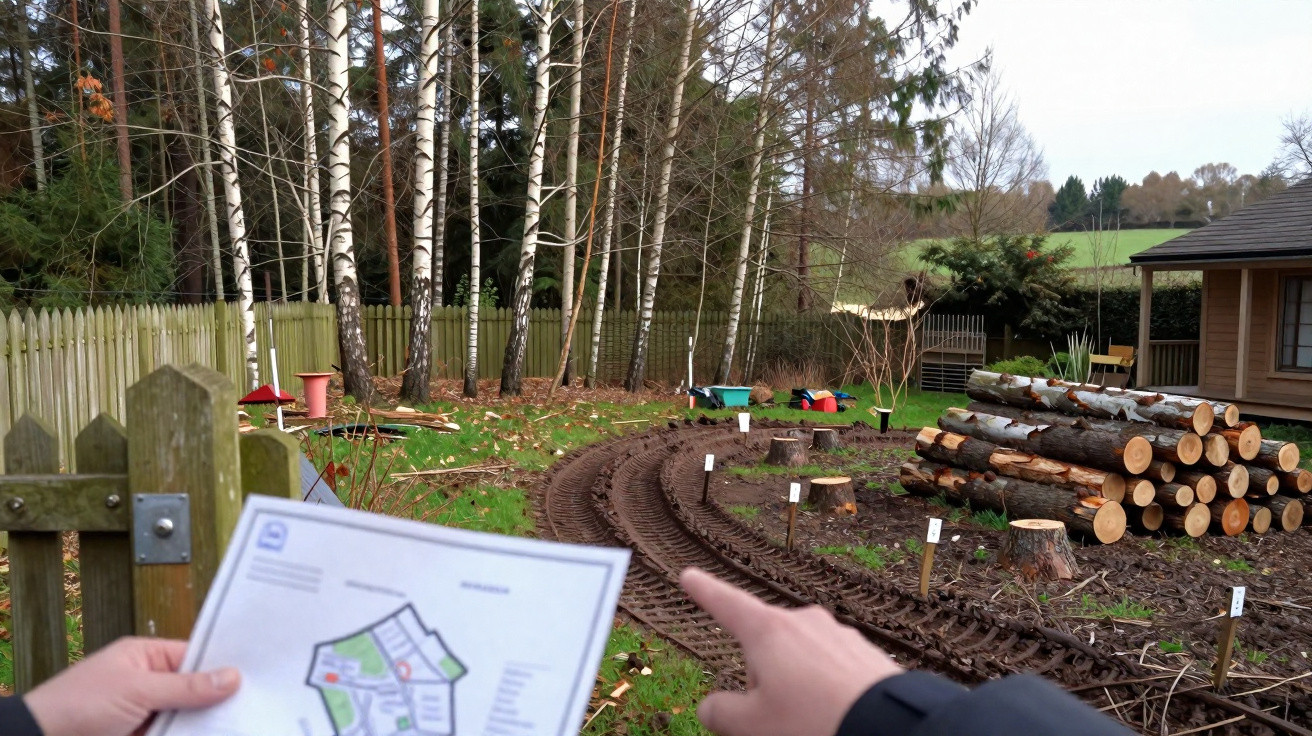
- Treating old property costs as an afterthought. Rural homes may need surveys, repairs and specialist trades.
Use pesticides, fertilisers and wood treatments only as directed on the label, and keep them away from children, pets, food stores and watercourses. Never mix cleaning chemicals: bleach must not be mixed with acids, ammonia or other cleaners.
A practical version for ordinary UK households
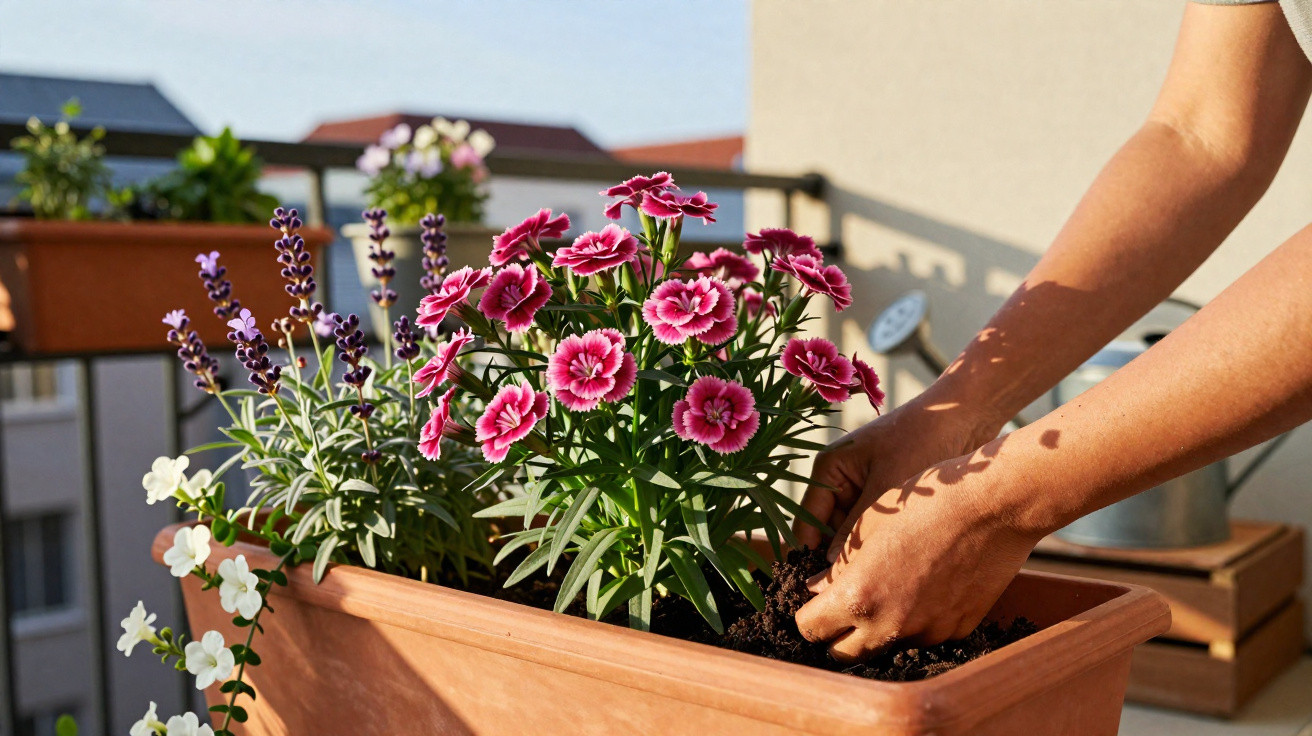
You do not need a remote cottage or a large plot to use the same principles. A terrace garden, allotment, balcony container or shared community garden can help replace a few regular purchases.
Start with herbs and salad leaves, then add one or two dependable crops such as climbing beans, kale, potatoes in bags or courgettes. Local allotment holders, seed swaps, community gardens and libraries can offer advice that is more useful than a generic planting chart, because they understand local soils and weather.
The aim is not an implausibly tiny shopping bill. It is a more resilient kitchen: food you enjoy growing, fewer wasted purchases, safe storage for the surplus and a realistic record of what everything costs. One well-used bed can be a useful beginning.



Comments
No comments yet. Be the first to comment!
Leave a Comment