
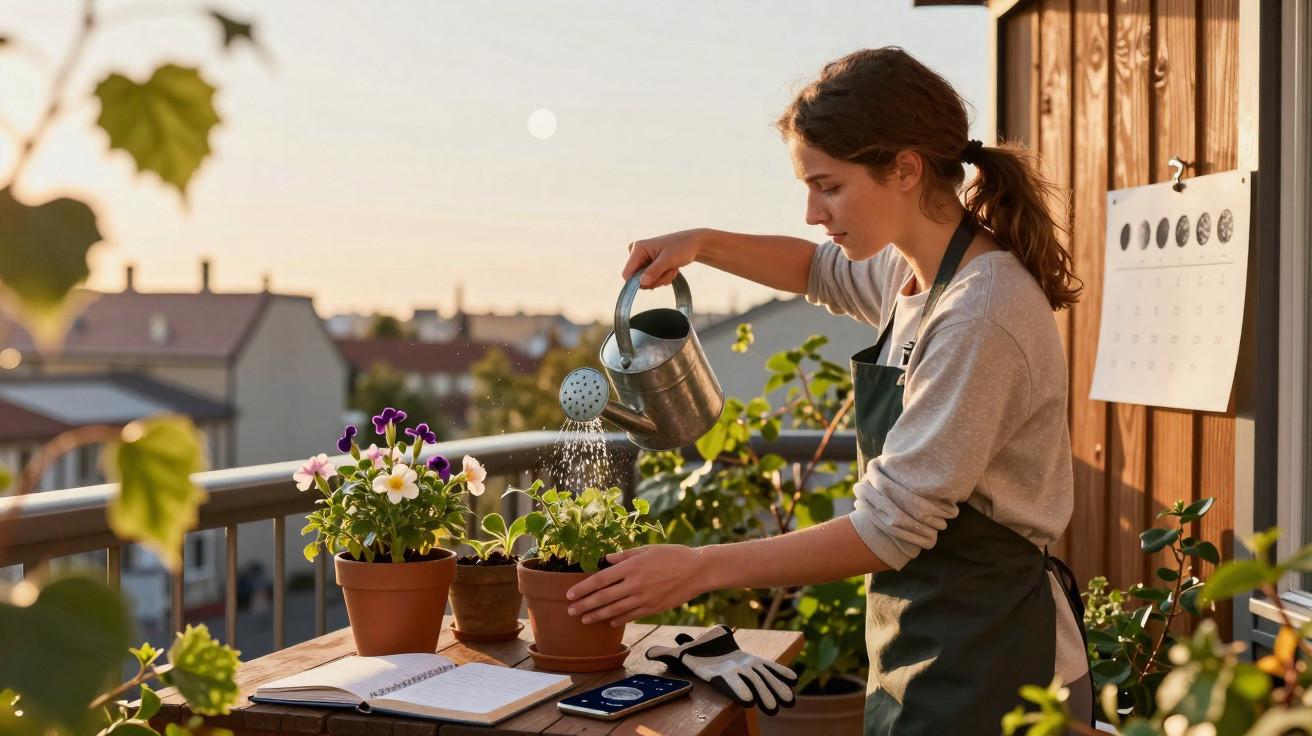
More home gardeners are saying that they schedule watering around the Moon, using a timetable that may sound mystical yet seems unexpectedly practical. Advocates insist that their carnations flower sooner, roses bloom for longer and peace lilies become less temperamental. Critics remain unconvinced. Yet both camps continue to discuss the practice.
What gardeners mean by “watering with the Moon”
The concept blends long-standing observation of the sky with today’s enthusiasm for houseplants. Rather than watering on set days each week, gardeners consult lunar phases and adapt their routines accordingly.
The Moon moves through its cycle in about 29.5 days, with four key phases: new, waxing, full and waning. Rural communities have traditionally used these stages to choose when to sow, prune grapevines or cut hay. Today, the same heritage features in city gardening groups and TikTok videos, where people monitor hydrangeas alongside their horoscopes.
In lunar gardening, the Moon acts less like a magic wand and more like a calendar that sets the rhythm for care.
The practice draws on older ideas of “lunar agriculture” and, for some people, biodynamic farming. In these approaches, growers may also consider planetary positions and seasonal patterns while arranging fieldwork.
How gardeners align watering with lunar phases
Although customs differ between countries and folklore traditions, most lunar-watering advice follows a broadly similar pattern based on the perceived movement of sap and moisture through soil.
New and waxing Moon: the growth window
Between the new Moon, first quarter and waxing gibbous stages, many guides describe plant energy as “rising” into the stems, foliage and buds. This belief shapes several watering practices:
- Ornamental flowers: Gardeners commonly give bedding plants, roses and flowering annuals a more generous watering.
- Foliage houseplants: Ferns, calatheas and monsteras are often given their principal thorough watering during this stage.
- Feeding and watering together: Some gardeners add liquid fertiliser to the water at this time, believing plants take it up more effectively.
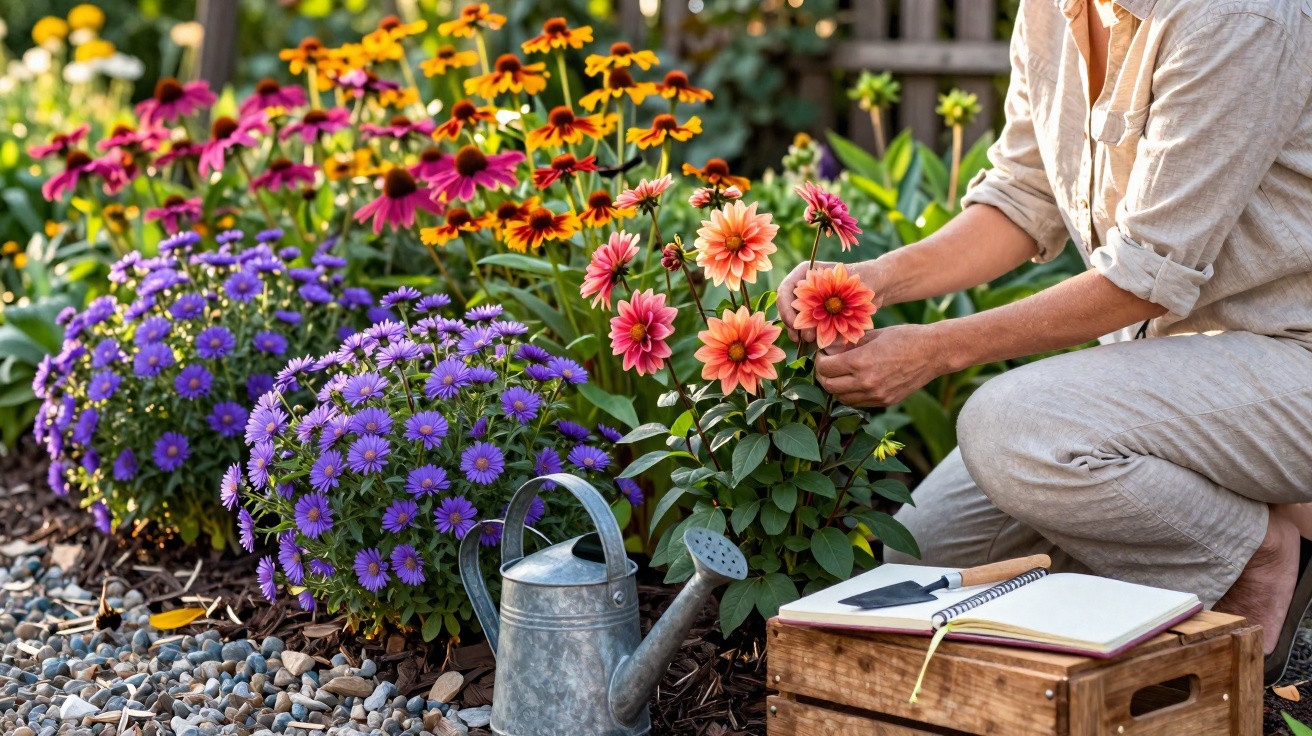
On social media, this section of the lunar cycle is frequently labelled “flower-boost week”. Gardeners post before-and-after pictures of geraniums and dahlias cared for according to the Moon chart attached to their fridge.
Full Moon: peak moisture and careful restraint
The full Moon has a particularly notable standing. It is seen as the high point of lunar influence and is often associated with tides and increased moisture movement.
Many lunar gardeners report that soil seems to remain a little wetter, or that they feel inclined to give plants one final deep drink before a calmer spell. Others advise against thoroughly soaking pots then, concerned that roots could become waterlogged.
For many followers, the full Moon is less a moment for big changes and more a check-in point: are plants thriving, stressed or just surviving?
This break encourages more careful inspection. Yellow leaves, fungus gnats and compacted compost can be noticed because the calendar has prompted the gardener to look closely that evening.
Waning Moon: maintenance, roots and restraint
As the Moon declines from full to new, folklore moves attention beneath the soil. The waning period is presented as favourable for roots, while above-ground growth is thought to slow slightly.
- Lighter watering: Many gardeners cut back the amount or regularity of watering, particularly for succulents and Mediterranean plants.
- Root care: People often repot, prune roots or inspect container drainage during this period.
- Moisture control: Rather than saturating the compost, they try to maintain just enough dampness to keep roots active.
Traditional calendars associate this phase with hedge pruning, deadheading and clearing spent plants, usually alongside fewer intensive watering sessions.
What current science says about lunar watering
The picture becomes far less straightforward when the discussion turns to scientific research. Researchers have examined plant responses to faint night light, gravity and daily rhythms. Some studies refer to the Moon, but their conclusions do not align neatly with gardening folklore.
| Research focus | What studies suggest |
|---|---|
| Light from the Moon | Plants can detect very faint light; some genes linked to growth and stress respond subtly to lunar brightness. |
| Growth and germination | Older studies hint at links between lunar phase and seed vigour, but many suffer from small samples or weak controls. |
| Water needs | No robust data shows that plants require more or less water at any specific phase in a measurable way. |
More recent reviews of the literature generally reach the same conclusion: no firm evidence shows that the Moon directly alters the amount of water a potted plant needs. Soil type, temperature, airflow and daytime light levels have much stronger and measurable effects.
Science so far does not back a strict lunar watering rule, but it does not dismiss gardeners’ lived experience of watching plants closely.
Researchers also identify a practical challenge: it is difficult to create well-controlled experiments. Changes in weather, indoor humidity, inconsistent watering routines and varying potting media all obscure findings in everyday gardens.
Why the lunar calendar still appeals to gardeners
Even without conclusive evidence, lunar watering remains popular in allotments, community gardens and homes filled with indoor plants. Its appeal is often rooted in very practical reasons.
Rhythm, attention and fewer accidents
Many followers believe the greatest difference comes not from the Moon itself, but from the structure the schedule provides. Having a regular rhythm encourages more thoughtful care:
- They test compost with their fingers more regularly instead of watering “just in case”.
- They spot pests and fungal marks sooner because the calendar prompts them to inspect foliage.
- They are less likely to carry out random heavy watering after work at night, which can leave compost saturated.
Those habits alone can help prevent two frequent causes of plant loss: ongoing overwatering and extended neglect. A lunar timetable can work as a psychological reminder, converting loose intentions into a routine.
Connection, ritual and mood
There is a social and emotional dimension as well. Lunar watering responds to a wish to feel connected to natural rhythms, particularly in cities where streetlights and office blocks brighten the night.
Community gardens occasionally hold “full Moon sessions”, with volunteers watering, weeding or harvesting together after dusk. Online, people post pictures of plants under a bright Moon and compare how they altered their watering that week. The ritual becomes part of the enjoyment of helping plants survive.
For many people, lunar gardening functions like a quiet ritual that slows down the week and turns care into something meaningful.
How to use lunar timing without stressing your plants
For gardeners interested in trying it, most horticulturists recommend viewing the lunar calendar as a flexible prompt rather than a strict set of rules. One straightforward method could include the following:
- During the waxing phase, schedule deeper watering for thirsty flowering and leafy plants, while checking compost moisture first.
- Around the full Moon, treat the date as a cue to inspect pots, pruning and supports, rather than an instruction to soak every plant.
- In the waning phase, pay attention to roots, drainage and repotting, and reduce heavy watering where practical.
Plant signals should always take priority over the calendar. Geraniums that droop on a hot, windy day during a waning Moon still require water. A peace lily sitting in dense, wet compost near the full Moon remains at risk of root rot.
Extra angles for curious gardeners
The debate over lunar watering also raises wider questions about how people combine tradition and data in everyday life. Home gardeners now balance smartphone apps for soil moisture, weather warnings and air-quality sensors with paper Moon charts pinned above the kitchen sink.
Some horticultural schools now use lunar gardening as an educational exercise rather than as a prescribed method. Students compare a Moon-scheduled watering approach with a control group using soil sensors and weather data. The task lets them explore confirmation bias, perception and the value of routine in plant care, while testing both approaches against actual measurements.
For those conducting experiments at home, small comparisons can be surprisingly informative. Maintaining two identical pots of basil, with one watered by judgement and the other by judgement plus lunar timing, encourages gardeners to record dates, observe leaf colour, measure growth and photograph developments. Whether or not the Moon proves successful, this degree of attention often results in healthier plants.
Discussion of lunar watering also involves both risk and benefit. Following Moon phases seldom damages plants when gardeners continue to follow basic horticultural principles: effective drainage, suitable light and watering appropriate to each species. Difficulties arise when belief takes precedence over observation, such as when an inflexible timetable postpones essential watering during a heatwave. When used as an adaptable framework, however, the lunar calendar chiefly brings rhythm, curiosity and a touch of quiet drama to the everyday task of filling a watering can.
Comments
No comments yet. Be the first to comment!
Leave a Comment