
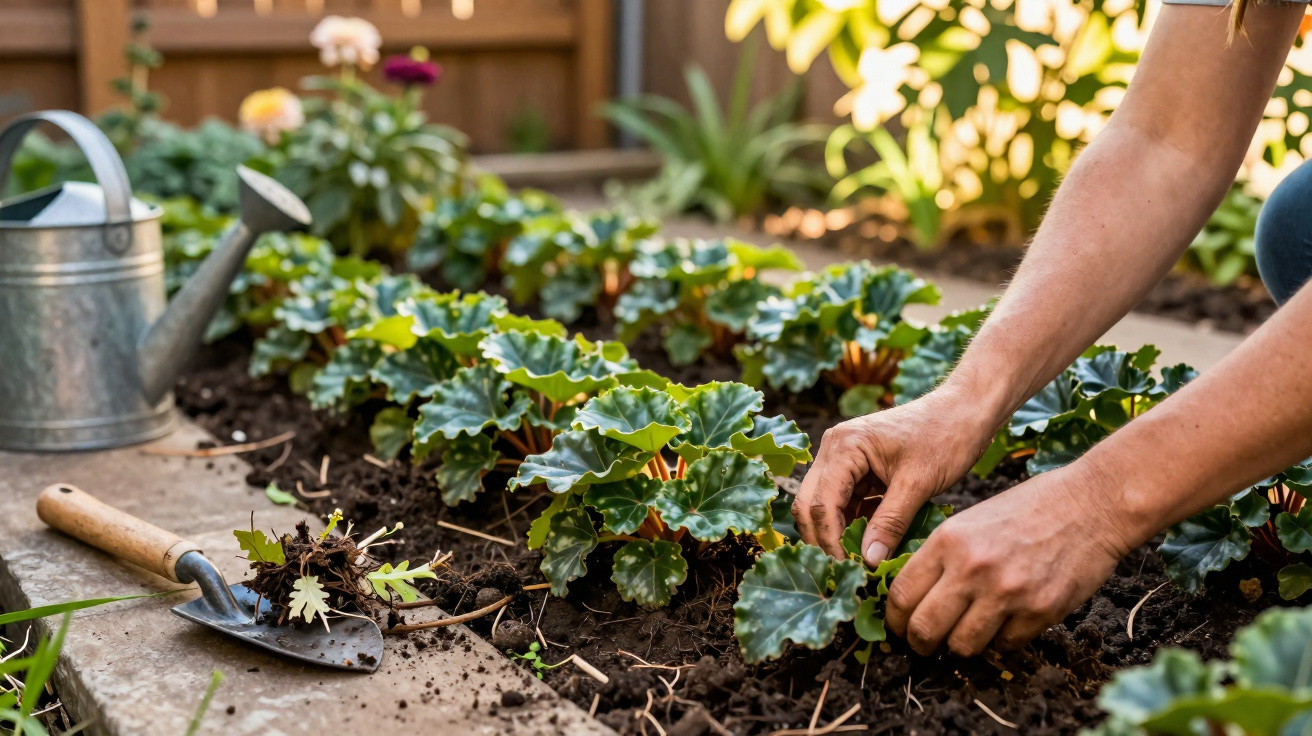
An unobtrusive perennial can put a surprisingly effective stop to the weed problem in the garden.
Many amateur gardeners know the situation: no sooner has a bed been freshly raked than the next weeds begin to appear. Since synthetic weedkillers have been heavily restricted for domestic gardens, laborious hand weeding is often the only option left. Yet there is an easy-care perennial whose dense foliage acts like a living carpet, simply depriving most wild plants of the air they need to thrive.
Why a living carpet suppresses weeds more effectively than chemicals
In nature, soil is rarely left bare for long. Wherever light reaches open ground, seeds will germinate, whether they are wanted or not. Garden professionals are therefore increasingly using so-called ground cover plants: plants that permanently cover the soil and crowd out unwanted seedlings.
“A well-established ground cover can reduce weed growth in a bed by around 70 to 90 per cent.”
This result is created not by toxic substances but by competition:
- The leaves block light from reaching the soil.
- The roots occupy the same space that weeds would use.
- The soil surface dries out less quickly, which benefits the ground cover while making life harder for spontaneous growth.
Gardeners refer to this as “living mulch”: rather than bark mulch or straw, plants form the protective layer. One particular perennial stands out because it is exceptionally tough, evergreen and especially decorative in spring.
Bergenia: an understated perennial with a powerful effect against weeds
Bergenia (botanically Bergenia, often sold as Bergenia purpurascens) is one of the classic garden plants that has become somewhat overlooked. It was once commonly planted in front of house walls or beside paths because it tolerates almost anything: heat, cold and drought are all handled remarkably well by this thick-leaved perennial.
Over the years, each plant develops into a dense clump around 30 to 50 centimetres high and up to 70 centimetres wide. Its large, leathery leaves overlap like scales, closing gaps in the bed. In spring, short stems carrying pink to purple flowers emerge from the foliage, making it far prettier than its slightly old-fashioned reputation suggests.
Bergenia is particularly appealing for gardeners troubled by weeds because it stays evergreen in many positions, or turns reddish-purple. This means the soil remains shaded not just in summer but for almost the entire year. Any seedlings that do emerge grow slowly and can be pulled out easily.
“With its closed canopy of leaves, Bergenia replaces the chemical weedkiller once used in many places – entirely without spraying.”
The right time to plant
For strong growth, this perennial chiefly needs time to establish roots before extreme heat or hard frost arrives. In central Europe, two planting periods have proved successful:
- Spring: March to April, once the soil is frost-free and has dried out slightly.
- Autumn: Late summer to October, while the soil is still warm.
Early spring in particular has an advantage: after winter, the soil still contains plenty of moisture, allowing the plant to continue making roots for several months before hot weather arrives. Those who plant now will often notice substantially fewer weeds in the bed during the same year.
Where Bergenia performs best in the garden
Ground cover plants are only genuinely useful when they can cope with their chosen position over the long term. Bergenia is impressively adaptable in this respect. Suitable locations include:
- Bed edges beside paths – creating a low border that keeps weeds out of gravel or paving.
- At the base of deciduous trees – where little else grows because conditions are dry and full of roots.
- Raised banks and slopes – areas that are difficult to mow but well suited to perennial planting.
- Partly shaded corners beside the house – for example beneath windows or alongside walls.
- Rock gardens and rocky areas – provided the soil is not constantly wet.
Bergenia is less suitable for deep shade or very wet hollows. In these places, a combination with robust cranesbill varieties or lesser periwinkle can be worthwhile. The aim is a continuous planting cover that leaves no sizeable gaps exposed.
Step by step: creating a long-lasting Bergenia carpet
1. Prepare the bed
Thorough preparation before planting is worthwhile. Cutting corners at this stage can mean dealing with persistent root weeds later on.
- Remove existing weeds, including their roots and runners.
- Loosen the soil to a depth of around 20 centimetres, taking out stones and thick roots.
- Work in some sand or fine gravel in heavy soil; mix mature compost into very sandy ground.
These perennials prefer free-draining, humus-rich soil. Waterlogging in winter weakens the plants and creates gaps for weeds to return.
2. Plant correctly and water in
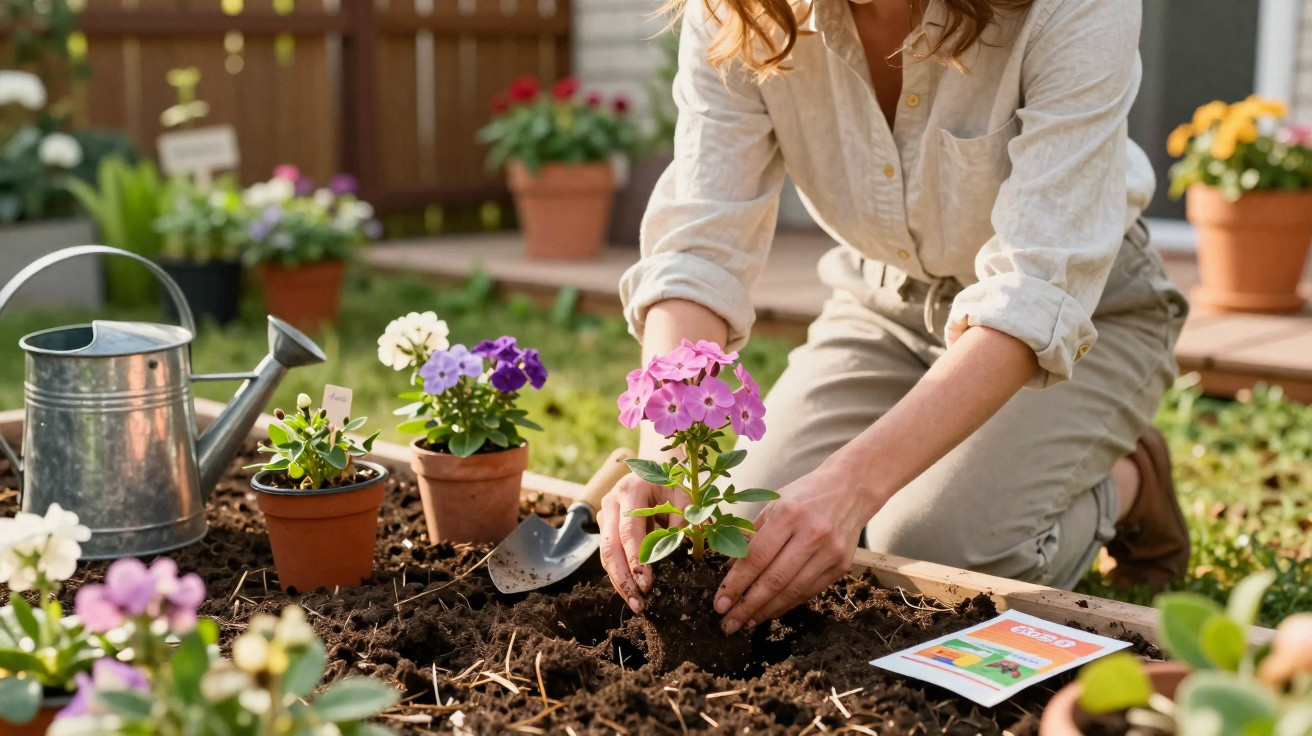
Set individual plants around 35 to 40 centimetres apart. This may initially look sparse, but the planting will fill out noticeably within one to two years.
- Dig each planting hole slightly larger than the root ball.
- Position the plant so that the transition between root and shoot, known as the “root collar”, sits at soil level.
- Firm the soil well so that no air pockets remain.
- Water generously to ensure good contact between roots and soil.
If desired, cover the spaces between plants with a thin layer of chipped bark or leaves. This mulch protects the area during the establishment phase, until the foliage takes over the task.
3. Care during the first year and afterwards
During the planting year, the perennials need a little help until their root system is established. After that, they are almost self-sufficient.
- Watering: Water regularly during prolonged dry spells in the first summer, but avoid creating permanently wet conditions.
- Checking: Pull out any weeds that still emerge early, before they can set seed.
- Pruning: Remove faded flower stems and damaged leaves to keep the carpet dense and healthy.
- Rejuvenation: Every three to five years, divide larger clumps and replant them in bare patches.
“By no later than two gardening seasons, the area is usually so well covered that weeds appear only in isolated spots.”
What Bergenia does for the climate, soil and insects
Planting ground cover does more than save time spent weeding. The soil benefits in several ways. Conditions beneath the leafy carpet are more even: in summer, the surface heats up less intensely, while in winter it does not cool as sharply. Rainwater can soak in more effectively because there is no sealed bark layer or plastic sheet in its way.
Earthworms, micro-organisms and other soil life gain a protected habitat. They break down dead leaves and improve soil structure over time. At the same time, the mat of foliage limits erosion, which is especially beneficial on slopes or light sandy soils.
Bergenia’s early flowers also provide nectar and pollen when little else is in bloom in early spring. Bumblebees and some solitary bees readily use them. Visually, the perennial brightens drab winter beds too, as its leaves often develop an attractive red colouring.
Common mistakes and how to avoid problems
Gardeners who are disappointed with Bergenia have generally made planning errors in only a few areas. The most frequent pitfalls are:
- Too much wetness in winter: Standing moisture causes rot and gaps. Better approach: loosen the soil and incorporate a drainage layer in heavy ground.
- Deep shade beneath conifers: The plant often becomes weak and scruffy there. Choose partly shaded to bright positions instead.
- Planting too closely: This may look fuller at first, but it encourages fungal diseases and weakens the plants.
Anyone unsure whether a site is suitable can begin with a few specimens and observe their growth for one or two years. If they produce strong leaves and appealing flowers, the area can gradually be extended, for example by dividing existing clumps in spring.
Getting more value from ground cover plants
Ground cover plants such as Bergenia combine well with taller perennials, grasses or small shrubs. They then form the “ground floor” of the bed, covering the soil while taller plants provide decorative accents.
Suitable companions include:
- Small maples or ornamental cherries for light shade.
- Ornamental grasses such as sedges or fescues to add movement to the bed.
- Spring-flowering plants such as crocuses or small wild tulips, which can emerge through the carpet of leaves.
Anyone wishing to spend permanently less time dealing with weeds can gradually plant suitable ground cover across every open area of the garden. Bergenia is well suited as a robust foundation, especially where other ornamental plants have long since given up.

Comments
No comments yet. Be the first to comment!
Leave a Comment