
Most people put their tools away until April, but an increasing number of gardeners are using winter to turn worn-out ground into fertile, friable soil – with no digging, rotavating or lugging heavy compost bags. At the heart of this change is an unusually named method: lasagna gardening.
What lasagna gardening actually is
Although the name may seem gimmicky, it is an unexpectedly precise description of the technique. Like a lasagne made from layers of pasta, sauce and cheese, this method involves placing different organic materials in layers directly over the existing ground.
Rather than digging compost into the earth, you create a compost heap in slow motion exactly where you intend to grow vegetables. Throughout late winter and early spring, the pile decomposes, becoming a deep and productive planting bed.
Lasagna gardening feeds the soil first, so the soil can feed the plants later.
The idea takes its cue from natural woodland. Nobody digs over forest soil: leaves drop, twigs collect, plants die back and animals leave droppings. Across months and years, this material turns into humus – a dark, resilient layer full of life that retains both moisture and nutrients.
Lasagna gardening recreates this process in a managed, faster form, whether on a vegetable plot, lawn or compacted clay. Begin in January and, by spring, the organic material will have settled into a substantial layer of nearly finished compost that is ready for planting.
The cardboard trick that kills weeds without digging
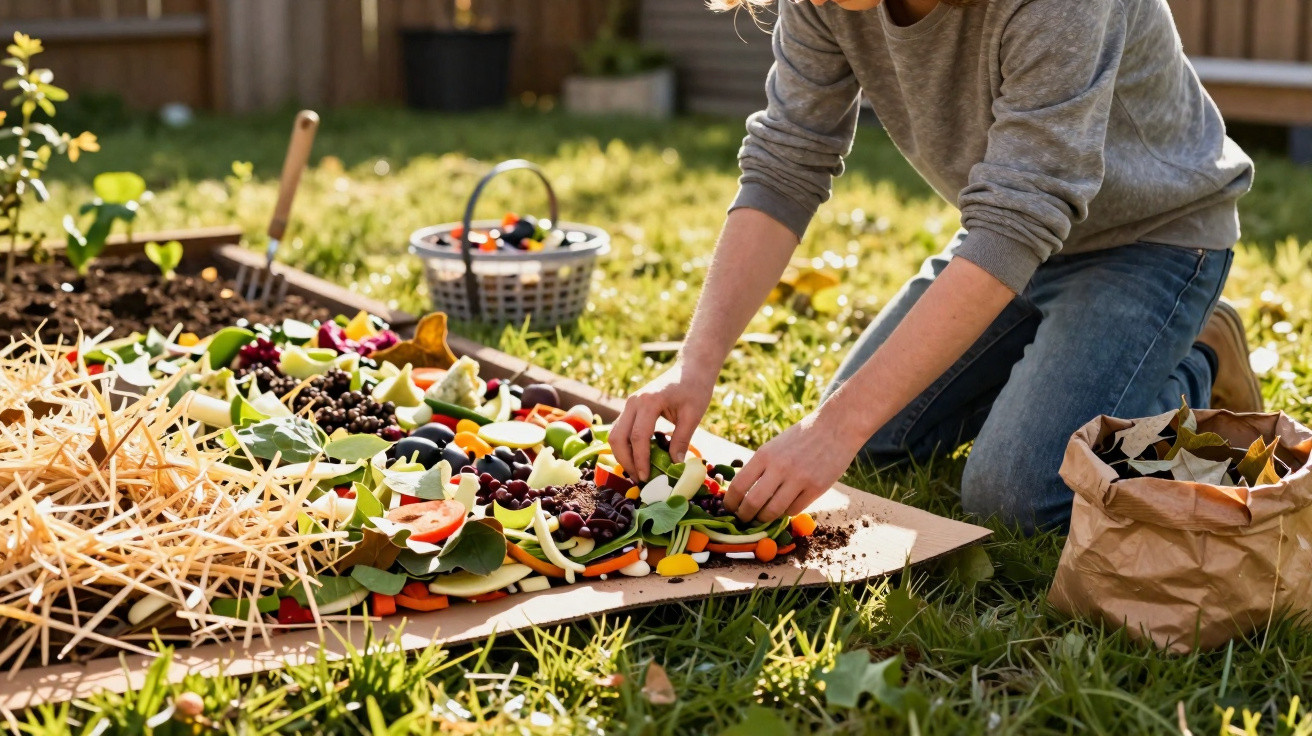
The opening stage surprises plenty of people: cardboard, rather than soil, comes first. Plain brown packaging cardboard provides the base of a lasagna bed.
Placed straight over lawn, weeds or bare ground, it creates a barrier that blocks light. Weed seedlings, including persistent perennial weeds, are deprived of sunlight and slowly die below it.
A sheet of wet cardboard can replace hours of back-breaking weeding and sod removal.
Cardboard also contributes carbon, which is essential for well-balanced decomposition, and earthworms are remarkably fond of it. As rain softens the board, its starch-based adhesive and cellulose fibres provide food for soil organisms.
How to lay the base layer properly
- Remove every piece of tape, label and staple from the cardboard.
- Overlap each sheet by at least 10–15 cm, leaving no uncovered gaps.
- Lay it across the entire area intended for spring planting.
- Drench the cardboard until it sits closely against the ground.
This thoroughly wet layer defines the future bed while stopping new weeds from forcing their way through. After it has been laid, there is no need to dig that area again.
Balancing “browns” and “greens”: the core science
The lasagna layers are added on top of the cardboard. The essential principle is to alternate “brown” and “green” materials.
“Browns” are dry, carbon-rich materials that provide structure and aid moisture retention. “Greens” are softer, nitrogen-rich additions that power microbial activity.
Too much green and the heap can smell and go slimy; too much brown and it barely rots at all.
Typical brown vs green materials
| Brown (carbon-rich) | Green (nitrogen-rich) |
|---|---|
| Autumn leaves | Vegetable peelings |
| Straw or hay | Coffee grounds and tea bags |
| Shredded cardboard or newspaper | Grass clippings (if available) |
| Wood chips or sawdust (sparingly) | Animal manure, fresh or composted |
A common guideline is approximately two parts brown material to one part green by volume. Laboratory-level accuracy is unnecessary; the aim is simply to avoid either extreme.
Building the layers step by step
After soaking the cardboard, start building the bed:
- Lay down a loose layer of fine twigs, straw or coarse stems to allow airflow.
- Add a green layer of kitchen scraps, manure or other soft, fresh waste.
- Place a deeper brown layer, such as leaves or shredded paper, over it.
- Continue alternating green then brown layers until the pile is 30–50 cm tall.
A bed this high can appear excessive in January, yet by late spring decomposition will reduce its height by half. Watering it occasionally during dry winter weather helps decomposition continue.
Turning household waste into next season’s harvest
For many homes, lasagna gardening also provides a way to manage waste. Instead of taking bags of garden cuttings or kitchen scraps to the tip, these materials can go directly into the growing bed.
Every peel, stalk and spent plant becomes a future tomato, courgette or sunflower.
Winter cooking produces lots of appropriate ingredients, including squash skins, carrot tops, onion layers, cabbage cores and apple peelings. Citrus peel can be used sparingly when mixed into a green layer, rather than being tipped in a single pile.
Garden waste works equally well in this system. Used potting compost, cut-up perennial stems and the final armfuls of autumn leaves all add structure and trace minerals. Material that once seemed like untidy clutter becomes the starting point for improved soil.
The underground workforce doing the hard labour
Once built and thoroughly watered, the bed enters its most productive stage, which happens below the surface. Worms, beetles, woodlice, springtails and billions of bacteria move into the layers for food and shelter.
Earthworms travel between the original soil and the newly added materials, pulling organic matter downwards and depositing nutrient-rich castings. Their tunnels form vertical routes that enhance drainage and aeration much more gently than using a spade.
Lasagna beds are essentially a free, self-running soil factory powered by invertebrates and microbes.
As microbes decompose the layers, they produce a small amount of warmth. During late winter, this modest temperature increase keeps the process moving and enables the bed to warm more quickly than nearby bare soil when spring arrives.
What you find when spring arrives
By April or May, the tall winter pile will have settled. Its separate layers merge into dark, crumbly material with the scent of a forest floor. Much of the coarser material will have disappeared, while any remaining pieces carry on rotting quietly where they are.
Its texture is particularly notable. The bed retains water like a sponge but still drains after heavy rain, leaving roots moist without depriving them of air. You can press a hand into it easily. This softness is normally what gardeners seek through digging, double-digging or bringing in costly compost.
Planting into a lasagna bed
Planting could not be simpler:
- For seedlings, gently separate the loose top layer.
- Where the material remains noticeably fibrous, make a small hole and add a handful of ordinary compost or soil.
- Position the plant, firm it lightly and water it once.
Plant roots will work through the decomposing layers, accessing a consistent supply of released nutrients. Once the cardboard has broken down, roots can extend into the native earth, which will be looser and better aerated than it was previously.
Weeds are usually greatly reduced because many seeds were smothered several months before. Any weeds that emerge are easy to pull from the soft surface.
Why lasagna beds suit beginners, renters and tired gardeners
As well as improving soil, lasagna gardening alters the amount of hard labour associated with gardening. It is well suited to gardeners with dense clay, shallow topsoil or little interest in battling a spade every spring.
The technique also appeals to renters and people with limited space, as it can be practised over compacted ground or a section of lawn without making a permanent change. When moving home, the bed can be taken apart and the area will return to grass with little evidence remaining.
Older gardeners and those with back problems often find that it allows them to continue growing food for longer. Most of the physical work is completed in a single session while the layers are stacked. Thereafter, regular maintenance mainly consists of planting, watering and occasional light weeding.
Key terms and practical scenarios
Two central ideas behind the method are especially useful to understand.
The first is the “living soil” concept: soil is an ecosystem, not merely a mineral growing medium. With lasagna beds, you are doing more than applying fertiliser; you are creating a habitat for fungi, bacteria and invertebrates, which then contribute to plant health.
The second is the carbon-to-nitrogen balance, commonly expressed as the C:N ratio. Browns increase carbon and greens add nitrogen. When these are kept reasonably balanced, decomposition remains steady, nutrient-rich and free from odour. A new bed that smells sour or attracts flies generally contains too much green material. A thick brown layer, together with aerating the surface, will almost always solve the problem.
In a small urban garden, one lasagna bed can receive household scraps throughout winter, along with an occasional bag of leaves from a local park. A rural garden may operate several beds at the same time, using manure supplied by neighbours who keep horses or chickens. In either setting, what begins as “waste” completes the cycle and becomes the foundation for the following season’s meals.

Comments
No comments yet. Be the first to comment!
Leave a Comment