
The sky hangs low, your fingers are numb and the ground seems barely awake. Most people are indoors beneath a blanket, browsing seed catalogues and telling themselves, “this year, I’ll start earlier”. Yet, out in the cold, a handful of determined gardeners are doing something very different.
They are planting.
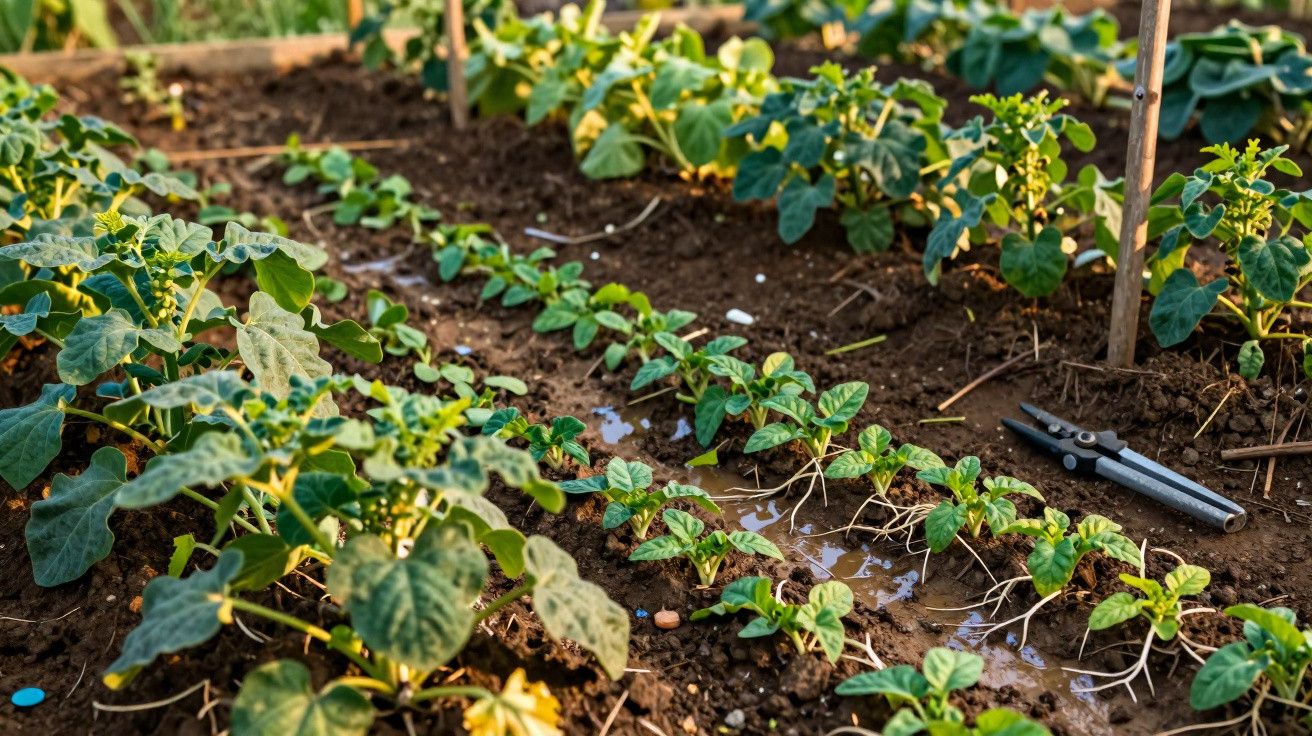
There are no Instagram-ready flowers or sprawling tomato plants. Instead, there is bare soil, faded labels and perhaps a forlorn line of sticks marking out the beds. It may not look impressive, but these gardeners are taking a longer-term, more considered approach than those waiting for spring.
They are doing more than getting ahead. They are changing the gardening calendar.
Why some gardeners love planting vegetables in January
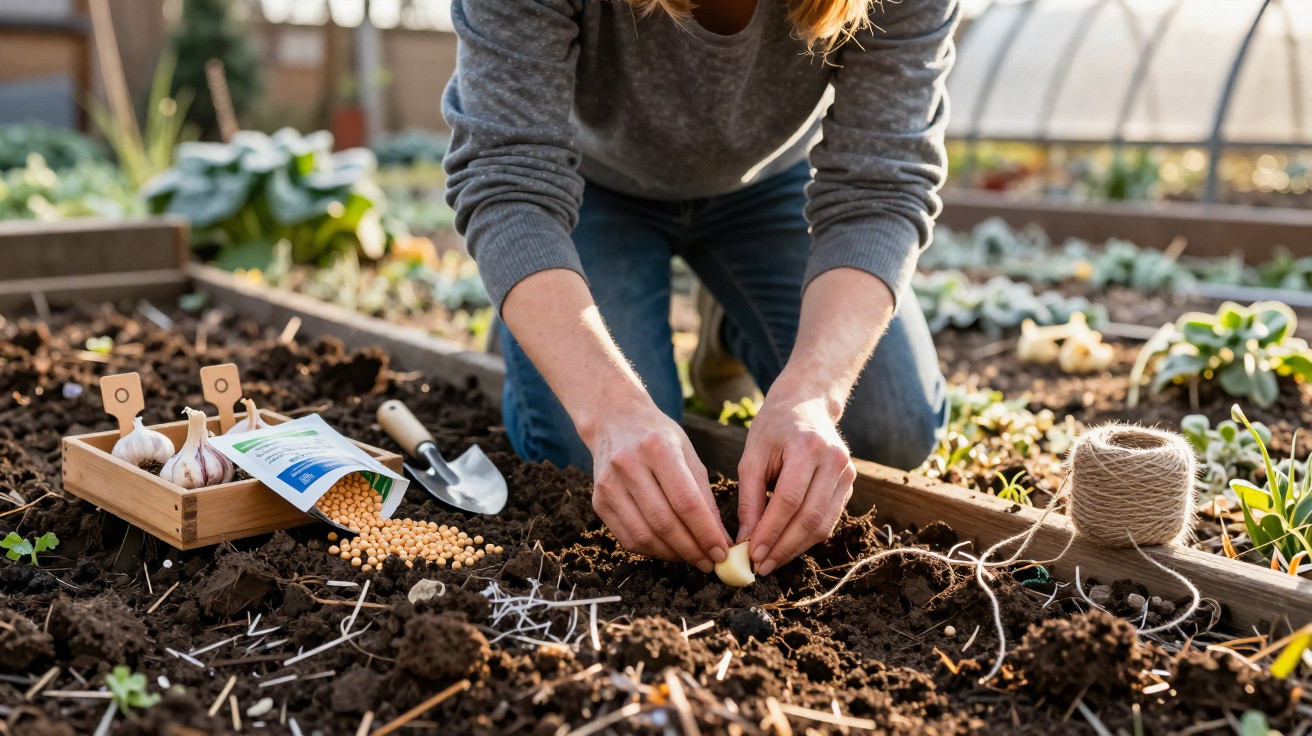
On a dull January afternoon in a modest suburban garden, a neighbour wearing a woolly hat crouches beside her raised beds. Small clouds of breath appear as she pushes broad bean seeds into the earth. Beside them, garlic cloves are tucked individually beneath a light covering of compost. It is silent, wet and a little unpleasant - but also strangely full of promise.
Most nearby gardens are untouched until April: dead stalks, waterlogged leaves and plastic chairs blown onto their sides. In contrast, her plot resembles a theatre backstage before the performance begins. Nothing is visible yet, but preparations are under way. Plants do not follow gardening blogs; they respond to temperature and daylight. For some crops, January is not “too early”. It is precisely the right moment.
Garlic, onions, shallots, broad beans, peas, spinach and winter lettuce all suit this early approach. Across many temperate climates, they are the understated stars of January planting. They tolerate cold conditions - and in some cases depend on them. Garlic, for example, produces larger bulbs after a proper period of chilling. Broad beans develop more slowly but more robustly in cool soil, forming deep roots before spring pests become active. In the UK and northern US, some gardeners swear by sowing peas beneath cloches or fleece in late January, saying they harvest a full three weeks before their neighbours.
This follows a rhythm that is harder to notice in May, when everyone is planting at once. January gardeners work with that rhythm. While people tend to think in terms of “gardening seasons”, plants respond to daylight hours, soil temperature and moisture. Moving just a few weeks earlier within those cycles gives you a head start that cannot be bought. It is not about being hardcore; it is about allowing nature to take on more of the work.
Choosing the right vegetables for January planting
Gardeners who plant in January are not placing tomato seedlings into frozen ground. They are selective, choosing vegetables that enjoy - or at least cope with - cold, wet weather. It is rather like inviting the right people to a winter dinner party: hardy, undemanding and not easily upset by poor conditions.
In most mild to moderately cold areas, the January shortlist includes garlic, provided the soil is not frozen solid; onion and shallot sets rather than seeds; broad beans; peas; spinach; winter lettuces; lamb’s lettuce, also known as corn salad; and occasionally early carrots or parsnips grown under cover. Even in very cold places, many can be started in containers in an unheated greenhouse, cold frame or sheltered balcony planter. The principle is straightforward: cool rather than waterlogged, bright rather than scorched, and shielded from the harshest wind.
A small-scale grower in northern France calls his approach “lazy gardening with a calendar twist”. During a January thaw, he places garlic cloves into a bed, sows broad beans in a strip of soil beneath an inexpensive plastic tunnel, and starts a short row of peas in guttering in his shed. By the time his neighbours begin planting in late March, his peas are already climbing, his spinach is ready to pick and his garlic has sent up vigorous green shoots. He is not doing extra work; he has simply moved part of it into a month that others ignore.
There is a mental benefit as well. Planting in January means treating a vegetable patch as a living space throughout the year, rather than as a project for spring and summer. In practical terms, cool-season sowings encounter fewer slugs, aphids and fungal issues. Growth may be slower, but it is more resilient. Roots grow downwards deeply instead of racing upwards. Anyone whose lettuce has turned bitter overnight during a heatwave will understand how much that gentler pace can matter. And yes, almost nobody keeps to a flawlessly planned sowing timetable every week of the year. January planting creates some breathing room. If March becomes chaotic, you will already have crops under way.
How to plant in January without damaging your soil
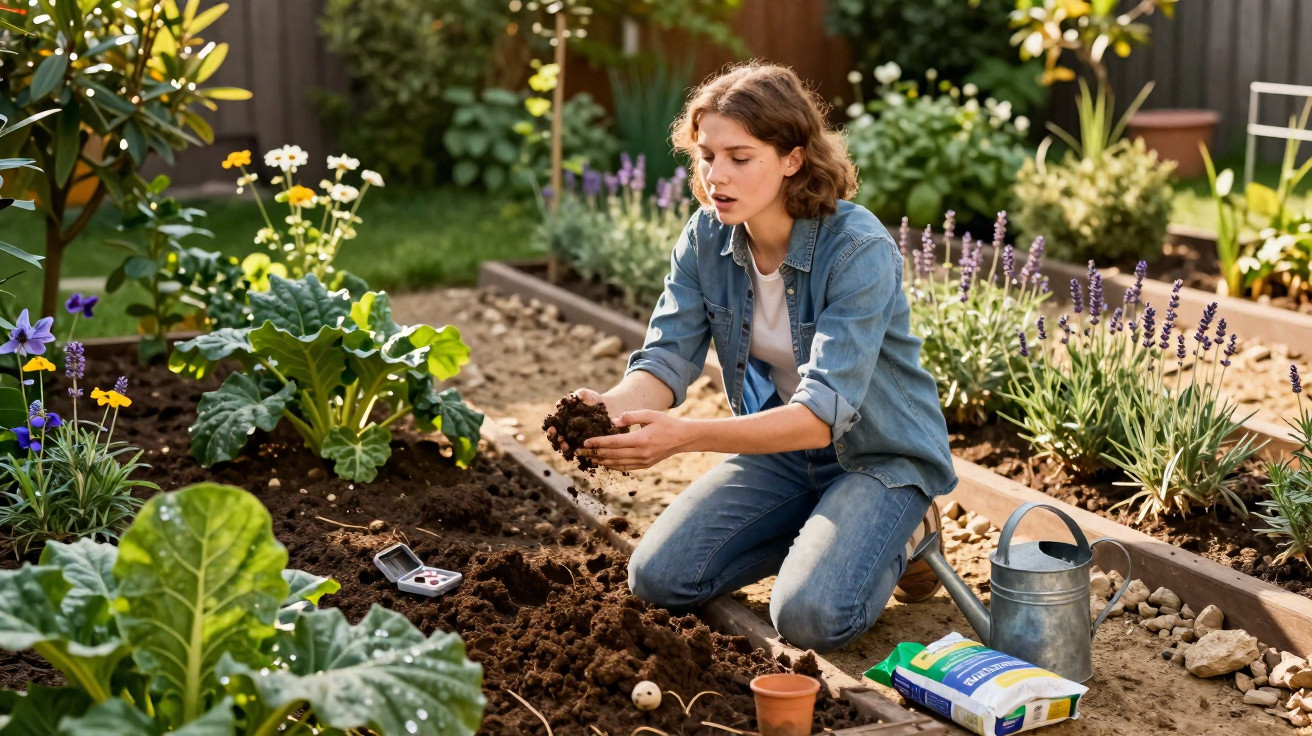
The essential January skill is not choosing seed; it is understanding the soil. Gardeners with experience do not walk over sodden beds or dig deeply into sticky, saturated ground. They work gently from paths and interfere with the soil as little as they can. If a handful of earth smears and becomes shiny when squeezed, they leave it alone. If it crumbles, even slightly, they make the most of the opportunity.
The technique is remarkably uncomplicated. Spread a thin layer of compost or well-rotted manure over the surface rather than digging it in, as if laying down a blanket. Move aside any mulch, sow or plant, and then gently restore some protection: fleece, plastic tunnels or simply a thick layer of leaves around - but not on top of - the seed row. For peas and broad beans, some gardeners fill old guttering with compost indoors or in a shed, then transfer the complete row into trenches outside once roots have developed. It may sound fiddly in theory, but it is usually an afternoon’s work that can bring harvests forward by weeks.
January’s biggest errors are familiar human ones. Walking across soaked beds, “just to check”. Digging deeply because that is what granddad did. Trying to plant summer vegetables too soon through impatience. Or the classic: sowing one enormous bed, then losing interest until March. Energy is naturally limited on a short, cold day. Experienced January gardeners therefore keep their plans small and achievable: one short row of peas rather than an entire bed, or half a square metre of spinach instead of attempting ten varieties at once.
On a wet Sunday, they may do no more than prepare labels and sort through seeds. That still counts. They understand that motivation shifts as easily as sunlight behind clouds. The answer is to make the task easier rather than waiting for the ideal mood. On a freezing morning, even spending five minutes putting garlic cloves into the ground can feel like an achievement.
“Winter sowing isn’t about being tough,” says one allotment holder in Manchester. “It’s about letting the season work for you while everyone else is still waiting for spring television ads to tell them what to plant.”
Think of a January routine as a small, almost secret system:
- Choose 3–5 cold-tolerant crops rather than 20.
- Follow the condition of the soil, not simply the date, when looking for planting opportunities.
- Use straightforward protection such as fleece, plastic tunnels or a cold frame.
- Garden in brief sessions so you do not exhaust yourself before spring.
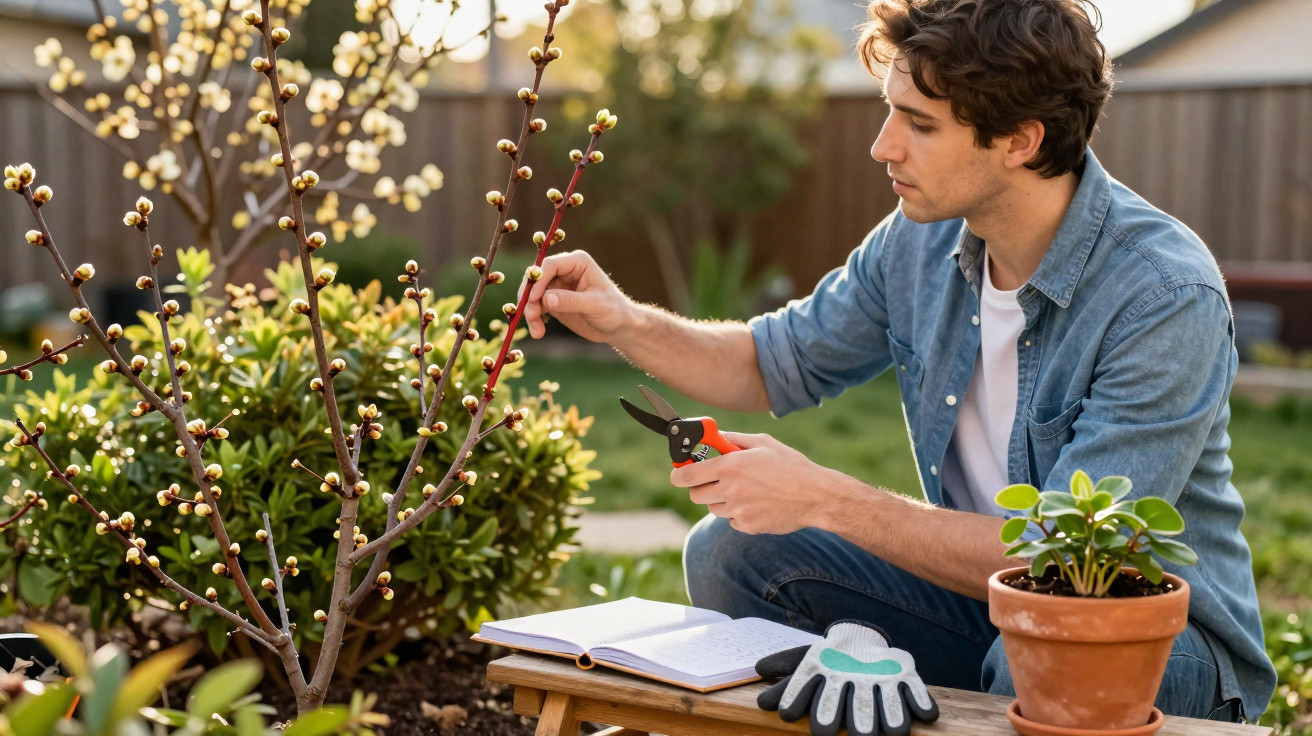
- Make notes on what survived, what sulked and what thrived.
The overlooked benefit of January vegetable planting
There is a further dimension to this. Those who plant vegetables in January quietly alter their relationship with time. Rather than living by phone alerts, they begin paying attention to soil temperature, the length of the day and the feel of the air against their face. It does not make life look like a postcard, but it does set a different pace.
In very practical terms, their workload is spread over additional months. April brings less frantic planting. May comes with fewer regrets about having missed a window. There are also more small, recurring successes: a handful of spinach in February, the first pea flowers in March and garlic shoots emerging from cold ground. On a screen, these may seem like minor details. In person, they feel like quiet evidence that something is being built while the rest of the world appears half-asleep.
We have all promised ourselves that “next year, I’m going to do things differently”. January planting is how that promise looks when it is put into practice. It is neither dramatic nor a “new year, new you” campaign. It is simply someone in a coat, kneeling in the cold and placing seeds in the earth with the stubborn belief that spring will arrive - and that, when it does, their garden will already be one step ahead.
| Key point | Detail | Benefit for the reader |
|---|---|---|
| Choose the right January vegetables | Focus on garlic, onions, broad beans, peas, spinach and winter lettuces | Prevents expensive failures and sowings that freeze or rot |
| Respect the state of the soil | Do not walk on waterlogged soil; work at the surface and add compost | Protects soil structure and supports more plentiful harvests |
| Split the work into smaller tasks | Regular small actions, a short task list and simple protection | Makes winter gardening realistic, even with limited time or energy |
FAQ
Can I plant vegetables in January if my ground is frozen?
Yes, but take an alternative approach: start crops in containers, trays or guttering in an unheated greenhouse, porch or cold frame, then transplant them once the soil has thawed.Which vegetables are safest for beginners to plant in January?
Garlic, onion sets, shallots, broad beans and spinach are among the most forgiving options in many temperate regions.Do I really need fleece or tunnels to plant this early?
Not in every case, but basic fleece or a plastic tunnel can mean the difference between slow growth and plants that stop growing or rot during especially cold, wet periods.Will January planting give me bigger harvests, or just earlier ones?
It can often provide both: early sowings develop deeper root systems and face fewer pests, potentially producing stronger plants and longer harvesting periods.What if I miss January - is it “too late” for the year?
Not at all. February and March still provide plenty of opportunities, although trying at least one crop in January will show you how your own microclimate truly behaves.
Comments
No comments yet. Be the first to comment!
Leave a Comment