
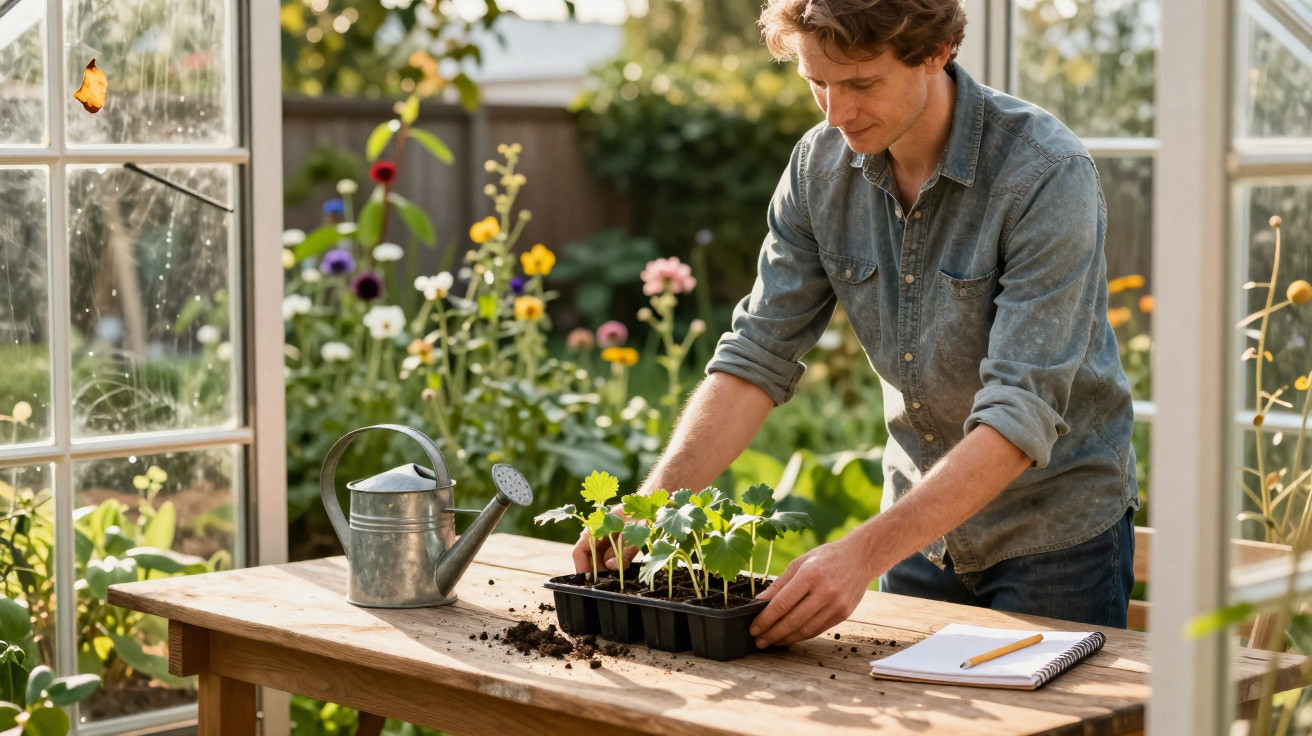
The year’s first cold snap arrived on a Tuesday, sending half the neighbourhood out into their gardens armed with blankets, plastic sheeting and old newspapers. In the fading light, figures bent over flowerbeds like anxious parents putting children to bed before a storm. By morning, each pot resembled a tiny camping tent.
The frost had gone two days later. The plants had survived, certainly, but they did not seem quite right. Leaves turned yellow more quickly, stems appeared feebler, and several seedlings simply stopped developing. Meanwhile, the garden opposite, belonging to the older neighbour who “doesn’t fuss”, looked noticeably… sturdier.
That was when a persistent question began to bother me.
What if our anxious affection is quietly making our plants weak?
When our care quietly backfires on plants
You can recognise an overprotected garden from the other side of the road.
Every plant is impeccably staked, the soil never dries, mulch lies as thick as a winter duvet, and no leaf is allowed to encounter a gust of wind by itself. The beds are pristine, almost clinical. But the plants seem strained, as though they exist in permanent slow motion.
When an unexpected heatwave arrives, or a week of unseasonal rain sets in, these cosseted favourites are often the first to wilt, scorch or rot. They have never truly needed to cope on their own.
Consider tomatoes, the classic summer obsession.
A friend insisted that he “lost” tomatoes every year, so he became even more protective. He watered constantly, put up shade cloth at the first hint of sunshine, and used plastic tunnels whenever wind was forecast. He treated them like rare orchids.
By July, his plants were tall yet delicate, with thin, floppy stems. A single powerful storm broke half of them. My own plants, slightly battered and somewhat scorched by the sun, recovered well. Their stems were thicker, their roots reached further down, and they had fewer disease problems. It was the same variety in the same city, but they had had very different childhoods.
Plants do not develop resilience as an abstract idea.
They practise it. Each small challenge shows roots where to reach, teaches leaves to manage water, and encourages plant tissues to become thicker. By eliminating every discomfort - through continual shade, continual moisture and continual support - we deny them these small lessons.
It is rather like trying to build muscle without ever lifting anything heavier than a spoon. Overprotected plants can survive while conditions remain ideal. As soon as reality becomes challenging, they fail because they have never learned to adapt. Nature’s tough-love programme gets cancelled before the first class starts.
How to toughen plants without “torturing” them
Gardeners have a straightforward term for strengthening plant resilience: hardening off.
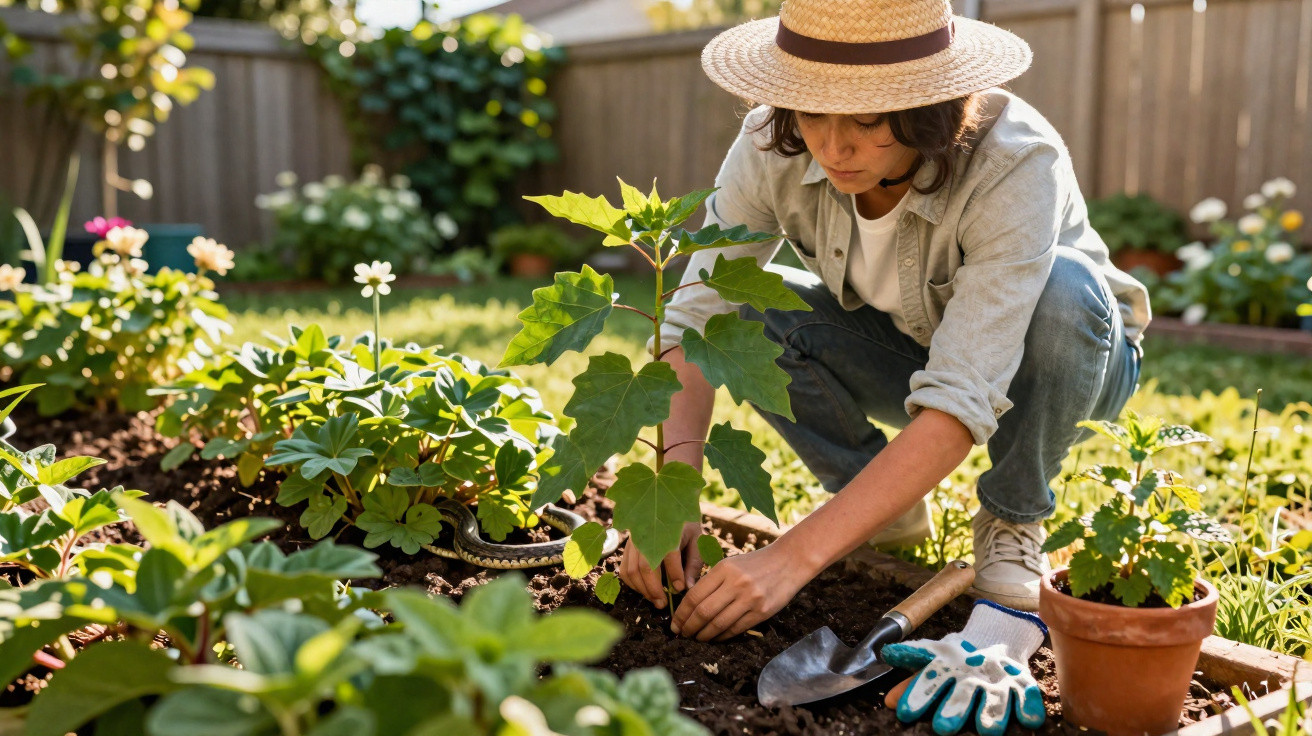
Rather than taking seedlings directly from comfortable indoor lighting into full sunshine, expose them to outdoor conditions in stages. Begin with a few hours outside in gentle shade, then introduce some direct light, followed by a breezier position. Over a week or two, you are effectively telling them: “This is your life now, let’s train for it.”
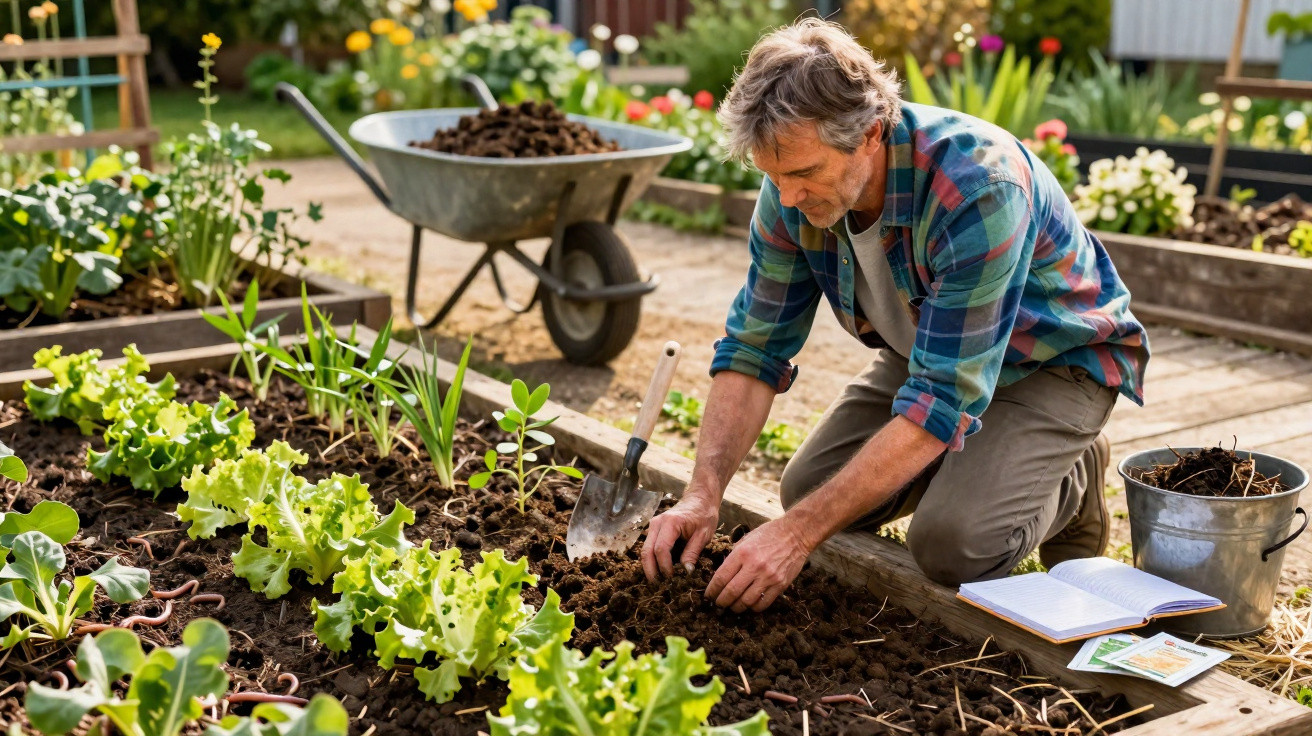
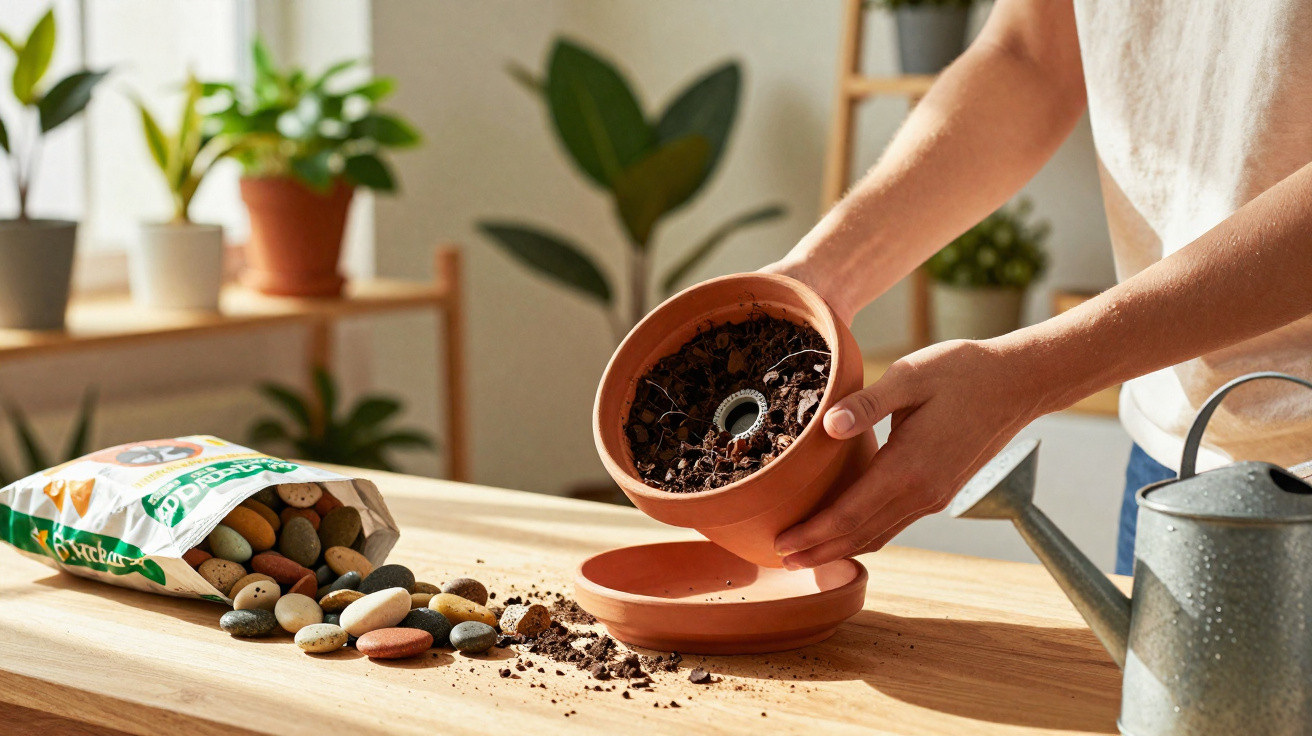
The same principle applies to watering. Allow the surface layer of compost or soil to dry a little before watering again. That brief interval encourages roots to grow further down. Deeper roots make for a stronger plant. It is a subtle, unseen workout taking place beneath the ground.
The mistake is assuming that greater protection always means greater love.
We wrap trunks in several layers of fabric, soak pots with daily watering, and place sun-loving plants in excessive shade. Fear drives these reactions: fear of losing a plant, fear of “doing it wrong”, and fear that we are not caring enough. And, yes, we have all had that moment of rushing outside at 10 p.m. with a torch because the forecast has changed.
In truth, nobody does this every day, nor is there any need to. Plants can cope with brief cold spells, an occasional missed watering and a windy afternoon. That modest stress can often be more beneficial than another plastic covering or another panicked drenching from the watering can.
Sometimes the kindest thing you can do for a plant is to step back and let it negotiate with the weather on its own.
- Let them experience small stresses
A little wind, sunlight and occasional dryness encourage sturdier stems, deeper roots and improved water regulation. - Use protection sparingly
Covers, tunnels and shade are measures for extreme conditions, not daily crutches that leave plants in permanent childhood. - Observe response, not only appearance
A leaf that is slightly tougher, darker or even a little scarred may show that a plant is learning to survive rather than failing. - Balance comfort with challenge
Think of yourself less as a rescuer and more as a coach who understands when to intervene and when to let nature take its course. - Accept that some loss teaches the whole garden
A plant that does not survive may reveal what the others can tolerate and where your garden’s real resilience develops.
The quiet strength of a garden allowed to live
Once you begin to notice them, resilient plants seem to be everywhere.
There is the single rose flourishing beside the drive where no one waters it. There is the herb patch by the kitchen door, mistreated by footsteps and neglected through summers, yet still producing fresh shoots. Then there is the dandelion growing between paving slabs - disliked by many, but a lesson in adaptation when you look closely.
A garden that permits modest challenges will often appear a little untidier. Some leaves have been chewed, certain stems are bent, and a few plants do not survive. Still, there is a reassuring calm in knowing that those which remain are truly robust, rather than merely existing beneath bubble wrap.
| Key point | Detail | Value for the reader |
|---|---|---|
| Stress builds strength | Gentle wind, sun and short periods of dryness stimulate deeper roots and sturdier tissues | Helps you grow plants that cope better with heatwaves and storms |
| Protection is a tool, not a lifestyle | Use covers and additional care for brief periods of genuine risk, rather than throughout the whole season | Prevents weak, dependent plants and reduces unnecessary work |
| Observation beats anxiety | Noticing how plants respond informs decisions about watering, light and exposure | Makes gardening feel calmer, more intuitive and more successful over time |
FAQ:
Question 1 Can I really let my plants wilt a bit without harming them?
Yes, slight wilting that quickly improves after watering often indicates that roots are learning to seek moisture deeper down. The important thing is not to leave plants limp for extended periods or expose them repeatedly to severe stress.Question 2 How do I know if I’m overprotecting my plants?
Typical signs include leggy growth, weak stems, recurring disease and plants that quickly collapse in sun or wind. If your beds look immaculate but struggle with the first change in weather, you may be shielding them too much.Question 3 Is hardening off really necessary for seedlings?
Yes, particularly for plants raised indoors or in greenhouses. A week or two of gradual outdoor exposure greatly reduces transplant shock and makes them much less fragile.Question 4 Should I stop using frost cloths, tunnels, and shade cloth?
No, they are valuable tools during genuine extremes, such as late frosts or brutal heat. The change is to use them temporarily, then take them away so plants can adjust to ordinary conditions.Question 5 What’s one simple change I can try this season?
Start by leaving a little longer between waterings, allowing the top few centimetres of soil to dry before the next thorough watering. It is a simple way to promote deeper, stronger roots without radically altering your routine.
Comments
No comments yet. Be the first to comment!
Leave a Comment