
The first look is pure postcard: petunias blazing, calibrachoas in electric shades, and a geranium so red it could make you hit the brakes. It’s the sort of display that has you grabbing your phone and thinking, “This would do bits on Instagram.”
Then you get closer and something feels off. Little flies hang in the air, ants file along a stem, and a lone wasp cruises about on slow patrol. But bees? Hardly any. Perhaps one turns up for a moment… and then disappears.
It leaves you wondering whether you’ve messed up, or whether all those “plant this for pollinators” posts have been oversold.
The blooms are there. The colours are there.
The bees, oddly, aren’t.
The detail bees care about even more than colour
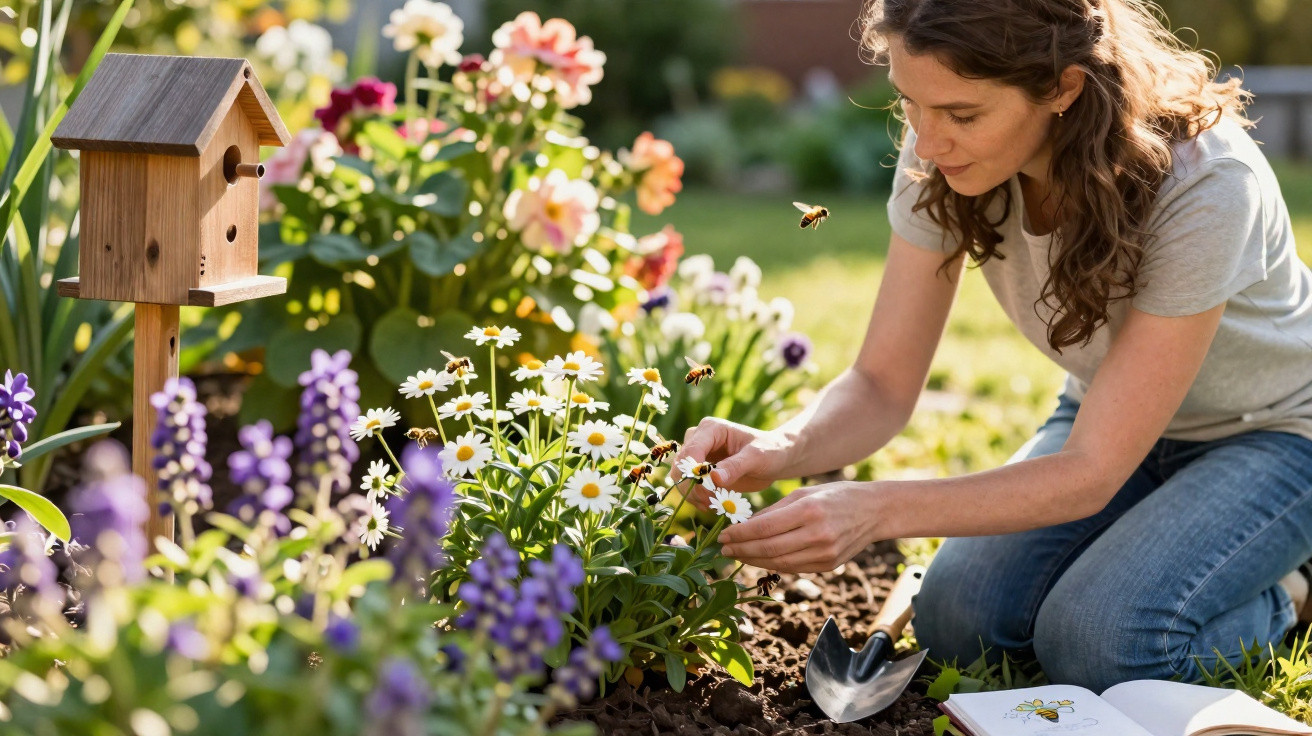
Pause beside a lively, buzzing flower bed and actually watch how bees behave. They don’t flit around from red to yellow to pink like miniature art critics weighing up their favourite hue. They touch down, plunge in for a second, then make a snap call: stay, or move on.
That instant judgement is driven far less by petal colour than by what’s available in the flower’s centre. Bees are chasing a payoff: nectar and pollen, plus how quickly they can get to it. Colour is more like the sign outside a café; what matters is what’s on offer once you’re inside.
Picture two neighbours on the same road. One spends spring scooping up every “vibrant patio” plant in the garden centre-double begonias, showy geraniums, petunias bred for oversized blooms. The result is a solid block of colour that wouldn’t look out of place in a garden furniture catalogue.
Next door, another gardener quietly puts in lavender, single-flowered cosmos, coneflowers, and herbs that shoot up and flower when they bolt. From the pavement it’s less ‘finished’: a few gaps, mixed heights, a touch of messiness. But when summer arrives, that garden hums. You can hear the difference before you even look.
The reason for that gap is simple: floral resources. A lot of modern ornamentals have been bred to impress people, not to feed pollinators. Those double blooms that look like powder puffs often conceal-or even replace-the stamens and nectar glands bees depend on. And some varieties offer very little nectar, or none at all.
So a border can be stunning to the eye and still be functionally “empty” from a bee’s point of view. They’ll land, check, and leave-much like you’d walk straight back out of a café that only sells plastic-wrapped sandwiches. For a bee, the menu can be ‘closed’ even when the lights are on.
How to turn a “pretty but empty” garden into a bee buffet
The most straightforward shift is to think less like a stylist and more like someone running a café. Before you ask, “Does it go with the cushions?”, ask, “Does it feed anything?” Prioritise flowers with open, reachable centres: single daisies, simple bell shapes, flat umbels. If you can clearly see the pollen or the middle of the flower, bees usually can too.
Plants such as borage, thyme, sage, asters, sunflowers, and clover quietly do a lot of heavy lifting. They may lack glossy-magazine perfection, but they provide generous nectar and pollen over meaningful stretches of time.
Many gardeners accidentally undermine themselves with two well-intentioned habits. The first is deadheading everything the moment a bloom starts to fade. It keeps things neat, but it can break the food supply bees rely on. Letting some flowers age helps keep forage available in the lulls between flushes.
The second is leaning almost entirely on sterile annuals or heavily bred hybrids. Those pale pink double begonias? To a bee, they may as well be plastic. Most of us have had that realisation: the carefully curated pots are basically the floral version of fast fashion-beautiful, disposable, and offering very little to the ecosystem right outside the door.
“When gardeners ask why bees ignore their flowers, I almost always find the same pattern,” explains urban ecologist Marie Lambert. “The plants are photogenic, but the nectar is scarce or inaccessible. Bees operate on a simple rule: no reward, no return.”
- Pick single-flowered forms rather than doubles, so bees can reach what they need.
- Combine native perennials with a handful of nectar-rich annuals to keep flowers coming.
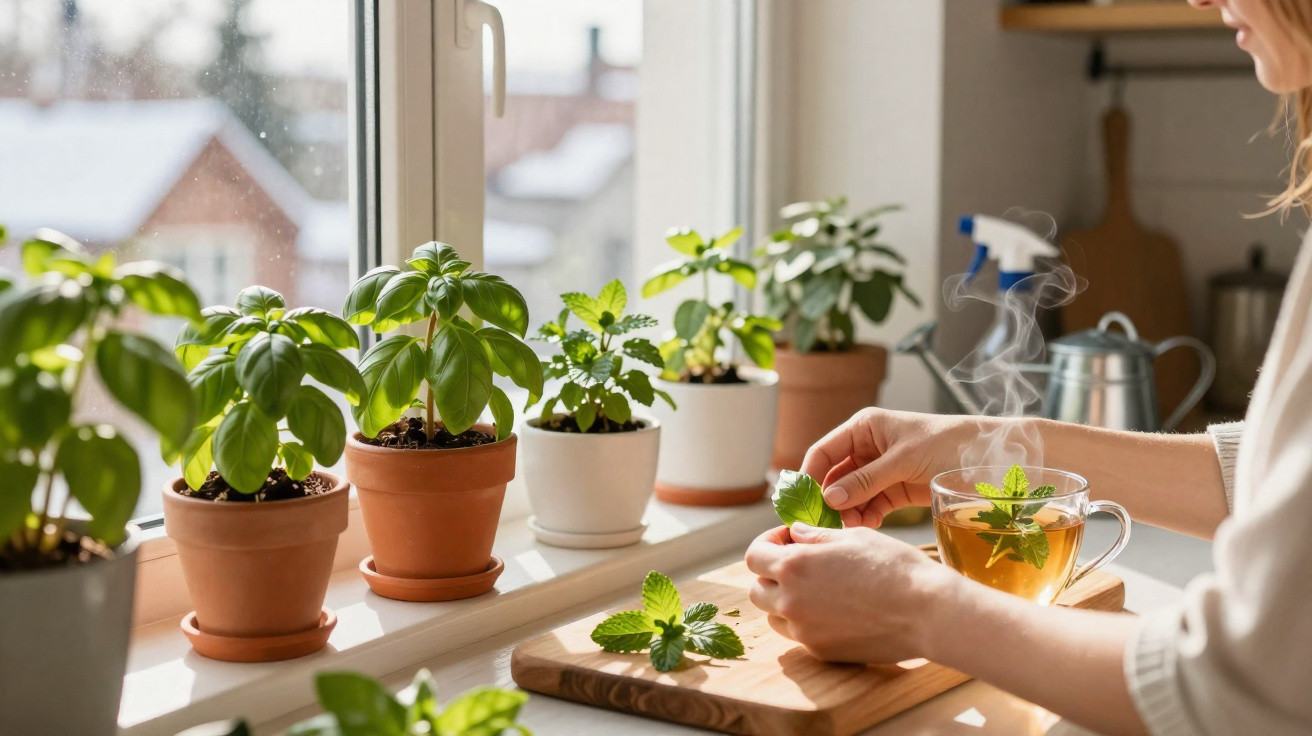
- Allow some herbs to bolt-basil, coriander, and mint flowers are bee magnets.
- Avoid routine pesticide use on blooms; even “mild” products can deter or harm bees.
- Keep a small area deliberately “untidy”: a bit of wildness supports more insects and more visits.
Beyond colour: seeing your garden the way bees see it
Once you start noticing what’s really happening, the garden tells a different story. You stop scoring it by the colour wheel and begin paying attention to who’s using it. That quiet patch of thyme that buzzes all afternoon can feel more valuable than the loudest hanging basket on the street.
You may even find yourself adding a pot of plain white alyssum simply because it thrums with tiny wings from May to September. A little less “wow” for human eyes, and a lot more life for everything else.
| Key point | Detail | Value for the reader |
|---|---|---|
| Accessible nectar beats colour | Bees choose blooms based on food and how easy it is to reach, not just the shade of the petals | Explains why a garden can look colourful yet still feel “empty” of bees |
| Plant choices matter more than design | Single, nectar-rich, often native flowers provide genuine foraging | Shows how to attract more bees without redesigning the entire garden |
| Small habits change everything | Fewer pesticides, less aggressive deadheading, and more “wild” corners | Makes bee-friendly gardening achievable even on balconies or in very small gardens |
FAQ:
- Do bees prefer certain flower colours? Yes-bees see blues, purples, and whites particularly well, but colour comes second. If a bright bloom offers little nectar, they’ll soon switch to something less showy but more rewarding.
- Why do I see wasps and flies but almost no bees? Often it’s because your plants provide very little nectar or have complicated, double blooms. Wasps and some flies tend to be less fussy and can use other food sources, so they still appear.
- Are double flowers always bad for bees? Not always, but many doubles hide or replace the pollen- and nectar-producing parts. If you’re unsure, go for single flowers with a visible centre so bees can feed.
- Can I attract bees on a balcony or tiny patio? Yes. A few pots of lavender, thyme, borage, or single marigolds can act as a mini feeding station. The crucial thing is continuous flowering, not the size of the space.
- Do I have to garden organically to get bees? You don’t need perfection, but using fewer pesticides-especially on flowers-helps a lot. Let’s be honest: nobody really does this every single day, but every skipped spray is a win for visiting bees.
Comments
No comments yet. Be the first to comment!
Leave a Comment