

An unassuming shrub, one spring day – and suddenly the whole garden smells different: richer, almost like a childhood memory.
When gardeners think of fragrance in the garden, they often plant roses without a second thought. Yet one plant can frequently make a greater impression with less effort: lilac. Its strong, sweet scent can turn an ordinary terraced-house garden into a small theatre of fragrance, particularly in spring.
Why lilac steals the show in spring
Lilac, botanically known as Syringa vulgaris, is one of those shrubs you notice from ten metres away. It is not its flower colour that draws attention first, but its fragrance. Sweet and powerful without being overpowering, it hangs over a patio, courtyard or front garden like a soft cloud.
A well-positioned lilac shrub is often enough to turn the entire garden into a fragrant room.
Roses can be delicate and often demand regular care, whereas lilac manages with far less attention. It flowers generously, brings an almost theatrical presence to a border, and adds height and structure to the garden. Its abundant flower panicles create an eye-catching display even from a distance.
Its range of colours is another attraction, running from pure white and soft lilac to deep purple. Each shade creates a distinct atmosphere.
- White varieties appear light and elegant, with an almost nostalgic feel.
- Pale lilac shades are ideal for romantic cottage gardens.
- Dark-purple varieties make a bold statement and immediately catch the eye.
Its dense foliage does more than provide an attractive backdrop. It works particularly well as background planting, a privacy screen or a green frame around perennial borders. In this way, lilac gives a fairly flat garden greater depth without much effort.
The ideal spot for lilac: sun, room and soil that does not ‘cling’
For lilac to flower reliably and abundantly every year, it needs one thing above all else: light. At least six hours of sun each day are essential for strong blooms and an intense fragrance. It will still grow in overly shady spots, but it will be reluctant to flower.
Choosing suitable soil matters just as much. Lilac prefers free-draining ground and does not tolerate waterlogging at all. Anyone with heavy, clay-rich soil should improve it before planting.
Lilac copes better with drought than with wet feet. Waterlogging kills this fragrant shrub faster than a few forgotten watering cans.
In practical terms, loosen the soil when planting and, if necessary, mix in coarse sand or grit. This allows water from rain or watering to drain away more effectively.
How to plant lilac successfully without being a gardening expert
Getting the planting right from the outset prevents many problems later on. The process is straightforward, although several details are important.
Recommended method:
- Choose a healthy, vigorous lilac shrub, ideally container-grown or with a well-developed root ball.
- Dig a planting hole around 50 to 60 centimetres wide and deep.
- Mix heavy soil with 2 to 3 handfuls of coarse sand or fine gravel.
- Position the shrub so that the root ball sits level with the surrounding soil.
- Refill with the prepared soil mixture and firm it gently.
- Water thoroughly once, without turning the soil into mud.
Afterwards, the soil does not need to remain constantly moist. The aim is for the shrub to establish itself well and produce its own roots. Once established, lilac copes surprisingly well with dry spells.
Pruning at the right time – the crucial mistake many gardeners make
Many people prune lilac in winter, “when everything is being cut back anyway”. However, this weakens the following year’s display. Lilac forms its flower buds relatively early, so anyone reaching for the pruners too late removes the next spring’s blooms at the same time.
The best time to prune is immediately after flowering, once the flower heads begin to fade. This gives the plant sufficient time to form new buds.
Rule of thumb: once flowering is over, get out the pruners – not in January, but in late spring.
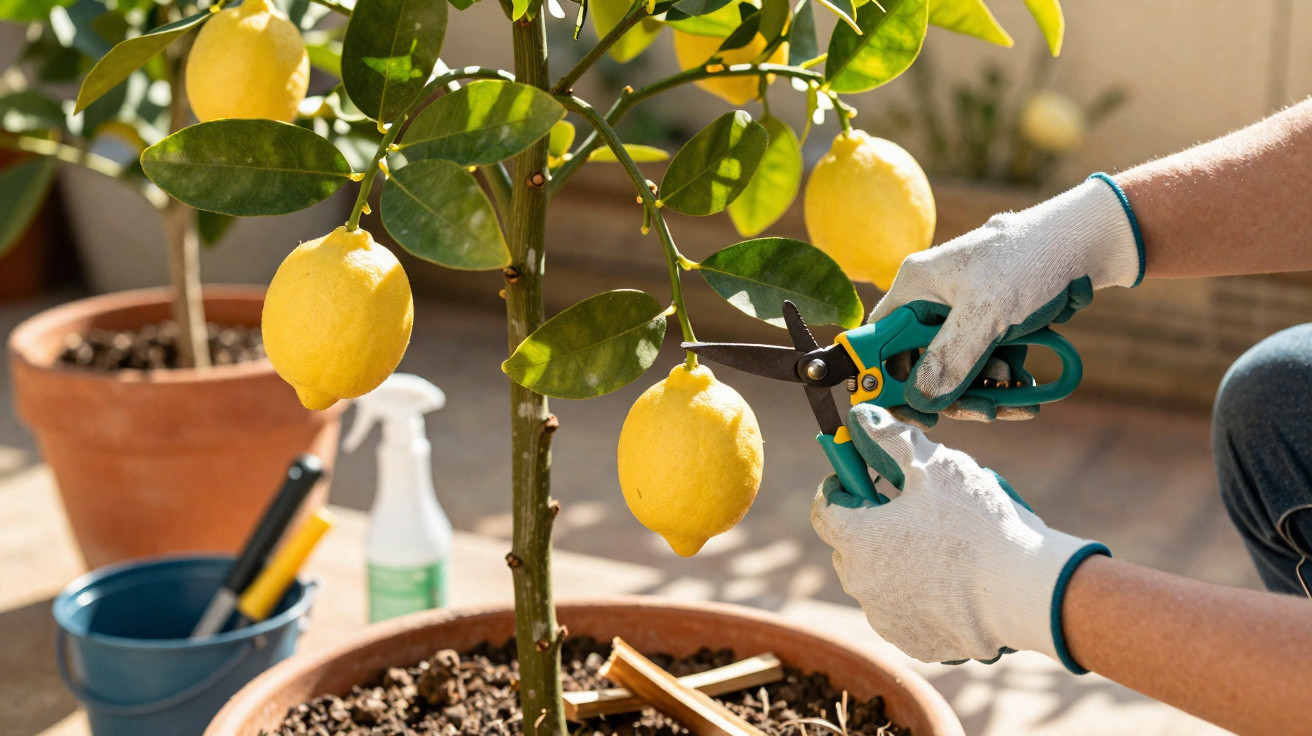
Pruning itself is uncomplicated: cut faded panicles just above a young, healthy shoot, remove old or dead wood, and thin out overcrowded stems. This lets air move through the shrub, helping to prevent fungal diseases.
Pruning rules worth remembering
- Never cut it back hard in winter, or flowering will be sparse the following year.
- Remove faded flower panicles promptly so that energy goes into new shoots rather than seed production.
- Take out crossing or rubbing branches to avoid damage to the bark.
- Use sharp, clean tools so the cut surfaces heal quickly.
If there is a very old, overgrown lilac in the garden, it can be rejuvenated gradually. Remove one or two of the oldest stems close to ground level each year, rather than cutting everything back at once. This keeps the shrub vigorous without leaving it completely ‘bare’.
More fragrance, more years: how the garden benefits in the long term
With sunshine, well-drained soil and pruning at the correct time, lilac has almost everything it needs. Over the years, it develops into a characterful shrub that puts on a small spectacle every spring.
Many garden owners find that their lilac flowers a little more lavishly each year. Its scent often stays with children in particular: the walk to school in May, the shrub by their grandparents’ garden fence, or the first bunch brought indoors for the kitchen table – all can become connected to this one plant.
Lilac is not merely an ornamental plant, but a piece of garden memory – the scent remains, even long after you have moved house.
There is another benefit: lilac provides food for insects in spring. Bumblebees and butterflies regularly visit its flower panicles. For anyone hoping to create a livelier garden scene, a fragrant shrub is an excellent choice.
Where lilac works best in the garden
Its position also determines how much you enjoy its effect each day. To make the most of the scent, place the shrub near paths and seating areas.
- At the edge of a patio, roughly two to three metres from the table.
- As an informal privacy screen along a fence instead of the usual thuja hedge.
- Beside a regularly used garden path, such as the route to the garage or wheelie bins, so the fragrance is noticed every day.
- In a garden corner with a bench, creating an outdoor ‘fragrant room’.
Depending on the size of the garden, one shrub may be enough. In larger gardens, two to three varieties in different colours can form a small lilac avenue that feels like a separate chapter of the garden in spring.
Lilac in everyday life: cut flowers and possible pitfalls
Many people cut branches for a vase while lilac is in flower. This works well if a few small details are observed. Choose shoots that are partly woody and flowers that have not yet fully opened. Cut the ends at a slight angle and carefully score the bark at the bottom so the stems can take up water more easily. This helps the fragrance last longer indoors.
One issue some people underestimate is that lilac often produces suckers, especially when growing on its own roots. In small gardens, remove these regularly so the shrub does not gradually spread into the lawn or borders. Once you know this, however, it is easy to keep under control.
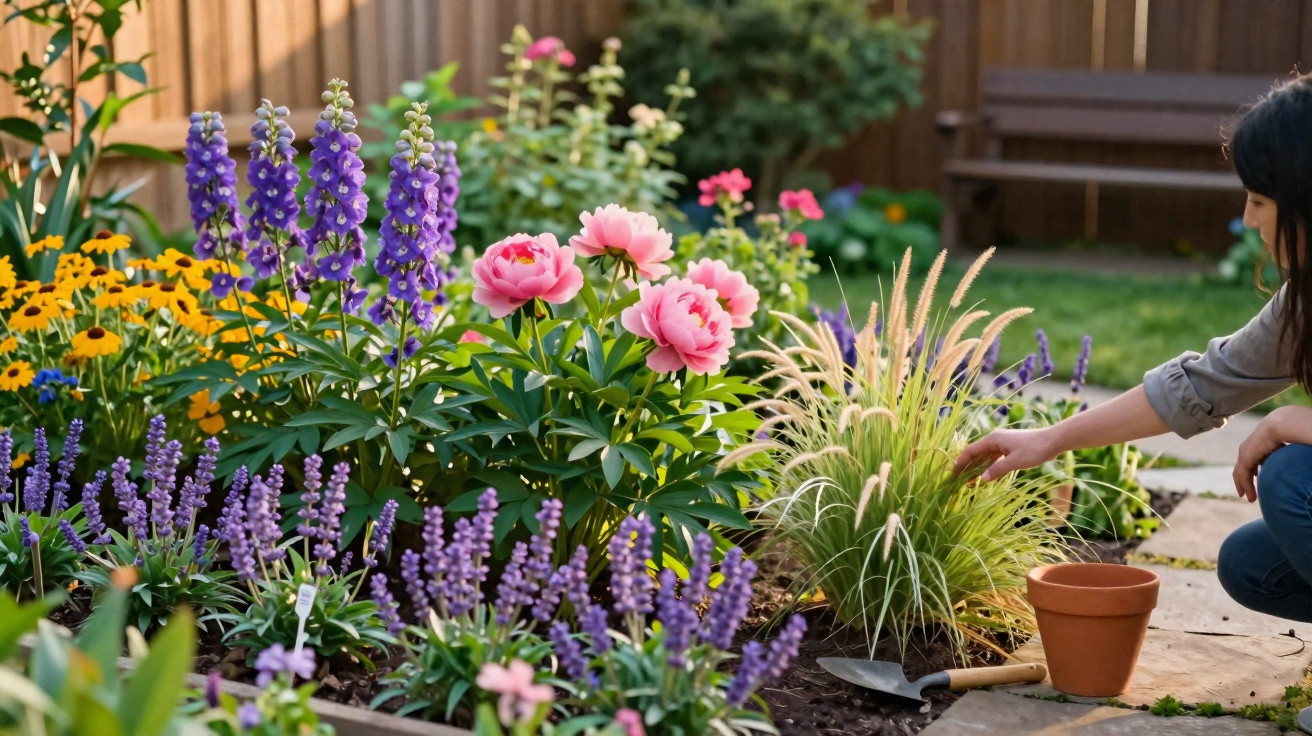
One further point: the flowering period is spectacular but comparatively brief. Anyone wanting colour in the garden over a longer season can combine lilac with later-flowering perennials, such as delphiniums, phlox or coneflowers. This creates a relay effect: first a cloud of fragrance in spring, then an explosion of colour in summer.
Overall, lilac is ideal for people who want a garden in spring that not only looks beautiful but truly smells of the season. With minimal maintenance, it delivers that familiar moment every year when you open the front door, pause for a second and think: “Now it is spring.”




Comments
No comments yet. Be the first to comment!
Leave a Comment