
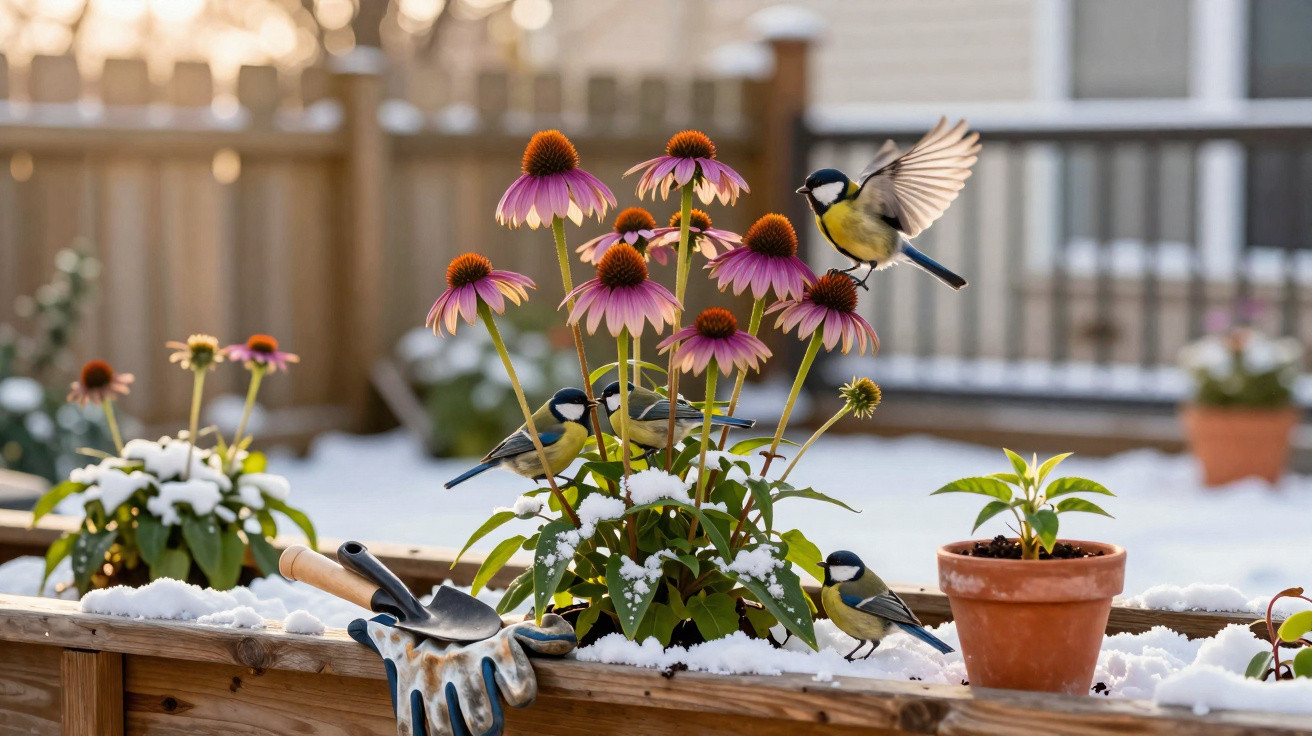
Many garden owners put up bird feeders in winter and still wonder why only the odd bird turns up. The real secret often isn’t the feeder at all, but what you plant in your borders in spring. One particular hardy perennial can turn your garden into a natural buffet for tits and other songbirds for months on end - with no constant topping up.
Why a natural bird buffet in the garden is so worthwhile
If you want to help great tits, finches and other small songbirds, the first thing most people think of is seed silos, fat blocks and suet balls. That can be useful, but it comes with drawbacks: you have to refill regularly, keep things clean and pay attention to hygiene. In mild winters especially, seed can spoil quickly, germs can spread, and leftovers scattered on the ground attract rats and mice.
A border planted with perennials that hold their seed heads works differently. For months, it provides:
- natural seed rather than industrial mixes
- perches at a safe height, away from cats and rodents
- shelter and structure in an otherwise bare winter garden
- food exactly where birds instinctively look for it: on dried flower heads
"If you plant the right perennials in March, you’re basically setting up the winter buffet for tits - without having much work later on."
The biggest benefit is that the food supply grows back. Once established properly, the right perennial can support local birdlife for years, so you don’t have to rethink everything each winter.
The quiet star plant: purple coneflower as a bird-feeding station
The perennial that becomes the understated leading character here is the purple coneflower (Echinacea purpurea). Most people know it simply as an attractive summer border plant, or from the pharmacy as a medicinal herb. In a wildlife-friendly garden, it takes on another role that’s often overlooked: in winter it becomes an almost ideal self-service food source for songbirds.
The trick lies in how the flower is built. At the centre sits a strongly domed, cone-shaped seed head. After flowering, this develops countless small nutlets called achenes. These dry fruits are packed with oil-rich seeds - exactly the kind of fuel tits need in winter to maintain body temperature.
Another advantage is that purple coneflower stems stay firm and upright. Small birds such as great tits, blue tits or goldfinches can easily perch on the dried heads. They can feed while sitting, around 0.5–1 m above the ground - far less risky than food lying among leaves and snow.
"Every spent coneflower head turns into a natural ‘feeding column’ - no plastic, no refilling, no mould."
Purple coneflower is also impressively tough. It copes with temperatures below −20 °C without trouble, returns year after year from the same rootstock, and is therefore ideal for low-maintenance gardens - including in areas with harsh winters.
The ideal timing: why you should pick up the spade in March
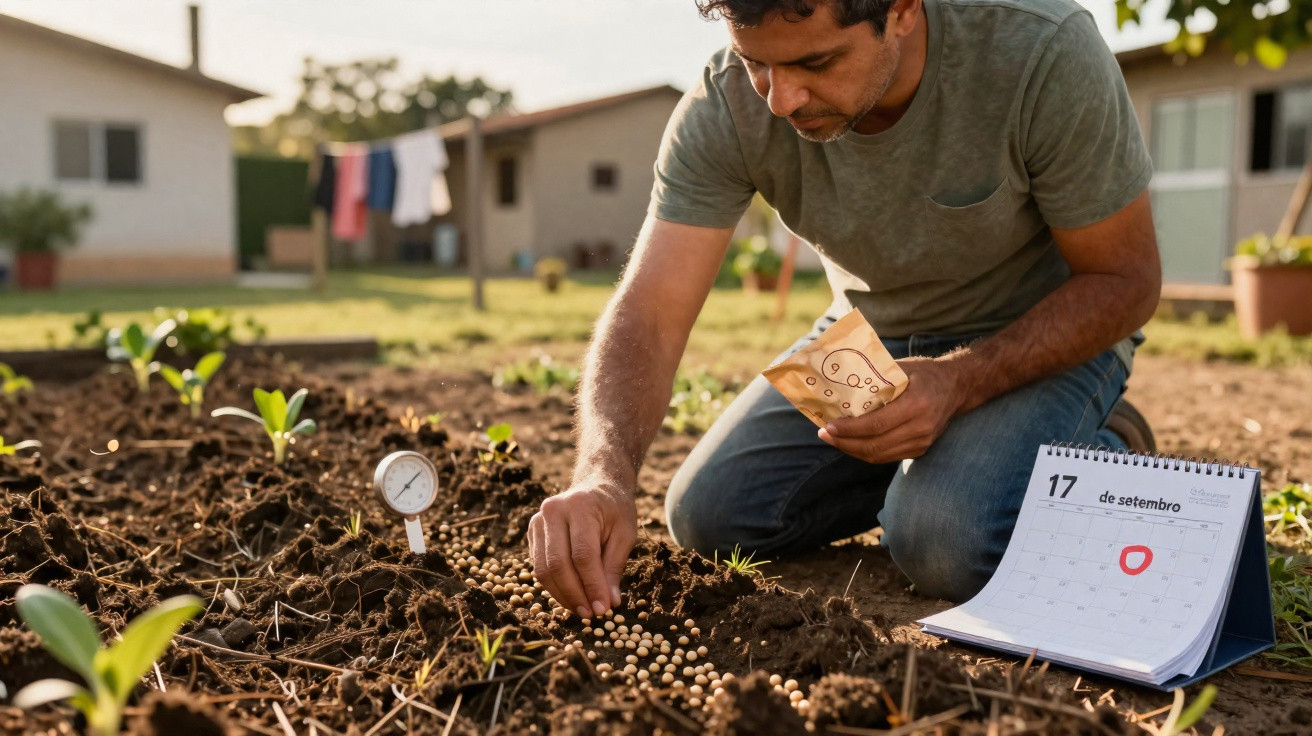
The best time to plant purple coneflower is from mid-March to the end of April. During this window, the soil has started to warm up but still holds enough moisture. Young roots can anchor deeply before the first summer heat arrives.
If you plant much later, the perennial is more likely to suffer from drought stress. That means more watering, slower establishment and fewer sturdy flower heads - and, ultimately, fewer seeds for birds.
Planting in spring delivers a double benefit:
- In summer, the bold flowers provide nectar for insects and add a colourful highlight to the border.
- From autumn onwards, the faded heads become a natural food store for the coming winter.
Location, soil, spacing: how the perennial becomes a bird magnet
Purple coneflower thrives in sun. If you want lots of flowers - and therefore lots of seed - give it at least six hours of direct light a day. In partial shade, it usually produces fewer and weaker flower heads.
How to prepare the border properly
The soil doesn’t need to be perfect, but it should stay free-draining so waterlogging doesn’t develop. A simple guide:
- loosen the soil to a depth of about 20 cm
- on heavy clay, mix in two handfuls of river sand plus a little grit or fine gravel
- briefly dip the root ball in water before planting
- set the plant at the same level it was sitting in the pot
- water in thoroughly so the soil and root ball make good contact
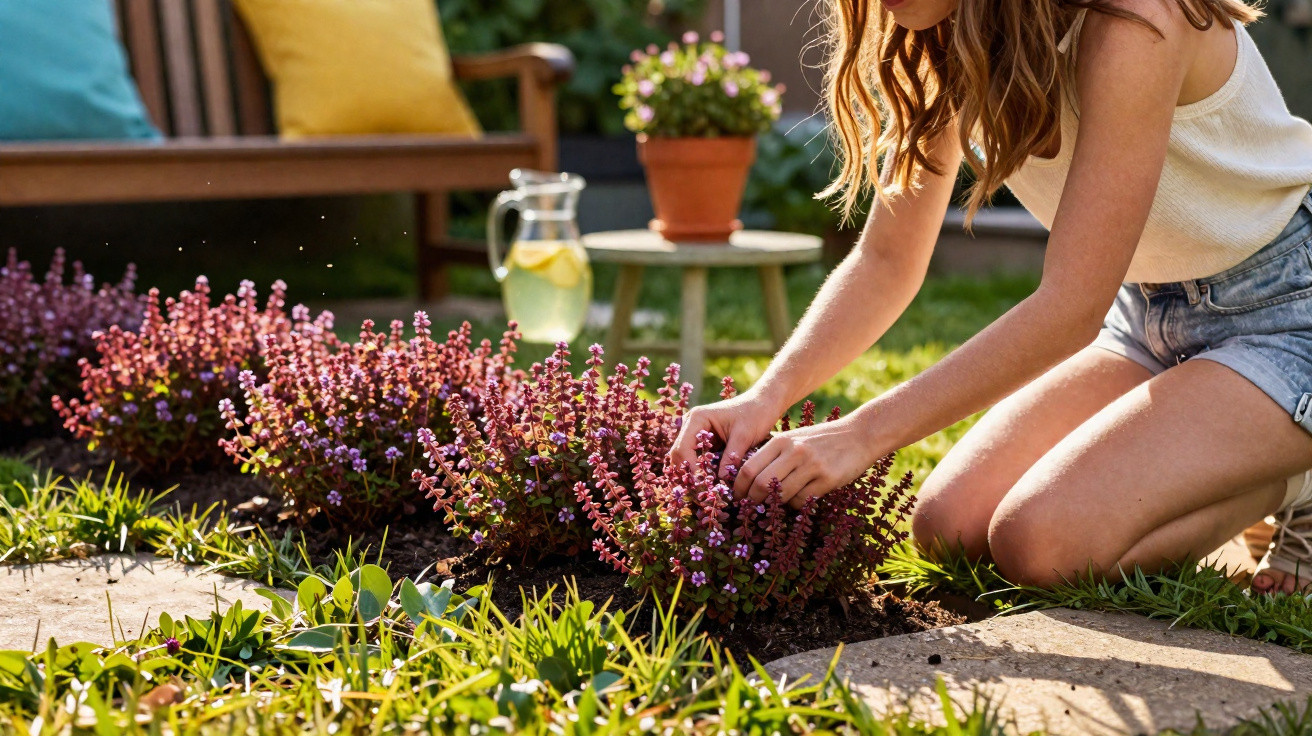
For a genuinely attractive “bird border”, a single plant is rarely enough. A small group works best. In a perennial bed, allow 40–50 cm between plants. If you want to create a real feeding patch, you can plant up to five plants per square metre. From a distance, it looks like a bright sea of flowers in summer, and like a field of small black feeding cones in winter.
Why you should leave spent coneflower heads in place
Many hobby gardeners cut everything back in autumn out of habit and tidy beds meticulously. For birds, that’s a problem. The very things we see as dry and untidy are often crucial for survival.
So when purple coneflower finishes flowering in late summer and autumn, leave the brown, bristly heads standing. That’s where the oil-rich seeds sit. Rain, wind and frost do surprisingly little damage because the seeds are well protected. Tits peck them out gradually - often well into February.
"An ‘untidy’ perennial border isn’t chaos for birds - it’s a pantry, a sleeping place and shelter all in one."
As a bonus, the hollow stems also provide habitat for insects, which in turn feed young birds in spring. That closes a small natural cycle in the garden - and it only requires you to pick up the spade once in spring.
Avoiding feeder pitfalls and combining both approaches sensibly
Traditional feeding stations absolutely have their place, but they also carry risks. At heavily used feeders, droppings, food waste and moisture build up. Bacteria and fungi multiply quickly, and infections such as salmonellosis can spread. If lots of seed ends up on the ground, mice and rats are effectively invited in.
With a dense stand of purple coneflower, you reduce these issues. Birds can take a large share of their winter calories directly from the perennials. You can then use feeders only in targeted periods of severe frost and in smaller amounts. That keeps the pressure at the feeding point low and means you have to clean it less often.
A sensible split might look like this:
- purple coneflower and other seed-bearing perennials as a permanent base supply
- a feeder with high-quality seed mixes only during prolonged frost and snow cover
- regular checks of the feeder and immediate removal of any soiled leftovers
Which plants combine well with purple coneflower
If you’d like to plant more than one species, you can strengthen the effect even further. A mix of perennials provides different types of seed and extends the feeding season.
Good companions include, for example:
- red coneflower (other Echinacea varieties)
- sneezeweed and other coneflower-type plants with substantial seed heads
- tall asters, whose seed is readily eaten by finches
- ornamental grasses such as switchgrass or fountain grass, whose panicles provide small grains
If you also add native shrubs such as dog roses (rose hips), hawthorn or blackthorn, you offer wild birds not only seed but also berries, cover and nesting sites. Over time, the garden becomes a complete habitat rather than just a feeding spot.
Practical tips for small gardens and balconies
You can still use this approach without a large garden. Purple coneflower grows well in larger containers of around 10–15 litres. The essentials are a good drainage layer of expanded clay or gravel and a high-quality compost that isn’t too low in nutrients.
On a balcony, place pots in the sun and out of strong winds wherever possible. In winter, the root ball in a pot can freeze more deeply than it would in the ground, so it helps to insulate with hessian, bubble wrap or a wooden surround. Leave the dried seed heads standing just as you would in a border - tits will also use balcony plants as feeding stations if they’re within reach.
Anyone who watches the interaction between perennials, birds and insects closely even once usually changes how they see “finished” plants for good. What looks like modest, dark cones becomes a lively meeting point where something is happening almost every winter day. Planting a handful of purple coneflower in March is a remarkably simple way to get started.


Comments
No comments yet. Be the first to comment!
Leave a Comment