
A modest little herb can change everything.
Anyone who enjoys summer evenings in the garden knows the double headache: a thirsty lawn that always needs mowing, and mosquitoes that ruin any break outdoors. That is why garden pros are increasingly turning to a low, hard-wearing, scented groundcover that tackles both issues at once: it flowers for months, smells pleasant and makes the area around seating spots far less appealing to biting mosquitoes.
The red thyme (thyme carpet) that replaces lawn and annoys mosquitoes
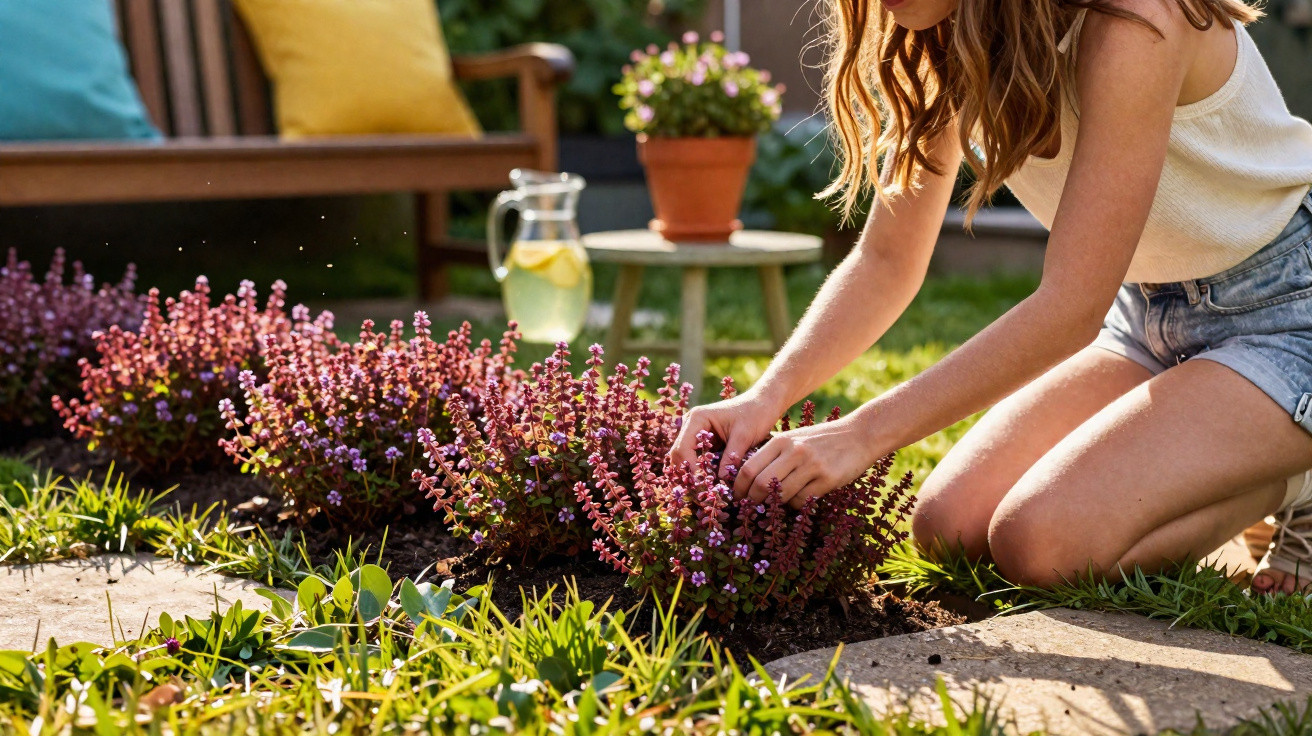
The focus is a particular form of wild thyme: red-flowering field thyme, often sold in garden centres as red thyme or a thyme carpet. Botanically, it sits among the creeping thyme types that form dense, flat cushions.
It stays at around 10 centimetres tall and spreads across the ground like a living carpet. It really comes into its own between stepping stones, on banks, or anywhere grass struggles to thrive.
"The trick is that the leaves contain essential oils whose scent biting mosquitoes really don’t like – especially when you’ve just walked over it."
From May right through to September, countless tiny blooms in pink through to purple appear and lie over the foliage like a veil of flowers. At the same time, the mat remains evergreen, so it still looks attractive even in winter. And in hot summers, when traditional lawns turn brown, this thyme stays impressively resilient.
Why mosquitoes avoid this scent
Thyme is one of the aromatic herbs with a high level of essential oils. Plants use these oils as a defence: they are meant to deter predators and inhibit fungi or bacteria. To us, the aroma is pleasantly spicy; to many insects, it is more of an annoyance.
Biting mosquitoes, in particular, navigate strongly by smell. The scent compounds released by thyme leaves disrupt that navigation, so they are much less likely to fly into those areas. The effect is stronger if you walk across the mat just before sitting down, or run your hand through the cushions, because that releases even more fragrance molecules from the leaves.
- pleasant herbal fragrance instead of chemical spray
- effective disruption of mosquitoes’ search for a “target”
- no electricity costs like insect traps
- a visual lift for bare or hard-to-maintain areas
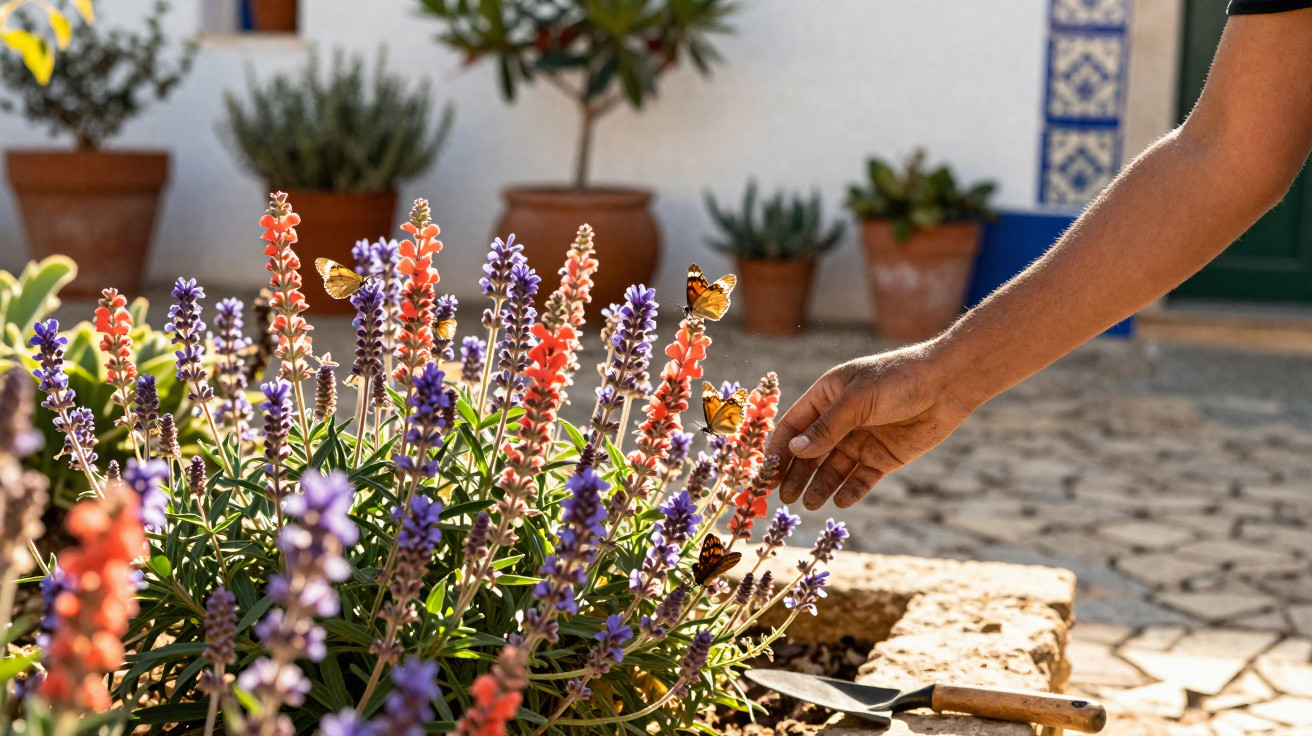
It will not make a garden completely mosquito-free, but many people report far more relaxed evenings on the balcony and terrace-especially when paired with other scented plants such as lavender, lemon balm or peppermint.
Best planting time: act now, benefit in summer
The best time to plant is in spring, once the soil is no longer icy cold but still holds some moisture. If you set the cushions now, you can usually enjoy a visible effect and the first flowers in the very first summer.
For strong establishment, red thyme does not need pampering-quite the opposite. It prefers poor, dry, well-drained soil. Heavy, clay-rich ground should be loosened beforehand with sand and fine gravel so that water cannot sit around the roots. Extra fertiliser or compost is counterproductive here; it makes the plants soft and more vulnerable.
Choosing the right spot in the garden
The ideal position is in full sun and not under constant heavy foot traffic. Good options include:
- joints between natural stone slabs on paths or the patio
- sunny banks and slopes where lawn rarely succeeds
- rock gardens and dry-stone walls
- edges around seating areas and fire pits
For that classic carpet effect, depending on the variety, allow roughly 9 to 12 young plants per square metre. A spacing of 30 to 40 centimetres works well: it gives each cushion room to spread without competition, and within one to two years they will close up almost completely.
Plant, care, relax: step by step
- Prepare the ground: remove weeds and any remaining grass, loosen the soil, and mix in sand and gravel if needed.
- Water the seedlings: stand the pots in a bucket of water briefly until no more bubbles rise.
- Dig planting holes: make them slightly larger than the root ball, but not too deep.
- Place and firm in: set the plants so the top of the root ball sits level with the soil surface, then press in lightly.
- Water in: give a thorough soak once so any air gaps in the soil disappear.
In the first few weeks after planting, it pays to keep an eye on the forecast: if rain does not arrive, a moderate watering once or twice a week is usually enough. After a few months, the roots will have reached deep enough that the mat can cope with longer dry spells without extra watering.
Less work instead of constant stress and a bin full of grass clippings
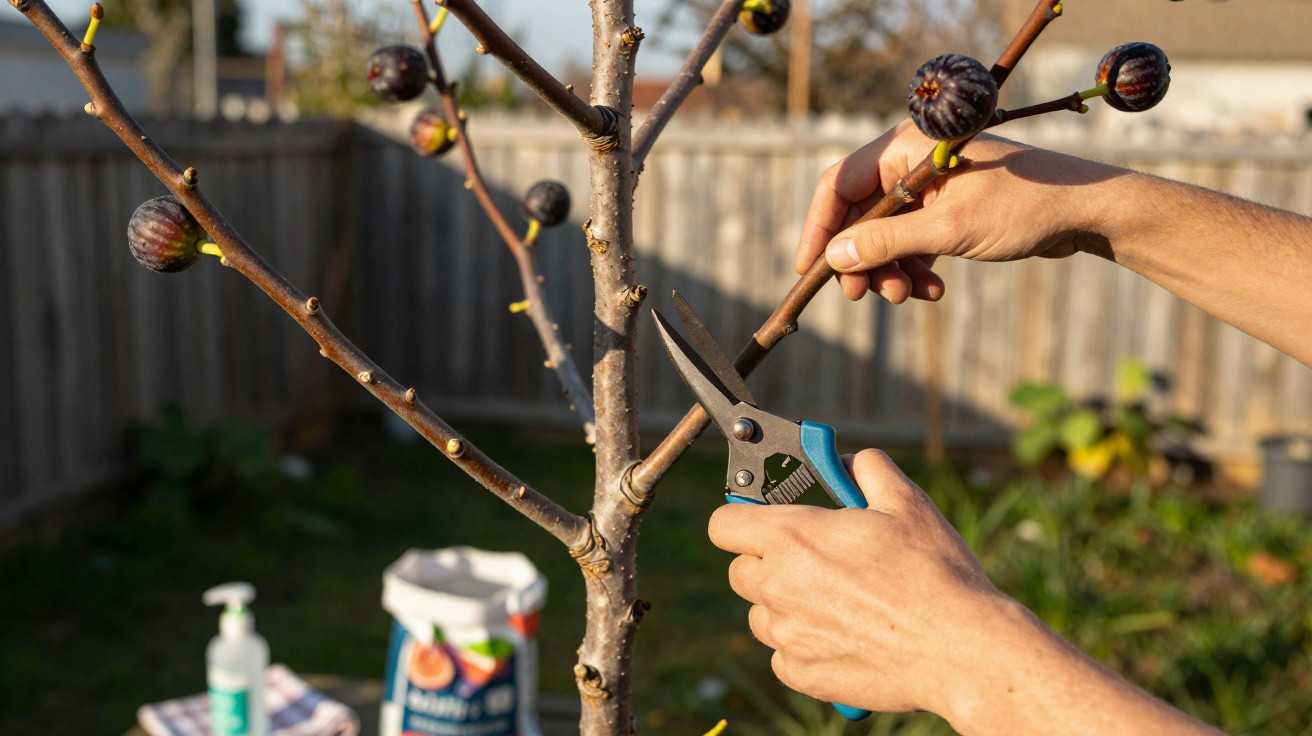
Once established, thyme needs very little attention. A trim towards the end of winter keeps the cushions compact and encourages fresh growth. One pass with hedge shears or sturdy scissors, removing dead material-that is normally all it takes.
Feeding is not only unnecessary; it often does more harm than good. Lean conditions keep the plants low, dense and tough. Anyone who used to pump thousands of litres of water onto a lawn each summer quickly notices just how much consumption drops with an aromatic groundcover.
"Many hobby gardeners report water savings in the five-figure litre range per season since they replaced large lawn areas with thyme carpets."
More flowers, more life in the garden – despite mosquito protection
What is particularly interesting is this: while the scent compounds help keep biting mosquitoes away, they attract other insects. Bees, bumblebees and butterflies love the tiny thyme flowers as a nectar source. So if you want an insect-friendly garden, this offers a rare balancing act: fewer mosquitoes, but a buffet for pollinators.
Especially in hot, dry summers, red thyme supports biodiversity because it often continues flowering even when many other plants have already given up. Around seating areas and paths, you end up with a lively, buzzing border that offers far more visually and ecologically than a tightly mown lawn.
Practical tips for balconies and small courtyards
Even without a garden, you can use the same idea on a smaller scale. In wide troughs or shallow bowls, the aromatic carpet also thrives-provided the spot is sunny and excess water can drain away. On a city balcony, this can create a fragrant zone that helps keep annoying biters away from your sitting area.
In pots, drainage is key: use a free-draining mix of compost, sand and a little fine gravel, plus a drainage layer of expanded clay or gravel at the bottom. Too much water is more harmful than helpful. It is better to water thoroughly once and then let it dry down, rather than adding small amounts constantly.
What to watch out for – and how to boost the effect
It is not completely risk-free: anyone who reacts strongly to essential oils or has known herb allergies should start by testing with just a few plants. Contact with sensitive skin can occasionally cause irritation, similar to other aromatic herbs.
The mosquito-repelling effect works best as part of a coordinated approach. Around the terrace and balcony, red thyme pairs well with:
- lavender for extra fragrance and abundant flowers
- lemon balm for fresh, citrus notes
- peppermint in pots, so it does not spread
- various citrus-scented plants such as lemon verbena
All of these herbs release fragrance compounds that irritate mosquitoes or mask human scent. Together they create a kind of natural protective belt, without having to reach for spray every hour. If you plant now, you can sit outside far more comfortably by next summer-with less lawn stress, more flowers and a garden that suits the terrace brilliantly.



Comments
No comments yet. Be the first to comment!
Leave a Comment