
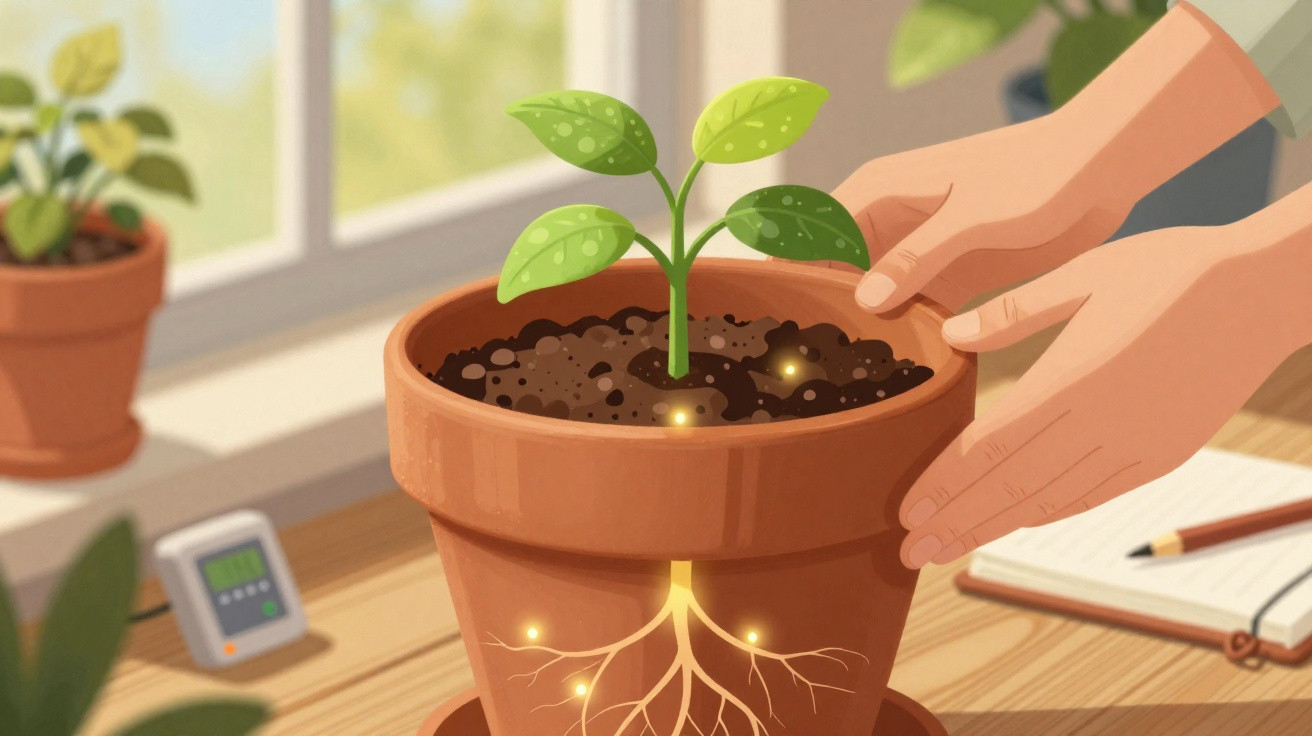
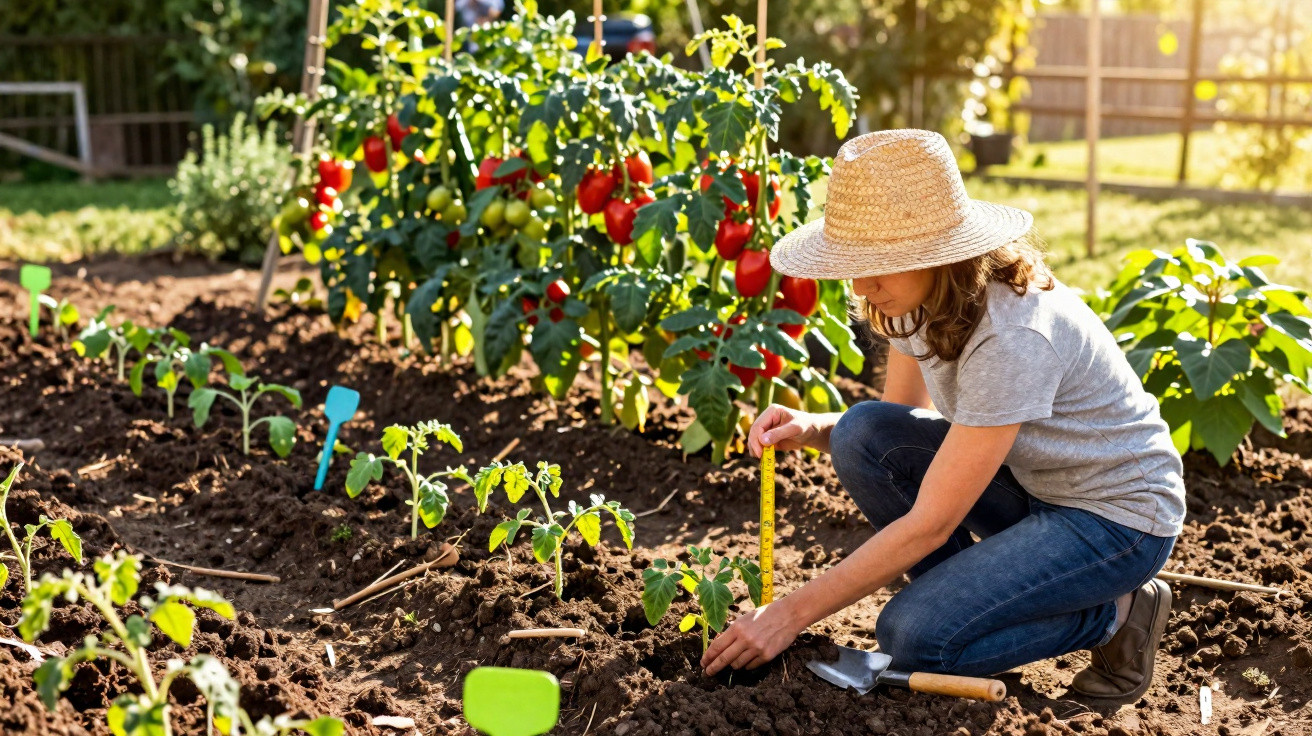
The greenhouse carried the gentle noise unique to a place full of plants: fans droning, water drops tapping plastic trays and gravel crunching softly under rubber boots. At one end, tomato vines were scrambling up their strings towards the glass roof, a tangle of leaves and determination. At the other, a researcher in a worn hoodie was crouched over something rarely featured in polished gardening books: the roots.
A trace on his laptop suddenly rose, then fell.
“The plant just hit the brakes,” he murmured, almost to himself.
Overhead, the leaves remained lively and full of promise. Under the soil, though, a quiet exchange had already finished. Something within those pale, spreading fibres had said: enough.
The message had been sent.
The hidden brake pedal beneath our feet
Stroll through a thriving garden in late spring and everything seems driven to do more: stems stretch higher, leaves broaden and flowers produce another flush before the real heat arrives. From the surface, it appears to be pure momentum. Below ground, however, plants are endlessly assessing water, nutrients and stress through silent checks.
At the centre of this decision is one remarkably straightforward truth: roots speak first. Well before a leaf begins to curl or a stem starts to sag, roots release chemical messages that quietly communicate, “Grow” or “Slow down.” Seeing plants as living things that listen to their own underground traffic makes every piece of soil seem more alive.
Some of the strongest evidence comes from drought trials that can sound almost harsh on paper. Two rows of the same young maize plants receive identical light, air and genetics. The sole difference lies below the surface: one row has access to a deep water supply, while the other encounters dry soil just a few centimetres down.
For a time, both rows look healthy from above. Leaves unfold, stems become thicker and everything seems to carry on as usual. The instruments connected to their roots reveal a different reality. In the drier pots, levels of the hormone abscisic acid, or ABA, begin increasing in the roots long before a plant wilts. That ABA travels upwards like an urgent notice: stop spending and preserve what remains. Shoot growth slows several days before we can see it happening.
This root signal is rather like receiving a fraud alert from your bank. It does not close down the entire operation; it simply demands a reassessment. Leaf expansion is reduced, fewer buds are formed and more resources are reserved for survival. Scientists now understand that roots alter ABA levels in response to soil moisture, salt, compaction and even competition from neighbouring roots.
The reasoning is unexpectedly easy to grasp. When the base of a plant detects stress, investing energy in extra leaves or further height becomes risky. The roots therefore take control and discreetly reduce the pace. Growth slows not because the plant is lazy, but because it’s cautious. When growth is understood as a continuing negotiation between roots and shoots, the idea of “a plant that just won’t grow” takes on a different meaning.
Listening to plant roots in your own soil
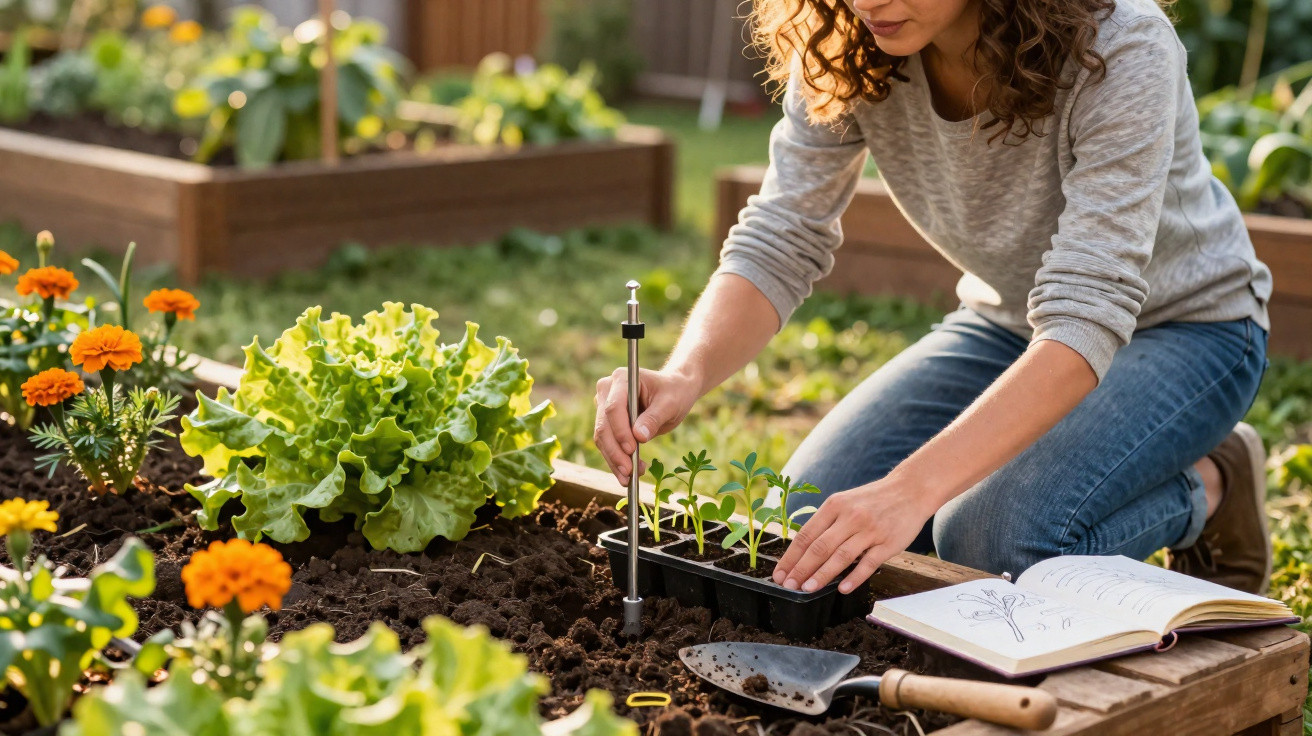
You do not need laboratory equipment or a hormone sensor to respond to this natural root signal. The most useful approach is almost comically simple: observe from the bottom upwards. When watering, pause briefly and notice how fast the soil absorbs it. Take a little soil between your fingers. Is it crumbly, sticky or dry as dust? Those textures offer immediate clues about the messages being sent by your plant’s roots.
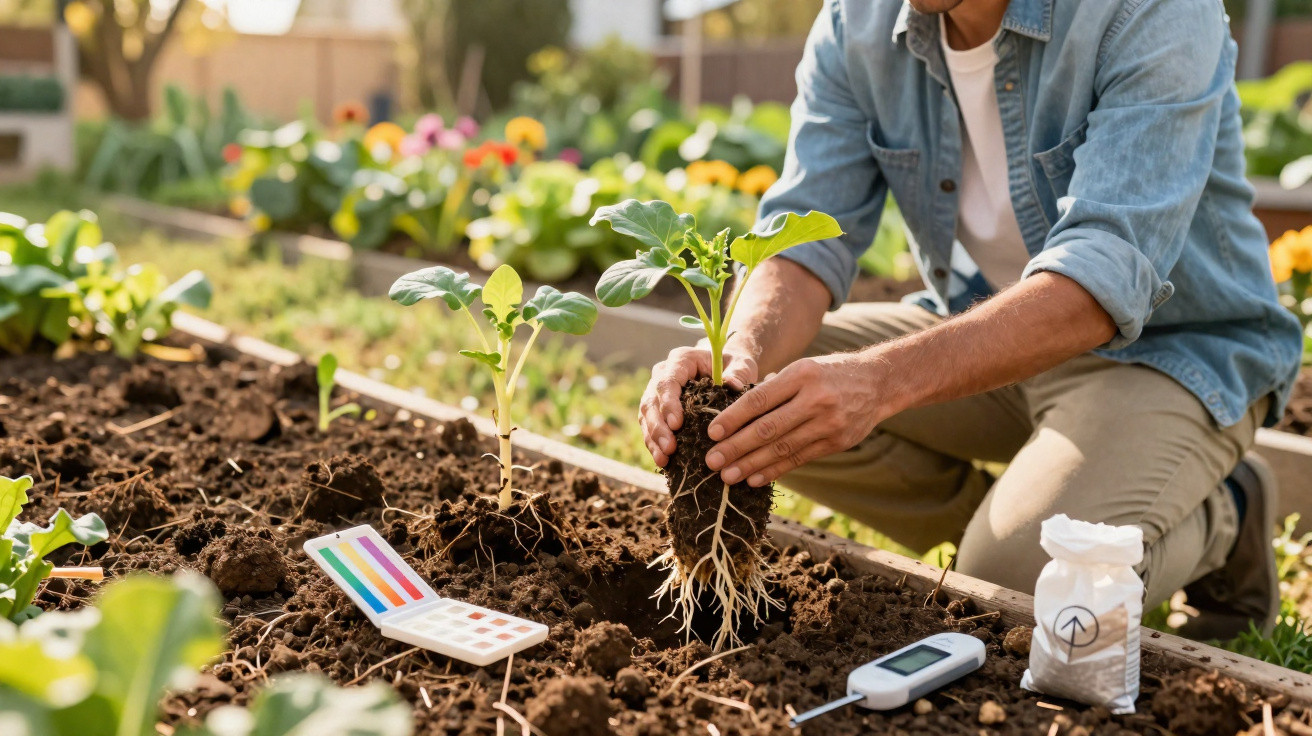
If growth has stopped while the upper part appears healthy, carefully ease the plant from its pot or gently scratch into the top few centimetres of a bed. Fine, white roots generally say, “I’m exploring, keep going.” Roots that are brown, brittle or thinly spread often indicate that the slowdown signal has already been triggered. That is the time to alter watering, aerate compacted soil or reduce fertiliser, rather than trying to force taller stems.
This challenges an instinct many of us share. When a plant is not growing, we add more: extra water, more feed and more sunlight. We have all had that moment of standing over a plant with a watering can like an anxious parent. Yet these well-intentioned “boosts” may drown or scorch roots that are already under strain, making the plant send an even stronger message to slow down.
A gentler, quieter method is available. Regard each pause in growth as a question from the roots rather than a failure in the leaves. Examine drainage before blaming the cultivar. Check whether the roots have enough room before looking for a “stronger” fertiliser. And, honestly, no one manages this every day. Even so, directing attention below ground once a week can change how your plants respond.
Plant physiologist Dr. Léa Martin puts it bluntly: “Shoots are the show, but roots write the script. When roots sense trouble, they don’t ask for permission. They just send the hormone message that says: slow the show down.”
Monitor the watering rhythm
When soil repeatedly shifts from bone-dry to waterlogged, roots release more stress signals and shoots can remain in a constant slow-growth state.Give roots room before pursuing height
A marginally larger pot or a less crowded bed can often achieve more than any growth tonic. Crowded roots are like passengers on a packed Underground train: no one feels inclined to sprint.Loosen your soil rather than pulverising it
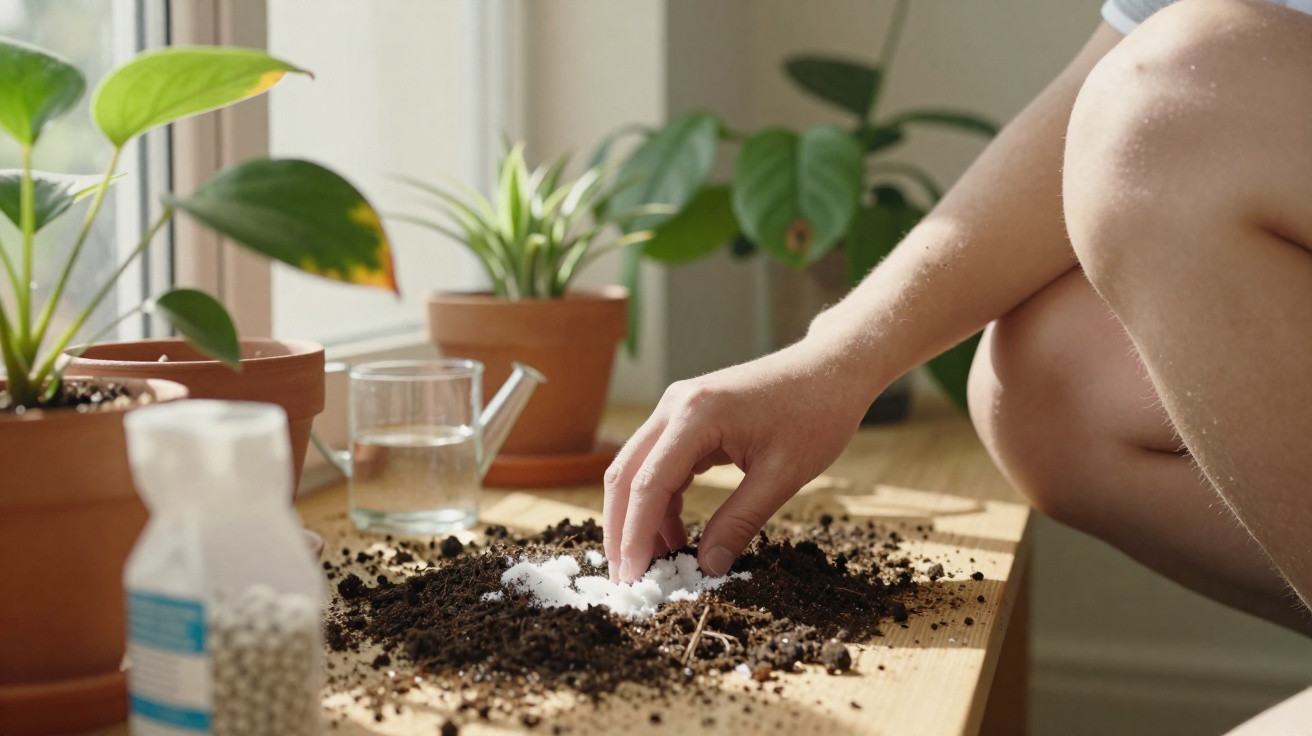
Roots require pockets of air. If soil is compressed into a hard mass, the slowdown signal intensifies even when nutrients are technically available.Do not overfeed in an “emergency”
Powerful, salty fertilisers may shock delicate root tips. In response, the plant protects itself by reducing new stem and leaf growth.Treat pauses as strategy, not drama
A lull in midsummer or midwinter can mean roots are prioritising survival over display, not that you have lost your gardening touch.
The reassuring wisdom of plants that know when to stop
Once it becomes clear that a natural root signal controls the pace, plant growth seems less baffling and more… purposeful. You may notice a houseplant halt new leaf production after it has gone without water for a week, then begin again when the soil is carefully rehydrated. You might see a street tree produce fewer side branches through a dry summer, then surge into strong growth after a reliably wet autumn.
There is something comforting in that. Plants are not simply waiting for us to become flawless carers. They continually take their own readings, adjust their chemistry and apply the brakes when the underground figures do not add up. That quiet ABA message travelling from root to shoot is not weakness; it is resilience. It is an inbuilt “enough” that prevents growth from carrying them into a crisis they cannot survive.
For gardeners, growers and anyone looking after one determined ficus on a windowsill, the lesson feels curiously human. Growth is not only a matter of pushing harder. It also depends on having a system able to slow down, regroup and wait for improved conditions. When you respect that hidden brake pedal in the roots, your role changes. You become less a cheerleader for relentless more and more, and more an ally who maintains calm, stable conditions so that, when the roots are ready, the green part of the plant can confidently press “go” once more.
| Key point | Detail | Value for the reader |
|---|---|---|
| Roots send slowdown signals | Hormones such as ABA increase in stressed roots and travel upwards to limit shoot growth | Helps you recognise growth pauses as protective strategies rather than unexplained failures |
| Soil conditions trigger the message | Dryness, compaction, salt and crowding can all cause roots to “hit the brakes” | Directs you to correct the underground cause instead of overwatering or overfeeding |
| Observation beats constant intervention | Paying attention to soil texture, root colour and growth rhythms shows what the plant is “saying” | Helps you time watering, repotting and feeding in line with the plant’s own signals |
FAQ:
- Question 1 What exactly is the “natural root signal” that slows plant growth?
- Answer 1 It is chiefly an increase in stress hormones such as abscisic acid (ABA), which roots produce when they detect drought, salt or other difficulties. The hormone moves to the shoots, telling the plant to slow leaf expansion, produce fewer new buds and conserve resources.
- Question 2 How can I tell if my plant is slowing growth because of root stress?
- Answer 2 Watch for understated clues: smaller new leaves, longer intervals between shoots and normal colour alongside apparently “frozen” growth. Inspect the roots where possible; brown, mushy or tightly circling roots usually show that the slowdown message is active.
- Question 3 Does watering more cancel this slowdown signal?
- Answer 3 Not in every case. Where roots are damaged or soil is compacted, additional water can remain around the roots and worsen the problem. Gentle, consistent moisture and improved drainage help a plant ease its stress response much more effectively than emergency soaking.
- Question 4 Can fertiliser override the roots and restart fast growth?
- Answer 4 Fertiliser supports growth only when roots already feel secure. If they are stressed, strong fertiliser can cause further stress signals. Light feeding with a healthy root system works; heavy feeding for a struggling plant often has the opposite effect.
- Question 5 Should I worry if my plant takes a “rest” and stops growing for a while?
- Answer 5 Not necessarily. Many plants naturally rest in response to seasons or light levels. When leaves appear healthy and roots are firm and white, a pause generally means the plant is managing energy sensibly under the guidance of those root signals.

Comments
No comments yet. Be the first to comment!
Leave a Comment