
The first snowfall had scarcely settled on the grass before the robins arrived, fluffed up like little russet balloons along the icy fence. From the kitchen window, mug of coffee in hand, you looked on with a quiet sense of pride at the overflowing feeder you had put up only the week before. Sunflower hearts, peanuts and an expensive “winter wellness” seed blend were all there. The birds queued as though they were waiting at a street-food van.
Then, one morning, a finch caught your eye as it gripped the perch, unusually motionless. Its plumage was untidy and its eyes were half shut, as though its spark had disappeared overnight. The feeder remained full, but the garden had fallen silent. Something did not seem right.
You added more seed and reassured yourself that nature would take care of it.
Sometimes, that is precisely where the harm begins.
When a winter buffet becomes a slow-motion trap
Seen through the window, a lively garden feeder can feel like a small miracle. During a week of freezing weather, the garden is suddenly full of colour and activity. Goldfinches bicker, robins hop below to collect fallen scraps, and a timid nuthatch darts back and forth like an anxious commuter. It can seem as if you are saving them from the cold.
But an act of kindness can, without anyone noticing, make survival more difficult. When scores of birds are drawn to one confined, reliable feeding point, snow and ice are no longer winter’s greatest dangers. Disease, predators and poor nutrition can take hold almost unseen.
The birds will not protest. They simply return.
In January 2021, reports from across the eastern United States began to describe ill and dead finches beneath feeders. Wildlife agencies linked many of the deaths to salmonellosis, a bacterial illness that spreads rapidly when birds feed and defecate in the same crowded areas. A single unclean feeder, lovingly topped up but never properly scrubbed, can turn into a gradual communal poison.
A comparable trend has been recorded in UK greenfinches with trichomoniasis, as a garden bird that was once widespread declined by millions over several bleak years. The cause was “safe” feeding stations in gardens that became centres of disease.
The alarming thing is that, from the sitting room, it can look no different from a busy brunch.
The reason is brutally straightforward. In natural settings, robins and finches search for food across broad areas and seldom feed from exactly the same surface for long. Parasites and bacteria therefore remain dispersed. At a feeder, however, it all gathers in one place: beaks, droppings, partly eaten seed and wet husks. One sick bird can arrive, wipe its beak, shake its head and leave pathogens behind for the next three dozen visitors.
These feeders may also tie birds to one type of food. Seeds that are rich in fat but lacking essential nutrients can function like junk food: they provide enough energy to carry on, but not enough to maintain strength. A bird can look “plump and fine” right up until the moment its immune system buckles.
From behind the glass, all we notice are snowflakes and fluttering wings.
How to feed winter birds without quietly harming them
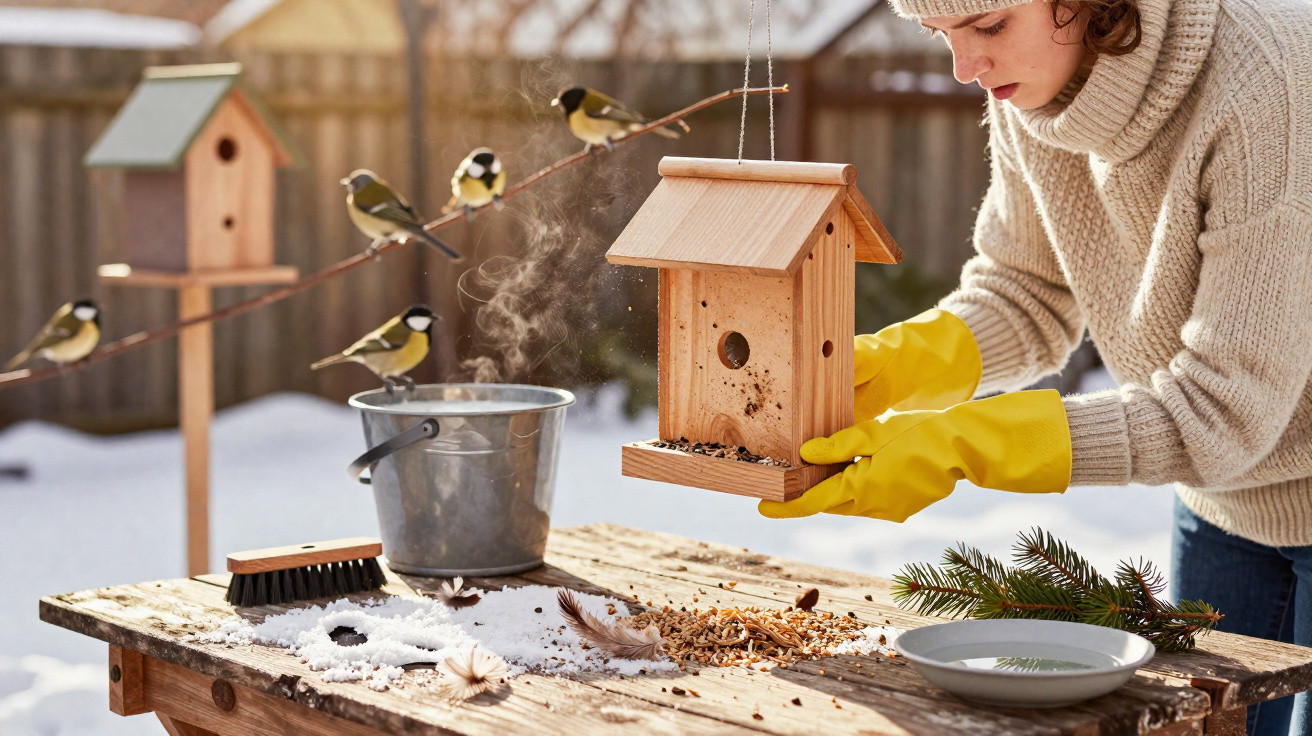
You can make a feeder less like a hazardous canteen and more like a healthy winter stop. The first step is distinctly unglamorous: cleaning. Ornithologists advise washing feeders every one to two weeks in winter, and straight away if you spot an unwell bird. Clean them with hot water and a scrubbing brush, disinfect with a mild bleach solution, then allow every part to dry fully before adding fresh food.
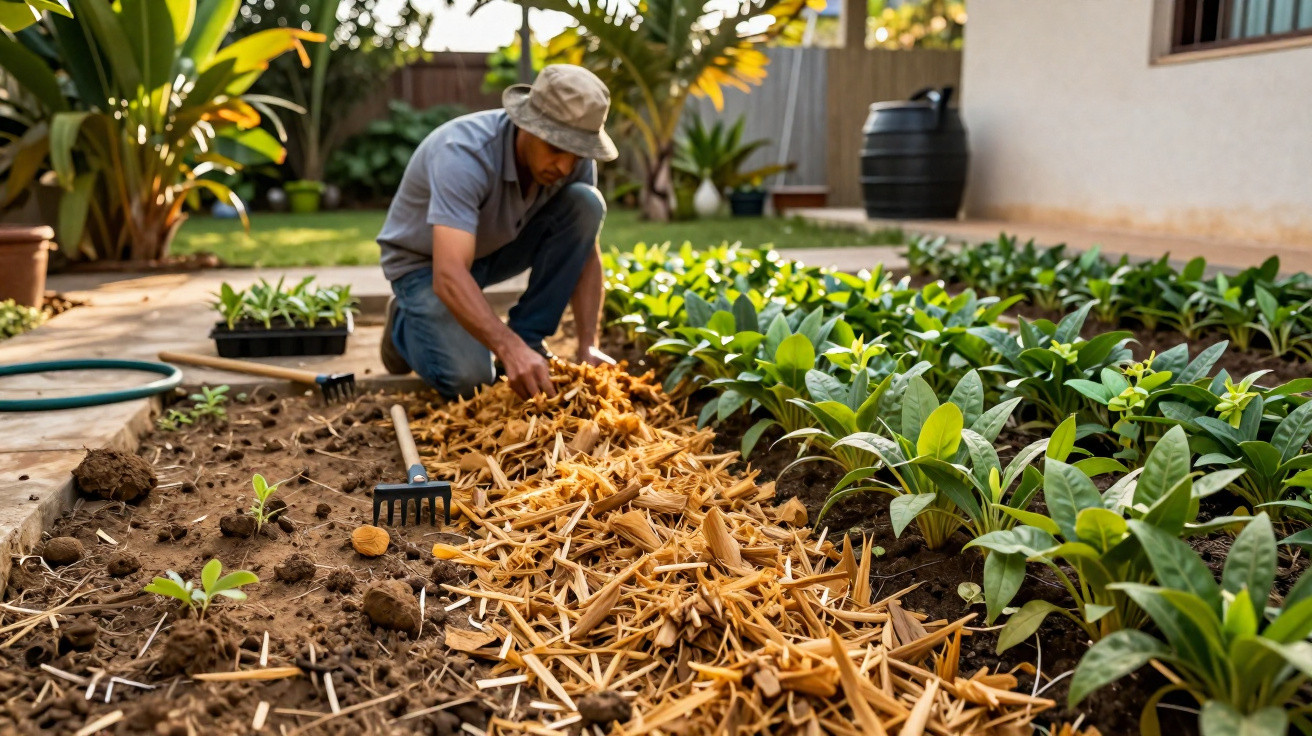
Move feeders to different positions so droppings do not accumulate in a single area of soil. Every few days, rake up or carefully remove old, damp seed husks from beneath them. Rather than providing one enormous station, distribute food among several smaller feeders to prevent birds gathering too tightly.
It may seem overly particular. In reality, it is life support.
During a cold snap, many people assume the main risk in a garden is failing to provide enough food. The less obvious issue is what is offered and how dependable that supply becomes. Robins and finches benefit from variety: good-quality seed, natural berries and nearby shrubs that shelter overwintering insects. When all they can access is a tall feeder full of cheap mixed seed, mostly filler grains, they use energy opening shells and husks for very little nutritional return.
In truth, almost nobody keeps up with this every day. We refill the feeder, take a photograph, and then everyday life intervenes; the damp, clumped-up debris remains until the weekend. That is when mould, bacteria and parasites begin to thrive while no one is watching.
Bird feeding is not solely an act of generosity. It requires a rhythm.
“Backyard feeding can absolutely help birds in winter,” says one urban wildlife vet I spoke with, “but only when people treat feeders more like a responsibility than a decoration. The moment you hang that first one, you’re changing the birds’ behavior around your home.”
- Position feeders at least a few metres apart to reduce crowding and pecking.
- Provide varied foods: black oil sunflower seeds, suet and some fruit for robins.
- Stop feeding for a week and carry out a thorough clean if you see birds that are fluffed up and lethargic.
- Place feeders either very near windows (under 1 m) or well away from them (over 10 m) to lower the risk of fatal collisions.
- Grow native shrubs and berry bushes, ensuring the feeder supplements rather than replaces the whole diet.
The quiet question over your winter garden
After seeing a finch hunched beneath a feeder with half-closed eyes, it is difficult to forget. You begin to spot the recurring signs: the same small group dominating the perches, more timid birds lingering in the shadows, and every visit drawing them from wild hedges towards one bright silo of seed.
That is the uneasy reality of modern “backyard nature”. We are no longer merely observing. Each refill and every product chosen from a shop shelf influences which birds make it through winter around our homes. At times we help; at other times, unintentionally, we make the season tougher than the snow itself.
The answer is not to remove every feeder and draw the curtains. It is to feed as a partner rather than as a vending machine. It means allowing parts of the garden to remain slightly wilder, and replacing one large, crowded buffet with smaller, cleaner and more considered supplies.
Next time you stand at the window with your coffee and glimpse a robin’s red breast, ask one simple question: if this bird relied on my garden for the next three months, would it truly have a fighting chance?
The snow will not reply. Quietly, the birds will.
| Key point | Detail | Value for the reader |
|---|---|---|
| Clean feeders regularly | Scrub and disinfect every 1–2 weeks, and after any sign of sick birds | Lowers the risk of disease and mass die-offs at your feeder |
| Reduce crowding | Use several small feeders, spaced apart, and clear seed waste underneath | Restricts stress, aggression and the spread of germs |
| Offer varied, high-quality food | Prioritise sunflower seeds, suet and natural habitat rather than cheap mixed seed alone | Helps support stronger immunity and healthier winter survival |
FAQ:
- Question 1 Are garden bird feeders harmful to robins and finches?
- Question 2 How frequently should I clean bird feeders during winter?
- Question 3 Which signs suggest birds at my feeder are ill?
- Question 4 Should I pause bird feeding when there is a disease outbreak locally?
- Question 5 What is the safest way to support birds during severe cold spells?

Comments
No comments yet. Be the first to comment!
Leave a Comment