

The lawn appeared flawless, almost artificial.
An even green carpet, cut to the same height throughout, in one consistent colour, with neat stripes left by a proud weekend mower. It was the sort of garden that attracts compliments at barbecues and self-satisfied looks through the window. For a while, it can genuinely feel like control: no weeds, no clutter, no unexpected surprises.
Then the first heatwave arrived.
Within three days, the pristine lawn faded to beige, then grey, before becoming crisp beneath your feet. Yet two houses along, an elderly neighbour’s “mess” - a jumble of wildflowers, herbs, clover patches and an uneven hedge - remained determinedly green. Bees kept buzzing. Shade held on. Life carried on as normal.
That was when one hard truth became clear: the neater the garden, the more vulnerable it can be.
When perfection fails in the first storm
Take a walk around any new housing estate and the pattern is obvious: level lawns, Ikea planters and identical clipped box balls. It all seems lifted from one catalogue. Safe, predictable and efficient.
Then an actual season turns up.
There may be relentless rain, too many sunny days or an unusual April frost. The matching gardens respond in precisely the same way: poorly. Brown areas develop in the same places. The same shrubs die during the same week. The same diseases spread, because every plant is of the same species and age, sharing the same vulnerabilities.
Uniform beauty quickly fractures when faced with real life.
Consider the European summer of 2022. Public lawns dried out in entire sections. Sports pitches shut. Immaculate suburban lawns became dusty surfaces, clinging to whatever sprinkler water remained. Plenty of people spent a small fortune attempting to “save” a green carpet that had never been designed to endure genuine heat.
At the same time, some supposedly “ugly” gardens simply kept going.
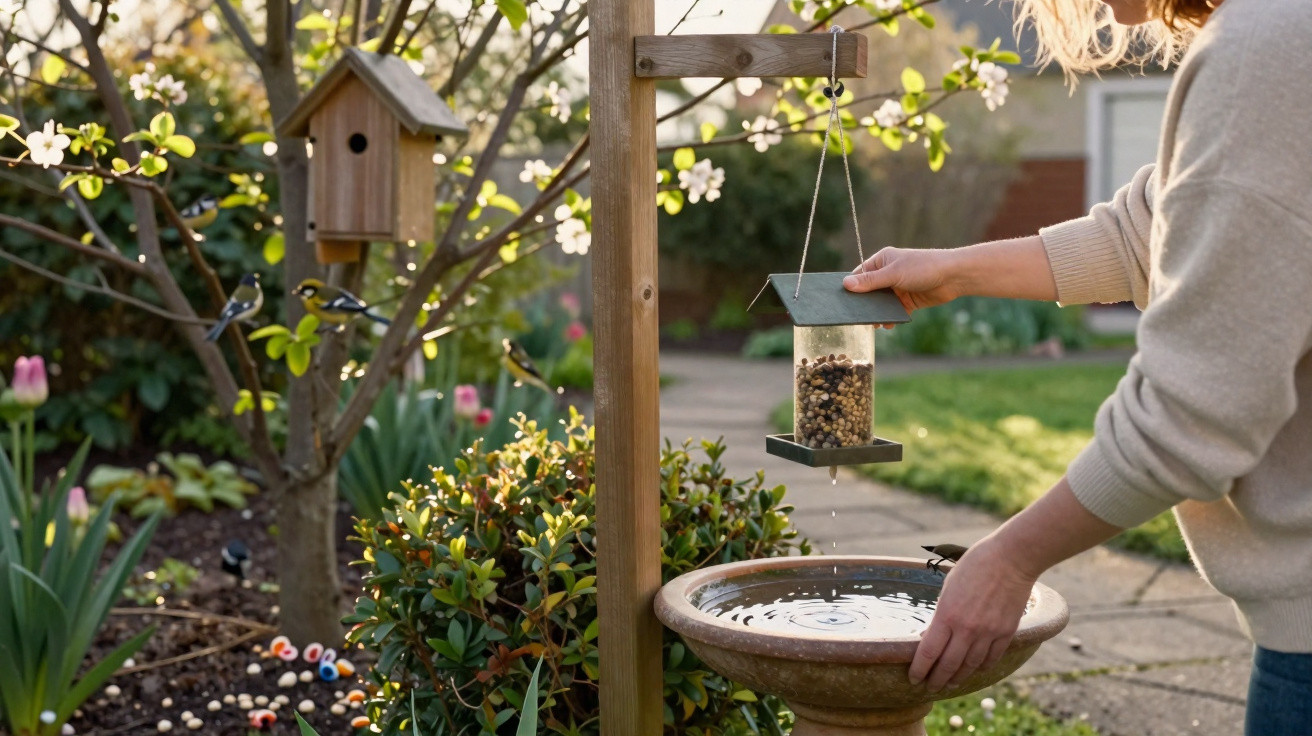
They contained mixtures of deep-rooted perennials, a few fruit trees, an untidy herb bed and ornamental grasses slanting to one side. They were hardly Instagram-perfect, but these gardens remained cooler and greener. Birds filled them in the evenings. Beneath the mulch, the soil stayed moist while the neighbouring lawn baked like toast.
The difference was almost embarrassing.
The explanation is straightforward: uniform systems are fragile because they have only one way to function. One grass species. One root depth. One flowering period. One type of visiting insect. Just one script.
When anything disrupts that script - a new pest, a heatwave or an exceptionally wet spring - the entire garden fails together. A varied, uneven garden has dozens of contingency plans: shade for shelter, deep roots that reach water, plants that draw in pest predators, and different growth cycles so that not everything struggles simultaneously.
Diversity is not chaos. It simply creates more ways to recover.
How to create a resilient garden for real life
Begin on a small scale: transform one square metre.
Choose a corner of the lawn and stop cutting it so closely. Allow a few “weeds” to return, then introduce several hardy perennials, such as echinacea, yarrow, sedum, lavender and oregano. Combine varying heights, colours and flowering seasons. Add a light layer of mulch around them to shield the soil.
Rather than treating the garden as one large, identical area, work in patches.
Create a tiny shaded jungle beneath a tree, a sun-soaked strip of herbs and gravel, or an untidy spot with logs and wildflowers where insects and hedgehogs can shelter. The aim is not to produce a magazine photograph. It is to limit how many things can go wrong at once.
The first worry is nearly always identical: “My garden will look like I gave up.”
That is the trap set by perfect-lawn culture. We have learned to see straight lines as control and irregularity as laziness. However, truly resilient gardens tend to look slightly… lived in. Their paths bend around plants rather than slicing through them with ruler-straight lines. Their shrubs are not cut into anxious geometric shapes. Their beds retain last year’s seed heads through winter to feed birds.
Let’s be honest: nobody genuinely does all this every day.
No one has the time or energy to weed every square metre by hand, battle every dandelion and water grass at dawn throughout the summer. That routine works only with stable weather and empty weekends. Real life does not follow that timetable.
Eventually, you stop trying to control the garden and start paying attention to it. That’s usually when things get interesting.
“A resilient garden looks slightly untidy to a control freak, and perfectly alive to everyone else,” a landscape ecologist told me while walking through what looked, at first glance, like a wild thicket.
So, what does practical diversity look like? It is not a random jungle. Think of it instead as a discreet toolbox made of plants:
- Combine at least three kinds of groundcover, such as clover, creeping thyme and low-growing perennials.
- Add shrubs at different heights to disrupt wind and form microclimates.
- Use deep-rooted plants that can access moisture during dry spells.
- Retain a corner of dead wood and leaves for insects and soil organisms.
- Allow some flowers to set seed for birds and natural self-seeding.
Every extra layer acts as another safety net when the weather becomes unpredictable.
The quiet power of irregular beauty
After watching a uniform garden collapse during a difficult season, it becomes harder to romanticise control. You begin to notice the understated strength of slightly wild gardens: those alive with buzzing on hot afternoons and still shaded when every other patio feels like an iron plate. You also see that children prefer playing there, among hiding places and varied textures underfoot rather than on one flat, unchanging surface.
That change in perspective is not immediate. At first, you mourn your neat lawn a little. Then something more profound shifts. You start to view the garden as an ecosystem rather than a trophy. Instead of asking, “How can I keep everything identical?”, you begin asking, “What can survive here without me babysitting all the time?”
That is when gardening feels less like a chore and more like a partnership.
| Key point | Detail | Value for the reader |
|---|---|---|
| Diversity acts as insurance | Different species, root depths and flowering times spread the risks posed by drought, pests and disease. | Less overall loss when weather or conditions shift suddenly. |
| Irregular structure creates microclimates | Trees, shrubs and groundcovers provide shade, windbreaks and pockets of moisture. | A cooler garden, less watering and fewer failures caused by heat stress. |
| “Messy” corners feed resilience | Dead leaves, wild areas and natural debris support insects and soil life. | Healthier soil, more pollinators and self-regulating pest control. |
FAQ:
- Why do uniform lawns die so quickly in heatwaves? They depend on one shallow-rooted species that is kept short and under stress. When temperatures rise sharply and watering is limited, those weak roots cannot reach deeper moisture, so the entire surface scorches at the same time.
- Is a “messy” garden genuinely less work? Yes and no. It still needs work, but of a different kind. You spend less time mowing and more time observing, pruning and planting. In time, a diverse garden often needs less continual intervention than a spotless lawn.
- Can I retain some lawn while still creating a resilient garden? Absolutely. Keep smaller lawn spaces where you genuinely walk, play or sit. Edge them with mixed borders, trees and groundcovers, so the lawn is not carrying the entire burden of the garden.
- Will my neighbours complain if I mow less often? They may initially. One approach is to frame the wildness: retain defined edges, tidy paths and one or two deliberate features. When the structure appears intentional, the diversity looks designed rather than neglected.
- Where should I begin if my garden is just a bare, level lawn? Start with one bed close to the house or patio. Add a small tree or substantial shrub, several perennials, hardy groundcovers and mulch. See what flourishes, then repeat that pattern elsewhere in the following season.



Comments
No comments yet. Be the first to comment!
Leave a Comment