
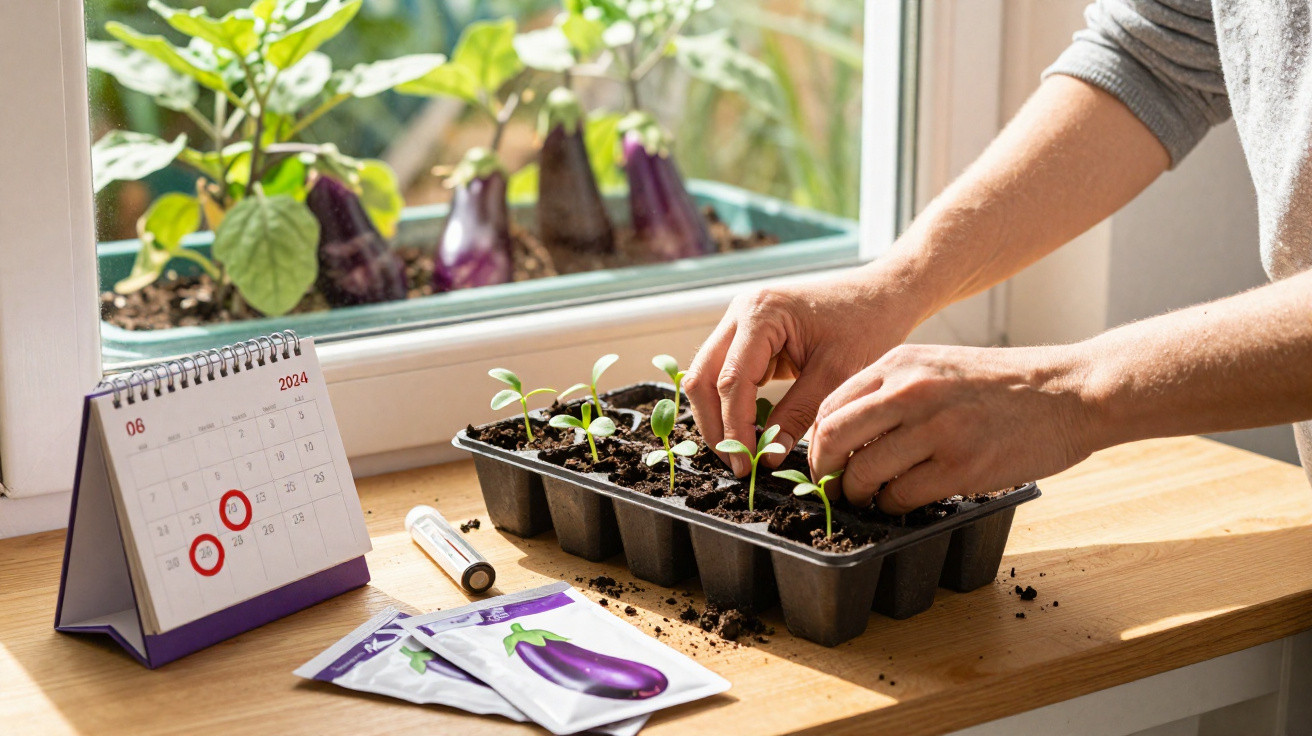
Anyone hoping to harvest plump aubergines in summer needs to watch the calendar now – there is only a very narrow window for sowing.
Many home gardeners are puzzled by undersized fruit in August even when their plants appear healthy. The cause often lies months earlier: seeds sown too late leave the crop lagging behind the season. Getting the timing right, along with a few straightforward measures, now sets the foundation for baskets full of produce.
Why aubergines do not forgive late starts
Aubergines are devoted sun-lovers. Originating in warm climates, they are highly sensitive when conditions turn cool. Once temperatures drop below around 10°C, their growth almost stops altogether. Strong plants need consistently around 20°C in the air, with the soil requiring slightly more warmth.
This preference for heat has clear implications for growing them in a home garden. Sow too late and you may still produce vigorous plants, but they will not have enough time to form sufficient flowers and fruit. Days shorten, nights become cooler, and the fruit either remains small or simply fails to ripen.
Sowing is not a minor detail with aubergines – it often determines whether you harvest kilos more or less in summer.
This is particularly apparent in areas with shorter summers, such as northern and central Germany or at higher altitudes. Every week genuinely matters there.
The crucial three-week window for sowing aubergines
Without a heated greenhouse, the best time to sow is roughly from mid-February until very early March. During these three or so weeks, you establish the basis for robust young plants that can be moved outside in good time and crop heavily at the height of summer.
Anyone who only starts in April is often in for an unpleasant surprise. The plants may look attractive and produce plenty of leaves, yet their flowers appear late – sometimes not until the end of August. By the time the first fruit is developing, autumn is already approaching and cool nights slow everything down again.
If you are unsure, it is usually better to begin a few days early rather than too late. Provided the seedlings are kept warm and bright, they cope well with this.
Warmth, light and patience: the foundations of successful sowing
Aubergines need genuinely warm conditions to germinate. The compost should be between 22 and 25°C; otherwise, the seeds will take their time or may not emerge at all.
Suitable options include:
- a heated windowsill or heat mat
- a covered mini greenhouse propagator
- a position above a gently warm radiator, checked with a thermometer
Germination generally takes between 7 and 15 days. If nothing has happened after a week, this does not automatically mean the attempt has failed. Often, the temperature simply has not remained stable enough.
Once seedlings emerge, light becomes the key factor. Young plants need the brightest possible position or they become leggy: their stems grow long and thin, and break easily. Such plants will produce noticeably less later on.
Sowing aubergines step by step
You only need simple equipment to make a good start. The important thing is a loose, fine-textured compost specifically intended for sowing or raising seedlings. It should be clean and as free from germs as possible.
How to sow the seeds
- Fill clean seed trays or small pots with seed compost.
- Place 1 to 2 seeds in each pot.
- Cover the seeds with no more than 1 centimetre of compost.
- Gently firm the surface so the seeds make good contact with the compost.
- Moisten with a fine spray to avoid washing the seeds away.
- Cover the container with a clear lid or plastic film to retain moisture.
A small trick can help when choosing seeds: put a few seeds into a glass of water. Those that have sunk after around five minutes usually appear more viable. Many seeds that float are often empty or poorly developed and can be discarded.
Do not forget to pot on: the key intermediate stage
After roughly five to six weeks, the young plants will normally have several small leaves and an initial fine network of roots. By this point at the latest, it is worth potting them into separate, slightly larger pots. This prevents the roots from competing and allows each plant to develop strongly.
When pricking out, handle plants by a leaf rather than the stem, and plant each one at the same depth as before. A loose compost with fewer nutrients helps them branch well.
Plants should only go outdoors once there is no longer any risk of late frost. In many areas, the period after the mid-May frost dates is used as a guide. A cold snap beforehand will immediately halt growth and can set the entire crop back.
In a vegetable bed or raised bed, aubergines should have enough space. Allowing 25 to 30 centimetres between plants in the row is a useful guide. Air movement helps prevent fungal diseases, and the plants do not tolerate competition well.
Good neighbours: plants that support aubergines
Suitable companion plants can provide substantial support in a vegetable bed. They use different layers of soil, attract beneficial insects or deter pests.
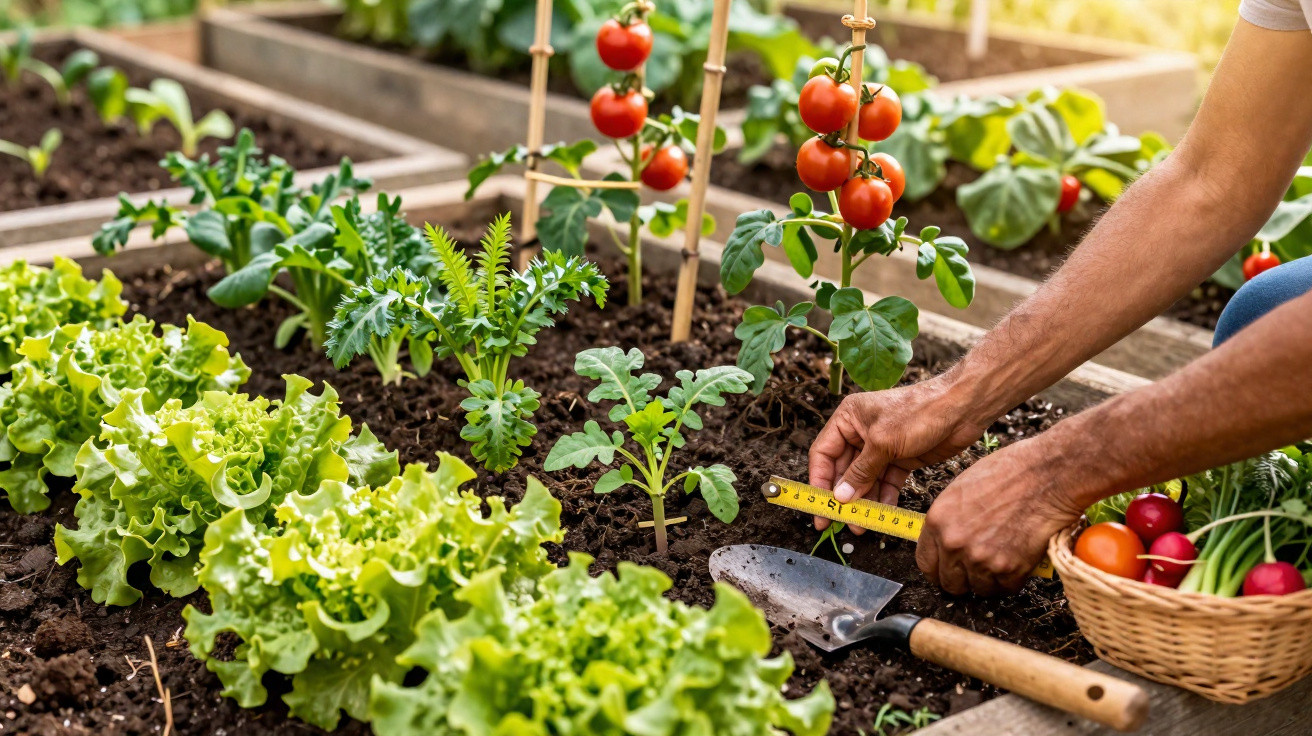
- Basil: works well both in flavour and in the bed, attracting insects and potentially confusing pests.
- French marigolds (Tagetes): add colour and are considered protective against certain soil parasites.
- Leaf lettuces: make use of ground-level space, provide some shade and help retain soil moisture.
These mixed plantings improve the microclimate around aubergine plants. Space is used more effectively, while planted soil stays loose and moist for longer.
Common mistakes that cost you the harvest
The most frequent mistake is starting at the wrong time. Temperature issues come next: plants kept too cool will stop developing. Conversely, overly warm and dry central-heating air makes them wilt.
Watering also requires a careful touch. Aubergines like even moisture but not waterlogged soil. Long dry spells followed by heavy watering quickly cause stress, flower drop or splitting fruit.
Another common issue is insufficient light. A dark windowsill is rarely enough. A truly bright site is better, ideally a south-facing window or, if necessary, a grow light. This is the only way to keep young plants compact and sturdy.
Those who treat aubergines like tomatoes often fail on two points: too little warmth and too much patience with weak young plants.
Why an early start pays off in summer
Making use of the three crucial weeks in late winter delivers considerably higher yields in high summer. Plants flower earlier, set fruit for longer and cope better with the first cool nights, because many fruits are already nearly ripe.
With reliable warmth, plenty of light and regular, gentle watering, the plants turn into real fruit-producing machines. Harvesting then continues for several weeks, and rather than just a few small fruits, substantial glossy aubergines make their way into the kitchen.
Additional practical tips for even better results
Gardeners in cooler locations can give their plants a helping hand with a few simple measures. Black mulch film or a dark layer of compost warms the soil more quickly. A clear polytunnel protects plants from wind and cool nights in early summer.
Targeted feeding also pays dividends. Aubergines are among the more nutrient-hungry vegetables. Mature compost, organic tomato fertiliser or well-rotted farmyard manure in the planting hole provides a lasting supply. The important point is to apply several small doses rather than one large one, avoiding root scorch.
If the plants become very tall and leafy, light support with a cane and ties is worthwhile. This prevents heavy shoots carrying ripening fruit from snapping. Individual unnecessary side shoots can be gently removed so that the plant directs its energy into fewer, but larger, fruits.


Comments
No comments yet. Be the first to comment!
Leave a Comment