
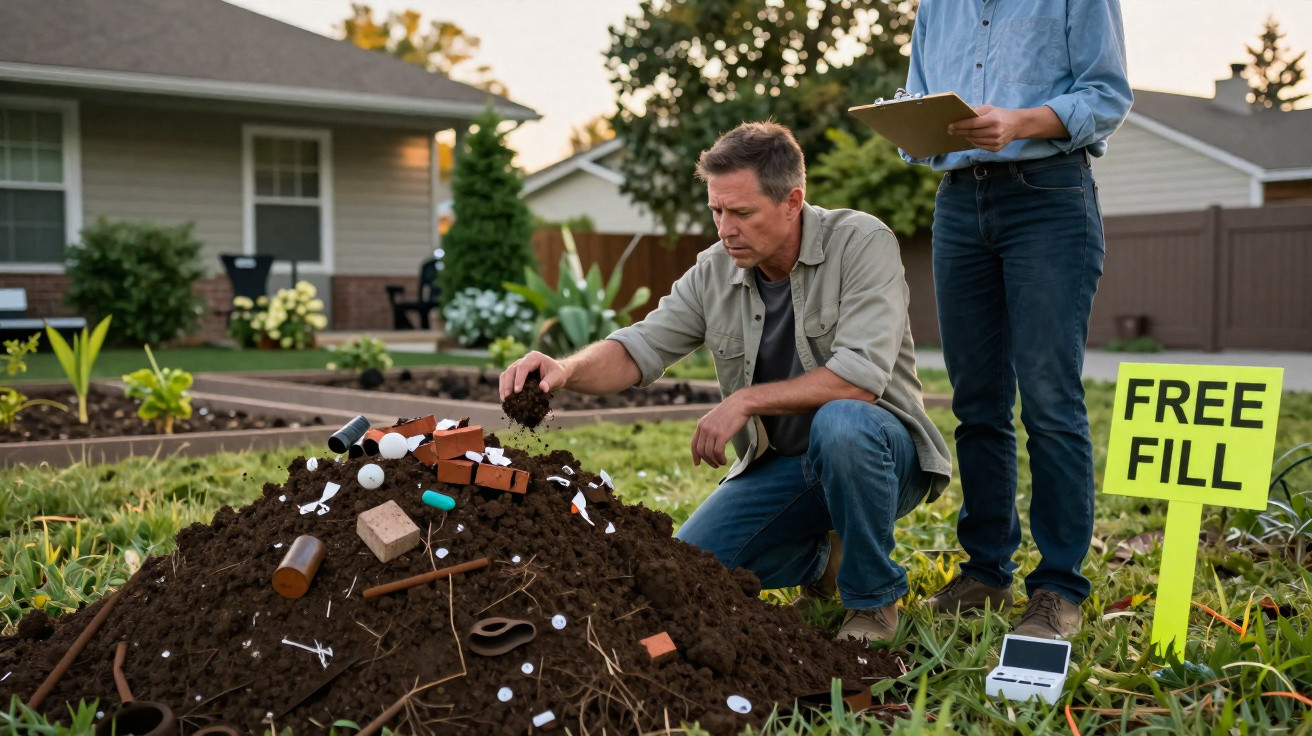
At first, the idea seemed almost too good to be true: lorryloads of free soil, a plot that needed levelling and, in the end, several thousand euros saved. For many homeowners, taking fill from a nearby building site appears to be a sensible solution. That was what Marc, who had recently moved into a house with a garden, thought when a contractor offered to fill the dips in his plot.
Three years later, after persistent puddles and failing plants, an expert assessment delivered its verdict. The soil was nothing like the gift he had expected.
The first lorry arrived on a November morning, accompanied by the dull noise of tipping bodies and the damp smell of freshly turned earth. Marc watched his garden change, relieved to see the troublesome slope disappear; whenever it rained, it made access to the garage difficult. We all know that moment when a quick fix seems capable of solving a problem that has dragged on for months.
A few hours of earthworks, a lawn to sow in spring and the prospect of an outdoor space that would finally be practical: on paper, it all seemed sound. The contractor had assured him that the soil came from a site a few kilometres away, with no visible waste or obvious rubble. Then the seasons passed, and the problems began to grow alongside the grass.
Free soil that ends up costing dearly
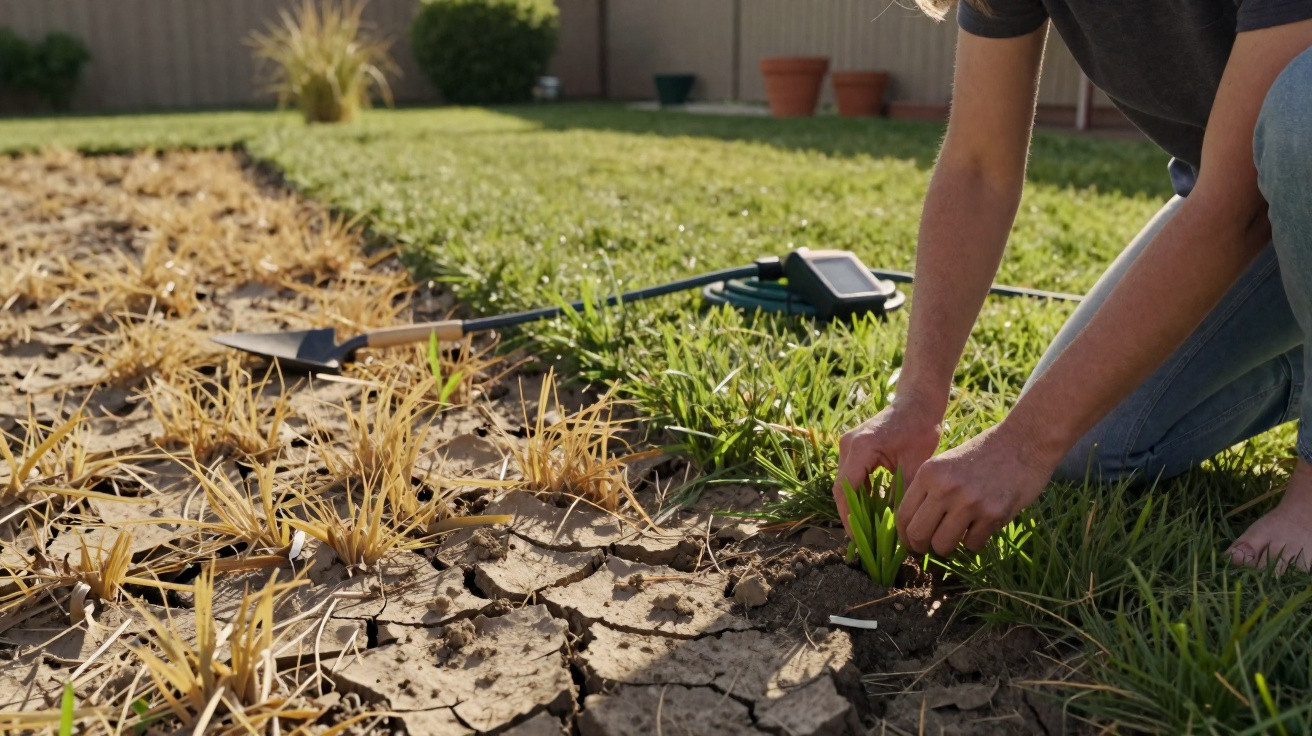
The first warning was not dramatic. After heavy rain, water remained trapped at the bottom of the garden, creating brown pools where Marc had planned to build a patio and vegetable patch. The ground felt compacted, almost suffocated, as though water could no longer find a route through it. The attractive level surface concealed a far less stable reality.
Three years after the fill was delivered, Marc sought advice from a soil expert, worried that his young trees were turning yellow despite watering and additions of compost. Samples revealed a mixed material: heavily compacted clay, concrete fragments, pieces of plastic and unusually high levels of certain construction materials. Across an area of 300 m², the cost of restoring the ground was estimated at between €18,000 and €30,000, depending on how deeply it needed to be excavated.
The issue is not always obvious contamination of the sort people associate with drums or a strong chemical smell. Soil may be unsuitable for a garden simply because it has been excessively compacted, mixed with inert fill or taken from a geological layer that is unsuitable for the intended use. Soil is not merely brown material moved from point A to point B. It is alive: it filters water, feeds plants and can sometimes support the foundations of a landscaping project.
Checks to make before accepting fill
The first safeguard is to request the soil’s precise origin before anything is tipped. The site address, the type of work carried out, the planned volume, photographs of the material and the company’s identity may seem laborious when lorries are already waiting. Let us be honest: hardly anyone does this every day. Yet asking a few questions at the right time can prevent a garden from becoming an uncertain storage area.
It is also important to distinguish topsoil, which may be suitable for the surface of a garden, from fill intended to backfill an excavation or create a platform. A common mistake is to assume that soil which looks “clean” is automatically safe and fertile. Pieces of brick, traces of plaster or a sticky texture are already warning signs worth taking seriously, without rushing to blame anyone.
For sensitive projects, particularly near a house, vegetable patch or well, a soil analysis and geotechnical opinion can provide genuine protection. A specialist often sums up the issue in a very simple sentence:
“Free soil is only beneficial when its origin, composition and final use are clearly known.”
- Ask for a document confirming where the fill comes from.
- Refuse loads that combine soil with rubble, plaster or visible waste.
- Arrange photographs and written confirmation before deliveries begin.
- Have the soil tested if there is any doubt, or if a vegetable patch is planned.
- Keep the contact details of everyone involved.
This written record also matters if matters become more complicated. In France, excavated soil may be subject to specific rules depending on its origin, quality and the conditions under which it is reused; a verbal agreement does not always protect the property owner receiving the material. The good deal can quickly become a matter of liability, especially if neighbours, a future buyer or an insurer later asks where the material deposited on the plot came from.
When an expert assessment changes how you see your garden
For Marc, the expert report came as a harsh shock, less because of the technical language than because of what it meant for his everyday life. He no longer saw an unfinished lawn, but ground that needed restoring, work that had to be arranged and costs he had never anticipated. The problematic areas had to be marked out, the depth of the fill investigated, and the removal of the most degraded soil considered.
This story is a reminder that level ground is not necessarily improved ground. The immediate benefit - no bill for soil, no transport costs and a flattened garden in two days - can conceal much heavier costs later on. The real price of fill is not just the figure shown on a quote: it also lies in its quality, traceability and behaviour once the machinery has left.
This does not mean rejecting every delivery of soil. Many sites reuse clean, suitable soil properly, and doing so can make sense rather than increasing transport to storage facilities. That is the crucial distinction: accepting soil can be worthwhile, provided that managed reuse is not confused with an improvised deposit in a private garden.
Marc’s situation will resonate with anyone who has wanted a quick solution for a muddy driveway, an awkward slope or land that sits too low. Outdoor works often create the impression that everything happens at the surface, whereas the most lasting decisions are made beneath our feet. A neighbour offering surplus soil, a tradesperson eager to empty their lorries or a “free” offer may sometimes warrant a brief pause before agreeing.
What seems invisible today can emerge years later: standing water, cracks in paving, plants that fail to establish, ground that subsides or questions during a sale. Seeking advice is not excessive suspicion. It is often a way to protect a place into which you have put time, money and a great deal of care.
| Key point | Detail | Value for the reader |
|---|---|---|
| Origin of the soil | Identify the source site and delivering company precisely. | Reduce the risk of receiving unsuitable or questionable material. |
| Type of fill | Distinguish between topsoil, clay soil and a construction-site mixture. | Select ground compatible with a garden, patio or vegetable patch. |
| Evidence and testing | Keep documents, photographs and results from any samples taken. | Be better prepared if a problem appears several years after the work. |



Comments
No comments yet. Be the first to comment!
Leave a Comment