
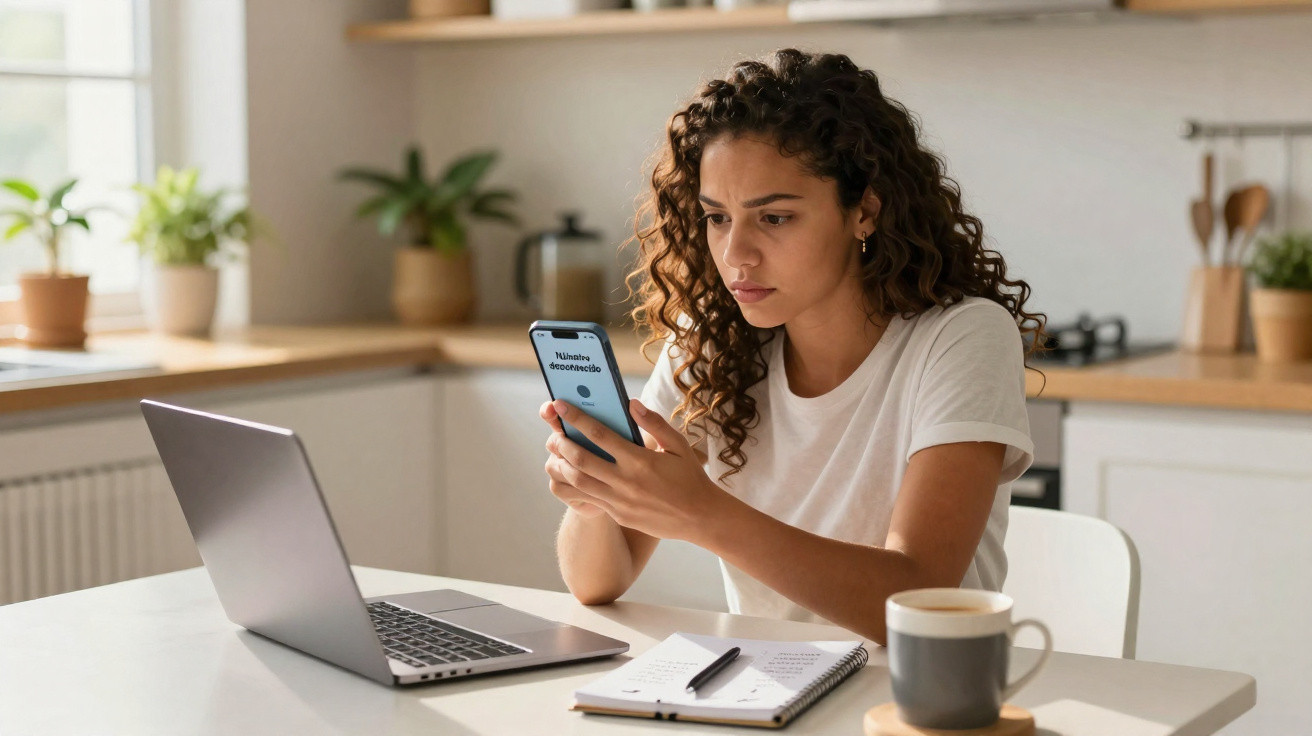
Late-night calls, unfamiliar area codes and “private number” appearing on your screen: mystery callers are part of modern life.
Some are innocuous, others are irritating, and a small number pose a real danger. Identifying the person behind an unfamiliar or withheld number has become an instinctive digital response, somewhere between curiosity, personal protection and cyber-hygiene.
Unknown vs blocked numbers: two very different problems
Before doing anything else, establish what kind of call you have received, as “unknown” and “blocked” describe different situations.
- Unknown number: the number is displayed on your phone, but you do not know it.
- Blocked / private number: no number is shown, or the display says “Private”, “Withheld” or “No caller ID”.
An unknown number can often be traced legally with a bit of effort. A blocked number rarely can, unless the police are involved.
Many people confuse these categories and assume identical methods will work for each. This is usually where the frustration starts. Several credible options exist for numbers you can see, whereas there is far less you can do with numbers that have been hidden.
How to investigate an unknown phone number
Search engines: the fastest free check
Entering a suspicious phone number into a search engine can seem overly simple, but it is often among the most useful checks available.
- Type in the complete number, including its country code.
- Use quotation marks, such as “+44 20 7123 4567”, to make the search more precise.
This straightforward search may uncover:
- A business listing, where the number belongs to a company or call centre.
- A publicly visible social media account, particularly on professional networks.
- Posts on complaint sites where other people have flagged scams or pushy sales calls.
- Details connected with the area code, which may indicate the region or service type.
If several people online describe the same number as “scam”, “robocall” or “harassment”, treat it as unsafe and block it.
Reverse directories: useful, but not flawless
Reverse directory services allow you to enter a number and check whether it corresponds to a listed landline. Traditional telephone directory providers offer a free version of this service in many countries.
| Type of number | Reverse directory success rate |
|---|---|
| Business landline | Often high – many firms list their numbers |
| Residential landline | Variable – some households opt out |
| Mobile / cell | Low – usually unlisted unless made public |
Paid “premium” searches frequently promise exceptional results. In reality, their findings can be unreliable, and some simply collect the same publicly available information that you could locate yourself. Paying rarely makes a meaningful difference.
Messaging apps as an indirect identity card
A number of messaging apps can provide discreet clues about someone’s identity. If you save a number to your contacts and look it up on WhatsApp, Telegram or Signal, you might find:
- A profile picture.
- A displayed name or initials.
- A status message that may mention an employer or job.
This will not provide a complete legal identity, but it may help establish whether the caller appears to be a genuine person, a professional contact or an entirely unfamiliar individual with no profile information.
Can you unmask a blocked or private number?
The position is very different when the caller has intentionally withheld their number. As a private individual, your choices are extremely restricted.
Phone networks can technically see blocked numbers, but they do not disclose them to individuals. Access goes through law enforcement only.
In serious circumstances, police or other authorities may ask an operator for records during a formal investigation, such as one concerning harassment, threats or extortion. Without that legal basis, your operator will not disclose who made a withheld call.
When harassment crosses the line
When anonymous or private calls become regular, abusive or threatening, regard them as a personal safety matter rather than a technical challenge. Retain:
- A record of call dates and times.
- Voicemail messages.
- Any related texts or screenshots.
This evidence can support a complaint to the police. Although the caller may be concealed by “No caller ID”, the pattern of behaviour is important and can assist in prompting a formal request to the operator.
Should you answer a blocked call?
For most people, the safest approach is straightforward: if you are not anticipating a withheld-number call, do not answer it.
There are two disadvantages to picking up:
- It confirms to scammers or robocall systems that your number is active.
- It creates an opportunity for social engineering, with the caller trying to persuade you to disclose information.
Allow voicemail to screen the call instead. A legitimate doctor, solicitor or colleague using a withheld number will usually leave a message or contact you by email afterwards.
Never share bank details, one-time passcodes, ID numbers or passwords with a caller whose identity you cannot verify.
Beware of apps that claim to unmask private numbers
The annoyance of not knowing who is calling has led to a market for questionable apps and websites that claim they can “reveal” withheld numbers, commonly in return for payment or extensive permissions on your phone.
Typical risks include:
- Taking payment for information they are technically unable to provide.
- Adding spyware or adware to your device.
- Collecting your contacts and personal information to sell on.
A service that says it can identify every blocked caller in real time is either deceptive or breaking privacy laws. In either case, you are the person exposed to the risk.
Why some numbers are deliberately hidden
From nuisance calls to criminal intent
Telemarketing call centres and fraudsters withhold numbers for clear reasons. They aim to avoid call-blocking lists, prevent reports against them and switch identities easily. Withheld numbers are also used for:
- Harassment campaigns, including situations involving domestic abuse.
- Prank calls intended to unsettle or intimidate people.
- Fraud attempts posing as banks, energy companies or tax offices.
In these situations, anonymity protects the caller while increasing stress for the person receiving the call.
Legitimate reasons to call with a withheld number
A blocked call is not automatically suspicious. Some professionals routinely hide their numbers to maintain their privacy, including:
- Doctors calling patients from their personal mobile phones.
- Lawyers, journalists or social workers getting in touch with clients.
- Home-based employees who do not want their personal number widely shared.
Some people also withhold their number when replying to advertisements, contacting a seller or discussing sensitive issues. In such cases, a genuine caller will normally leave voicemail or try another contact method if you do not answer.
Using your phone’s built-in defences
Today’s smartphones include more protection than many users realise. Instead of pursuing supposedly magical apps, enabling these built-in features is often the more sensible option.
- iPhone: “Silence Unknown Callers” directs calls from numbers outside your contacts to voicemail without making your phone ring, cutting down repeated disruptions.
- Samsung and some Android phones: spam detection tools identify or block numbers reported as fraudulent through large user databases.
- Google Pixel and similar devices: call screening features respond for you, provide a transcript and screen suspected spam or private callers.
Filtering options rarely stop every scam, but they cut volume and give you more control over when your phone actually rings.
If you are unsure how much filtering to use, your mobile operator’s customer service team can generally explain available call-blocking features or additional services suited to your circumstances, particularly where unwanted calls are recurring.
Real-life scenarios: from mildly annoying to genuinely risky
Consider three different days involving your phone:
- A lunchtime call from an unknown local number: a quick search suggests it is your dentist’s surgery. The risk is low, so returning the call is probably sensible.
- Five calls within an hour from various foreign numbers you do not recognise: online reports describe them as “robocall” and “investment scam”. The best response is to block them and ignore them.
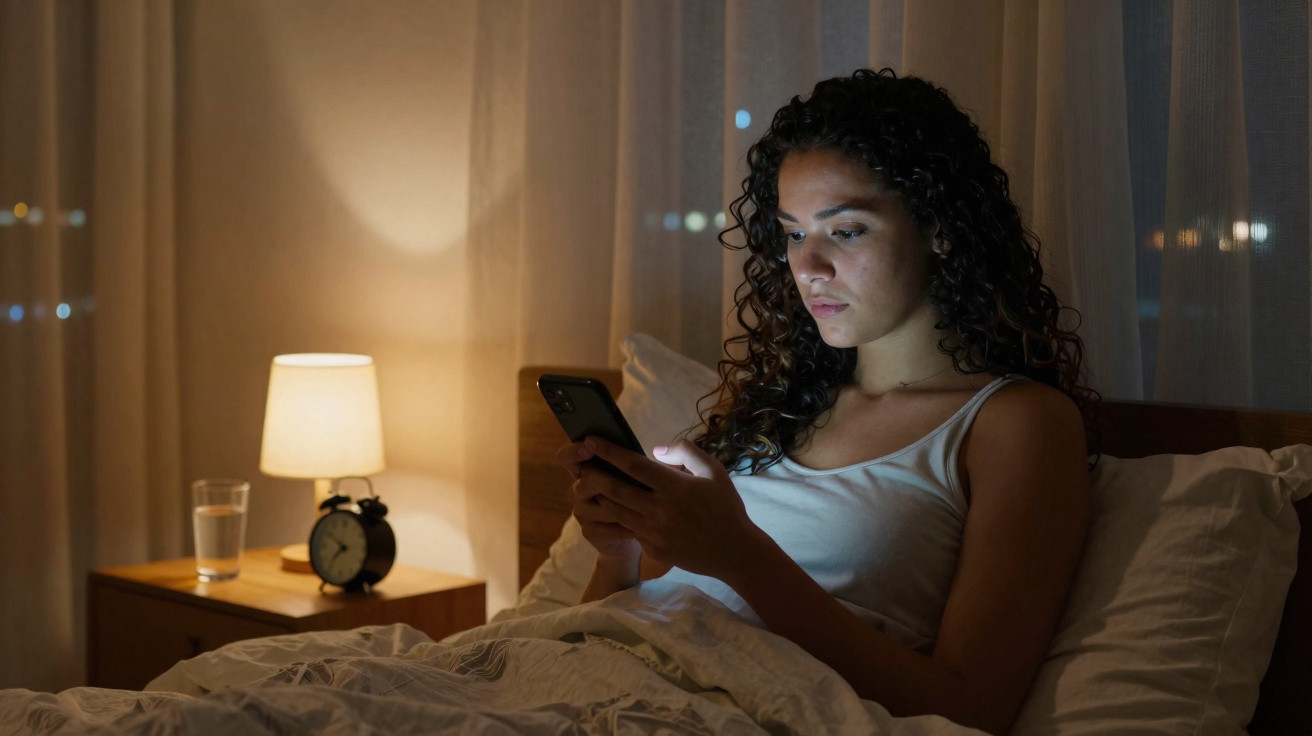
- Withheld calls at 2am every night for a week, followed by silence or insults when you answer. In this case, the repeated pattern is itself the warning sign. Logging the incidents and contacting police moves power away from the caller.
These examples illustrate why no single rule applies in every case. The right response depends on the circumstances, your own vulnerability and the persistence of the calls.
Key notions: caller ID, spoofing and consent
Three technical concepts are commonly misunderstood:
- Caller ID: the standard system that displays the number, and sometimes the name, of the person phoning you.
- Caller ID blocking: an action by the caller or their network that prevents that number appearing on your display.
- Number spoofing: when fraudsters alter the system so a false number is shown, sometimes imitating a trusted organisation or local area code.
Even a visible number may not identify the real caller because of spoofing. This is why banks and public authorities increasingly offer the same guidance: end the call, then ring back using the official number on their website or on the back of your card, rather than the number that called you first.

Comments
No comments yet. Be the first to comment!
Leave a Comment