
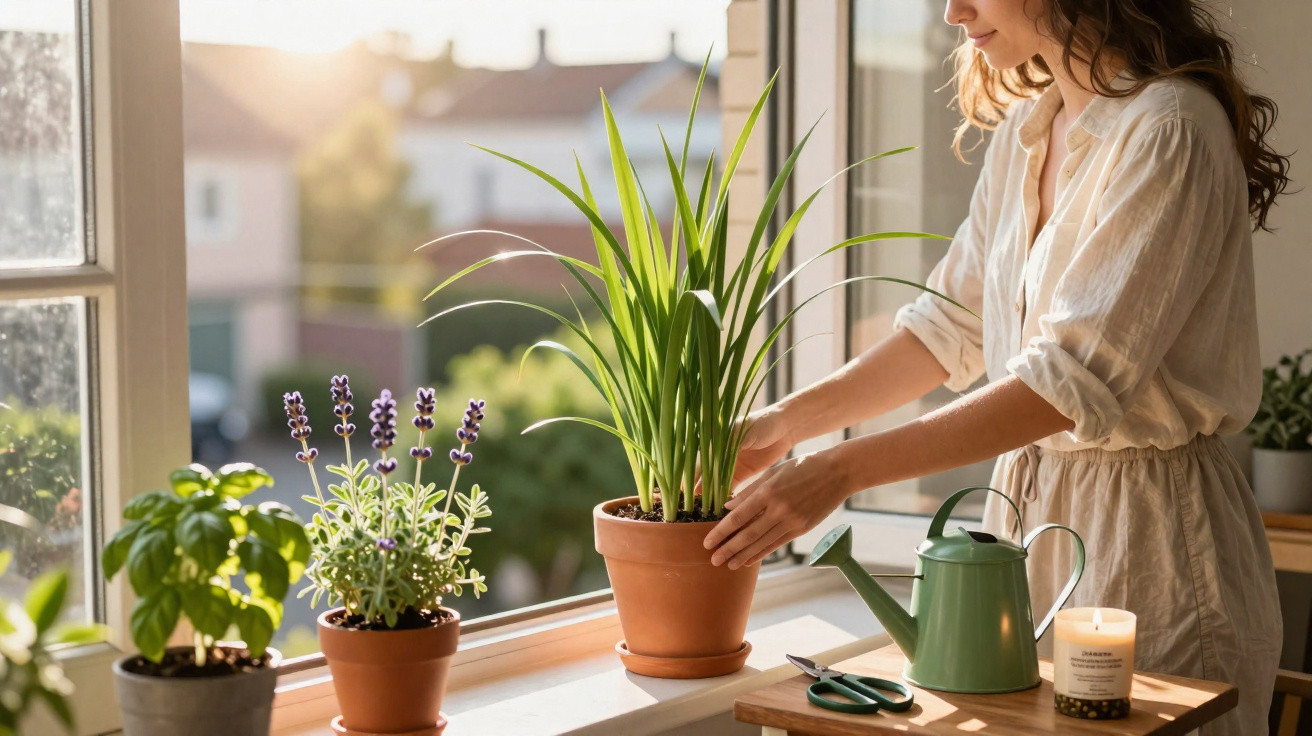
When the first warm evenings beckon, a quiet nuisance returns: mosquitoes.
A fragrant plant offers a discreet way to fight back.
Many people want to leave their windows open, enjoy their balcony or sit in the garden without being constantly bitten or spraying chemical repellents. One unassuming container plant is becoming the spring’s quiet star because it does two things at once: it scents spaces pleasantly and makes biting mosquitoes noticeably more troublesome.
Why mosquitoes are more irritating today than they used to be
Mosquitoes are often regarded as nothing more than an annoying feature of summer, but the issue now extends further. Milder winters and global trade are helping species once found only in tropical regions to spread. These include the tiger mosquito (Aedes albopictus), which is now becoming established in several European countries.
Under certain conditions, these species can transmit pathogens such as:
- Dengue virus
- Chikungunya virus
- West Nile virus
This makes protection against bites increasingly relevant to everyday life. Alongside nets, sprays and electronic devices, many households are turning more often to “green helpers” in pots and flower beds.
The main attraction: Citronella lemon grass in pots
“Citronella lemon grass combines room fragrance, decoration and natural mosquito protection – which is precisely why it is so popular in garden centres during spring.”
The plant in particularly high demand in spring is Citronella lemon grass, commonly sold as “Citronella” or “potted lemon grass”. Botanically, the usual mosquito-repellent varieties belong to the genus Cymbopogon. It develops long, grass-like leaves with a distinctive fresh citrus scent.
How its fragrance confuses mosquitoes
Its effect on mosquitoes is not magic; it comes from the chemical composition of its essential oils. The leaves contain, above all:
- Citronellal
- Geraniol
- Limonene
These fragrant compounds mask the scents mosquitoes use for orientation, especially body odours and carbon dioxide. As a result, many insects struggle to locate the source of a blood meal or avoid the strongly scented area.
“The aim is not to eliminate every mosquito, but to turn your own terrace into an ‘unpleasant zone’ for biting mosquitoes.”
When a leaf is lightly damaged, for example by rubbing or breaking it, more oil is released and the scent becomes much stronger. This can intensify the effect in a particular spot, such as shortly before sitting on the balcony.
Position, care and temperature: what Citronella needs
Citronella thrives in sunshine. A bright location on a balcony, terrace or in a courtyard is ideal. To grow vigorously and produce plenty of fragrant oil, the plant needs at least five to six hours of direct light each day.
Temperature matters just as much. Below around 10°C, the plant suffers noticeably, and extended cold spells can kill it. In areas with frosty winters, a mobile approach is therefore worthwhile:
- put it outdoors in a pot during spring
- bring it indoors again in late autumn, or move it to a cool, bright room
The growing medium should drain well and be relatively loose and rich in humus. Citronella tolerates waterlogging far less well than brief dry periods. Gardeners recommend allowing the top layer of soil to dry slightly before watering again.
Practical advice for balconies and window sills
Anyone using the plant primarily as natural mosquito protection should place it strategically where people sit or where mosquitoes can easily enter:
- in groups beside the patio door
- directly by the balcony rail
- on an outside window sill, particularly by bedrooms and living rooms
A larger cluster of pots is more effective than one small plant tucked into a corner. Their scented areas overlap, creating a kind of “fragrance screen” around the seating area.
Propagation: more plants from one pot
Citronella produces what are known as rhizomes: underground shoots from which new growth emerges. This structure makes propagation relatively straightforward.
“A strong, healthy pot can usually be divided into two or three sections – without specialist tools, using only a sharp knife and a little patience.”
How to divide the plant:
- Carefully remove the plant from its pot.
- Separate the root ball into two or more sections, each with leaves and rhizome.
- Remove old, heavily dried leaves.
- Plant each section in its own pot filled with fresh, loose compost.
- Water thoroughly and protect the new plants from intense midday sun for the first few days.
In this way, one purchased plant can become a small “fragrant barrier” around the home after one or two seasons, without the need to buy replacements every year.
Other fragrant allies against mosquitoes
Citronella may take centre stage, but it forms part of a wider group of plants that mosquitoes like less. Many of these species combine useful qualities with decorative appeal.
| Plant | Special feature | Use |
|---|---|---|
| Scented geranium (Pelargonium citrosum) | Lemon fragrance, serrated leaves, small flowers | Window boxes, terrace pots; decorative and aromatic |
| Lemon verbena (Aloysia citriodora) | Intense lemon scent, delicate leaves | Teas, fragrant bouquets, container plant for sunny spots |
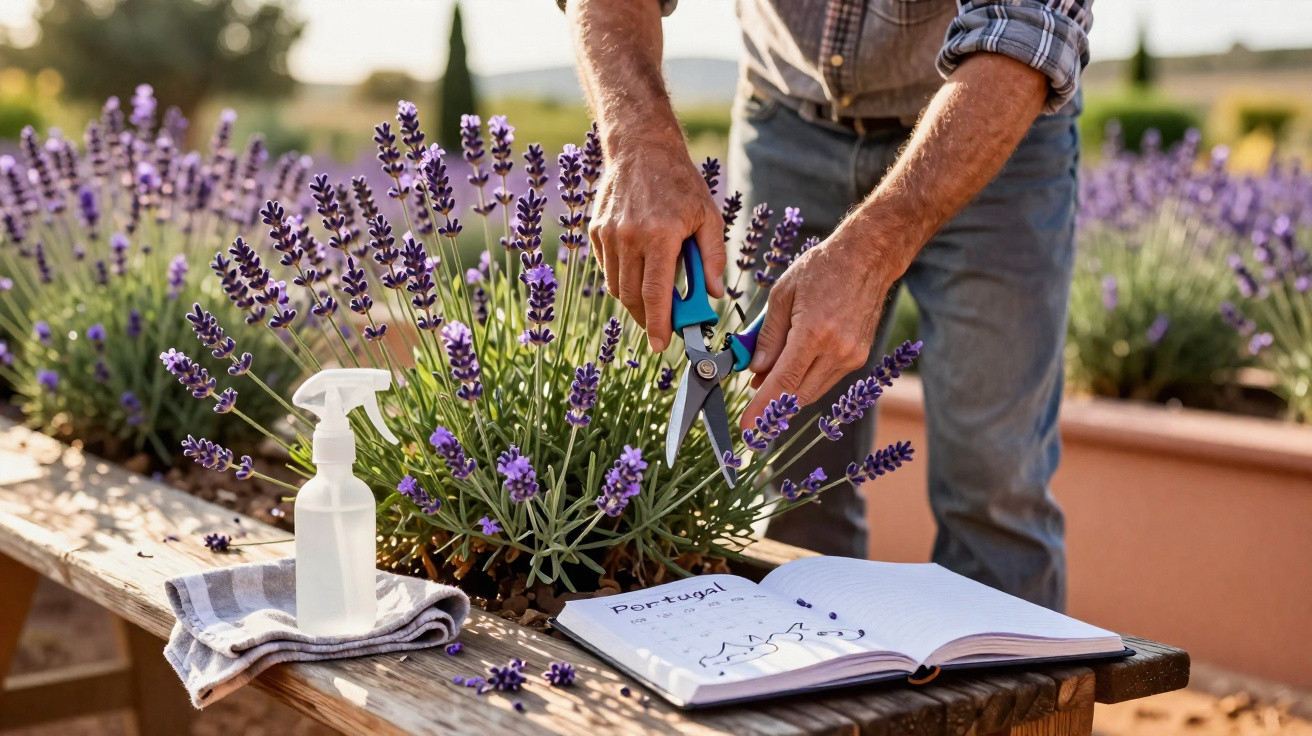
| Lavender (Lavandula angustifolia) | Familiar fragrance; flowers attract bees | Bed edging, rock gardens, scented sachets |
| Basil (Ocimum basilicum) | Particularly aromatic in lemon or cinnamon varieties | Cooking, table decoration, window sill |
| Mint (Mentha spp.) | Strong menthol scent; spreads vigorously | Drinks, potted herb beds, fragrance near entrances |
Many of these plants release a stronger fragrance when touched lightly or when the wind moves through their leaves. On a busy balcony, this automatically improves the effect.
Fragrant islands rather than a blanket of scent
A realistic scenario is a family sitting on the terrace in the evening, surrounded by two pots of Citronella, one large container of lavender and a box of basil and mint varieties. Individual mosquitoes will not disappear, but bites become noticeably less frequent because the area feels unpleasant to the insects and they move on more quickly.
To strengthen the effect, rub a few leaves lightly shortly before sitting down – from Citronella, lemon verbena or scented geranium – deliberately enriching the surrounding air with fragrance.
Where plants reach their limits
For all their advantages, Citronella and similar plants cannot replace comprehensive mosquito control. Standing water remains the most important breeding ground. Water butts without lids, saucers that stay wet, old watering cans: in summer, all of these can produce more mosquitoes than any plant can deter.
A sensible strategy:
- reduce breeding sites by emptying water and covering containers
- position fragrant plants by seating areas and windows
- where mosquito numbers are high, also use nets or physical barriers
Anyone who reacts sensitively to bites or lives in an area with known virus outbreaks should regard these plants as an additional comfort measure, not as their only protection.
A spring trend with positive side effects
Why, then, is Citronella so difficult to find in spring? For one thing, many people are planning their balcony season; for another, interest in more natural solutions is growing. The plant serves both needs: it looks decorative in a container, gives off a pleasant scent and offers a small sense of control over an everyday nuisance.
“Anyone who buys Citronella is bringing home not just a plant, but a fragrance tool – and a small measure of control over their own summer evenings.”
Combined with lavender and mint, it also creates an appealing fragrance profile: Mediterranean summer feeling by day and a lighter mosquito burden in the evening. From a psychological perspective, the ritual itself – arranging pots, touching leaves and noticing the scent – supports the feeling of actively tackling the nuisance.
Practical planting ideas for readers
Anyone wishing to begin straight away can start with a simple arrangement:
- two pots of Citronella to the left and right of the patio door
- one long balcony planter with lavender and scented geranium at the rail
- small pots of lemon basil and mint on the table
In a city flat without a balcony, a sunny windowsill is suitable. Place Citronella, lemon verbena and basil close together here. When the window is opened in the evening, their scent drifts outdoors and at least creates a light barrier along the most frequently used entry route.
This turns a simple container plant into one element of quieter nights, more sociable evenings outdoors and a home that smells not of spray, but of fresh citrus fragrance.




Comments
No comments yet. Be the first to comment!
Leave a Comment