
In many home gardens, ants can multiply quickly and take over whole beds of vegetables and flowers. Many people reach for chemical insecticides straight away, but that can harm your veg patch, the soil and beneficial insects. For that reason, interest is growing in natural approaches-especially using plants that repel ants without damaging the environment, creating a kind of “scent belt” around the most vulnerable areas.
How do plants that repel ants help with natural control?
These plants usually do not kill the insects; instead, they disrupt how ants navigate and communicate. Ants follow scent trails left by worker ants, and any interference with that trail makes it harder for them to find food and return to the nest.
Herbs that are rich in essential oils release a strong fragrance around beds, producing a sort of olfactory “noise”. This masks the pheromone trail, and the colony tends to look for alternative routes-moving away from areas with ant-repellent plants, without poisons and without throwing the garden out of balance.
Watch a video on the YouTube channel Guia das Plantas about aromatic species that work as effective natural repellents against ants and help protect your beds.
Which plants are most commonly used to repel ants?
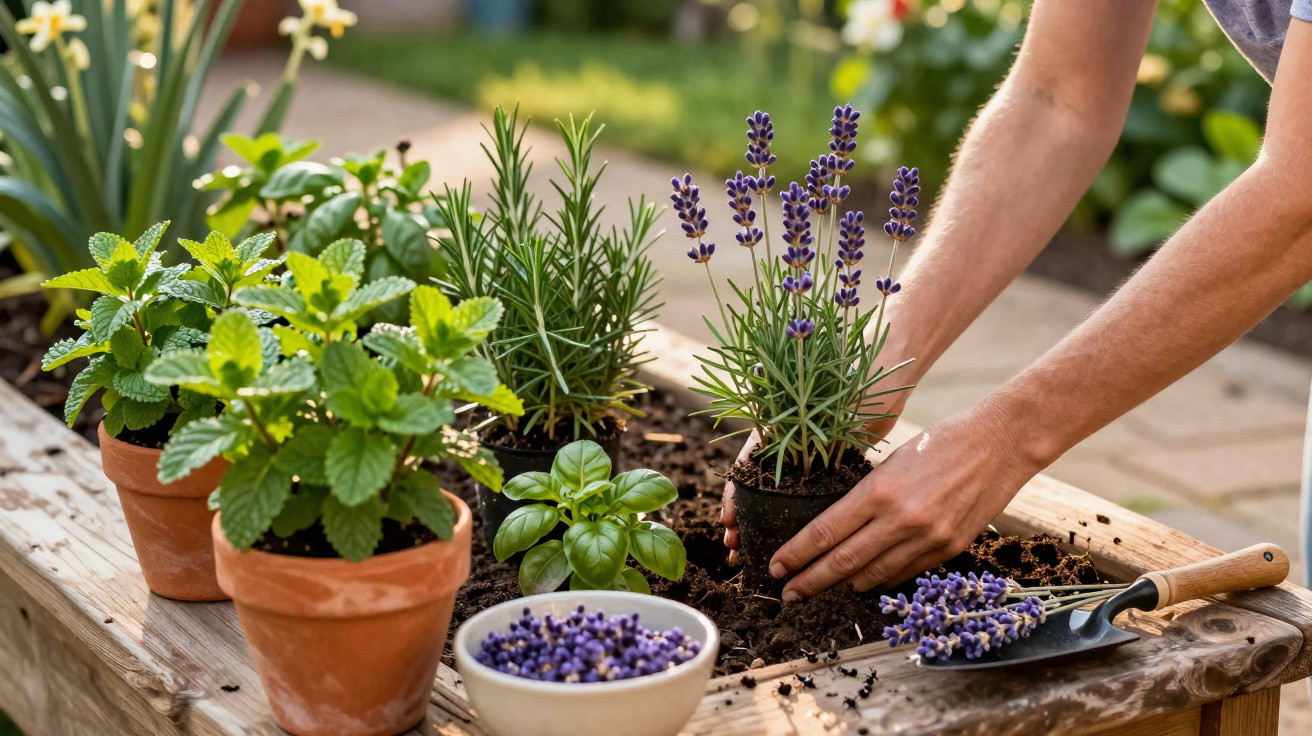
A range of aromatic herbs can help keep ants away from beds and pots. Some of the best known include lavender, mint, basil, lemon balm and rosemary-all strongly scented and easy to grow in domestic gardens.
In practice, lavender and mint often stand out for the intensity of their aroma and how adaptable they are in pots or as edging, especially around delicate crops. Another useful point is that pairing more than one species can strengthen the effect, because different oils act at the same time to confuse scent trails.
How to use lavender and mint to repel ants in the garden
Lavender and mint can be placed strategically to form fragrant barriers in the areas that matter most. This makes it possible to divert active trails and shield higher-value spots such as vegetable beds and ornamental pots near the house.
Simple everyday ways to use these plants include:
- Lavender edging: around vegetables, strawberries and flower beds, creating an aromatic “fence”.
- Mint pots: in corners of the garden, near targeted beds, or along routes ants use frequently.
- Aromatic combinations: mint alongside rosemary and basil to boost the scent-barrier effect.
- Doorways and verandas: window boxes of lavender by doors and steps to reduce trails approaching the house.
Why combine different plants that repel ants?
In home veg patches, mixing several plants that repel ants often delivers more consistent results. An “aromatic ring” combining lavender, mint and other culinary herbs reduces the need for chemical products and helps keep the garden more balanced.
As well as interfering with ants’ movement, this planting style supports pollinators such as bees and butterflies, which benefit from attractive, varied flowers. In this way, pest management is based on species diversity and careful use of space, turning the garden into a productive environment that is also healthier for the grower and for the wildlife that visits.




Comments
No comments yet. Be the first to comment!
Leave a Comment