
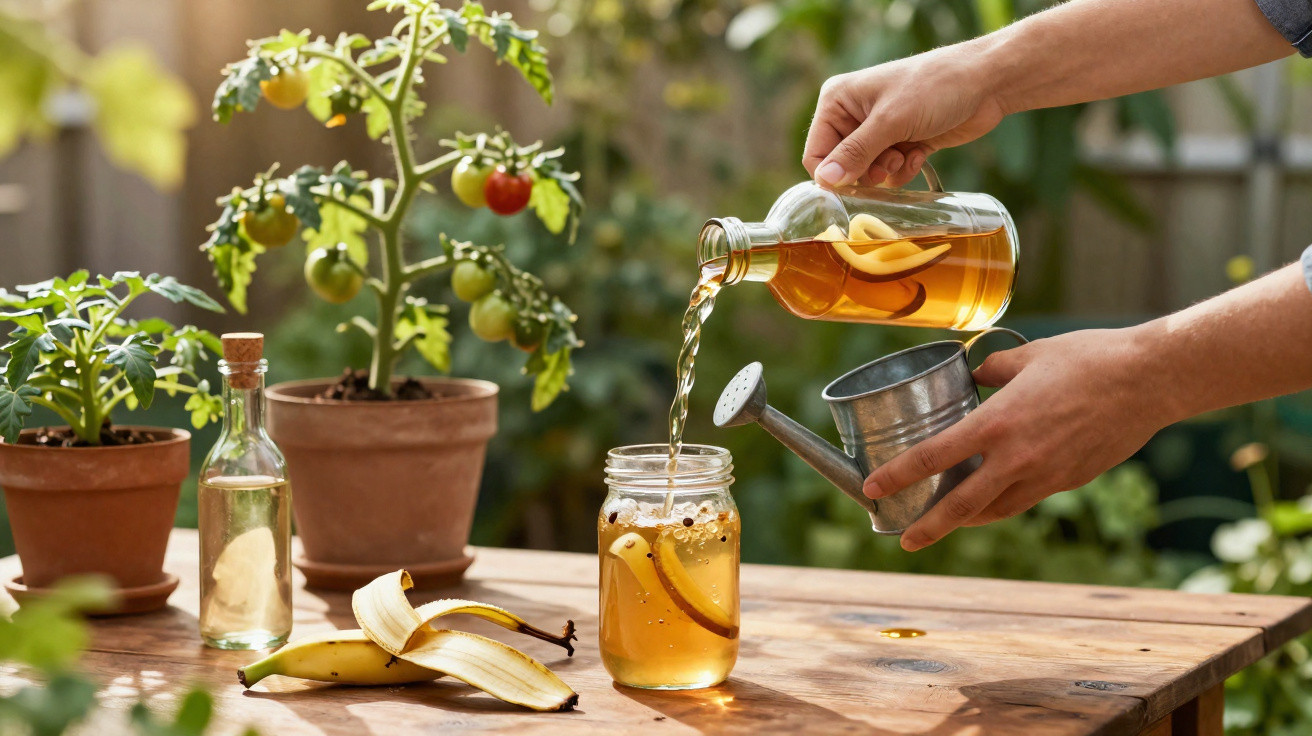
Interest in sustainable ways to look after plants grows year after year. Rather than relying only on manufactured products, many households are turning to straightforward options made from items already in the kitchen. One approach that has become particularly popular is using banana peel with vinegar as a natural fertiliser for pots, vegetable patches, and home gardens-helping to feed the soil while making use of organic waste.
What is banana peel with vinegar fertiliser, and why is it used?
Banana peel with vinegar is a liquid fertiliser produced by soaking (macerating) banana peels in an acidic solution. Banana peels contain potassium, phosphorus, and magnesium-nutrients that support strong roots, improved flowering, and more vigorous fruiting in small-scale home growing.
When the peel is mixed with vinegar, breakdown happens more quickly, allowing these nutrients to transfer more readily into the water later used for watering. The mild acidity of the mixture can also suit plants that prefer slightly acidic soil and, in some situations, may help discourage fungi and small pests.
How to make banana peel with vinegar fertiliser at home
Making banana peel with vinegar fertiliser is quick and uncomplicated, as long as you pay attention to cleanliness and dilution. The most common guidance is to use white vinegar or apple cider vinegar in well-cleaned glass or plastic containers, which helps prevent strong odours and contamination.
- Set aside the peels: After eating the fruit, keep the peels in a clean container; you can store them in the fridge for a few days.
- Add the vinegar: Once you have enough peels, pour in white vinegar or apple cider vinegar until the peels are fully covered.
- Leave to infuse: Keep the mixture for around 48 hours in a cool place away from direct light.
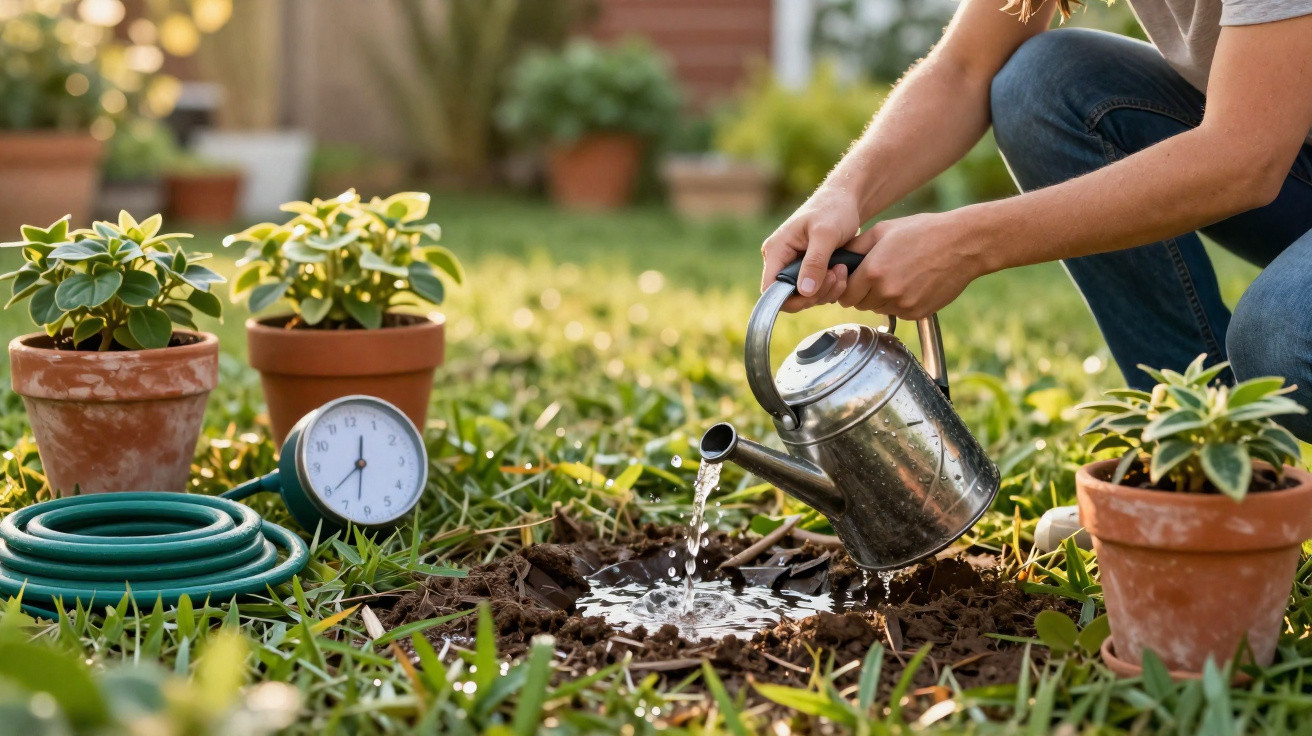
- Dilute with water: Strain the liquid, then mix it with water at equal parts (or dilute further), depending on how sensitive your plants are.
What precautions should you take when using banana peel with vinegar on plants?
Although it is convenient, using banana peel with vinegar on plants needs moderation so the soil does not become too acidic. The solution should never be applied neat, especially in small pots, because it can scorch roots, disrupt the soil microbiome, and lead to sudden wilting.
A few practical steps can make day-to-day use safer and more balanced in the garden, particularly if you also use other organic feeds or compost.
- Avoid letting undiluted vinegar come into contact with roots and delicate leaves.
- Apply it to the soil around the plant, rather than directly onto foliage.
- Use carefully on plants that prefer neutral or slightly alkaline soil.
- Watch for stress signals such as yellowing or unusual wilting.
- Alternate with traditional organic fertilisers to prevent excessive acidity.
Which plants benefit most from this natural mixture?
Banana peel with vinegar fertiliser typically suits plants that do well in slightly acidic soils and appreciate a good supply of potassium. Hydrangeas, azaleas, strawberry plants, tomatoes, and some temperate-climate fruiting plants may respond well, provided the mixture is used sparingly and properly diluted.
Suitability will still depend on your soil type, watering routine, and the care you already follow in your vegetable patch or garden. In compact spaces-such as balconies and containers-any excess shows up more quickly, so the safest approach is to treat this as a supplement, closely monitor plant response, and adjust how often you apply it.
Comments
No comments yet. Be the first to comment!
Leave a Comment