
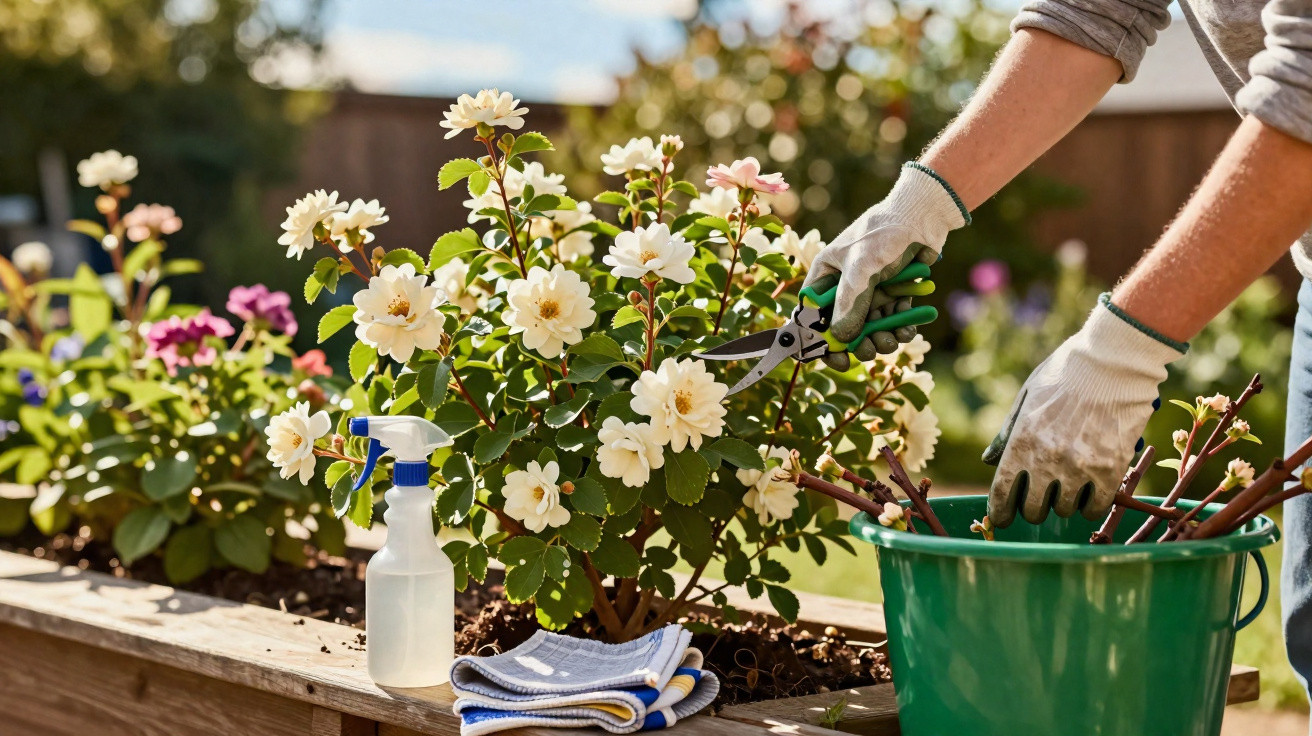
The start of summer signals an important turning point for many ornamental shrubs. Once the spring display has peaked, it is time to think about the right kind of pruning, as this directly affects plant health, balanced growth, and how many flowers you will get next year. Beyond appearances, good pruning practice supports airflow between branches, improves light penetration, helps prevent disease, and allows shrubs to fit better into different climates and urban spaces.
Why prune ornamental shrubs after flowering?
Many shrubs that bloom in spring set their flower buds the previous year, on wood that has already matured. For that reason, pruning soon after flowering finishes is usually the best approach, as it helps channel the plant’s energy into fresh shoots that will carry the next season’s flowers.
This cut also keeps the shrub to a sensible size, stopping it from spreading into paths, walls, or neighbouring plants. In places with distinctly cold winters, pruning too late can interfere with bud development, which can mean fewer flowers the following year.
How to prune ornamental shrubs without harming flowering?
To avoid sacrificing the next display, first check whether the shrub flowers on old wood (from the previous year) or on new growth (from the current year). When a plant blooms on old wood, pruning straight after flowering is normally the most suitable option, concentrating on renewing and tidying the branches.
In these situations, a few practical points make it clearer what to remove and what to keep, so the shrub stays vigorous and well shaped:
- Remove dead, diseased, broken, or very weak branches.
- Take out stems that cross and rub, creating more space in the centre of the shrub.
- Gradually remove the oldest stems from the base to refresh the plant.
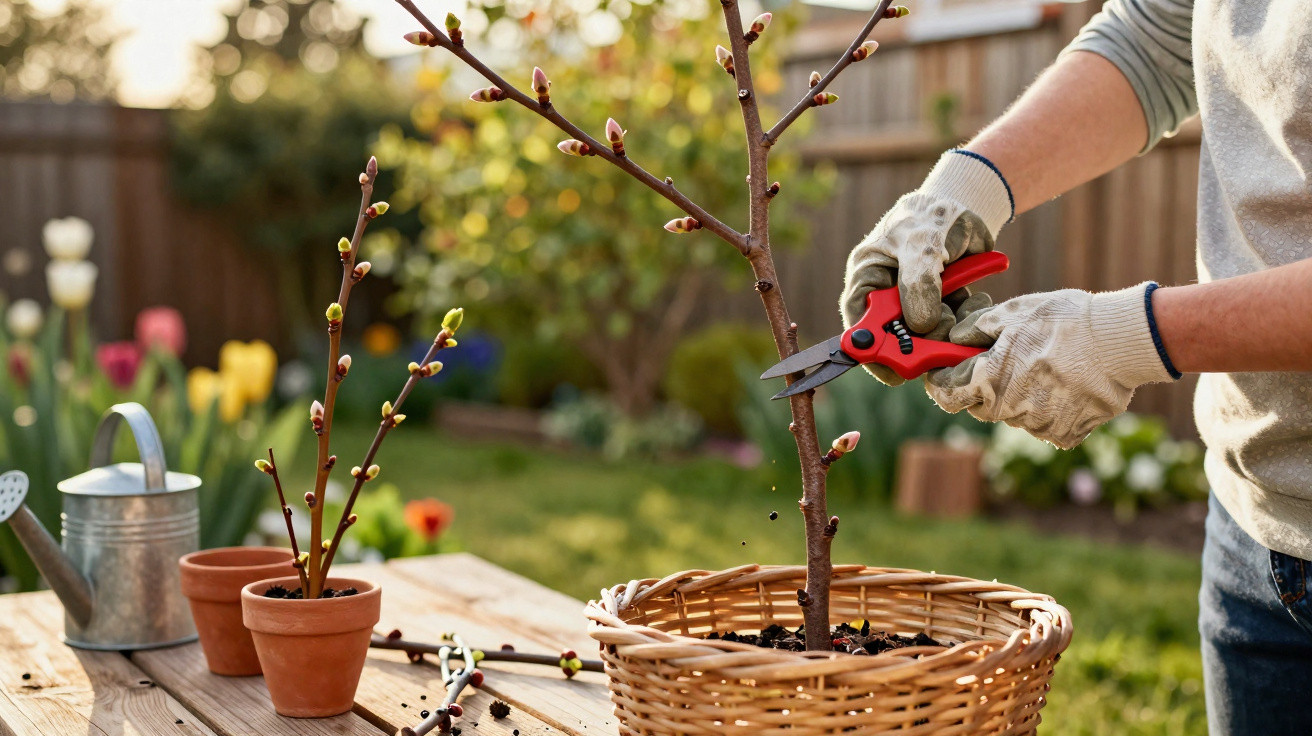
- Make each cut just above a healthy bud or a side shoot, at a slight angle.
What tool and hygiene practices help with pruning?
Sharp tools create clean cuts that heal faster and lower the chance of fungi or bacteria getting in. Secateurs, pruning saws, and loppers with blunt blades crush bark and wood, leaving larger wounds that are harder to seal.
If you are working on shrubs with suspicious spots, darkened branches, or visible fungal growth, it is advisable to disinfect blades with alcohol between plants. For larger cuts, some gardeners apply purpose-made sealants, particularly in very damp areas or where opportunistic pests are common.
How to avoid common mistakes and adapt pruning to the climate
Typical errors include pruning at the wrong time of year and making shallow cuts that only “shape” the outside, while leaving the interior dense and poorly ventilated. Cutting a spring-flowering shrub back hard in winter, for instance, can remove a large share of buds that have already formed.
Climate and location also matter: in mild-winter areas, some species flower for longer and may need a small adjustment to the pruning timetable; in colder places, the ideal window is shorter. Shrubs grown as individual specimens often need less intervention than hedges, where controlling height and width is the priority. Checking basic information for each species-such as flowering time and growth habit-helps you plan pruning that is more precise, practical, and, interestingly, highly effective at keeping the garden attractive for many years.


Comments
No comments yet. Be the first to comment!
Leave a Comment