
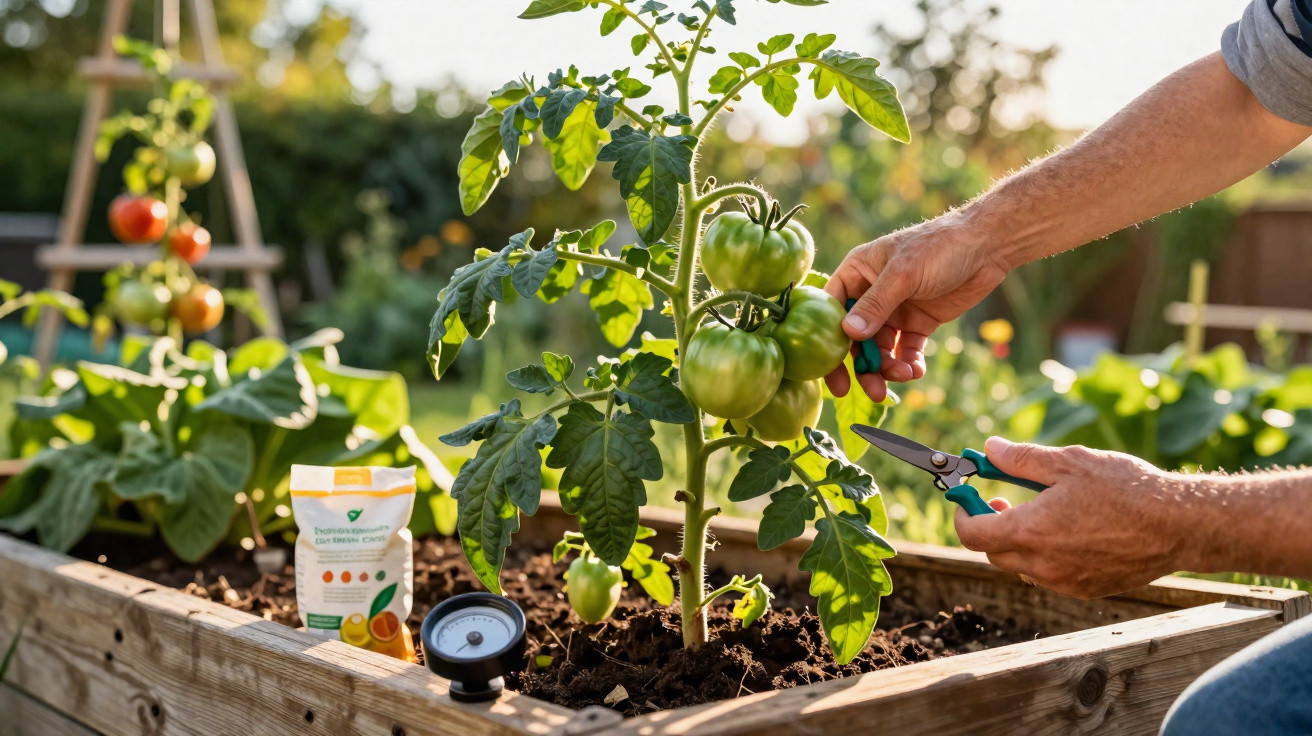
The tomato plant looked almost pleased with itself: deep green leaves, a thick stem, not a hint of disease. Each evening, Sophie passed it with her watering can and thought the same thing: “You look brilliant. So where are my tomatoes?” All around it, the rest of the bed was getting on with things. Courgettes were spilling over, beans were hanging in clusters, and even the basil seemed determined to perform. Only this one plant-the healthiest of the lot-refused to give her a single fruit.
She inspected it for pests. Swapped to a different fertiliser. Even spoke to it, just in case. Nothing changed.
The plant was thriving. The harvest, however, was nowhere to be seen.
When plants look perfect but give you nothing
Most gardeners recognise the feeling: you stare at a lush, glossy plant and think, “You’re having me on.” The foliage is immaculate, the stems look unbreakable, yet the flowers either never arrive or drop off as soon as they appear. The plant settles into a kind of leafy comfort-impressive to look at, but unproductive.
From the outside it looks like pure “health”. On the inside, it has quietly decided there’s no urgent need to reproduce. For a plant, making fruit and seed is effort, and that effort only happens when the conditions say, “Now’s the time.”
A classic case is the balcony tomato. A subscriber once sent photos of a plant that looked like a seed-catalogue jungle-massive foliage, not a single tomato. She insisted she’d done “everything right”: a big pot, rich compost, top-end fertiliser, and steady watering.
Then she showed me the fertiliser label: high nitrogen, with only tiny amounts of phosphorus and potassium. Put simply, it was an ideal formula for producing leaves rather than fruit. The plant wasn’t being difficult-it was being pushed in the wrong direction. It’s like giving a marathon runner nothing but protein shakes and then wondering why they never sprint.
Plants run on priorities. First they stay alive. Then they build enough structure to catch light and draw water. Only once those needs are met do they “risk” reproduction. If the soil is shouting nitrogen abundance, the plant stays in growth mode. If nights are too cold, it pauses. If pollination doesn’t happen, flowers fall.
What can look like stubbornness is really straightforward plant logic. They respond to signals we barely register: day length, root space, moisture swings, wind, microbes. We notice leaves; they respond to balance. When that balance tips too far towards comfort, fruit becomes optional.
How to gently “nudge” a plant from leaves to harvest
The simplest lever is feeding. Many general-purpose, non-flowering feeds are heavy on nitrogen. Early on, that’s useful when you’re trying to get seedlings established. After a certain point, though, it’s like offering an endless salad bar and never bringing out pudding.
For fruiting plants, gradually reduce nitrogen and increase phosphorus and potassium. You don’t need anything complicated: a tomato feed or a “bloom” fertiliser, used sparingly, can change the plant’s internal instruction from “make leaves” to “set fruit”. Keep doses small and spaced out-plants respond better to consistency than a sudden feast.
Watering is the second major signal. Many people water “just in case” and end up keeping roots in cool, damp comfort. With no pressure, there’s no reason for the plant to hurry into reproduction. Watering a little deeper but less often encourages roots to push down and explore.
And then there’s the factor many of us would rather not confront: light. A plant can stay green on a shaded balcony and still be short of energy. It compensates by stretching and remaining soft. Fruit, which costs far more energy to produce, simply doesn’t happen. Realistically, hardly anyone walks around their home with a light meter before placing a pot-yet missing light is often the quiet reason behind absent tomatoes, peppers, or lemons.
Gardeners who harvest reliably tend to share the same understated lesson: at some point, you have to put the plant under a little pressure. Not harm it-just remind it the season isn’t endless.
“Plants don’t respond to our wishes, they respond to signals,” says a market grower I met in a small village outside Seville. “If everything is too easy, they just live. When conditions tighten, they decide it’s time to leave something behind.”
- Cut back nitrogen once the first flowers show, to encourage fruit set.
- Allow the top layer of compost to dry out between waterings to promote deeper rooting.
- Remove a bit of excess foliage so flowers get more light and airflow.
- If you’re growing indoors, hand-pollinate with a brush or a gentle shake.
- Keep an eye on night-time temperatures; many plants slow down below 12–15°C.
The hidden messages your “non-fruiting” plant is sending
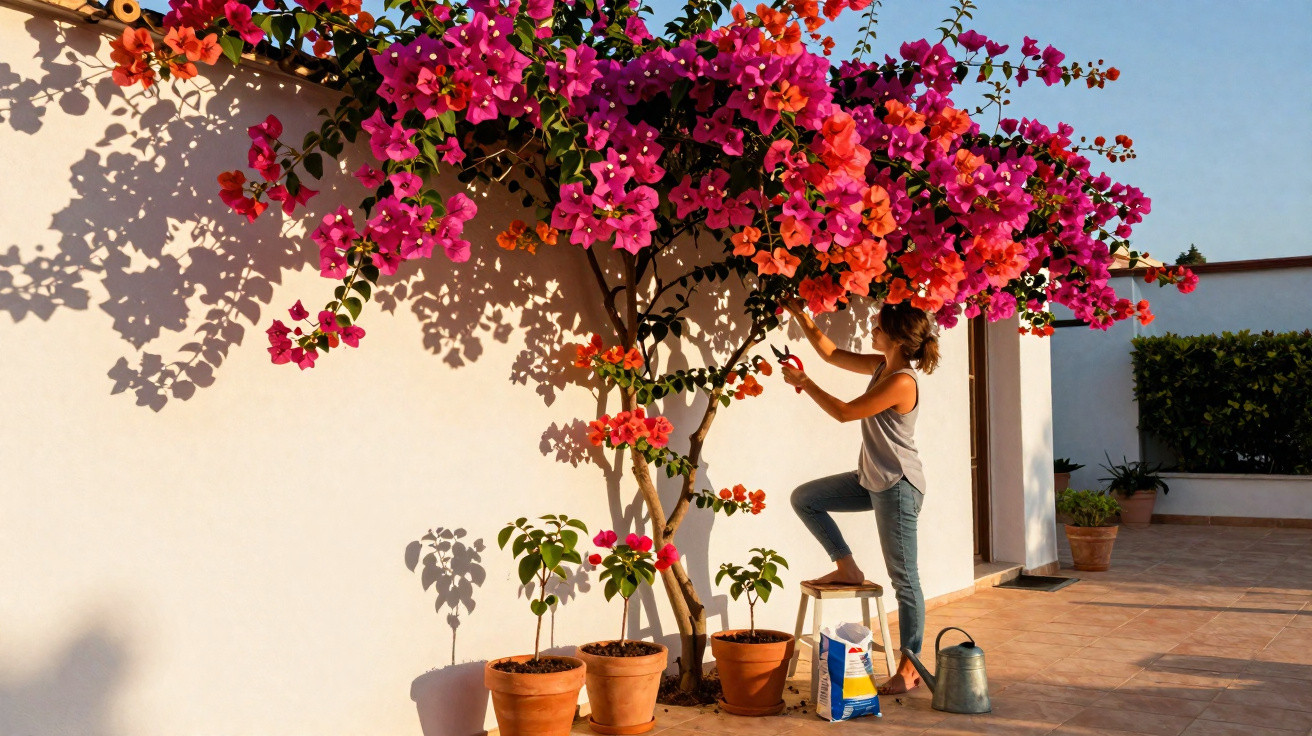
When you start interpreting plants this way, the whole garden feels different. A pepper that flowers enthusiastically but drops every blossom isn’t “cursed”; it’s often reacting to heat spikes, inconsistent watering, or too few pollinators. A lemon tree with shiny leaves and no fruit may be telling you its pot is too small, or that the roots are circling and under strain.
That big houseplant that never blooms? It might be stuck in a permanent indoor spring, never receiving the seasonal prompt that says, “Now we flower.” Looks alone don’t guarantee reproduction.
The reality is that a healthy-looking plant that won’t produce is rarely a true mystery. It’s information, written in green. Too much of one thing, too little of another. Too sheltered and pampered-or, sometimes, quietly depleted by poor soil that appears fine on top.
Once you stop taking it personally, it becomes easier to respond. You check the compost. You lift the pot to feel its weight. You notice how quickly water drains away. You observe that flowers open on bright mornings and shut earlier on dull days. That’s where better harvests begin.
There’s also a particular satisfaction in tweaking just one detail and watching the plant react: watering with a lighter hand, moving it a little closer to the sun, switching to a low-nitrogen feed. A fortnight later, you see the first tiny fruit swelling where there had only been frustration.
You might still end up with one showy plant that never quite earns its keep-but you’ll understand why, or at least know what to investigate. The feeling shifts from helpless disappointment to curious problem-solving. The plant isn’t “failing”.
It’s communicating. And you’re finally replying.
| Key point | Detail | Value for the reader |
|---|---|---|
| Nutrient balance | Too much nitrogen pushes foliage over flowers and fruit. | Adjusting fertiliser turns a “green giant” into a productive plant. |
| Environmental signals | Light, temperature, water rhythm and pollination guide reproduction. | Fine-tuning these signals unlocks harvests without buying new plants. |
| Reading symptoms | Flowers dropping, no buds, or only leaves all point to specific causes. | Recognizing patterns saves time, money, and months of trial and error. |
FAQ:
- Why is my tomato plant full of flowers but no fruit? Often it’s heat or pollination. High temperatures, big swings in moisture, or lack of vibration (wind, insects) mean flowers dry up and fall instead of setting fruit.
- Can over-fertilising stop plants from producing? Yes. Excess nitrogen encourages lush leaves and delays or blocks flowering and fruiting. Use a balanced or bloom-focused fertiliser once plants start to flower.
- Do plants need stress to produce fruit? A mild, controlled stress can help. Slightly drier periods, cooler nights, or a reduced nitrogen feed signal that it’s time to focus on reproduction, not endless growth.
- Why does my indoor pepper plant flower but never form peppers? Indoors, the missing element is often pollination. Gently tap or shake the plant, or use a soft brush to transfer pollen between flowers.
- How long should I wait before deciding a plant just won’t produce? That depends on the species and season, but if conditions are right and there’s still no sign of buds after a full growing cycle, it may be the wrong variety or simply not suited to your light and climate.
Comments
No comments yet. Be the first to comment!
Leave a Comment