
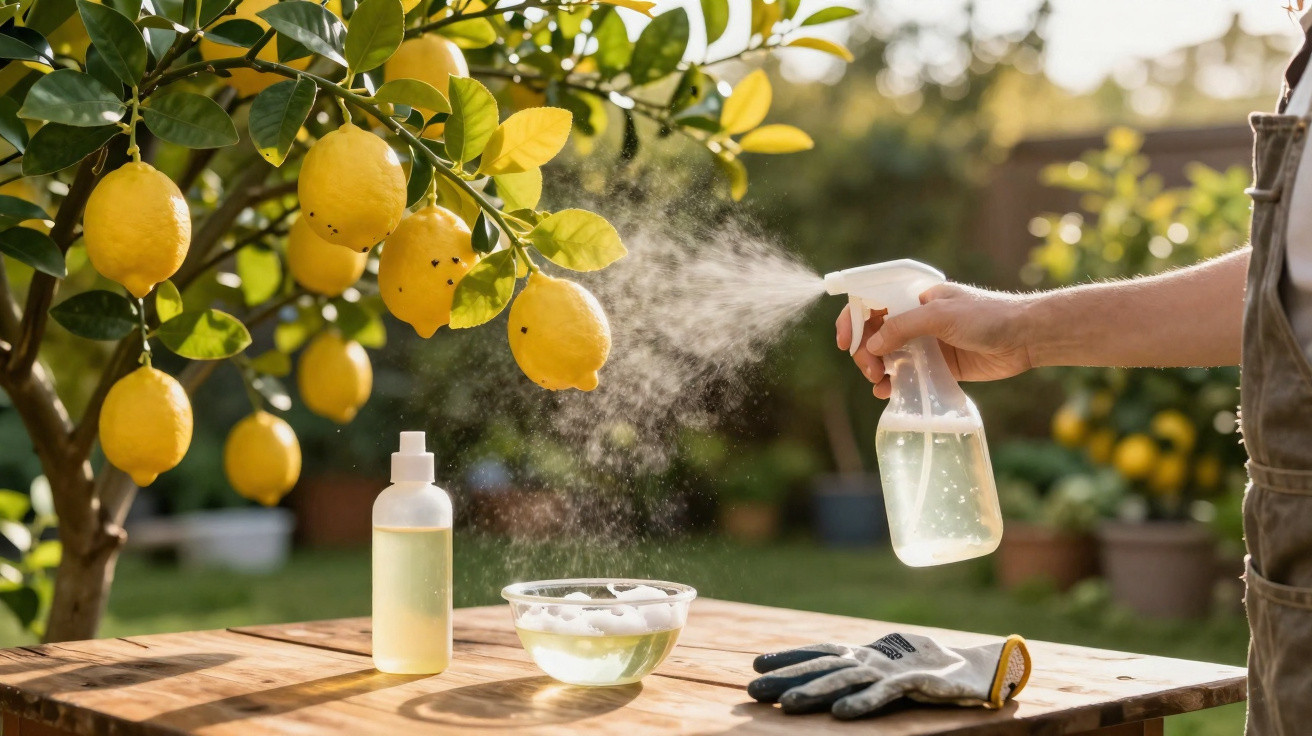
The first genuinely warm weekend of the year arrives and you wander into the garden with a mug of coffee and that quiet, optimistic feeling. The citrus trees you coaxed through winter are pushing fresh leaves, with tiny buds appearing at the tips. You bend in for a closer look… and stop cold. Under the leaves are already speckled little insects, and there’s a faint sticky shine on the stems. Ants are streaming up the trunk as if they’ve claimed it. Your stomach drops.
You didn’t plan on turning the patio into a chemistry experiment, but you also don’t want to lose a single blossom.
Then a neighbour tells you she just uses something from her kitchen cupboard and, within days, the pests ease off.
You laugh, assuming she’s winding you up.
She’s not.
The unexpected kitchen ally your citrus trees are begging for
The everyday item gardeners quietly recommend - the one likely sitting beside your hob - is plain liquid washing-up liquid. No specialist spray, no obscure essential oil. Just a mild, fragrance-free soap you’d normally use on plates.
For citrus trees dealing with aphids, scale crawlers, whiteflies or spider mites, that little bottle can act like a small, practical line of defence.
Used as a light, diluted spray, washing-up liquid coats soft-bodied pests, interfering with their protective layer and stopping them from carrying on as normal. There are no harsh fumes and nothing perfumed lingering for days - just a low-drama way to swing the odds back towards your lemon, orange or mandarin.
I saw it work first-hand on a suburban patio in early April. A young Meyer lemon in a terracotta pot was completely covered in aphids. The newest leaves had curled into tight little fists, and everything felt tacky with honeydew. The owner - new to gardening - looked ready to give up and put the tree out for collection.
A local gardening group suggested a basic mix: one small squeeze of plain washing-up liquid in 1 litre of water. She sprayed carefully in the early evening. Two days later, the leaves were still slightly twisted, but the black ants had disappeared, the aphids had shrivelled, and clean, bright new growth was starting to push through.
No pricey products. No chalky white film left behind. Just washing-up liquid from the sink.
The science behind it is almost too straightforward, which is part of why it feels dependable. Washing-up liquid is a surfactant: it reduces surface tension, helping water spread out, cling and get into small spaces. On soft-bodied insects, that mild kitchen chemistry turns into a control method. The soapy solution can dehydrate or suffocate them by disrupting their outer membrane.
Citrus foliage, as long as the mixture is gentle and you rinse afterwards, generally doesn’t respond in the same way. The leaves can cope - provided you stick to the right dose and spray at sensible times. That’s the understated elegance of this approach: it focuses on the pests attached to your tree without turning the whole garden into a battleground.
And honestly, most of us don’t read every single label on every “specialist” product we spray outdoors.
Exactly how to use dish soap on citrus trees without hurting them
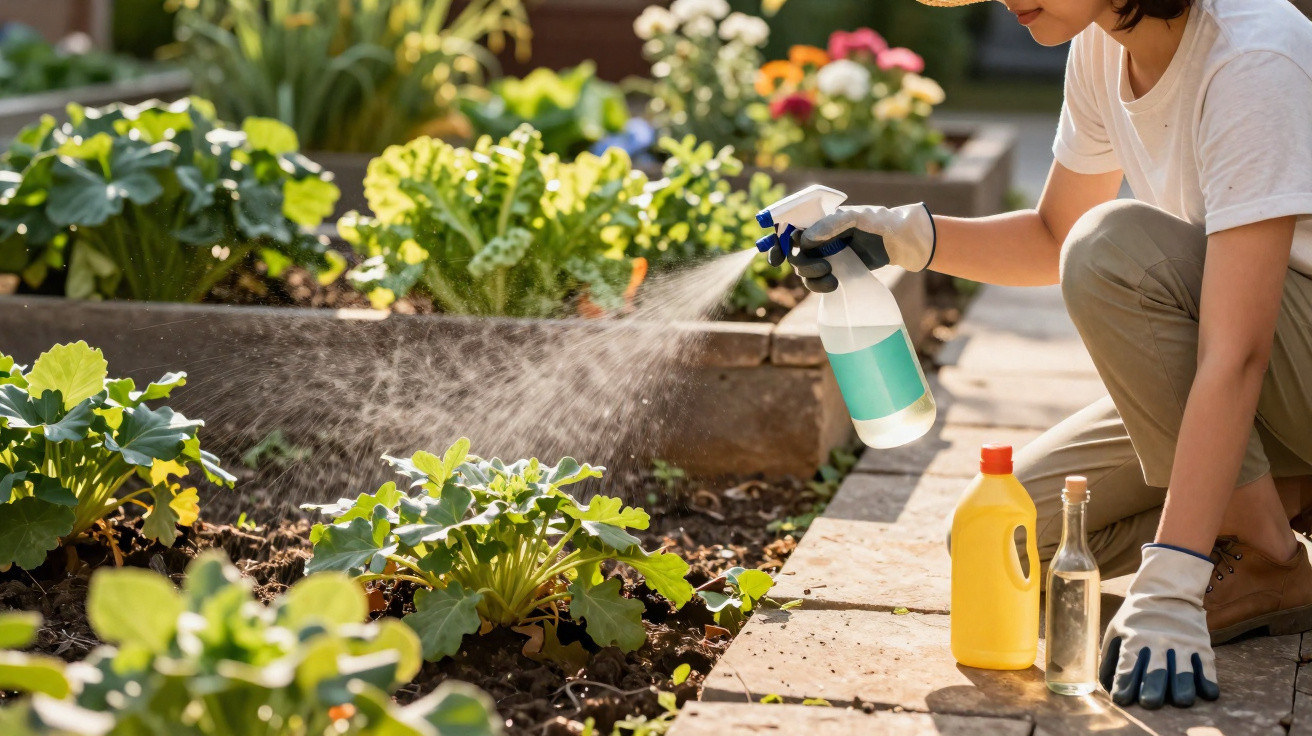
The process is simple, but it’s the small details that keep your tree safe. Start with a clean spray bottle - ideally one that produces a fine mist. Add about 1 litre of lukewarm water, then mix in just 1–2 teaspoons of mild, fragrance-free liquid washing-up liquid. Gently swirl to combine; don’t shake it into a head of foam.
Spray in the early morning or late afternoon, when the sun isn’t fierce. Begin with the undersides of the leaves, where pests usually congregate. Then lightly mist the tops of the leaves and any young stems. You’re aiming for a thin, even coating - not foliage that’s dripping.
Leave it for a few hours, then rinse the leaves carefully with clean water using a watering can or a hose on a soft spray.
Where people often go wrong is assuming that extra soap equals extra strength. It doesn’t - it simply increases the stress on the leaves. Over-strong mixes can scorch tender citrus foliage, especially soft new flushes already strained by pests or warmth. The aim is to bother and remove the insects, not to punish the tree for your good intentions.
Another frequent mistake is spraying at midday on a bright, hot day. Soapy water plus direct sun can cause small scorch marks, particularly on container-grown trees that warm up quickly. If you’ve ever singed basil by spraying in the middle of the day, you’ll recognise the regret. Take it gently, keep it mild, and observe how the tree responds the first time.
We’ve all had that moment where a “quick fix” creates a fresh problem.
Some home gardeners treat dish soap like a miracle cure, but the most experienced citrus growers will tell you it’s more like a quiet helper. One organic orchardist summed it up nicely: “The soap spray won’t save a tree that’s already in crisis, but it can stop a small problem from becoming a disaster. Used early and lightly, it’s one of the few tools that works as well in a backyard as it does on a farm.”
- Use mild, unscented soap – Steer clear of “ultra degreaser” products, antibacterial formulas, or soaps with added moisturisers, as these can be tougher on leaves.
- Test one branch first – Treat a small section and wait 24 hours to check for leaf discolouration or scorching before you spray the whole tree.
- Repeat, don’t overdose – During an infestation, gentle applications every 5–7 days are safer than one strong, aggressive spray.
- Combine with pruning – Cut off badly misshapen leaves and heavily infested shoots so the spray reaches what’s left more easily.
- Watch beneficial insects – Ladybirds and lacewings won’t appreciate being sprayed either, so be targeted and avoid flowers where they may be feeding.
Beyond the spray bottle: a different way to see your citrus this spring
Once you start using this small kitchen trick, it subtly changes how you view your citrus trees. You get closer, turn leaves over, and look for the earliest clusters of moving specks. Rather than only reacting when a branch is already failing, you catch issues while they’re still minor. The soap is useful - but the bigger shift is the attention you’re giving.
You may even begin to time your check-ins: a calm look at dusk, another glance in the morning light. You’ll spot which branches the ants favour, which side is more exposed to wind, and where the first flowers open. That quiet, regular monitoring can feel surprisingly soothing.
This modest, almost laughably simple tip also encourages a more patient style of gardening. A soapy mist won’t undo damage instantly; curled leaves won’t suddenly straighten. The reward arrives a few weeks later, when fresh, clean growth unfurls and new blossoms avoid the sticky coating that once smothered them.
It’s a slow exchange: a couple of minutes at the sink, a short walk with a spray bottle, and the discipline to stick with low doses rather than “just a bit more”. In return you get fruit that ripens without being eaten from the inside, and glossy leaves that finally resemble the nursery label.
There’s also a quiet satisfaction in sorting a garden problem with something you already have. No frantic dash to the garden centre, no brightly coloured bottles collecting dust in the shed. One small bottle from the worktop, one simple mix, repeated only when necessary. Sometimes the difference between a struggling tree and a thriving one isn’t a secret product, just a habit you stick with for a whole season.
The next time you pass your citrus in spring and notice the first sticky leaves, you’ll know there’s a low-key, everyday option waiting by the sink. And that bit of certainty can make the garden feel less delicate - and more like something you genuinely have in hand.
| Key point | Detail | Value for the reader |
|---|---|---|
| Kitchen ingredient | Mild liquid dish soap diluted in water works as a soft-bodied insect control on citrus | Offers an accessible, low-cost way to respond quickly when pests first appear |
| Method | 1–2 teaspoons per liter of water, fine mist on leaves in cool hours, then rinse | Reduces risk of leaf burn while improving effectiveness on aphids, mites and whiteflies |
| Mindset | Regular light monitoring and repeated gentle sprays during infestation | Builds a simple routine that protects trees before damage becomes severe |
FAQ:
- Question 1 Can I use any dish soap on my citrus trees? Choose a mild, unscented liquid dish soap without bleach, antibacterial additives, or degreasers. Harsh formulas and soaps with added moisturizers are more likely to burn leaves or leave residues.
- Question 2 How often should I spray the soap solution? During an active infestation, spray every 5–7 days, for 2–3 cycles. Once pests are under control, stop and just monitor the tree, only spraying again if you see fresh clusters appearing.
- Question 3 Will soap spray harm beneficial insects like ladybugs? If they’re directly hit, yes, so try to spray when beneficial insects are less active and avoid blossoms where they’re feeding. Target the undersides of leaves and heavily infested areas rather than the whole tree.
- Question 4 Can I spray in full sun or on very hot days? Better to spray early morning or late afternoon. Soap plus intense sun and heat can cause leaf scorch, especially on potted citrus or newly flushed growth.
- Question 5 What if the soap spray doesn’t solve the problem? If pests come back strongly or the tree looks weak, combine soap sprays with pruning of badly affected shoots, improve watering and feeding, and consider other organic tools like horticultural oils or releasing beneficial insects.

Comments
No comments yet. Be the first to comment!
Leave a Comment