
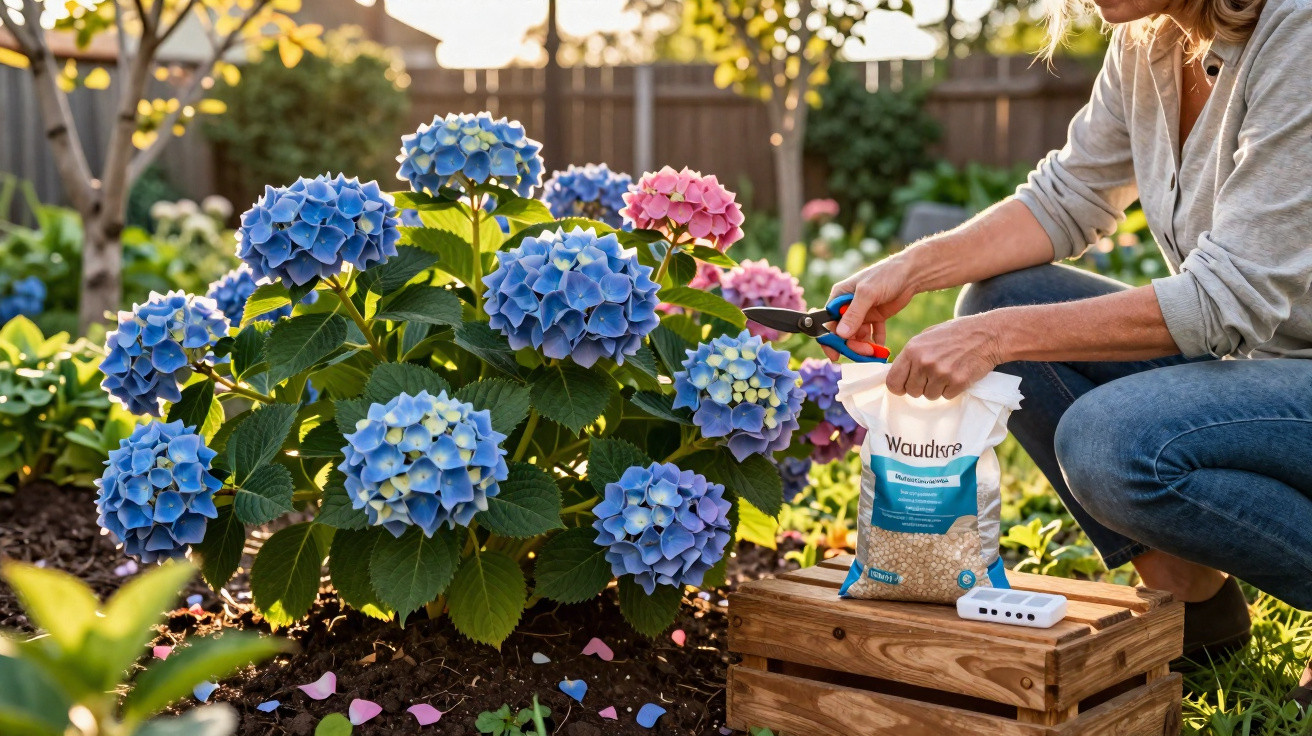
Plenty of amateur gardeners know the feeling: a few years ago the hydrangea shrub was a burst of colour, and now it seems to produce little more than leaves. The good news is that, in most cases, it’s not down to “bad soil” or “the wrong weather”, but to a few missed jobs after winter. If you prune, care for and protect your hydrangeas properly in late winter and early spring, you can get them back into top condition for many years.
Why early spring is what makes or breaks flowering
Between late February and early March, hydrangeas effectively make an early decision about the season ahead. At that point the buds are already swelling, yet they are still closed. This is when the plant responds particularly strongly to where and how you cut.
If you go at them too enthusiastically with the secateurs, you can snip off the developing flower buds entirely. A careful cut matched to the variety, on the other hand, channels the plant’s energy into sturdy shoots and large, richly coloured flower heads.
"In late winter, a single well-planned cut determines whether hydrangeas show only foliage or produce flowers for months."
Important: the usual pruning window is the handover from winter to spring. Ideally, the worst frosts are largely over. When you can see plump buds on the brown stems, it’s time to prune. Avoid heavy pruning in autumn, because fresh growth then goes into winter without protection and can easily be killed back by frost.
Know the variety first, then pick up the secateurs
The biggest mistake in many hydrangea gardens is treating every type the same. A hydrangea is not just a hydrangea-especially when it comes to where it forms its flowers.
Varieties that flower on last year’s wood
The familiar garden hydrangeas with round mopheads or flatter lacecap blooms are usually Hydrangea macrophylla or Hydrangea serrata. Oakleaf hydrangea (Hydrangea quercifolia) and climbing hydrangeas also set their flower buds on the previous year’s growth. If you cut these back hard, you remove the entire season’s flowering potential.
The basic rule is simple: thin lightly, never cut back drastically. Remove spent flower heads, take out old and weak branches-usually that’s all that’s needed.
Varieties that flower on new growth
Panicle hydrangeas (Hydrangea paniculata) and the well-known snowball hydrangea Hydrangea arborescens ‘Annabelle’ cope far better with pruning. Because they produce flowers on this year’s shoots, they can handle a much harder cut.
That gives you far more scope to shape the plant. At the same time, the intensity of your pruning lets you influence whether you get lots of smaller blooms or fewer but strikingly large flower panicles.
Three simple pruning tricks for years of hydrangea blooms
1. Rejuvenate garden hydrangeas gently
The classic types with thick, ball-shaped heads or flat “plates” don’t appreciate rough treatment. Use this approach:
- Cut off dried flower heads just above a strong pair of buds.
- Remove thin, stunted or dead shoots right down at the base.
- Each year, take out one to three of the oldest, woody branches at their point of origin.
This light pruning renews the shrub gradually. The plant puts more energy into young, vigorous shoots-and because so many buds sit on last year’s wood, flowering is preserved.
2. Cut panicle hydrangeas back firmly
With panicle hydrangeas you can be bolder. In fact, a strong cut can actually improve their vigour. Ideally, shorten the shoots to around one third to half of their length. Always cut just above a pair of outward-facing buds so the shrub develops a stable, airy framework.
In this case, fewer buds per shoot means the plant concentrates its strength into individual flower panicles, making them larger and more eye-catching. If you prefer lots of smaller flowers, leave a few more buds in place.
3. Reduce ‘Annabelle’ almost to ground level
‘Annabelle’ is considered particularly easy to look after. It tolerates being cut back to about 20 centimetres without any trouble. Fresh shoots then surge away strongly and carry plenty of large flower heads in the same season.
"Many ‘reluctant’ hydrangeas visibly recover after just one correctly done spring prune."
Spring care: soil, watering and protection
Once pruning is finished, it’s time for rebuilding. A few straightforward steps lay the groundwork for a strong, long-lived plant with generous flowering.
Clear and feed the soil
Start with a careful check of the ground around the shrub. Remove any unhealthy-looking or discoloured leaves left from last year so fungal problems don’t persist. Then gently loosen the top layer around the roots, taking care not to damage fine root fibres.
Next comes the “tonic”:
- Spread a layer of well-rotted compost around the root area.
- Optionally work in a dedicated hydrangea fertiliser, especially for plants in pots.
- Cover the soil with bark mulch or shredded leaves.
Mulch helps retain moisture and buffers the soil against sharp temperature swings. Compost also supports soil life and provides nutrients over the longer term.
Water properly and protect against late frosts
Hydrangeas do best in consistently moist soil. Young plants in particular are quick to suffer if they dry out. If you only water lightly at the surface in spring, little reaches the deeper roots. It’s better to water less often but thoroughly.
Late frosts can damage buds that have already started into growth. On clear nights when frost is forecast, it’s worth covering the plant with a light fleece or an old bedsheet. Remove the cover again in the morning so moisture does not build up underneath.
Common mistakes that cost you flowers
The same issues crop up in gardens again and again. If you recognise them, you can avoid the frustration of leafy shrubs with no blooms.
- Hard pruning in autumn: new growth is cut back by frost and flower buds die.
- Cutting too low on varieties that flower on last year’s wood.
- Persistent dryness in spring: buds fail to develop properly.
- No thinning: old, tired stems steal light and energy from younger growth.
A quick check in February or March is usually enough to head these problems off.
How long hydrangeas can thrive with good care
With the right pruning and a dependable spring routine, hydrangeas can stay in the same spot for many years-sometimes decades. Over time they build a strong root system, cope better with hot spells and are less affected by occasional lapses in care.
If you remove a few old stems each year, mulch regularly and water promptly in dry weather, your shrubs remain vigorous. Targeted pruning also makes it easy to adapt shape and size for a patio, balcony or border.
A final look at colour, position and pH
Many gardeners are surprised when a hydrangea that used to be blue suddenly flowers pink. Often the reason is the soil’s pH. Blue varieties need more acidic conditions and certain aluminium compounds in the growing medium. If you water with lime-rich water or apply plenty of lime, the pH shifts-and the blooms move towards pink.
Where you plant them matters too. Hydrangeas like bright conditions, but not scorching sun. A spot with morning or evening sun and a little shade at midday helps prevent leaf scorch and can extend the flowering period. In full sun, a thick mulch layer helps stop the soil drying out so quickly.
Combine these points with the spring jobs above and you can turn a struggling shrub into an easy, dependable bloomer again. Put in one or two hours once a year-and the rest of summer belongs to those flower heads in the garden or on the balcony.

Comments
No comments yet. Be the first to comment!
Leave a Comment