
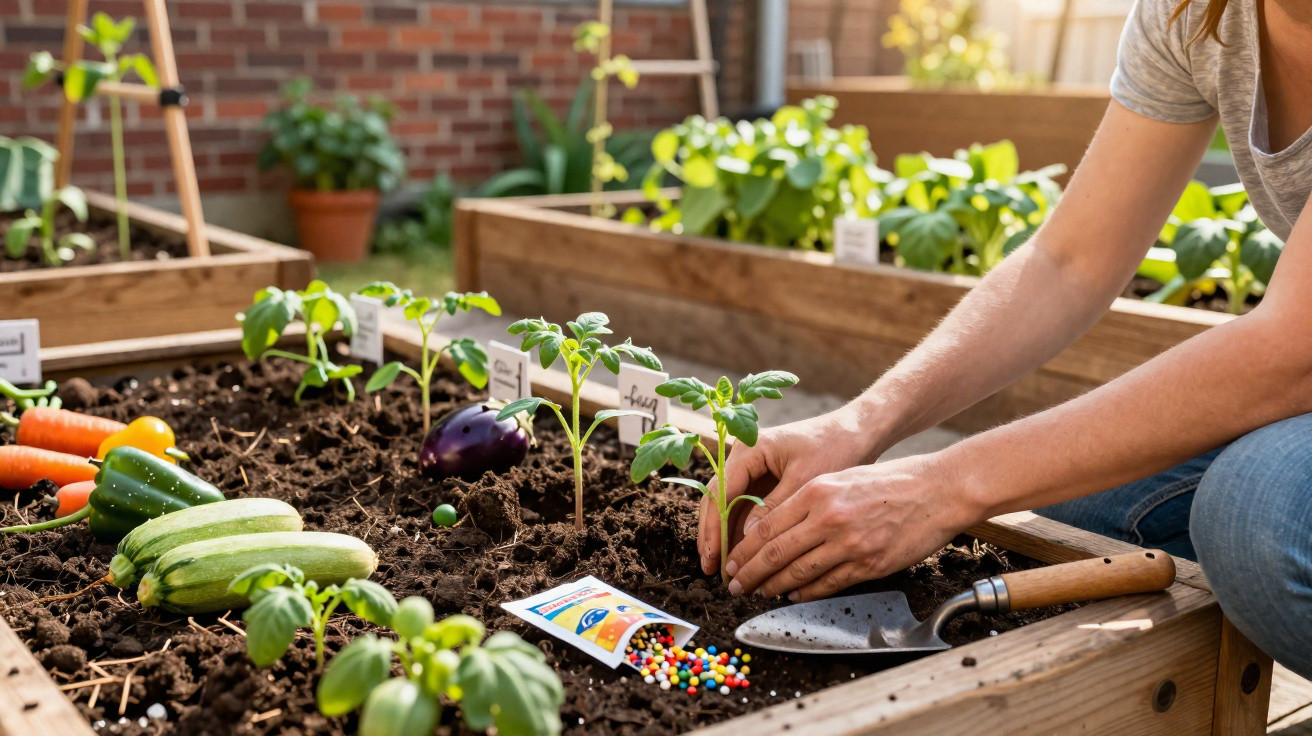
Some vegetables simply need more time than many amateur gardeners realise.
Looking back can sting: last year, people hesitated for too long, beds stayed empty, and the dream summer crop didn’t arrive until autumn-or didn’t arrive at all. To avoid the same disappointment, March is the month that decides what ends up fresh on your plate in June, July and August.
Why March decides your summer in the vegetable garden
March is when the real vegetable-growing season gets going. Days lengthen, the first mild spells kick-start growth, and the soil begins to warm. If you make the most of this window, your plants gain a clear head start.
Vegetables sown or planted in March develop deeper roots, cope better with heat, and produce earlier and longer harvests.
Slow developers in particular-such as tomatoes, peppers, aubergines and carrots-need several months before they’re even ready to pick. If you wait until April or May, you can easily push the payoff into late summer-or miss it altogether if autumn turns cool.
There’s another advantage to getting going on time: sowing and planting early helps prevent everything ripening at once. That way, your harvest is spread over weeks or even months, rather than leaving you with a mountain of veg to deal with in one go.
Vegetables to start now if you want to harvest in summer
Some crops can go straight into the bed, while others are best started somewhere warm and planted out later. It’s the combination that makes the difference.
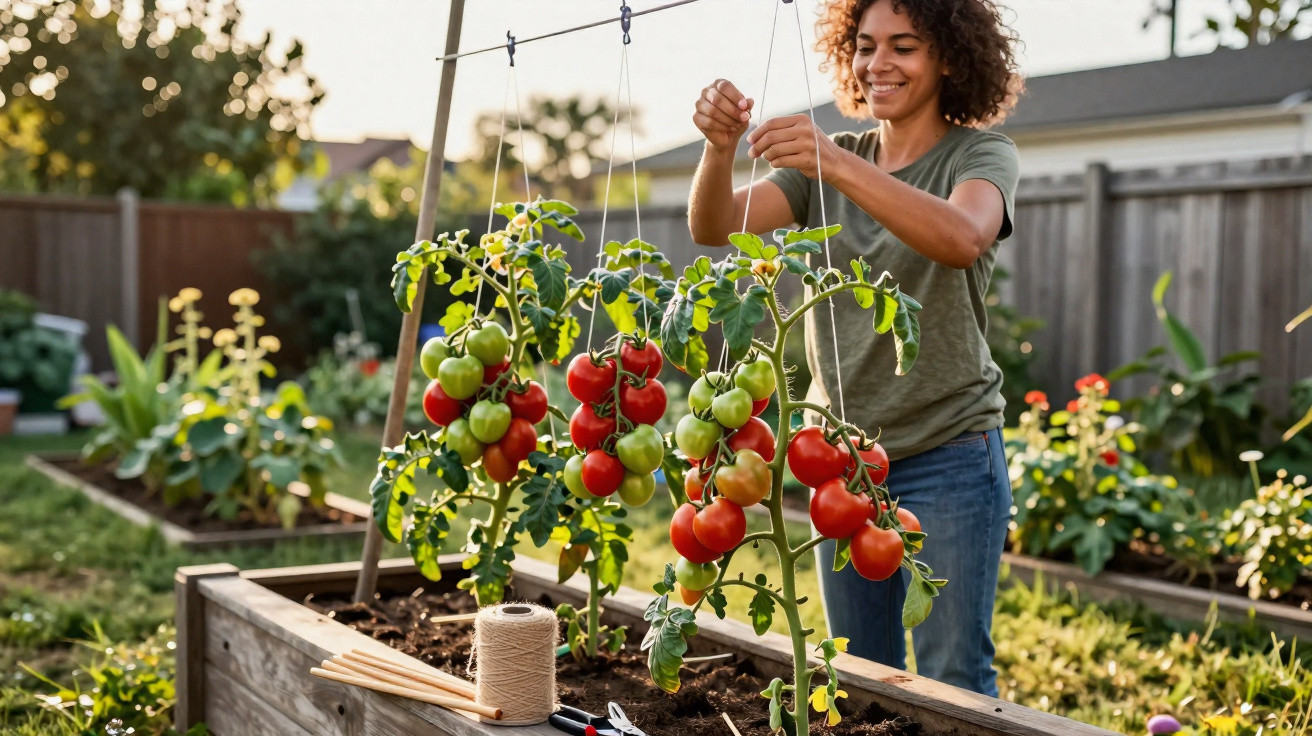
Tomatoes: without starting indoors, no early tomato feast
Tomatoes are rightly seen as the stars of the summer plot. If you want ripe fruit from June or July, you need to give them an early start.
- Sowing time: now in March indoors or in a well-sheltered greenhouse, at around 18–20 °C.
- Outdoors: no earlier than mid-May, once the risk of night frost has passed.
At the beginning, tomatoes prefer bright, airy conditions and relatively low-nutrient compost. Over-rich compost encourages long, thin, weak growth. A light seed compost mix is the better choice.
- Sow into small pots or module trays filled with loose compost.
- Keep evenly moist, but never waterlogged.
- Prick out or pot on once four to five strong leaves have formed.
If you’re aiming for the earliest crop, choose early varieties. Beefsteak tomatoes usually take longer; smaller salad or Roma types are often quicker to ripen.
Courgettes: the turbo producer in the bed
Courgettes are among the highest-yielding vegetable plants you can grow. One well-fed plant can flood a household with fruit-provided it gets going early.
- Sowing indoors: from March in pots, so plants are sturdy by planting-out time.
Into the bed: from mid-April in mild areas, otherwise closer to early May.
Soil enriched with compost really pays off-courgettes are heavy feeders.
Allow generous spacing: roughly 1 metre per plant.
Mulching keeps moisture in and stops the surface forming hard crusts after rain.
For a more colourful harvest, pair a classic dark green variety with a yellow one, and perhaps a round type too-extra variety for both kitchen and plot.
Aubergines and peppers: sun-lovers with a long run-up
Aubergines and peppers are sensitive to cold and tend to grow slowly in spring. That’s exactly why it’s worth starting them early somewhere warm.
- Sowing: in March in a heated indoor space; 20 °C or more is ideal.
Planting out: from mid-May, in a sheltered spot with as much sun as possible.
Don’t plant out until there are at least six strong, true leaves.
A position by a warm house wall or inside a polytunnel works like a turbo boost.
Consistent watering prevents stress-especially during flowering and fruit set.
In cooler areas, early-ripening, smaller-fruited varieties are usually the safer bet. Large bell peppers and hefty aubergines can otherwise produce only a few fruits in a short summer.
Dwarf French beans: sow earlier, pick for longer
Green beans can be grown over a long period. An early first sowing means you can start picking tender pods as early as June.
- Under fleece or in a tunnel: from March in mild locations.
Direct outdoors: once the soil reaches around 12 °C, typically in April or May.
Set small clumps about 40 centimetres apart, with four to five beans per clump.
Earth up the young plants slightly to help them stand firmly.
Water evenly, but avoid creating waterlogging.
If you sow a new row every two to three weeks, you can keep harvesting right into late summer. Your kitchen stays supplied without anything going to waste.
Carrots: sown early, snacked early
Carrots benefit hugely from an early start. In loose, deeply prepared soil they grow more evenly and can be ready by the start of summer.
- Sowing: from March straight into the bed, ideally into fine, crumbly soil.
Protection: if late frosts threaten, horticultural fleece helps shield the seed from cold and pests.
Sow thinly in rows-too dense and plants compete for space.
Thin the rows by the time seedlings are about 5 centimetres tall, so roots can develop properly.
Water regularly to prevent woody texture or splitting.
Short or round varieties also work well in raised beds and deep balcony containers-so long as the compost stays genuinely loose.
Practical tricks for strong young plants in March
Sowing in March often means dealing with changeable weather and still-short days. A few adjustments make a big difference to plant strength.
- Protection with a greenhouse or cold frame: smooths out temperature swings and keeps wind off.
- Careful watering: water little and often rather than drenching occasionally.
- Maximum light: bright windowsills, supplementary lighting or reflectors prevent weak, leggy seedlings.
- Hardening off before planting out: put young plants outside for short periods in mild weather before they move into the bed permanently.
Which vegetables go where? A quick overview
| Vegetable | Start in March | Position from May |
|---|---|---|
| Tomatoes | Start indoors or in a greenhouse | Outdoors or in a greenhouse |
| Courgettes | Sow in pots somewhere warm | Bed or large raised bed |
| Aubergines | Start at over 20 °C | Very warm, sheltered spot |
| Peppers | Start on a windowsill | Bed, container, sheltered balcony |
| Dwarf French beans | Cold frame or polytunnel | Bed; later sowings direct outdoors |
| Carrots | Direct sowing in the bed | Stay in place until harvest |
How urban gardeners can use the March head start
Even without a big garden, you can still take full advantage of March. On balconies and patios, tomatoes, peppers and courgettes grow well in pots and containers if the volume is adequate. As a rule, 10 to 20 litres of compost per plant is sensible-more is better for courgettes.
If all you have is a bright window, begin with indoor propagation and then look for a spot in a community garden, on an allotment, or with friends who have spare beds. Many people are happy to lend a patch if they get to share in the harvest.
Mistakes that hurt most in March
These common pitfalls are easy to avoid once you know what to watch for:
- Too much warmth with too little light: plants grow tall and flimsy. Keep it a bit cooler, but as bright as possible.
- Heavy, wet compost at sowing time: seeds rot more readily. Use loose seed compost instead.
- Planting out too early: one frosty night can wipe out weeks of work. If in doubt, wait an extra week.
- Crowding: without thinning, you end up with small, poor roots and weak plants.
It’s the combination of early sowing, good nutrition and reliable watering that builds a robust root system. Plants like that cope far better with midsummer heatwaves and produce more consistently.
How variety choice and companion planting affect your harvest
Early varieties can make a surprisingly big difference: between a very early cherry tomato and a late beefsteak, it’s easy to see a four-week gap in picking time. If you plan well and grow both types, you automatically extend the season.
Mixing crops within the bed is worth exploring too. Dwarf French beans and courgettes work well together, and tomatoes benefit from carrots or lettuce nearby-as long as they have enough space. These combinations use the area more efficiently and keep the soil covered for longer, which saves water and slows weed growth.
If you use March with intent, you set yourself up for a summer that tastes like your own garden rather than the supermarket. The key rule is this: it’s better to begin now-even if everything isn’t perfectly prepared-than to wait until “sometime”, because in the vegetable garden that “sometime” is often too late.
Comments
No comments yet. Be the first to comment!
Leave a Comment