
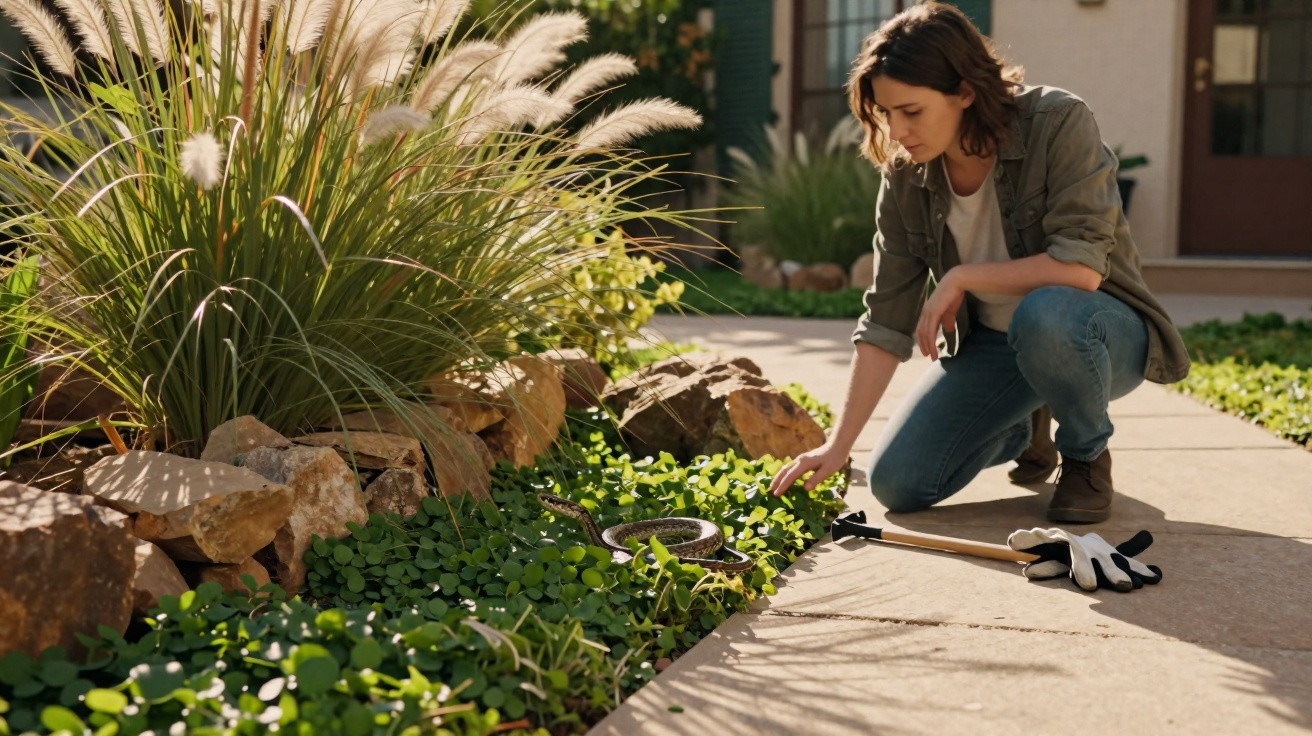
As the first mild days arrive, it is not only weeds that push their way up through the soil. Snakes also re-emerge, looking for warmth and, above all, safe hiding places. Certain plants around the house, patio and garden create ideal conditions for this - often without the people noticing as they walk barefoot across the lawn or work in the borders.
When the ground reaches 12°C, vipers become active
Venomous vipers get going earlier in the year than many people expect. As soon as daytime ground temperatures settle at roughly 12 to 15°C, their winter dormancy comes to an end. In many areas this can happen around mid-March, and in particularly mild locations even earlier.
Because these animals are cold-blooded, they must regulate their body temperature using their surroundings. Straight after waking, they therefore seek out warm, sheltered spots: plenty of sunshine, but not out in the open on a lawn where birds of prey or hedgehogs would have an easy time.
Gardens with dense planting islands, stone walls, dry-stone walls or sunny piles of stones close to the house are particularly at risk.
It is not a single botanical species that turns a plot into a snake haven, but rather the mix of warmth, cover and narrow gaps to slip into. Even so, three plant groups keep cropping up.
The three plant types vipers find especially attractive
1. Pampas grass: dramatic, popular - and a perfect refuge
Tall pampas grass (Cortaderia selloana) has been fashionable in front gardens and borders for years. Its huge, tightly packed clumps with striking plumes look impressive and are considered low-maintenance. Those same qualities are exactly what make it so appealing to vipers.
- Extremely dense leaf clumps - almost impenetrable for birds of prey
- The soil beneath the plant stores heat while remaining shaded
- Plenty of gaps around the roots for hiding and hunting
The lower part of an older pampas grass clump often forms a sort of cave of dry plant material and soil - an ideal place for a snake to warm up without being seen. In summer, the dense growth also works as camouflage while hunting prey such as mice or lizards.
In some countries, pampas grass is now classed as invasive and is being heavily controlled. If you already have mature plants in the garden, it is worth thinning the base regularly, removing old leaves, and avoiding placing them right beside seating areas or children’s play spaces.
2. Mat-forming ground cover: a green blanket with warm soil beneath
Thick ground cover plants can also provide the sought-after blend of cover and warmth. These include, for example:
- creeping juniper varieties
- low-growing Cotoneaster types
- trailing or ground-cover ivy varieties
They form low cushions or green carpets that sit like a roof over the soil. From above, everything looks sealed; underneath, a kind of air layer forms. The soil warms in the sun, the heat rises, and then gets trapped beneath the canopy of leaves.
For a viper, this creates a sheltered “tunnel” where it remains almost invisible while its body slowly heats up. If such ground cover is then combined with stones, edging blocks or retaining walls, it can create a true reptile-friendly microclimate.
3. Dense planting around stones, walls and patios
The third group is less about one plant and more about a familiar garden set-up: a south-facing patio or seating area, with a small stone wall or pile of stones in front - planted with trailing or semi-trailing perennials and shrubs.
Typical examples include:
- trailing cushion perennials on dry-stone walls
- rock-garden plants growing in joints and cracks
- shrubs with low-hanging branches right against walls
Stone surfaces absorb heat during the day and release it slowly afterwards. If plants hang over them, a shaded corridor forms along the stones. For a viper, that is much like a naturally heated tunnel. Anyone walking barefoot along the edge or pulling weeds between stones can easily end up in close contact.
How garden owners can make their outdoor space safer from March
The most effective protection is to adjust the garden before spring temperatures rise. A few changes are often enough to make the area less appealing to snakes, without having to remove every plant.
- Clear the base: Under shrubs, ground cover and pampas grass, thin out growth close to the ground. A gap of around 15 to 20 centimetres between the soil and the foliage reduces the sheltered cover reptiles rely on.
- Tidy stone areas: Remove leaves, old plant debris and long grass from rock gardens, wall crevices and patio joints. Open, clean gaps are less attractive as hiding places.
- Rethink mulch: Replace thick layers of bark mulch or woodchip beside seating areas or paths with mineral, light-coloured chippings or gravel. These retain less heat and offer few cavities.
- Keep distance from high-use areas: Avoid very dense, tall planting right next to patio doors, seating areas or frequently used paths.
A garden can be species-rich and close to nature without the most hazardous hiding places being right by the back door.
Gardening close to nature while still reducing risk
Many amateur gardeners deliberately aim for high biodiversity. Piles of stones, dead wood and dense planting attract hedgehogs, insects, lizards and birds. However, that also increases the chance that vipers will find the site suitable.
A workable compromise is to organise the garden into zones. Put wilder, more natural areas towards the back of the plot, at least 20 metres from the patio, play area and front door. That way reptiles, small mammals and insects can find shelter without children or pets being directly at risk.
If you like to garden in open footwear, it is sensible to do a thorough cut-back and clear-out once before the season starts. Under pampas grass, within thick ivy patches or around sunny dry-stone walls, it is worth taking a careful look before hands and feet go deep into the greenery.
What to do if a viper appears in the garden
In many European countries, vipers are strictly protected. Killing them, catching them or deliberately destroying their resting places is prohibited there and can lead to significant fines. Beyond the legal position, snakes also play an important role in the ecosystem, for instance by helping to control rodents.
If you do encounter one, a few simple rules apply:
- Stay calm and keep your distance.
- Step back slowly rather than running away.
- Leave the animal an escape route instead of cornering it.
- Never try to drive it away or catch it using sticks, spades or your hands.
If the animal remains for a long time near the front door, garage or a children’s play area, it can be sensible to call the fire service or a regional nature conservation group. Many organisations can give an initial assessment over the phone of whether it is actually a viper or a harmless grass snake, and explain what to do next.
How dangerous a bite is - and how to prevent one
Most viper bites happen because people fail to notice the animal and accidentally step on it or grab it by hand. If you are working in the garden in spring and summer, you can greatly reduce the risk by using:
- sturdy, closed shoes, ideally with a slightly higher ankle
- robust gardening gloves when working in dense growth
- extra care when moving stones, woodpiles or old boards
A bite is usually extremely painful and always requires medical treatment. Even so, most incidents involving healthy adults do not have life-threatening consequences, provided action is taken quickly. Children and pets are at greater risk and should be taken to a doctor or vet immediately after any suspected bite.
Why vipers still belong in the garden
Unpleasant as the thought may be, vipers are part of local wildlife. They hunt mice, rats and other small mammals that can spread disease or cause damage in vegetable beds. Trying to eliminate them completely would be neither realistic nor desirable.
If you know which plants create especially attractive hiding places, you can plan the plot so that people and snakes cross paths as rarely as possible. A little distance between pampas grass and a deckchair, a tidy rock garden by the patio, and clearly separated zones in the garden do far more than any panic reaction.


Comments
No comments yet. Be the first to comment!
Leave a Comment