
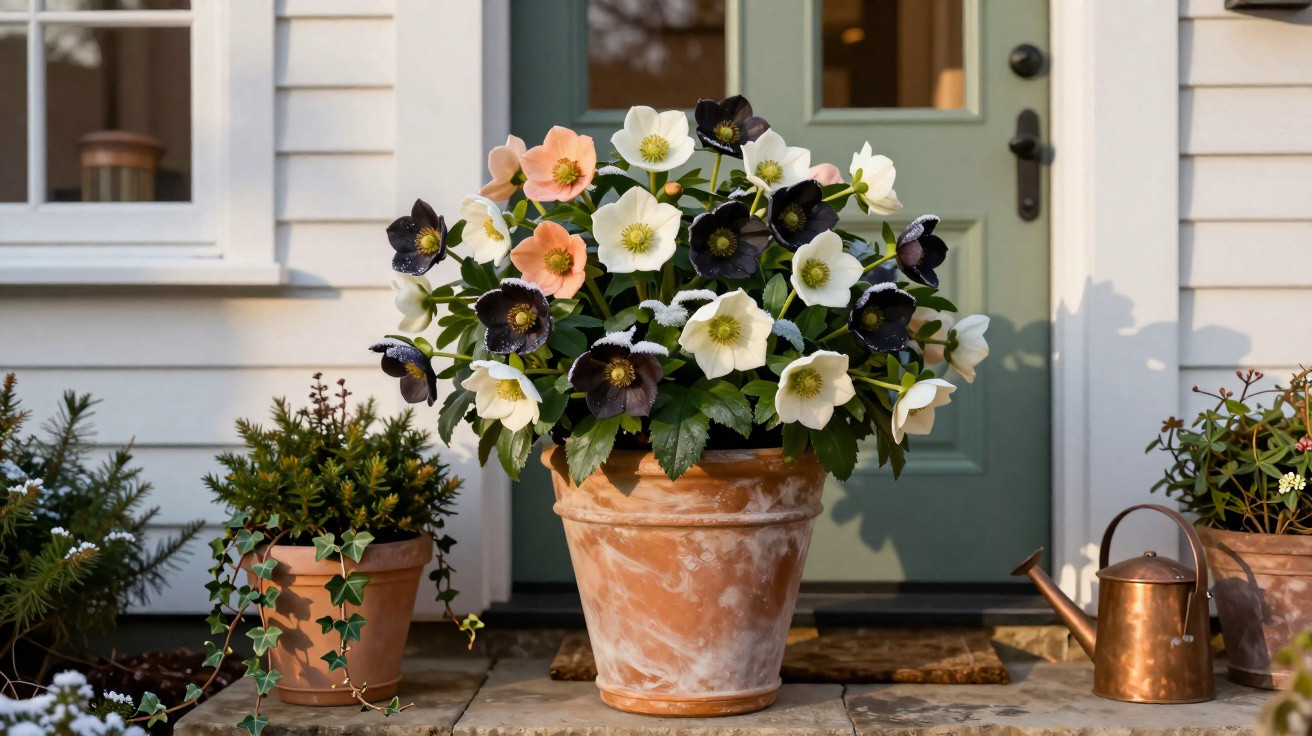
In the middle of a grey, biting February, a front entrance can suddenly look as though it belongs in an interiors magazine - simply thanks to one well-chosen plant.
While many front gardens and doorways are still in winter shutdown, some neighbours are already making a statement outside. No fairy lights, no fussy decorative bits - just a perennial that comes into its own precisely when the rest of the garden runs out of steam. Once you’ve seen it by your own front door, you start to view winter differently.
The rose that flowers in winter and elevates any entrance
The Oriental hellebore, botanically Helleborus orientalis, has long been considered an insider tip among experienced gardeners for the bleakest months. It blooms when almost everything else has given up: in January, February and often right through into March. Even a light covering of snow rarely troubles it.
“The Oriental hellebore is one of the few plants that, in the depths of winter, delivers abundant flowers and a well-kept first impression at the house.”
Its strongly glossy, leather-like foliage stays ornamental all year round. That means the entrance never feels completely bare, even if there’s otherwise yawning emptiness in the border. Compared with shrubs that take years to reach a good shape, this plant makes an impact from the start. Just a few weeks after planting, it becomes obvious why garden centres regularly sell out in January.
A colour display by the front door: from near-black to soft apricot
The days when hellebores only flowered white are over. Breeders have produced a wide palette that can be matched beautifully to your front door, façade and shutters.
Which shades look especially good at the entrance
- Dark tones: Varieties that are almost black, deep purple or slate-grey suit modern entrances with concrete, glass or anthracite colours. They feel refined and graphic.
- Soft pastels: Pink, apricot or pale yellow add lightness in shady corners. Ideal for older homes, country style, or white rendered façades.
- Green-tinged flowers: Chartreuse and lime-green forms look particularly striking in front of dark doors or timber cladding.
- Speckled blooms: Cultivars with dotted or veined petals resemble tiny artworks - perfect for anyone who likes something a little more unusual.
It gets especially interesting when you mix several varieties. Two or three tones are more than enough to turn a simple pot by the front door into a small floral arrangement with real depth.
Tough, long-lived, and almost no maintenance - ideal for the lazy with standards
Plenty of people want an attractive entrance but shy away from the effort. This is exactly where the Oriental hellebore plays its strongest card: it’s resilient and forgives a lot.
“Once planted properly, the Oriental hellebore can brighten a front entrance for decades - without constant work with watering can and sprays.”
What makes this plant so straightforward
- Hardy: It copes with even double-digit sub-zero temperatures without fuss.
- Rarely plagued by disease: The common fungal problems that affect other ornamental plants are seldom an issue.
- Long-lasting: A well-established clump often remains in the same spot for decades and looks better each year.
- No chemicals required: It thrives particularly well in a natural, chemical-free garden.
- Minimal maintenance: Remove old leaves once a year - that’s usually all it needs.
For people juggling a full-time job or family life, that’s a major advantage: the entrance looks tidy without spending every weekend in the border.
How to plant it successfully by the front door
To let this winter queen show its full potential, the start matters most. The good news is that the rules are simple.
The right position
Oriental hellebores prefer a part-shaded spot. Morning sun with light shade in the afternoon is ideal. A sheltered entrance where wind and rain don’t blast straight through suits it perfectly.
Soil and pot: what matters most
This plant hates waterlogging - whether it’s in a border or in a container by the door.
| Area | What’s important |
|---|---|
| Drainage | Add a layer of gravel, clay granules or coarse grit at the base of the pot. |
| Growing medium | Mix garden soil with leaf mould and a little well-rotted compost. |
| Planting depth | Keep the base of the shoots just above the soil; don’t plant too deep. |
| Watering | Water moderately only during prolonged dry spells; avoid wet conditions at all costs. |
If you buy container-grown plants, you can plant them at almost any time of year, as long as the ground isn’t frozen. Not long after planting, the first new buds typically appear.
Dream pairings: turning the front entrance into a winter arrangement
A single Oriental hellebore can be impressive on its own. It becomes truly compelling when you combine it with the right partners to create a miniature winter garden right outside the front door.
Reliable companion plants for pots and borders
- Heuchera: Offers colourful foliage from caramel through to deep violet, picking up the flower colours beautifully.
- Snowdrops: Add pinpoints of light among the darker hellebore leaves, creating a delicate, almost fairy-tale feel.
- Evergreen ferns: Suggest a woodland edge and provide an intriguing contrast to the compact flowers.
- Variegated ivy: Can trail over pot rims and soften the planting with a gentler outline.
With two to three of these companion plants, you can assemble a small display in a larger pot that looks good from December through to April. In summer, companion perennials or ornamental grasses take over, while the Oriental hellebore becomes more understated in the background.
What beginners should know about toxicity, placement and care
If you have children or pets, one question tends to come up sooner or later: is this plant poisonous? The answer is yes - like many attractive garden perennials, the Oriental hellebore contains toxic compounds. If small children are inclined to pick at leaves, don’t place the pot at ground level; set it higher up, for example on a step or a plant table.
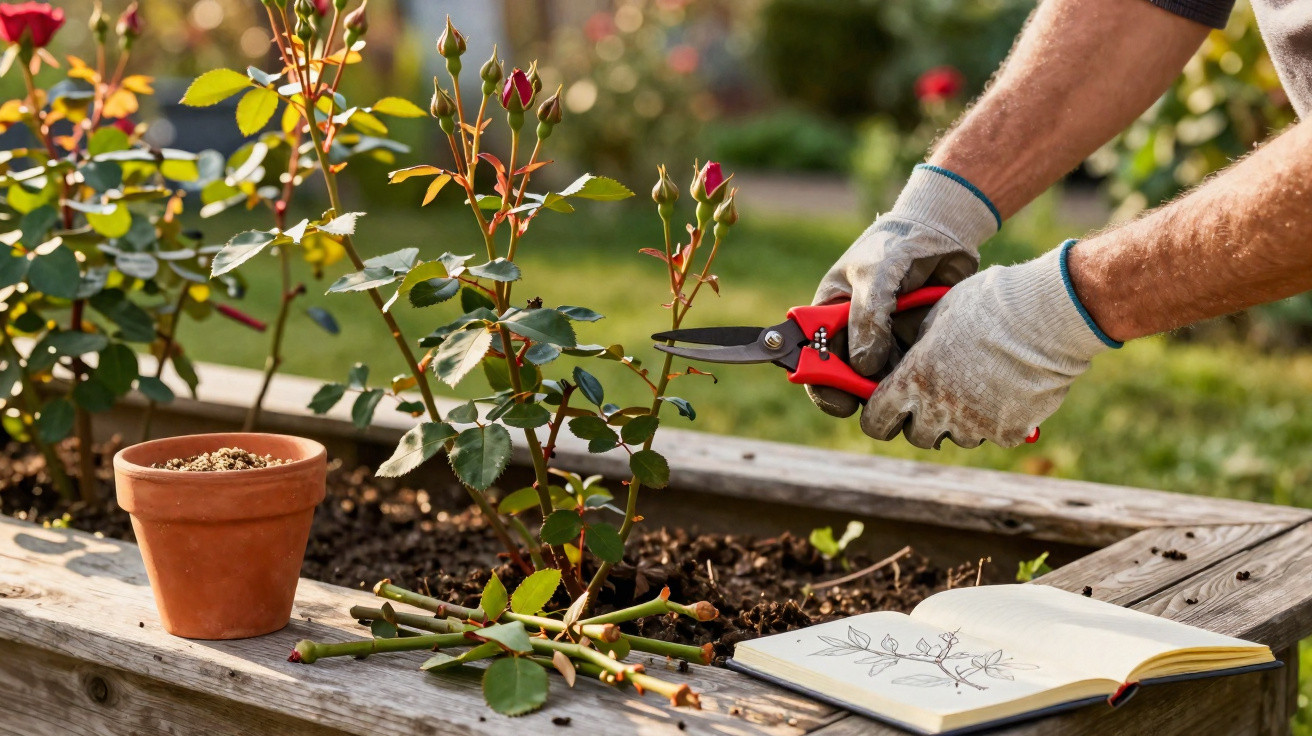
For allergy sufferers, the sap can irritate the skin with direct contact. Garden gloves when repotting and when removing old leaves are entirely sufficient. In everyday use by the front door, there isn’t any special risk.
Practical tips from everyday use
- Don’t cut off spent flowers straight away - they often turn an attractive greenish shade and last a long time.
- A thin mulch of leaves or bark humus keeps the soil open and encourages root growth.
- Every few years, work a little compost around the plants; that’s enough feeding.
- In late winter, remove old, spotted leaves at the base so the new blooms show to best effect.
If you want to upgrade your entrance quickly and without much effort, the Oriental hellebore is a surprisingly effective choice. One well-placed plant can be the difference between “a bit bleak and wintry” and “wow, I actually like walking up to this door”. That’s exactly why so many gardeners swear by this unassuming yet impressive winter heroine.
Comments
No comments yet. Be the first to comment!
Leave a Comment