
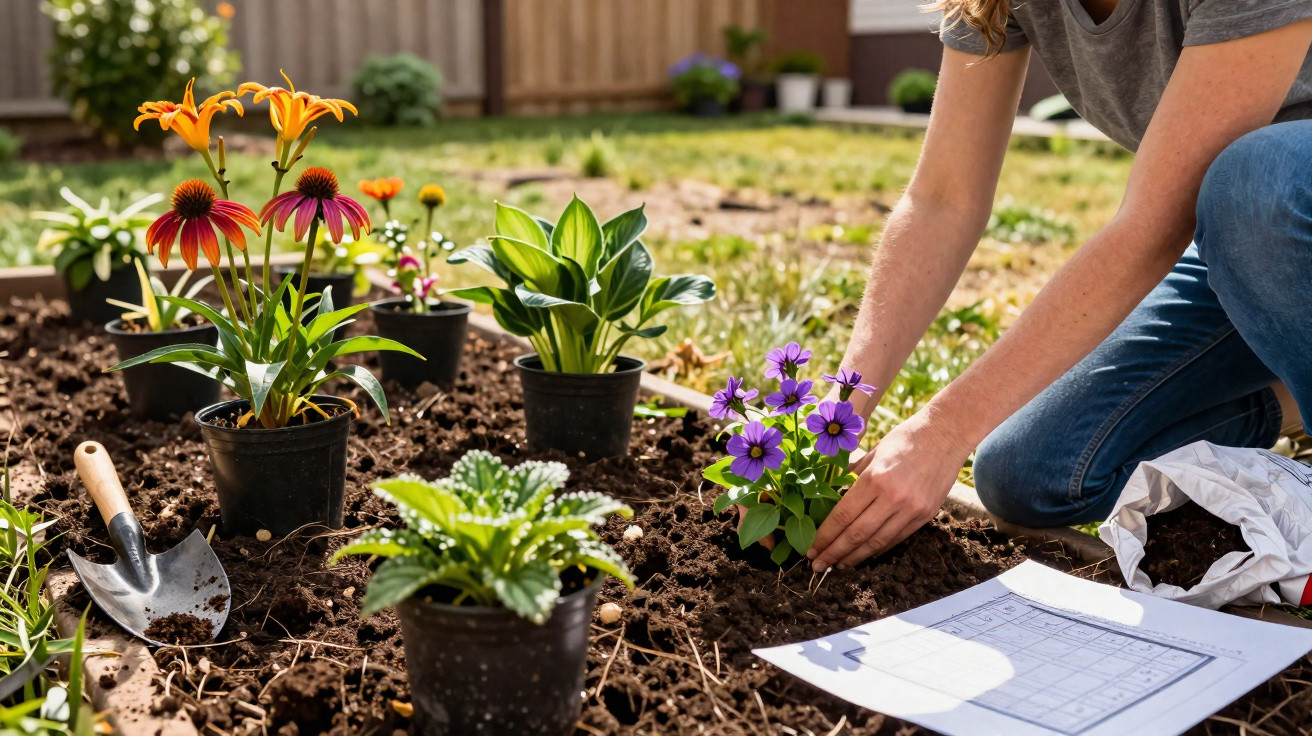
Many home gardeners reach spring and feel stuck when they look at their beds: bare patches, tired shrubs, and the odd lonely tuft of grass. Rather than ripping everything out and spending a lot on short-lived seasonal plants, it pays to focus on perennials. These long-lasting plants return year after year, bulk up with each season, and can turn a dull stretch of lawn into a lively garden scene.
Why perennials are the best investment for your garden right now
Perennials - as the name suggests - stay in the same spot for several years. Each spring they break into new growth, gradually forming larger clumps, and they generally ask for very little attention. Combine them thoughtfully and you can enjoy colour and structure from late winter right through to autumn - without replanting the whole garden every year.
"With a one-off planting session in spring, you lay the foundations for many years of flowering - without an annual full rebuild."
Another advantage is how easy many perennials are to multiply. After a few years, you can lift and divide them, creating several plants from one. That means you can fill other borders or share spares with friends - reducing costs while the impact in the garden keeps growing.
Spring as the starting signal: lay the groundwork now
For most perennials, spring is an ideal time to get planted. The soil is usually moist but no longer frozen, and the sun is not yet scorching young roots. This gives plants time to settle in properly before the first real heat arrives.
A quick soil check matters: it shouldn’t be waterlogged and it mustn’t be frozen. In cooler areas, the best window often shifts towards April or May; in milder locations, March is frequently sufficient. Planting during this period greatly increases the chances of strong growth - and you’ll often see the first flowers in the same year.
Getting off to the right start: prepare the soil, don’t just dig holes
Even the best mix of perennials won’t shine if the soil is wrong. Before you head to the garden centre, take a close look at your plot: which areas get half a day of sun? Where is it shadier and damper? Every perennial has a preferred position.
- Full sun: at least 6 hours of sun, usually drier soil
- Partial shade: alternating light and shade, often under trees or on north-facing sides
- Shade: little direct sun; soil stays moist for longer
Before planting, it’s worth weeding thoroughly. Persistent root weeds such as couch grass or ground elder are best removed as completely as possible, otherwise your new perennials will be competing for space from day one. Then loosen the ground with a spade or garden fork and work in well-rotted compost. This improves airflow in heavy soils and boosts nutrients in sandy areas.
"Good soil preparation is like the foundations of a house: you hardly notice it later, but nothing works properly without it."
After setting your perennials in place, water them in well and add a layer of mulch. Bark mulch, shredded leaves, or fine gravel help the soil hold moisture and noticeably slow down weed growth.
15 perennials that can transform any bed quickly
The selection below covers a range of conditions - from sun to shade. Combine several of these and you’ll create a changing, vibrant look that lasts for months.
Colour-packed stalwarts for sunny beds
- Peony (French: pivoine): Large, often fragrant blooms that become a real focal point in early summer. Best in sunny, fertile spots and traditional showy borders.
- Lupin: Upright, intensely coloured flower spikes that add instant height and structure. A classic fit for cottage-style gardens.
- Lavender: Silvery foliage, a strong scent, and a magnet for bees. Perfect in sunny, rather dry positions, including along paths or at the edge of patios.
- Yarrow (Achillea): Flat flower heads in white, yellow, orange, or red. Extremely tough and very tolerant of heat and drought.
- Aster: Brings a final burst of flowers in late summer and autumn in pink, blue, or violet, when many other perennials are already fading.
- Crocosmia: Bright red or orange arching flowers that rise like small flames above the planting. Ideal if you want bold summer colour accents.
- Delphinium: Tall, elegant spires in blue, violet, or white - perfect towards the back of a border.
- Penstemon: Produces masses of bell-like flowers through summer, often well into autumn. Great for filling gaps between larger perennials.
Turning bright shade and deeper shade into a green retreat
- Hellebore (Helleborus): Often flowers in late winter or very early spring, when the rest of the garden is still dormant. Suits partially shaded corners.
- Hosta: Striking, broad leaves in green, yellow, or variegated with white. Ideal for damp, shady spots, such as beneath shrubs.
- Coral bells (Heuchera): Colourful foliage ranging from lime to deep purple. Excellent for edging and containers, adding year-round colour.
- Bergenia: Thick, glossy leaves and early spring flowers. Tolerant of awkward sites, for example near driveways.
- Astilbe: Delicate, feathery plumes in pink, white, or red; thrives in moist, humus-rich soil in partial shade.
- Bleeding heart: Drooping, heart-shaped flowers with a fairytale look. A perfect choice for romantic shady borders.
The all-rounders: gap-fillers with long-term impact
- Cranesbill (Geranium): Forms dense, flowering carpets from spring to autumn. It fills spaces between taller perennials and helps keep weeds under control.
These all-rounders are especially valuable in mixed borders. They visually tie tall, dramatic plants together and ensure the soil never looks bare.
How to combine the 15 perennials for maximum impact
Rather than dotting each plant randomly around the garden, perennials look strongest when planted in groups. Several plants of the same kind read as a single block of colour, making borders feel calmer and more professionally designed.
| Garden area | Suitable perennials | Effect |
|---|---|---|
| Sunny show border | Peony, Lupin, Delphinium, Yarrow, Aster, Lavender | A classic, colourful perennial border with height and depth |
| Part-shaded corner | Hellebore, Coral bells, Bergenia, Astilbe, Cranesbill | A long season, from early flowers to decorative foliage |
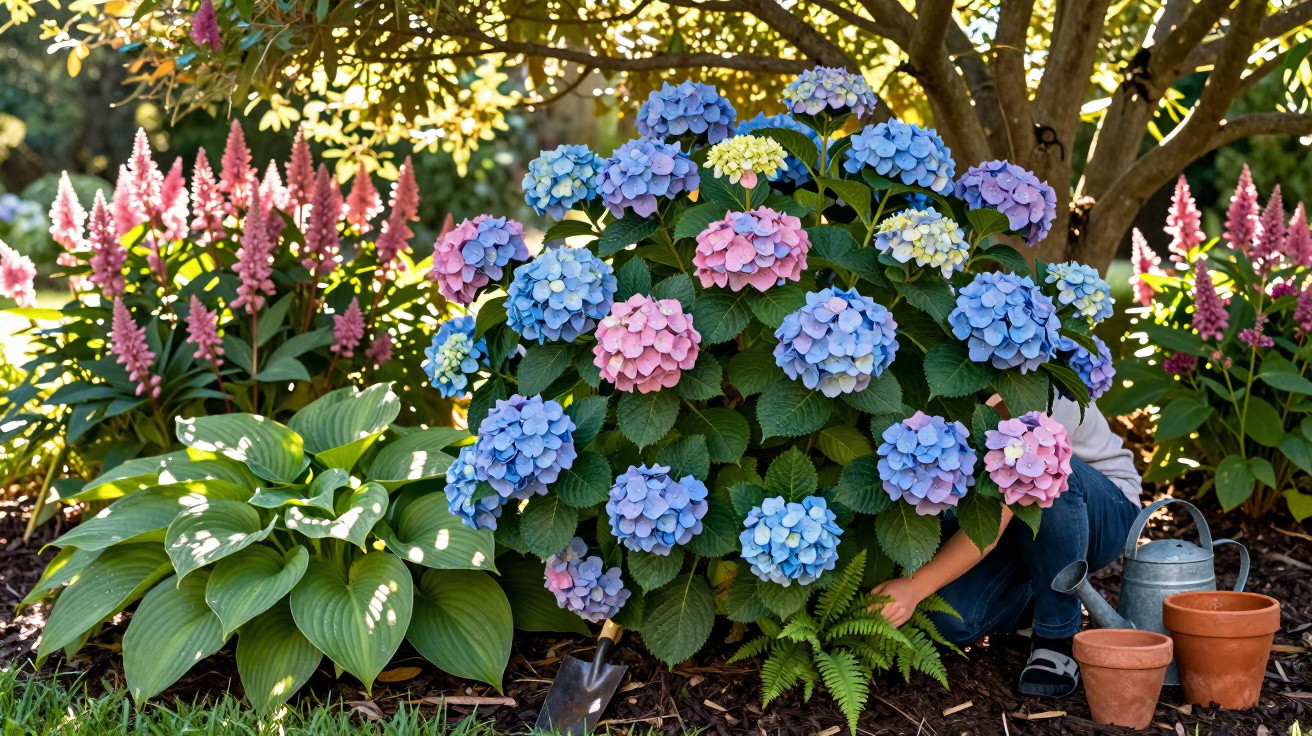
| Shade under trees | Hosta, Bleeding heart, Coral bells | A restful area with strong leaf structure and romantic flowers |
| Statement bed | Crocosmia, Penstemon, Yarrow, Aster | Vivid colours that naturally draw the eye |
Low-maintenance, not no-maintenance: what perennials really need
Perennials have a reputation for being easy, but they aren’t completely hands-off. In the first few weeks after planting, the priority is consistent watering. The soil should stay evenly moist, but never soggy. Once established, many species will cope well with drier spells.
A yearly helping of compost works well as a natural feed. During the season, you can roughly remove spent stems so plants don’t waste energy. In late autumn or winter, most stems are best left in place for the time being: they protect the crown, provide shelter for insects, and can look attractive when frosted. Cut back to ground level in late winter or very early spring.
Practical tips for beginners without green fingers
If you’re short on experience, begin with hardy choices such as yarrow, cranesbill, bergenia, or lavender. They forgive small mistakes and still make a quick difference. When buying, it also helps to rely on plant labels or signage at the nursery: these usually list the preferred conditions and mature height, which makes planning far easier.
One simple trick is to record what you plant and where - using quick sketches or photos. In year one, a new border can still look a bit open. By the second or third spring, you’ll see how strongly the clumps expand. If you divide or move plants in good time, you’ll keep the overall design under control.
Why perennials will change your garden for the long term
Perennials add structure, save money over time, and support wildlife in your garden. Many provide flowers and nectar for insects, and some form seed heads in autumn that feed birds. Over the years, they also create planting pictures that evolve gradually, rather than forcing you to start from scratch each season.
If you use the 15 perennials listed above in a targeted way this spring, you’ll be doing far more than adding a few colourful patches. You’ll be creating a garden that grows with you, looks different each season, and after just a few weeks bears little resemblance to the grey winter patch that may have been frustrating you.

Comments
No comments yet. Be the first to comment!
Leave a Comment