
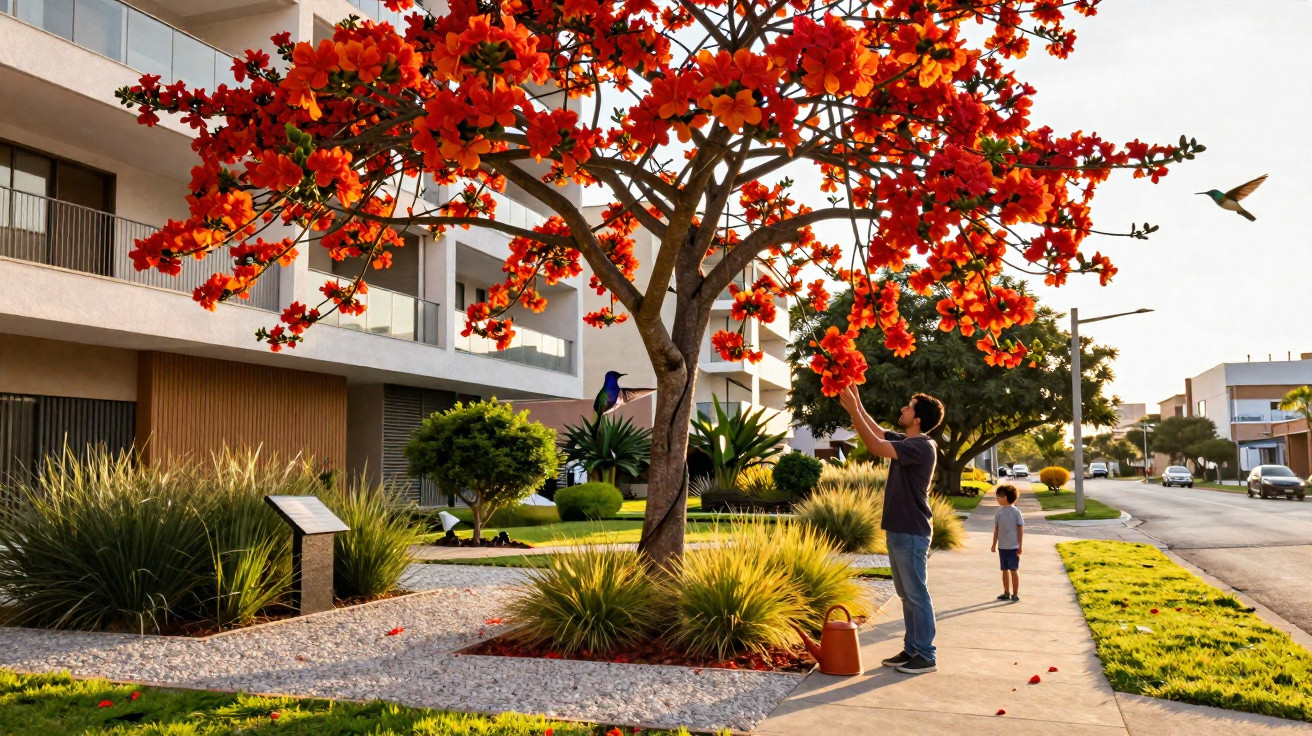
Growing native species has become increasingly popular in Brazilian cities because it combines visual appeal with sustainability. Among these plants, the mulungu stands out in home gardens as a strong decorative choice-ideal for anyone wanting to refresh their landscaping with a plant that also offers real toughness.
How did the mulungu win over Brazil’s urban landscaping?
This striking ornamental tree, from the Fabaceae family, has captured the attention of city residents thanks to its dramatic presence. Native to biodiverse regions such as the Caatinga and the Cerrado, it shows excellent adaptation to tropical conditions and can transform a space with its lush winter flowering.
Many people choose mulungu because it demands little upkeep and tolerates harsh drought extremely well. That hardiness makes it attractive to homeowners who want a beautiful garden without complicated care requirements or frequent watering as part of their routine.
Key decorative advantages of this species include:
- Show-stopping flowering: its red petals add a distinctive burst of colour during the winter months.
- Leaf drop: when it sheds all its leaves, the flowers become the sole focus, heightening their scenic impact.
- Wildlife attraction: plentiful nectar draws hummingbirds and other pollinators into the garden.
- High resilience: it withstands long dry spells without losing its ornamental vigour.
- Suitable size: it fits well into urban settings and the back gardens of Brazilian towns and cities.
What are the main features of this ornamental tree?
The species Erythrina speciosa is notable for its branching structure and imposing limbs that grow upwards. At the height of the Brazilian winter, the tree drops its green foliage entirely, creating a striking contrast against its red flower clusters that impress any attentive observer.
A further characteristic of the trunk is the clearly visible presence of small prickles or thorns. Because of this, residents should plan where to place it, avoiding areas where children regularly pass through, so everyone can enjoy this landscape element while maintaining safety.
To better understand how this tree behaves in real settings, watch the specialist’s explanations on the YouTube channel Florestal Brasil.
Where should this native species be planted correctly?
Planning the space is essential before introducing this native tree into an urban home environment. While it is excellent for beautifying large public squares and gated developments, planting it directly along narrow pavements requires care because of the strong growth and the spread of its extensive lateral branches.
Growing guide
| Topic | Guidance |
|---|---|
| Recommended locations | Large leisure areas such as squares and parks are ideal, as they allow the canopy to develop freely. |
| What to avoid | Steering clear of tight pavements prevents severe pruning that can ruin the plant’s natural form and spoil its appearance. |
For urban pavements, other mulungu varieties-or the Serra coral tree-tend to work better. In this way, residents can still gain pleasant shade and vivid colour without disrupting pedestrian traffic or risking problems with overhead wiring found in towns and cities.
When choosing the best planting spot, keep these points in mind:
- Prefer large, open public squares and parks.
- Avoid planting near suspended electricity lines.
- Keep a safe distance from playgrounds and areas with high child footfall.
Why does this plant attract local biodiversity?
Choosing native trees for residential projects supports biome conservation and strengthens local wildlife. Mulungu directly contributes to biodiversity by offering shelter and providing essential food for birds and pollinators during the harsh winter period.
Stingless bees seek its flowers to collect abundant nectar when food sources are scarce. In the same way, hummingbirds become frequent visitors to the blooms, turning the home garden into a natural spectacle and enhancing the value of local nature.
The animals most commonly attracted to this tree include:
- Native stingless bees searching for pollen.
- Hummingbirds of various species drawn by nectar.
- Small pollinating insects that are vital to the ecosystem.
How does the mulungu improve modern residential gardens?
Beyond its aesthetic appeal, the tree also has medicinal properties recognised by RENISUS. In traditional use, its bark is associated with anxiolytic effects in folk medicine, supporting wellbeing for those seeking a daily connection with the powerful resources of native biodiversity.
Having this species at home enhances the urban environment and reinforces our regional botanical identity. To refine your landscaping plan with other outstanding choices, explore the fast-growing tree with giant flowers that can renew any outdoor space with real elegance.
Comments
No comments yet. Be the first to comment!
Leave a Comment