
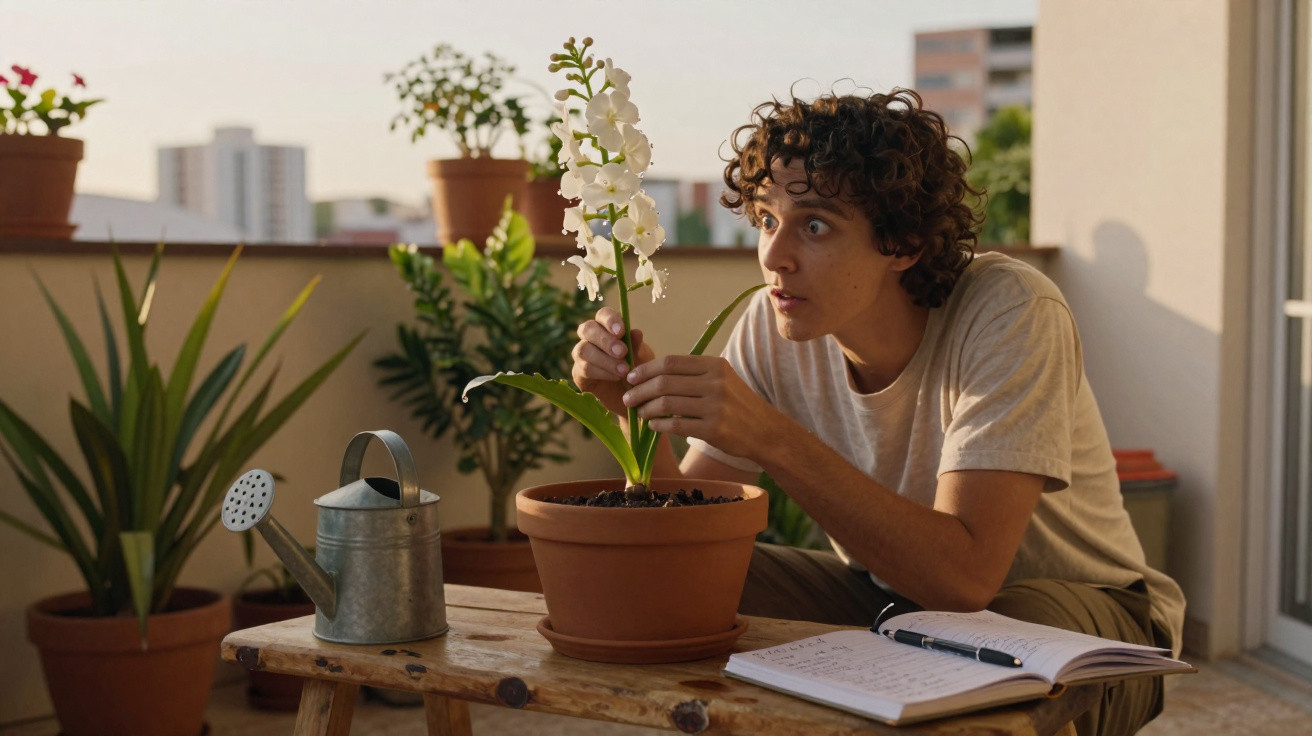
The snake plant, also known as mother-in-law's tongue, turns up in countless homes because it is tough and easy to look after. What many people do not realise is that this plant can also flower - and the result can surprise even long-time growers.
A low-key plant with a hidden secret
Known scientifically as Dracaena trifasciata, the snake plant has become a staple in flats and gardens because it copes well with little water and adapts to different light levels. Precisely for that reason, many people never expect it to produce flowers too.
Flowering does not happen every year, and it does not happen on every plant. When it does, a tall stalk rises up from between the leaves, carrying small white or cream blooms with a sweet fragrance that becomes stronger towards evening.
- Plenty of bright, indirect light: the more natural, indirect light the plant receives, the better the chances of flowering.
- Water less often: letting the compost dry out completely before watering helps prevent rot and can encourage blooms.
- The right pot size: plants with well-established roots tend to flower more readily, so repotting every year can slow the process.
- A free-draining compost: cactus and succulent mixes reduce the risk of root rot.
- Feeding in spring and summer: applying fertiliser every four to six weeks helps keep the plant strong.
From the balcony to everyday care: what changes for growers
Looking after a snake plant with flowering in mind takes only minor tweaks, but a few habits matter. Paying attention to the light in the room and spacing out watering often makes a noticeable difference.
People who have grown the plant for years often find it flowers just when it seems fully settled: strong roots, firm leaves, and clear signs that the conditions suit it.
The detail few people know about the flowers
Unlike many ornamental plants, the snake plant does not produce large or brightly coloured blooms. Its appeal is in the fine, delicate flowers and the scent that drifts through the space.
Snake plant flowers
Subtle in appearance, memorable in fragrance
Once mature, the plant sends up a flowering stalk that rises above the leaves. Along it, small clusters of tubular flowers appear, in white or a greenish white.
The fragrance is sweet and most noticeable in the late afternoon and at night - a striking contrast with the flowers’ understated look.
On some specimens, you may also spot tiny droplets of nectar on the blooms, a small detail that highlights just how uncommon and delicate this flowering can be.
Habits that hinder flowering without you noticing
Watering too frequently, keeping the plant in dark corners, and repotting every year are common mistakes. They can boost leaf growth, but they tend to delay flowers.
It is also worth being cautious with feeds that are high in nitrogen, as they promote foliage rather than blooms. And young plants rarely flower, so patience is important.
So, does the plant only flower when it is stressed?
There is a belief that the snake plant only flowers when it is stressed or cramped in its pot. Specialists explain that, in most cases, the opposite is true: it tends to bloom when it is healthy, mature, and well adapted to where it is growing.
More than a botanical novelty, seeing a snake plant flower is a reminder that even the hardiest houseplants can still hold surprises for those willing to watch and wait.
If this fact surprised you too, share it with someone who loves plants and enjoys discovering new things about the garden.





Comments
No comments yet. Be the first to comment!
Leave a Comment