
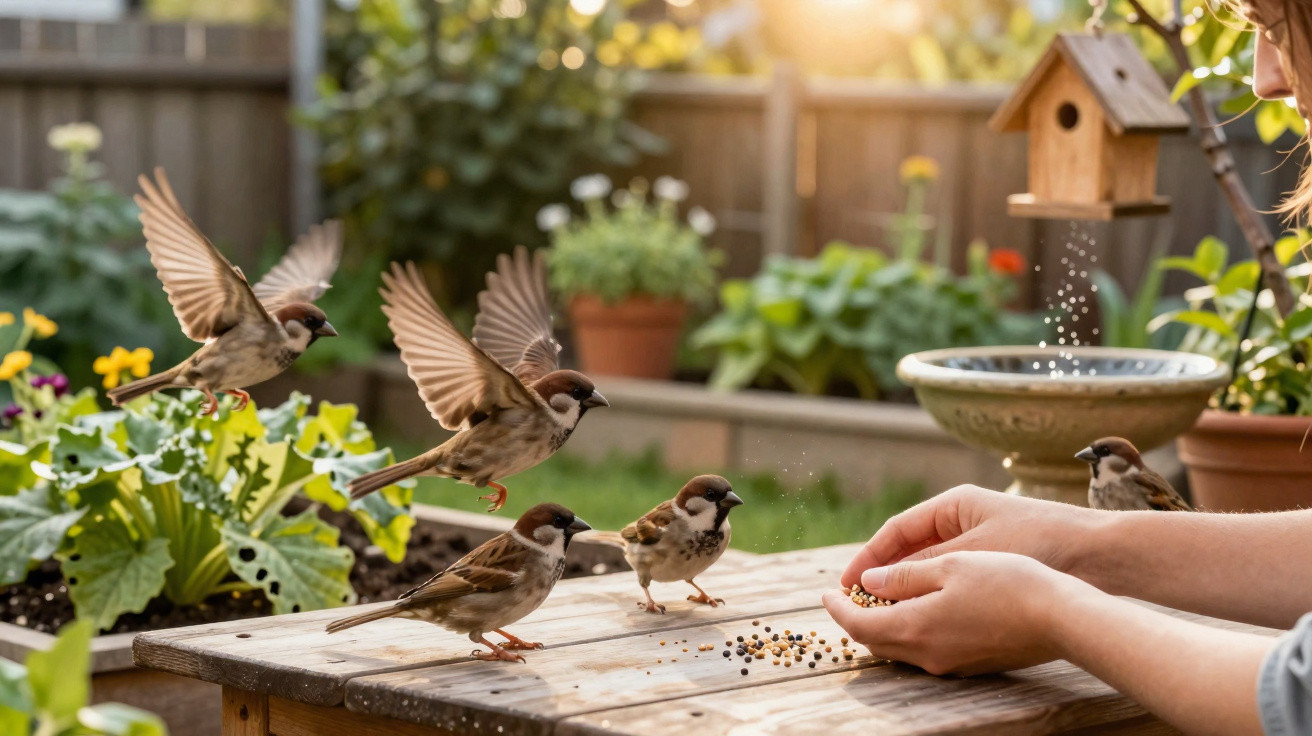
When the first buds open, the sun starts to warm things up again and birdsong grows louder, many people feel the best part of the gardening year has arrived. While most eyes go to blue tits and robins, another bird usually slips through the shrubs almost unnoticed: the modest house sparrow, better known simply as the sparrow. Yet conservationists say it is precisely this little bird that can be a key ally for a healthy garden ecosystem.
From “pest” to valued garden helper
For decades, sparrows were seen as a nuisance by farmers. They ate grain, pecked at seed and were therefore controlled in a targeted way. That reputation still lingers today-especially among those who continue to label them “seed thieves”.
"Anyone who only sees sparrows as seed eaters misses their central role in the garden’s natural balance."
Experts from the bird protection league stress that branding a species as “useless” or “harmful” is largely driven by economic interests rather than ecological reality. Every bird species plays a part in the system-so long as people do not heavily disrupt natural processes. The sparrow is no exception.
In towns and villages, it has lived alongside people for centuries. Seeds, crumbs, berries, insects-the sparrow makes use of whatever gardens, yards and balconies provide. That opportunistic habit makes some garden owners suspicious, even though the bird is often doing them a favour.
How sparrows protect your garden from pests
The sparrow’s most important contribution often happens out of sight. During the breeding season, parent sparrows feed their chicks mainly on insect larvae. These are protein-rich and therefore ideal for growth.
In practical terms, that means countless small crawling creatures end up in a sparrow’s beak rather than on lettuce, beans or roses. Typical targets of sparrow “hunting” include:
- larvae of aphids and leaf beetles
- caterpillars that chew through vegetable leaves
- mosquito and fly larvae in damp soil
- small spiders and other soft-bodied invertebrates
These are exactly the creatures that can cause serious damage when their numbers explode. Sparrows help keep populations under control-not by wiping everything out, but by maintaining a level the garden can tolerate.
"The sparrow works like a free pest controller-day after day, without any poison."
Anyone who consistently drives sparrows away is giving up a useful ally. In many cases, people then reach more quickly for sprays, which in turn put pressure on other animals, soil life and plant diversity.
Why sparrows benefit the whole ecosystem
Sparrows sit within a tightly connected web of relationships. They are not only hunters and foragers; they are also prey for larger birds and small mammals. In that way, they help keep the food chain stable.
Their varied diet also sets lots of processes in motion in the garden:
| Behaviour | Effect in the garden |
|---|---|
| Eating insect larvae | Regulation of pest insects, less feeding damage |
| Taking in seeds and grains | Dispersal and germination of wild plants in new spots |
| Foraging through leaf litter | Aeration of the topsoil, support for soil life |
| Using hedges and shrubs | Reinforces the value of structures that provide nesting and shelter |
Where sparrows are present, the surroundings are usually rich in structure: hedges, bushes, eaves, old walls, small “wild” corners. That also benefits many other species-from wild bees and beetles to lizards.
Why the house sparrow seeks our proximity
The house sparrow is a classic human follower. It has long adapted to living alongside people and uses buildings, yards and gardens as habitat. Its name says it all: it thrives where there are houses.
Sparrows do gain from human presence-but people gain too. In densely built-up towns and cities, they are often among the last birds that both children and adults notice every day. Their constant chirping is a sign that there is still life between concrete and paving stones.
"The sparrow has accompanied humans for centuries-anyone who drives it away impoverishes their own surroundings."
Especially in residential areas with little greenery, sparrows act as an important indicator. Where they appear, they can still find food, nesting opportunities and at least a minimum of plant variety.
How to make your garden sparrow-friendly
If you want to support sparrows, you do not need to create a flawless wildlife garden. A few straightforward changes are often enough to encourage them to settle-or to stay.
Structure instead of a gravel garden
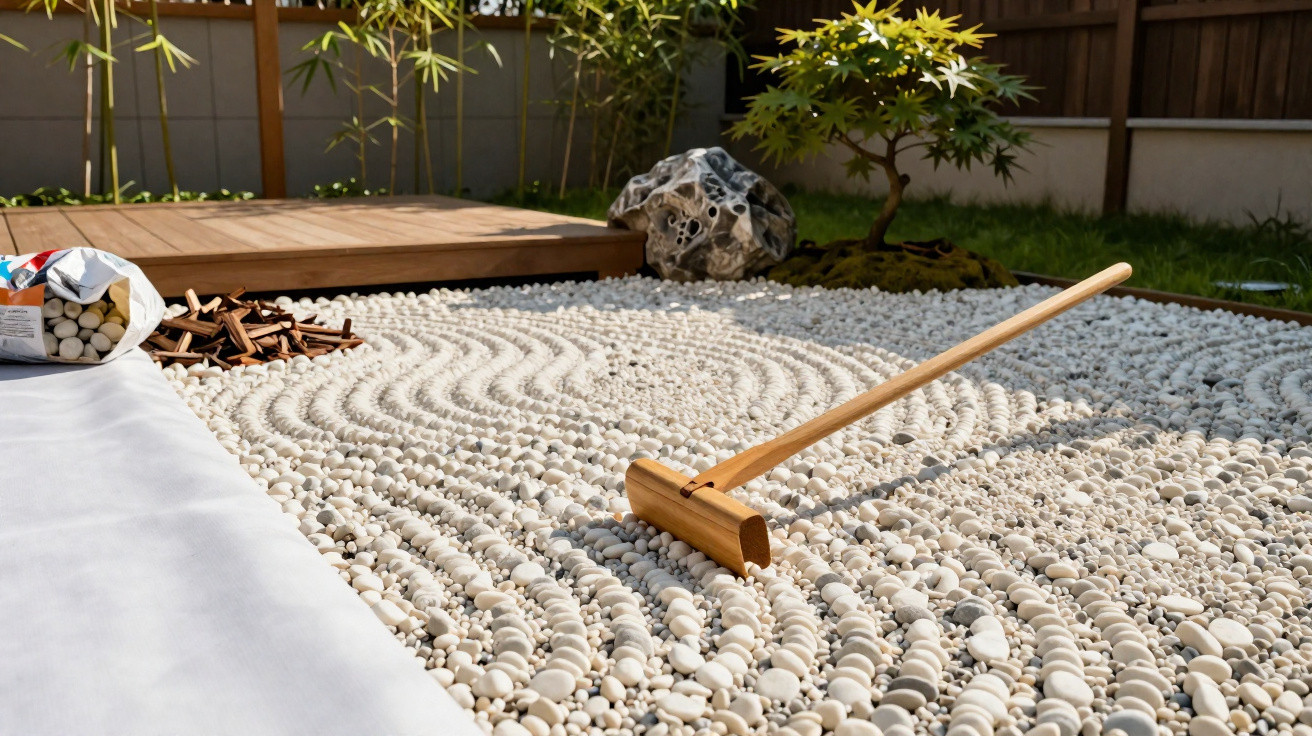
Sparrows need cover and nesting places. Dense hedges, climbers on fences, tall grasses or a slightly untidy strip of shrubs are ideal. Total tidiness-large gravel areas, stone gardens and lawns cut short all the time-can feel like a desert to them.
Food that genuinely helps
Bird tables kept topped up all year can be pleasant, but they do not replace natural food. More important are native plants that produce seed and attract insects. Examples include:
- privet, hawthorn and wild roses in hedges
- sunflowers, marigolds and cornflowers
- wild grasses and herbs that are allowed to set seed
If you do choose to feed them, opt for good-quality seed mixes and clean feeding areas regularly to reduce the risk of disease.
Offer water and nesting sites
A shallow dish of fresh water, changed daily, draws sparrows in strongly. They drink and bathe in it, which is especially important in summer. Nest boxes with entrance holes of about 32 millimetres suit sparrows well-particularly where buildings no longer offer natural nooks and gaps.
Misunderstandings about sparrows in the garden
Many gardeners get annoyed when sparrows at feeders seem to push other species aside, or when they peck at ripe fruit. In practice, any damage is usually limited and out of proportion to their value as insect hunters.
If you want a diverse garden, it is better not to focus on “favourite birds”, but on a stable mix of many species. Sparrows are an inseparable part of that mix, even if they look less striking than colourful finches.
Another common misconception is that sparrows drive rare species away. In reality, many birds are affected by the same pressures-missing hedges, sterile front gardens and pesticides. Where conditions are poor for sparrows, other songbirds usually struggle too.
More calm, more life in the garden
Seeing the garden as a living space-where creatures feed and are fed upon, where nesting happens and plants wither-changes how you view sparrows. They are part of a natural cycle, not troublemakers.
A few pecked seeds or a noisy sparrow chorus under the eaves looks different once you understand how many pest insects the same flock can consume in a single season. By comparison, shop-bought plant protection suddenly seems far less impressive.
At a time when insect populations and bird numbers are declining in many places, every small helper matters more. Making room for sparrows does not just support one species; it strengthens a whole network of relationships in your own garden.
Often, the crucial shift happens in our thinking: away from the idea of an irritating seed-pecker, towards recognising a useful feathered neighbour. Anyone who makes that shift will notice the garden change-quieter in one way, fuller of life in another, and more balanced. That is when it becomes clear just how much impact such a small bird can have.
Comments
No comments yet. Be the first to comment!
Leave a Comment