
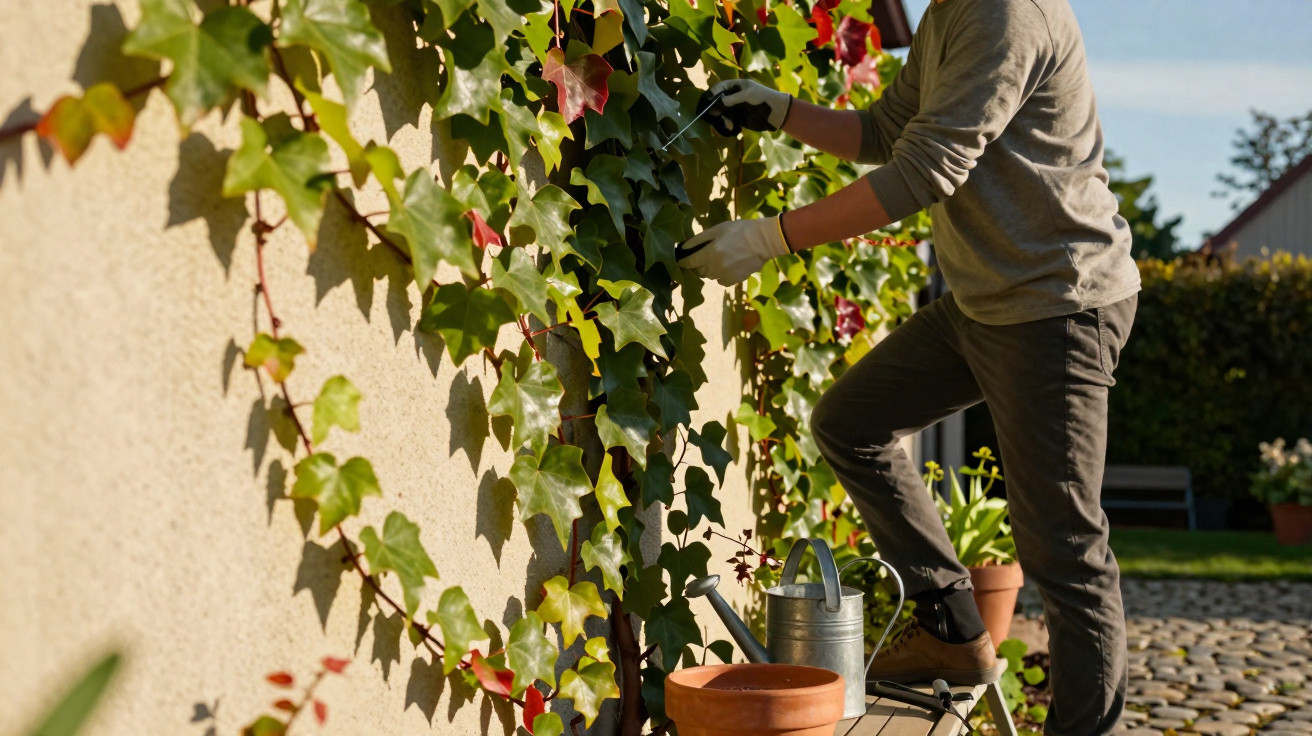
Japanese ivy, also known as false vine or Boston ivy, is a climber made for anyone wanting to turn walls, railings and façades into a living screen. Its green leaves spread quickly across surfaces and, at certain times of year, can shift into reddish, orange or wine tones, producing a striking decorative look. It is a vigorous, attractive plant that can completely change how an outdoor area appears.
Why does this climber change the look of a wall so much?
Japanese ivy stands out because it offers more than a simple green cover. Over the course of the year, its foliage can alter its appearance depending on light levels, temperature and the season. In warmer periods, it typically forms a dense green layer. In colder spells or during seasonal change, the leaves may turn red and wine-coloured before dropping.
That natural cycle makes the wall feel dynamic. Instead of a surface that always looks the same, the backdrop begins to reflect the plant’s rhythm, bringing texture, shade, colour and visual movement.
How do you train the shoots properly?
In the first few months, the plant may need a little help to follow the direction you want. Use garden twine, plastic-coated wire, trellis panels or small, gentle ties to guide the stems without tightening them too much. Once established, Japanese ivy develops anchoring structures that help it attach itself to the support.
It is best to guide the shoots while they are still young and flexible. If it is left to grow without direction, the climber can creep towards windows, gutters, roofs or other areas that will be harder to manage later.
When should you prune to keep the coverage looking good?
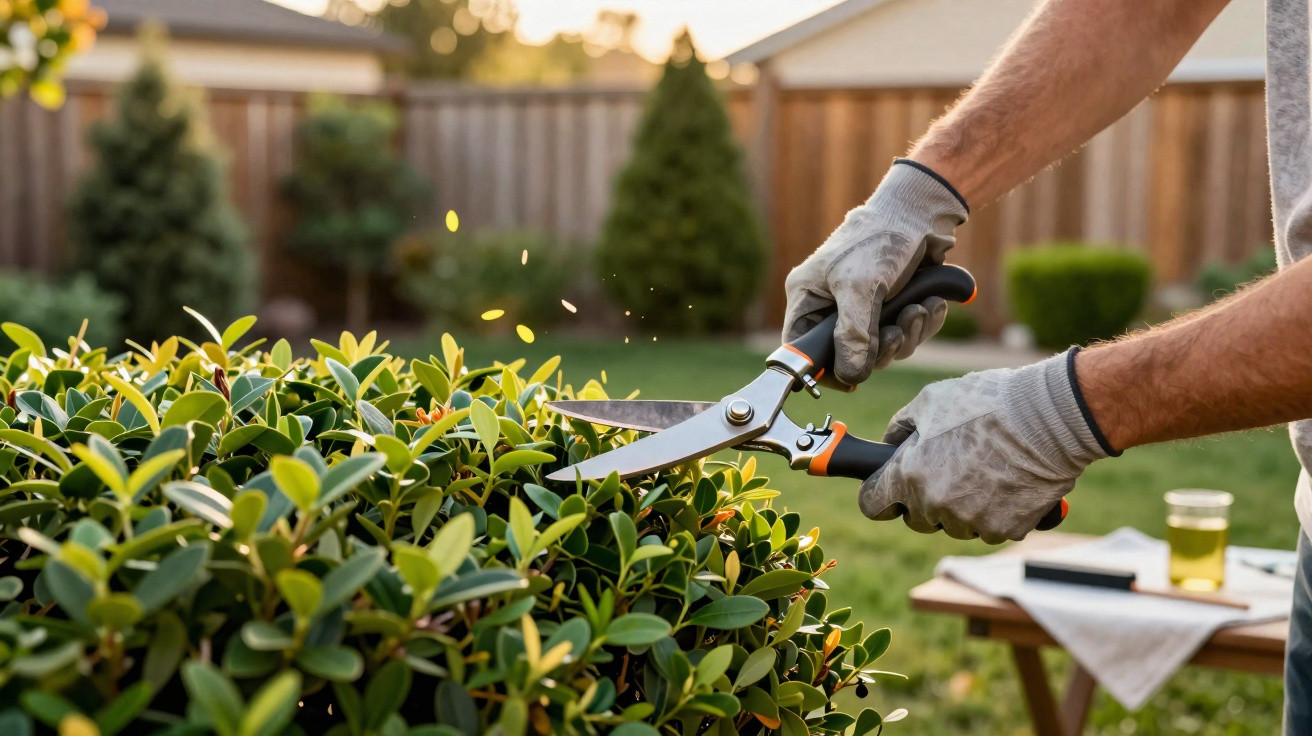
Pruning is essential if you want Japanese ivy to stay attractive and safe. Because it grows strongly, it can easily exceed the space you intended if it is not kept in check. Cutting back helps preserve the shape on the wall, prevents excessive weight and encourages a more even cover.
- remove dry, weak or damaged stems;
- cut back branches that push into gutters and onto roofs;
- rein in new growth that starts entering gaps or windows;
- carry out light maintenance pruning throughout the year;
- leave heavier pruning for periods when growth is slower.
The key is not to wait until the plant becomes a tangled mass. Small, regular trims are simpler and far less harsh than drastic cuts after a long stretch without maintenance.
How should you feed and water it to keep the foliage dense?
Japanese ivy prefers fertile, well-drained soil with moderate moisture. While it is getting established, watering needs to be more attentive, especially on hot days. Once it has built a strong root system, it generally becomes more resilient.
You can feed it with organic compost or a balanced fertiliser, always in moderation. Too much nitrogen can drive excessive leaf growth and make the plant’s development look untidy. The aim is to maintain healthy vigour, not to push uncontrolled growth.
What care helps prevent loss of strength and damage?
Before planting, take a close look at the surface it will climb. Japanese ivy can cling to walls and masonry, so it is not ideal for fragile supports, cracked areas, freshly painted surfaces or walls with damp problems. Where the structure is delicate, it is better to use a trellis set slightly away from the wall, giving you more control.
The secret to growing this climber successfully is to balance beauty with upkeep. With sun or partial shade, well-drained soil, early training and regular pruning, Japanese ivy turns walls and railings into living landscaping. However, to avoid it getting out of hand, it needs close attention-especially once it begins to grow vigorously.




Comments
No comments yet. Be the first to comment!
Leave a Comment