
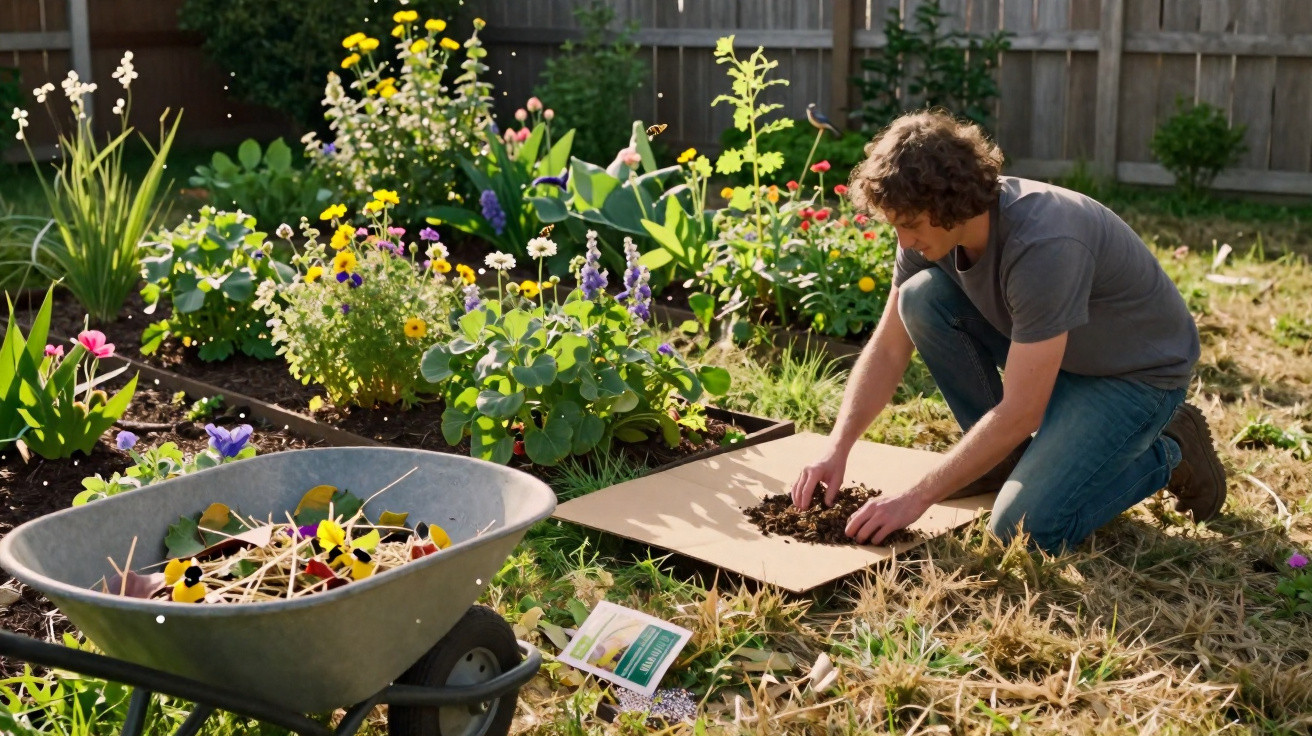
Turning depleted ground into a productive ecosystem calls for smart ecological management. The layering approach makes it possible to reuse discarded materials to restore the land, creating a natural shelter that suits many plant species and supports pollinators with strong performance.
How does the sheet mulching technique work in soil?
Placing cardboard directly over weakened vegetation cuts off sunlight and stops unwanted weeds from taking hold. This speeds up the breakdown of the plant material underneath, forming a fertile layer that feeds the soil and quickly draws in earthworms.
When the base is topped with organic matter and straw, the system holds on to the moisture plants need to establish. This cover greatly reduces the need for constant watering, offers protection from excessive heat, and supports the balance of local biodiversity.
How can you remove weeds in the garden without chemicals?
Using biodegradable barriers in a targeted way blocks light and smothers tall weeds without any poison… Read more
What are the benefits of cardboard for the ecosystem?
Using reclaimed cardboard helps prevent invasive plants from emerging without relying on harmful chemical products. Over the following months, this biological barrier naturally breaks down, adding carbon to the ground and improving the retention of essential nutrients.
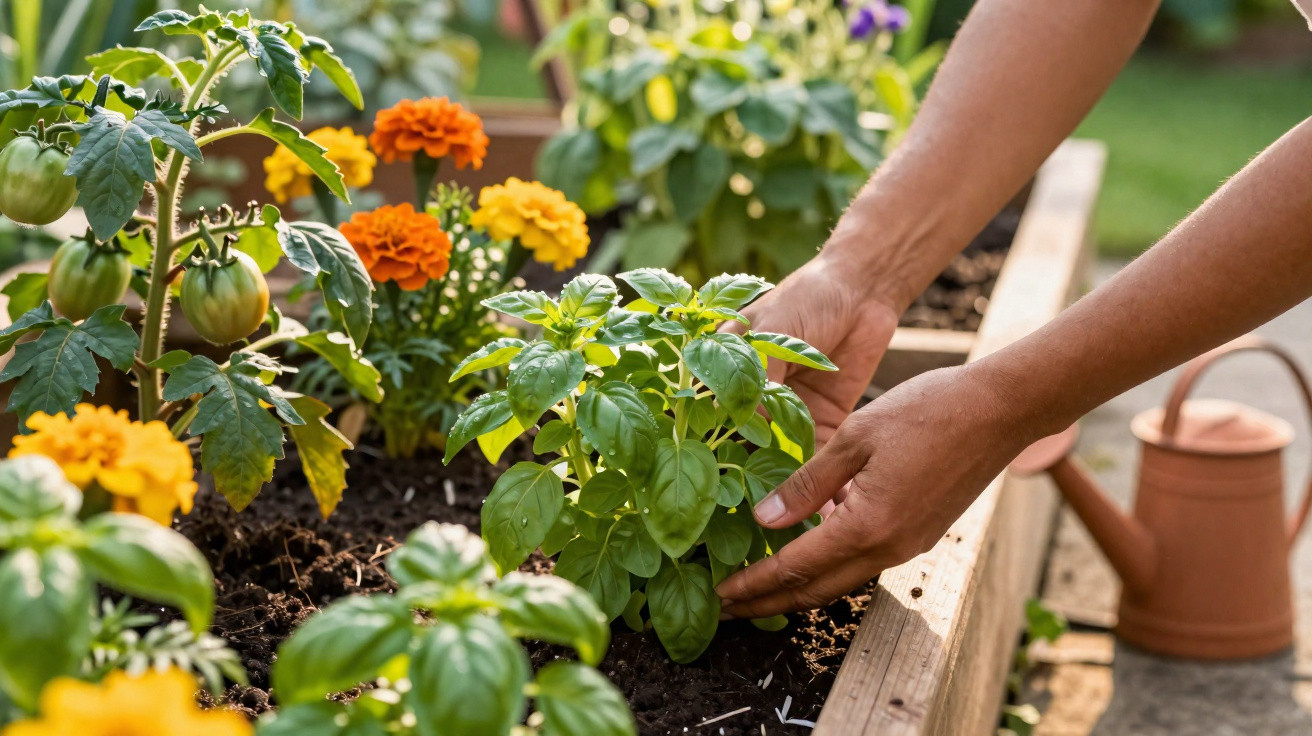
Beyond improving soil condition, the newly created habitat attracts butterflies, bees, and birds that are vital to a healthy environment. With a wider range of species present, cross-pollination is strengthened, resulting in a sustainable, low-maintenance refuge in the residential garden.
Below is a video from the Food Forest Florida (ECOticias.com) channel on YouTube that explores the points discussed in this topic in more depth:
How do you plan the transition from a dry lawn?
Early planning involves clearing away plastic debris and choosing species suited to the local climate. Bringing in native and edible plants improves resilience to pests, cuts down the need for frequent care, and saves water resources.
Covering the cardboard with a plentiful layer of organic matter is the decisive step in turning degraded ground into a thriving garden. This ongoing system of natural recycling supplies the soil with vital elements for the germination of healthy seedlings.
Essential kit for sheet mulching
Key parts to build the bed:
- 1 - Clean cardboard boxes with no tape;
- 2 - A generous layer of organic matter;
- 3 - Mulch to hold in moisture.
What care keeps biodiversity thriving in the bed?
Keeping the top mulch layer regularly topped up ensures continued protection for soil life. This simple routine prevents early drying and shields roots from extreme temperature swings, encouraging vigorous and even growth.
Mixing flowering species alongside edible plants increases the appeal to beneficial wildlife in the garden. This natural partnership reduces pest pressure without artificial interventions, improving the stability of the organic bed.
See the main practices for maintaining the balance of the new ecosystem:
- Check moisture levels under the mulch regularly;
- Add new plant-based layers throughout the year;
- Diversify planting with flowering and edible species.
Is it worth turning grass into a productive garden?
Replacing areas of dry lawn with biodiverse beds lowers spending on irrigation and synthetic fertilisers. Soil restoration through natural processes creates a practical, attractive space that supports sustainability and the preservation of the local environment.
Reusing simple materials such as discarded boxes shows that rich ecosystems can be created even in small spaces. Taking this approach improves the ground, welcomes pollinators, and reshapes the whole landscape with efficiency and beauty.
Comments
No comments yet. Be the first to comment!
Leave a Comment