
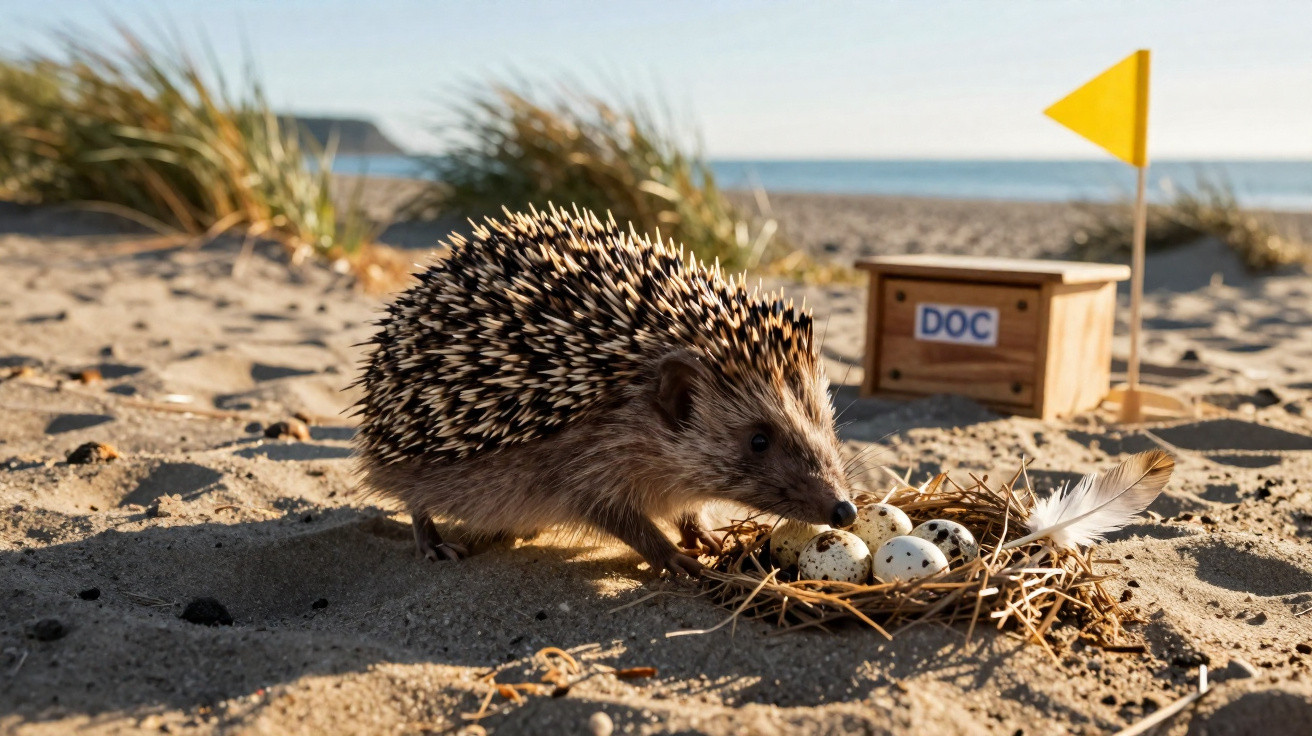
During the nineteenth century, small mammals were deliberately introduced to tackle agricultural problems on Oceanian farms. Yet this human intervention created a quiet ecological imbalance, turning what was merely a garden predator into a serious threat to numerous unprotected native species.
Why were hedgehogs introduced to New Zealand?
In 1885, acclimatisation societies released the first animals in Dunedin and Christchurch to control snails damaging vegetable gardens. The mammal was expected to provide an effective biological response to pests, delivering natural and beneficial control at no cost to local farmers.
Over time, further intentional releases, together with natural spread, enabled the animal to colonise extensive areas. Its swift expansion across New Zealand found favourable survival conditions, leaving an uncontrolled population that is highly harmful to the fragile island ecosystem.
How ferrets released to control pests nearly decimated seabirds
The introduction of predators to control rabbits led to unchecked breeding that put thousands of nests at risk when… Read more
How did native wildlife become vulnerable to this predator?
Native animals in the region evolved for millions of years with almost no exposure to terrestrial carnivorous mammals. As a result of this distinctive evolutionary history, many birds began nesting directly on the ground, making their eggs easy targets for the voracity of this small European invader.
Without defensive strategies against ground-based predators, chicks and adult animals became easy prey in grasslands and river habitats. The mammal's unhindered spread disrupted food chains, endangering vulnerable creatures that rely on the terrestrial environment for regular reproduction.
Below is a video from the Tui4ui1 YouTube channel that explores the points discussed in this subject in greater depth:
What direct impacts threaten bird colonies?
The Department of Conservation warns that a single individual can completely destabilise an entire breeding colony. When it enters nesting areas, the predator's persistent presence causes panic among adult birds, prompting them to suddenly abandon nests containing eggs and defenceless chicks.
The tarapirohe, internationally known as the black-fronted tern, experiences alarming losses at its breeding sites. In addition to direct consumption, the invader's nocturnal movements alone interrupt incubation cycles, sharply reducing the birth rates of these rare winged populations.
Most vulnerable prey
Targets of predation
The main animal groups affected by the presence of the invasive mammal include:
- Eggs and chicks of birds that nest directly on the ground;
- Native lizards, such as skinks living in open areas;
- Rare terrestrial invertebrates, including local insects and snails.
Which other species are affected by this invasion?
The small mammal's varied diet affects far more than riverbank nests alone. Native invertebrates, including beetles, centipedes and endemic snails, make up a considerable share of this animal's nocturnal food intake, placing enormous pressure on forest microfauna.
Native reptiles also face serious risks because of the predator's continuing voracity and foraging ability. Various lizard types have their populations decimated in rural areas, undermining biological stability and weakening the natural heritage of the entire inhabited territory.
The presence of this non-native predator has several direct ecological consequences:
- Systematic destruction of egg clutches on riverbanks;
- A drastic reduction in pollinating and decomposer insects;
- A marked decline in the population density of endemic reptiles.
How are authorities trying to contain the problem?
The official environmental body is currently carrying out intensive management and control measures in the most critical regions. Trapping and close monitoring aim to reduce the density of these invaders, creating safe refuges in which local biodiversity can recover with appropriate security.
This case underlines the complexity of ecological interventions begun without long-term studies. Protecting wildlife requires continued awareness and sustained investment to limit the harm caused by past decisions, safeguarding this rich biological heritage for the country's sustainable future.





Comments
No comments yet. Be the first to comment!
Leave a Comment