
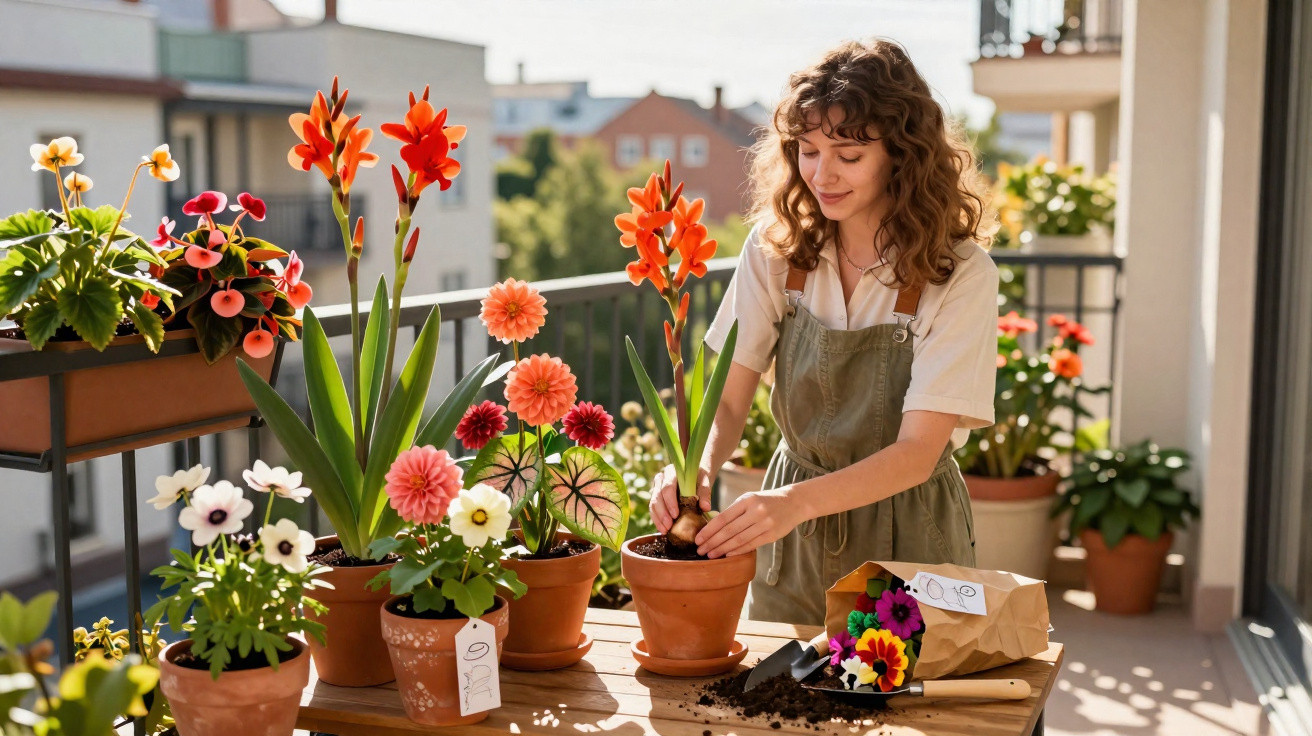
Many people look out of the window in March and see nothing but bare beds and dreary balcony planters. Yet one free weekend, a bag of compost and a handful of carefully chosen bulb plants are enough to keep a garden or balcony flowering well into late summer. What matters is which varieties go into the soil now – and where they will eventually grow.
Why planting summer bulbs now saves the whole summer
Spring-flowering bulbs such as tulips and daffodils are familiar: they are planted in autumn and reappear in March. Summer-flowering varieties work slightly differently. They are planted from February until the end of May, once frost is no longer expected – and they get going in the same year.
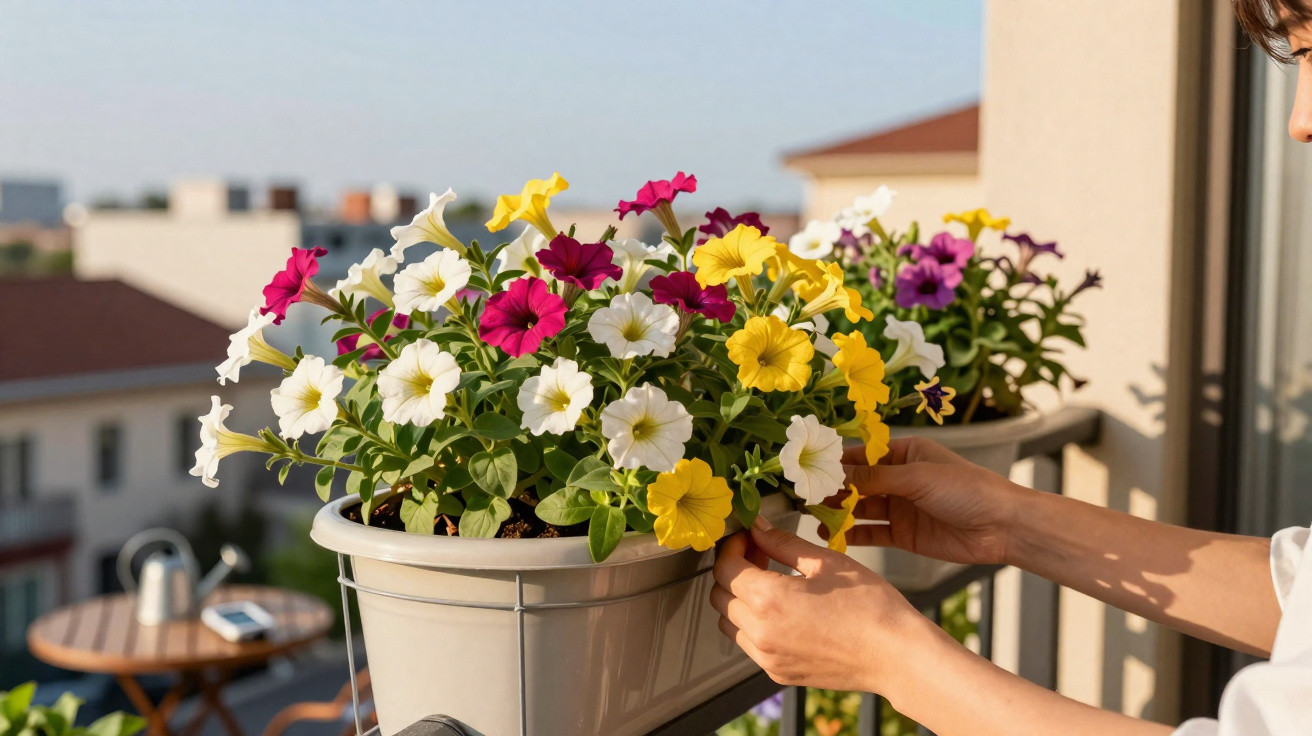
Summer bulb plants turn bare areas into dense islands of flowers and, depending on the species, return for several consecutive years.
The reason is that bulbs, tubers and rhizomes contain an energy store waiting to be brought out of dormancy. Many of these plants have already received the cold treatment they need in a greenhouse or storage facility. Plant them in spring and they establish roots quickly, then take off just as other perennials are beginning to tire.
The period from February to May is ideal, provided the soil is no longer waterlogged or frozen. Good drainage is essential: winter waterlogging is the enemy of every tuber. In beds, incorporate some sand or fine grit; in containers, create a drainage layer with expanded clay or gravel.
Basic rules for planting bulbs and tubers
Although the species may look very different, the planting method is largely the same. Following a few straightforward rules prevents plenty of disappointment later on.
- Always position the bulb or tuber with its pointed end facing upwards.
- As a rule of thumb, plant at around two to three times the height of the bulb.
- Firm the soil gently after planting so that no air pockets remain.
- Water after planting to ensure good contact between the soil and bulb.
- Always allow for a drainage layer in pots.
Many summer bulbs cope well with mild winters in the ground, particularly in sheltered spots protected by a covering of leaves. In colder areas, or with delicate species, lift the tubers in autumn, allow them to dry, then store them frost-free, for example in boxes containing a little dry soil or sand.
The 10 most exciting summer bulbs for gardens and balconies
For a truly showy summer display, do not rely on one variety alone: combine different heights, colours and flowering periods. These ten species bring life to beds and containers:
Amaryllis for exotic focal points
The large, trumpet-shaped flowers of amaryllis evoke tropical holidays. In the garden, they favour a sunny, warm position with freely draining soil. They are equally happy in a pot on a balcony or patio. Once growth begins, water them regularly, but do not let them have “wet feet”.
Anemones for delicate carpets of flowers
Anemones create loose clouds of bowl-shaped blooms, making them ideal for bed edges or broad ground cover. Their appearance is airy, but they still need humus-rich, loose soil. Planting them in groups is far more effective than scattering them individually.
Begonias: stars for shady balconies
Anyone with a north-facing balcony or shady garden corners should choose tuberous begonias. They flower remarkably generously, even where many other ornamental plants give up. Plant the fleshy tubers shallowly, with the upper surface still slightly visible, and never leave them exposed to frost in autumn.
Caladiums as foliage stars
Caladiums are valued not for flowers but for their leaf colours: white, pink and red, all intricately patterned. They look especially elegant in partial shade beneath shrubs or on sheltered patios. Their tubers need warmth and dryness during dormancy, and should not go outdoors until the late-May frost risk has passed.
Cannas: tropical flair in a suburban garden
Cannas produce sturdy stems, large leaves and vivid flower spikes – perfect as background plants in a border or as specimen plants in containers. They prefer full sun, plenty of water and ample nutrients. In many areas, the rhizomes are lifted in autumn and stored somewhere cool but frost-free.
Crocosmias for fiery colour accents
These graceful plants produce brilliant orange to red flowers on arching stems. Planted in groups, they form genuine streaks of flame through a perennial border. In mild locations they can overwinter in the soil beneath a mulch layer; in harsher areas, it is safer to keep them in a cellar.
Dahlia tubers: classics with addictive appeal
For many amateur gardeners, dahlias are the undisputed queens of summer flowers. Their tubers develop into metre-high plants with an enormous variety of blooms – from pompon forms to cactus dahlias. They need a sunny site, humus-rich soil and regular watering. Lift the tubers in autumn and store them somewhere cool but frost-free.
Gladioli as a cut-flower machine
Their slender flower spikes are perfect for vases. For fresh bouquets every week, plant the corms in several batches, spaced ten to fourteen days apart. This extends flowering until late summer.
Summer lilies with an added fragrance bonus
Lilies offer elegant blooms and, depending on the variety, an intense scent. They suit both mixed perennial borders and large containers. The soil should be deep and free-draining, with the base of the plant preferably shaded and its upper growth in sunshine.
Tuberoses for evening fragrance on the patio
Tuberoses are true fragrance powerhouses for warm summer evenings. They reveal their full appeal near seating areas. Plant the tubers in warm, free-draining soil, then lift them in good time before the first frost arrives in autumn.
Which position suits which bulb?
The right location helps determine whether plants look merely “quite nice” or genuinely impressive. Sun, shade, pots or borders – much can be planned with purpose.
| Species | Ideal position | Frost sensitivity |
|---|---|---|
| Cannas | Full-sun border or large container | Store rhizomes frost-free |
| Dahlias | Sunny perennial border, cottage garden | Lift tubers in autumn |
| Begonias | Partial shade to shade, balcony planters | Overwinter tubers cool and dry |
| Lilies | Partial shade to sun, deep soil | Depends on variety; usually fairly hardy |
| Caladiums | Warm partial shade, sheltered patio | Highly frost-sensitive |
Cannas, dahlias, crocosmias, gladioli, lilies and tuberoses are especially suited to hot, sunny borders. They add height, attract insects and combine well with low-growing perennials. In large pots on a sunny loggia, they can look almost like miniature raised beds.
Shady corners need not remain dull: tuberous begonias, caladiums and anemones bring colour to these spaces. Beneath trees or on the north side of the house, they create points of light without scorching.
How to get bulbs safely through winter
Buying new tubers every year wastes money. Many species can be kept successfully for years. Three things are crucial: lifting them at the right time, drying them properly and storing them frost-free without excessive moisture.
After the first light frost, cut back the withered foliage of dahlias, cannas, begonias or tuberoses. Lift the tubers with a garden fork, shake off most of the soil and leave them to dry for several days in an airy, dry place. Then store them in boxes, cardboard cartons or nets, ideally at 1 to 7 degrees, in darkness and dryness.
Allowing tubers to dry briefly in autumn and storing them in a cool place lays the foundation for an ever more abundant floral display year after year.
Practical tips: combinations, care and common mistakes
Thoughtful combinations save space while also looking professional. Place tall dahlia varieties at the back, with anemones or low begonias in front and perhaps a few crocosmias between them – and a bed immediately takes on the look of a garden magazine. A similar arrangement works in a container: one tall focal plant in the centre, surrounded by lower companions.
One common issue is insufficient water: many summer bulbs originate from regions with warm, but not bone-dry, summers. Compost dries out quickly, especially in pots. It is better to water thoroughly and then let it dry slightly than to give frequent small amounts.
Anyone concerned about pests can begin with robust varieties and plant herbs such as lavender, thyme or sage among the bulb plants. Their scents deter some pests while also attracting pollinators. The result is a lively, varied planting scheme.
Finally, it is worth considering the term “bulb plant” itself: it includes true scaled bulbs, such as lilies; tubers, including begonias and dahlias; rhizomes, such as cannas; and corms, including gladioli. For amateur gardeners, the distinction is not vital – the care approach remains similar. It becomes interesting over the years when you see the storage organs enlarge, divide them, and gradually expand your own small home nursery.


Comments
No comments yet. Be the first to comment!
Leave a Comment