
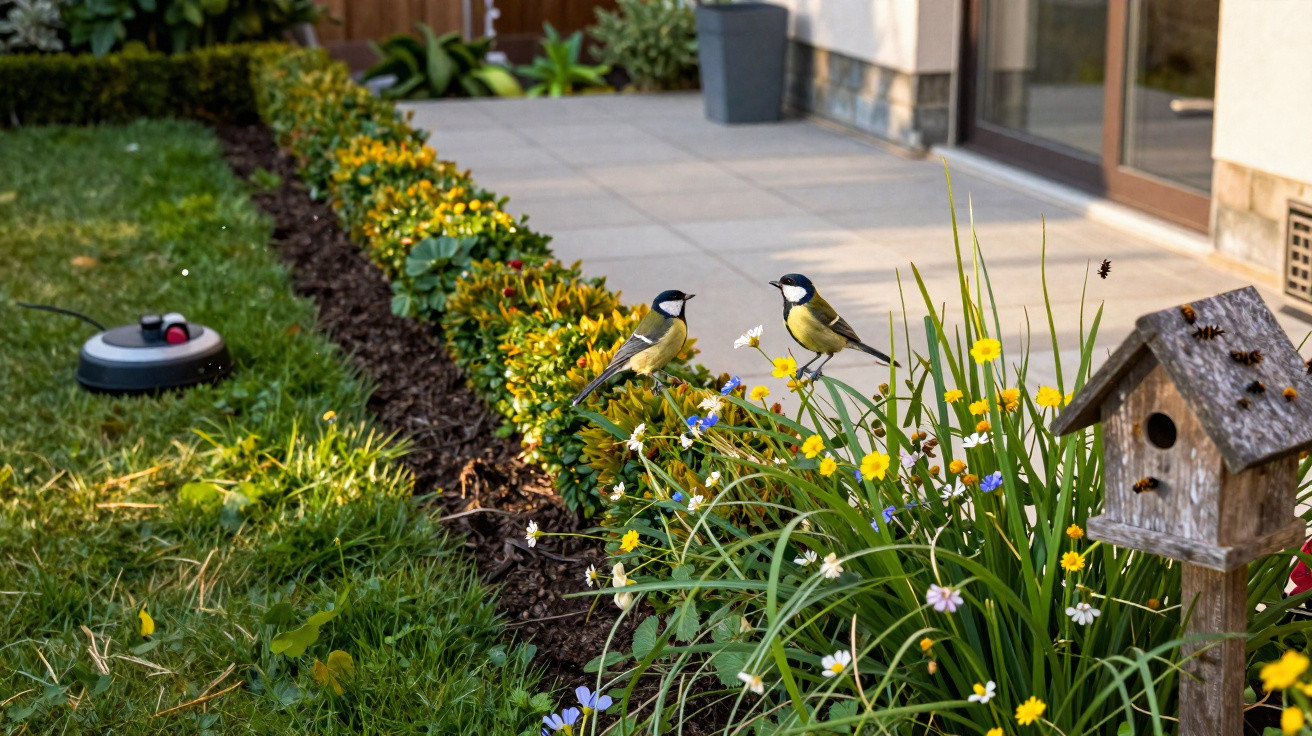
Many amateur gardeners put a huge amount of effort into turning their plot into a paradise. Yet tits, among the most popular garden birds of all, often fail to appear. This is not simply nature being unpredictable: these small, alert birds have a very clear set of requirements, which frequently clashes with our idea of a “perfect” garden.
What tits actually need – and what is barely visible at first glance
Tits do not settle somewhere merely because it looks attractive. Their first priority is finding secure cavities or sheltered niches. A protected nesting hole reduces the threat from cats, martens and magpies. Without such a safe spot, a garden is likely to be nothing more than somewhere they fly through.
Insects are just as vital. Larvae, caterpillars and beetles form the real basis of their diet, especially when they are raising their young. If a garden offers few insects, even the most beautiful tree will be of little use.
“For tits, three things matter: safe nesting cavities, plenty of insects and as much peace as possible.”
Although it may sound obvious, quiet is hugely important to these birds. Constant lawnmowers, loud conversations right beneath a tree, or children playing under the nest can put an entire brood at risk. Tits favour places with some daytime activity, but without continual disturbance.
Why gardens that are “too perfect” put tits off
Many well-intentioned gardening practices can feel like a quiet eviction notice to tits. The same common mistakes occur time and again:
- Excessive tidiness: Clearing away every leaf and removing every dead branch fork destroys habitat for insects and small creatures – and, in turn, takes away the tits’ pantry.
- Heavy use of sprays: Chemical treatments for aphids, caterpillars and beetles may produce flawless roses, but they also leave tit nests without food. Breeding is not worthwhile without insects.
- Unsuitable nest boxes: Boxes are often hung with entrance holes that are too large, positioned too low down, placed in full sun, or installed directly beside busy paths. This gives predators an easy opportunity.
- Continuous springtime noise: Regular mowing, shredding or drilling during the breeding season can prevent sensitive birds from even beginning to build a nest in peace.
- Free-roaming cats: One or more cats able to stalk freely around the garden turn many areas into danger zones for tits.
Many homeowners ask themselves: “But we have put up a nest box, so why is nothing happening?” Often, the wider setting is unsuitable – for example, the box may be right beside the patio or easily accessible to crows and magpies.
The trees and garden structures tits love
Certain tree species are particularly attractive to tits because they provide abundant insects and potential nest cavities:
- Oaks: genuine hotspots for caterpillars and other insects, making them ideal for feeding chicks.
- Old apple and pear trees: their branch holes and cracks can readily become nesting sites.
- Pines and spruces: offering secure perches and a clear view of the surroundings.
- Birches and willows: with lively bark and numerous small creatures living in and around the wood.
The type of tree is not the only factor: the garden’s structure matters too. An area containing deadwood, loose hedges, shrubs of differing heights and perhaps a few “wild corners” provides food, cover and places to retreat.
“A varied, slightly ‘untidy’ garden is more valuable to tits than an immaculate lawn.”
A practical plan: making your garden friendly for tits
Choosing and hanging nest boxes correctly
If you do not have old fruit trees with cavities, nest boxes can make up for a great deal. The dimensions need to be suitable:
| Species | Recommended entrance-hole diameter | Height above ground |
|---|---|---|
| Blue tit | approx. 28 mm | 2–3 metres |
| Great tit | approx. 32 mm | 2–3 metres |
Ideally, the entrance should face east or south-east. This provides morning sunshine while giving the birds better protection from heavy rain and prevailing winds. The box should lean very slightly forwards so that water cannot get inside.
Do not place it directly above an outdoor seating area or beside a path that is constantly used. A peaceful, partly shaded corner is much more suitable. Also, nest boxes should be thoroughly cleaned once a year, ideally in autumn after every young bird has safely fledged.
Food, water and protection – the three-part combination
Insects determine a garden’s appeal throughout the year. Even so, additional support is worthwhile:
- Water: A shallow dish or small basin filled with fresh water acts like a magnet, not only for tits.
- Winter food: Sunflower seeds, chopped nuts and fat-rich foods help birds through harsh periods.
- Protection from predators: Trunk guards or collars, thorny branches beneath the box, and thoughtful positioning make access harder for cats and martens.
Avoiding sprays helps in two ways: insects return, and tits recognise the garden as a safe feeding area. Leaf-covered patches, a pile of branches or some deadwood may initially look untidy, but they create a buffet of small creatures for the birds.
Important practical details for everyday gardening
A garden that welcomes tits does not require expensive purchases; above all, it calls for adjusted habits:
- Thoroughly clean nest boxes once a year so that parasites do not build up.
- Keep some hedges and low shrubs, as young birds later use them for shelter.
- Do not hang several boxes too close together, because tits defend their territory.
- Restrict cats’ outdoor access, particularly from March to June, when many birds are breeding.
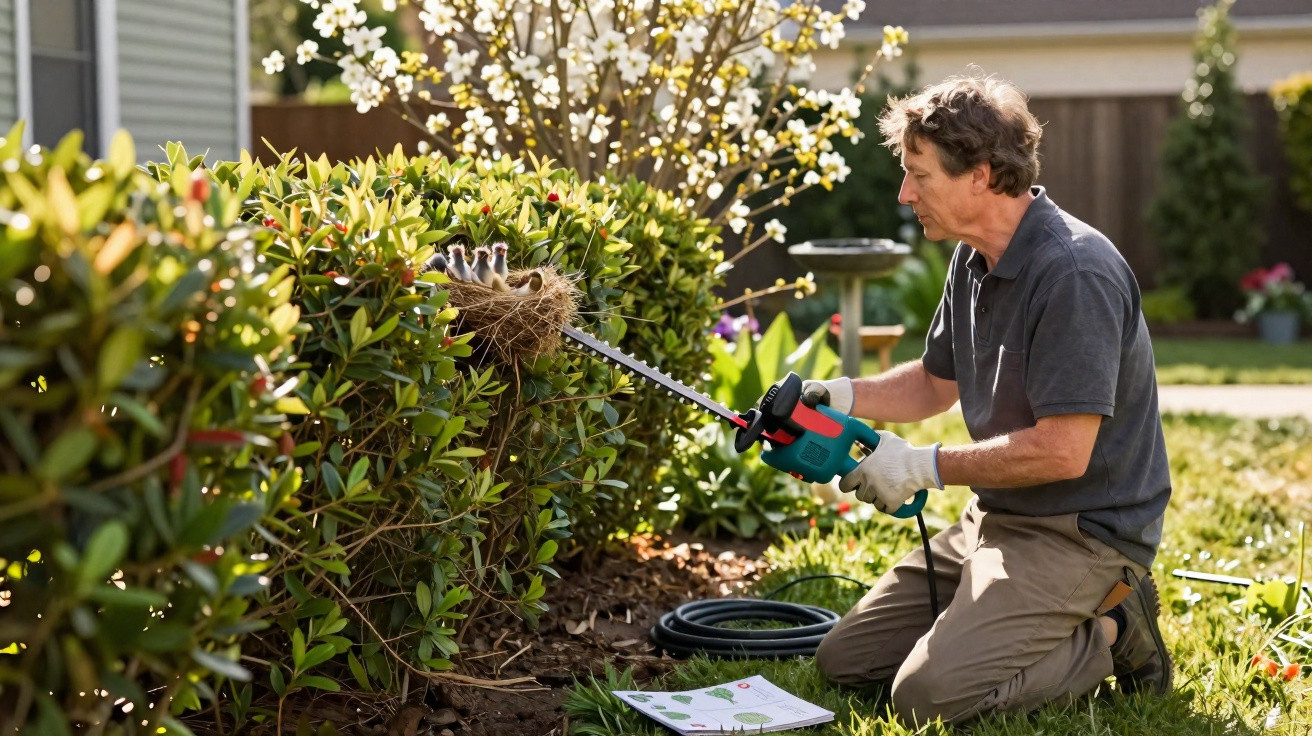
Moving some gardening jobs to a different time can greatly reduce pressure during this sensitive period. Save heavy pruning and major projects for late summer or autumn, when the young birds have already fledged.
Why tits are so valuable in your garden
Tits consume vast quantities of caterpillars, aphids and other insects. During a single breeding year, they can eat thousands of pest insects. Their presence acts as natural plant protection, benefiting roses, fruit trees and ornamental shrubs.
They therefore make a significant contribution to the stability of the garden’s small ecosystem. Where tits breed regularly, severe pest infestations are generally less frequent. At the same time, they bring movement and life: their constant flying, climbing among the branches and calls make a garden noticeably more lively.
Patience, observation – and a different view of “tidiness”
Anyone hoping to attract tits needs to take a long-term approach. Birds often test new areas for weeks before deciding to settle there, so small garden changes do not always have an immediate effect.
It is useful to question your own sense of order a little: does every leaf really have to be removed from the ground? Does the lawn have to be cut to golf-course standards every week? Over time, many gardeners find that a relaxed, wildlife-friendly design benefits not only tits, but also hedgehogs, butterflies and other wild animals.
Those who start observing more carefully – noting which trees tits visit most often, where they search for food, or which corners they avoid – will gradually develop a keen sense of what makes their own garden attractive to these birds. That is where the real appeal lies: the garden becomes not only more beautiful, but also more fascinating to watch.



Comments
No comments yet. Be the first to comment!
Leave a Comment