
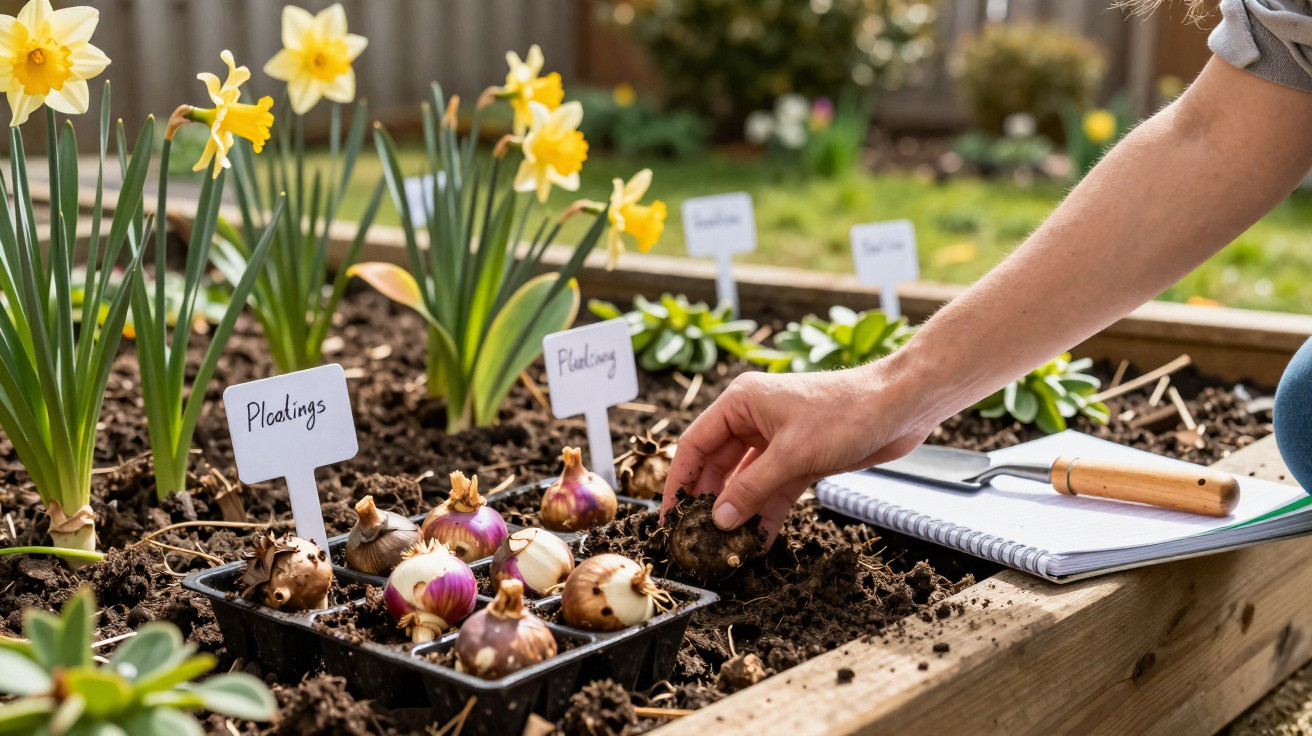
Empty beds after daffodils and tulips?
They do not have to be. Planting shrewdly now can ensure an unbroken carpet of flowers right through to autumn.
Many amateur gardeners enjoy daffodils, tulips and crocuses in spring, only to find themselves looking at a colourless garden shortly afterwards. For weeks, apparently nothing happens before roses, perennials and summer flowers finally begin to bloom. Four carefully selected bulb and tuber plants can considerably shorten this “flowering gap” in 2026 and beyond.
Why March determines the early-summer flowering gap
In many areas, March signals the beginning of the summer-flowering season. The ground starts to thaw, days become noticeably longer and severe frosts are far less common. Planting now does not delay flowering; it brings it forward by a substantial margin.
Summer-flowering bulbs and tubers need time to establish roots and produce foliage. If they are not planted until late April or May, this essential development period is missing. As a result, the first flowers often do not appear until July. Until then, beds can remain bare or at least look disappointingly sparse.
“Anyone who plants in March bridges the gap between spring flowers and perennials – preventing weeks without blooms in the garden.”
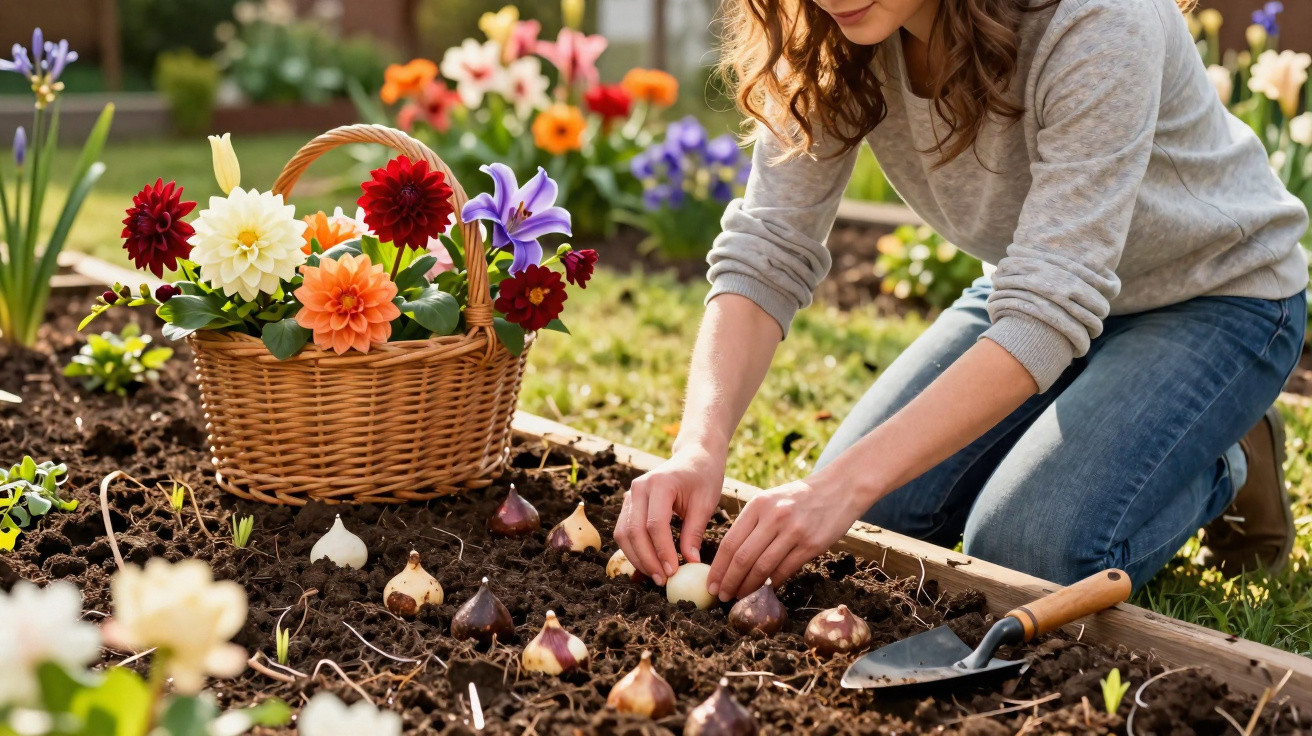
A particularly effective approach combines four plants that complement one another in flowering period, height and site requirements: dahlia, begonia, lily and peony. Together, they cover sunny, partially shaded and shaded spots, while adding structure to beds, containers and window boxes.
Dahlias: a burst of colour for beds and large containers
Dahlias rank among the most popular summer flowers. Their tubers resemble potatoes more than conventional flower bulbs, although they are handled in a similar way. Starting them indoors in March gives gardeners several valuable extra weeks.
Starting dahlias correctly in March
- Starting time: early to mid-March, frost-free
- Position: plenty of sun or light partial shade
- Container: large pots or boxes filled with loose, humus-rich compost
- Placement: bright but protected from overnight frost, such as an unheated greenhouse, conservatory or bright cellar with a window
Place the tubers shallowly in the compost, with the small “eye”, from which the new shoot emerges, facing upwards. Water lightly at first, then keep the compost only slightly moist to prevent the tubers from rotting. Once shoots reach ten to fifteen centimetres in height and nights remain frost-free, move the plants into beds or larger containers.
Early planting rewards gardeners with dahlia flowers from June until October. Whether choosing pompon, cactus or single-flowered varieties, the colours range from pure white and soft pastels to near-black dark red. This makes them equally suitable for romantic cottage gardens and modern, minimalist schemes.
Begonias: the answer for shady balconies and dark corners
Not every garden receives sunshine from morning until evening. North-facing balconies, shaded entranceways and courtyards can challenge many plants. This is precisely where begonias excel. They cope with little direct sunlight and flower almost continuously.
How to grow begonia tubers without frustration
Begonia tubers have one slightly rounded side and one hollowed side. The hollow must face upwards, as this is where the shoots form. In March, lay the tubers shallowly in trays or pots filled with loose, lightly moist compost.
- bright position, but away from direct midday sun
- ideal temperatures between 15 and 20 °C
- keep the growing medium evenly moist, without waterlogging
- cover tubers with soil only halfway until sturdy shoots appear
Once the risk of late spring frosts has passed, the plants can move into window boxes, hanging baskets or shaded beds. Regular watering and occasional applications of liquid feed will support flowering for months. Before the first frost, bring the tubers indoors again, where they can be dried and overwintered somewhere cool.
“With begonias started in March, even the deepest shade no longer looks bleak, instead becoming a permanently flowering window of colour.”
Lilies: tall, fragrant pillars for the summer border
Lilies offer something that many summer flowers lack: height and fragrance. Their strong stems rise above lower planting and give beds a clear structure. At the same time, their large, sometimes intensely scented flowers create a distinct focal point in the garden.
Planting lily bulbs properly
March is the ideal planting period, as soon as the soil can be worked. Lily bulbs do not tolerate permanently wet ground, where they rot quickly. Free-draining soil is essential.
- Planting depth: two to three times the bulb’s height
- Spacing: 20 to 40 centimetres, depending on the variety
- Position: sun to partial shade
- Subsoil: work in a layer of sand or fine gravel where soil is heavy
Some lily varieties begin flowering as early as May or June, while others do not start until high summer. A thoughtful combination can create a sequence of flowers lasting several weeks. Their tall stems also make excellent cut flowers, bringing their fragrance indoors.
Peonies: plant now and be amazed in a few years
Peonies, botanically known as Paeonia, belong in a slightly different category. These perennials remain in the same position for many years, becoming fuller over time and eventually resembling small shrubs. Planting in March is an investment in future gardening seasons.
Patience pays off with peonies
Peonies dislike being moved repeatedly, so choosing the right site from the outset is crucial:
- at least half a day of sun
- deep, humus-rich soil
- no waterlogging, but consistent moisture
- sufficient distance from trees and shrubs with vigorous roots
Newly planted specimens often need two to three years before they flower generously. During that time, they establish a strong root system. Once properly settled, they produce spectacular, often fragrant, ball-shaped flowers for many years – a highlight of every early summer.
“Anyone who plants a peony in March brings the reward forward – not this year, but in the years ahead.”
How the four plants close the flowering gap together
Used strategically, dahlias, begonias, lilies and peonies create a succession that fills the garden from late spring into autumn. One possible arrangement is shown below:
| Plant | Planting time | First flowering | Typical position |
|---|---|---|---|
| Peony | March | from the 2nd–3rd year, May/June | sunny bed |
| Lily | March | May to August, depending on variety | sun to partial shade |
| Dahlia | March, started indoors; planted out in May | June to October | sunny bed, large container |
| Begonia | March, started indoors; planted out in May | June to October | partial shade, shade, balcony |
This creates a kind of flowering relay: established peonies and early lilies take centre stage first, followed by dahlias and begonias, which move into the foreground and maintain the display until autumn.
Practical tips for an easy March garden
A brief plan helps to ensure that planting does not descend into chaos. Sketching out beds roughly makes it easier to see where tall plants, such as lilies and dahlias, should go and where lower-growing begonias will fit.
- Use labels: Mark every tuber and bulb, otherwise it can become a guessing game later.
- Prepare the soil: Loosen compacted areas with a garden fork and incorporate organic fertiliser or compost.
- Watch the weather: If late frosts are forecast, protect sensitive pots with horticultural fleece or cardboard.
- Find the right watering routine: Water less often but thoroughly, rather than applying small amounts constantly.
Those with limited space can also recreate this strategy in pots. A large group of containers holding dahlias, begonias and a potted lily against a house wall produces almost the same effect as a bed, but with greater mobility.
Risks, common mistakes and how to avoid them
The most frequent issues result from soil that is too wet or from putting pots outside too early. Tubers and bulbs rot quickly in heavy, constantly damp ground. Sand, grit or specialist bulb compost can help prevent this. During cold spells in April, pre-started dahlias and begonias in outdoor pots can suffer, so they should be moved temporarily indoors or into a garage.
Another common problem is incorrect planting depth. Lilies and dahlias planted too deeply struggle to get going, while bulbs positioned too near the surface can dry out or be taken by birds and mice. The general rule of “two to three times the bulb’s height” works well for most types.
Following these points brings long-term benefits: from early summer onwards, the garden will look strikingly lively, window boxes will no longer hang sadly in the air with nothing but green foliage for weeks, and there will be less need to reach for expensive, short-term ready-planted options at the garden centre. March therefore becomes the key month for setting the course towards a truly flower-filled summer.

Comments
No comments yet. Be the first to comment!
Leave a Comment