
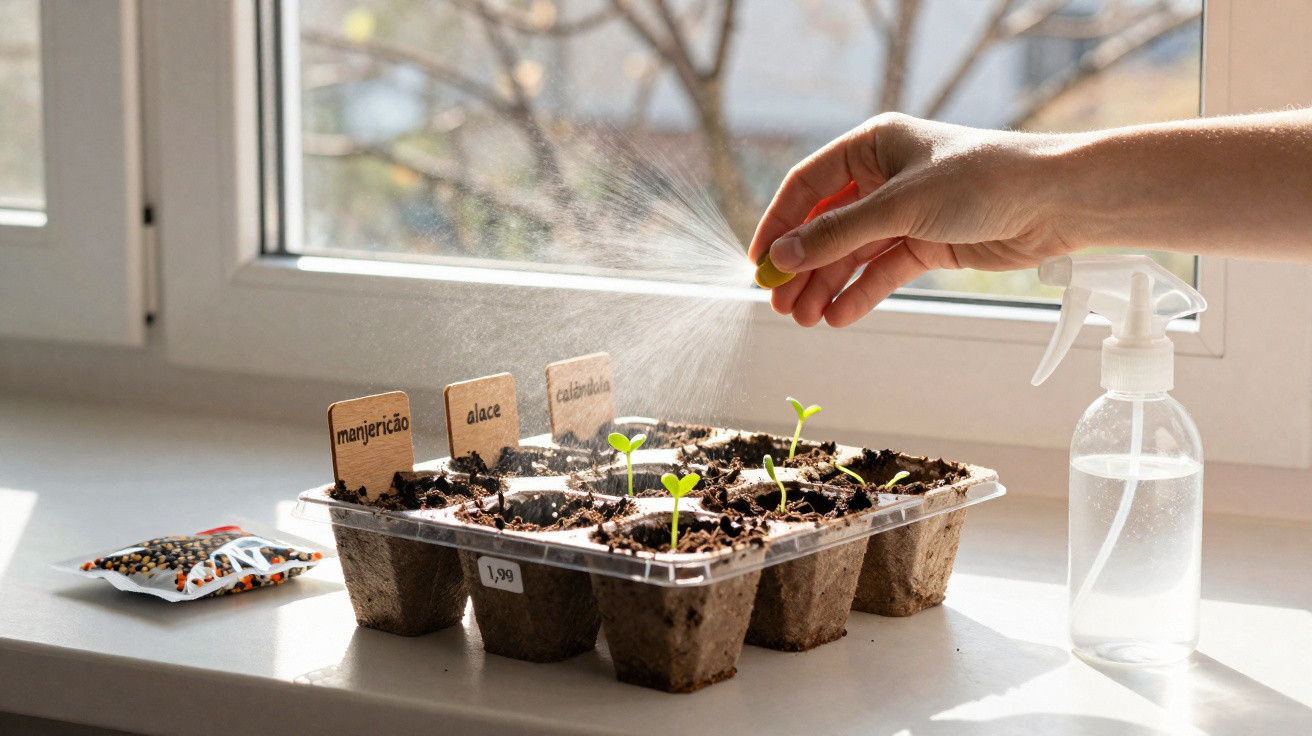
The first sowings of the year are often the most exciting moment for gardening enthusiasts – and, at the same time, the most frustrating. Sometimes nothing germinates, sometimes delicate seedlings collapse, and sometimes everything grows far too densely. An unassuming seed kit currently being discussed in Action stores is designed to make the early stage of growing plants much easier: a small “snail” system costing just under £2.
What the affordable Action seed kit includes
Action sells a compact sowing kit under its “My Garden” label for £1.99. At its heart is a so-called seed snail: a roll-up support for seeds that stands upright inside a pot.
The kit contents at a glance
The pack contains more than its price might suggest:
- a growing pot that serves as a base
- a roll-up seed strip, approximately 60 x 10 cm
- two elastic bands for securing the roll
- a snail-shaped setup measuring roughly 11.7 cm in diameter and 20 cm high
The seed strip is filled with growing medium and seeds, then rolled loosely and placed inside the pot. The elastic bands keep the structure in place so that nothing shifts.
“The seed snail keeps all March sowings together in the smallest possible space – clear, space-saving and easy to monitor on the windowsill.”
The real benefit lies less in the materials than in the design. The upright roll makes it easier to keep track of everything, helps water spread more evenly and allows issues to be spotted at an early stage.
Why this system comes into its own in March
March can be a difficult month for young plants in central European homes. Sunshine may already be strong during the day, while windowsills become considerably colder overnight. At the same time, radiators dry out the air.
Changeable conditions and vulnerable seedlings
As a result, some sections of compost dry out while others remain wet; some pots are too dark, while others sit too close to a radiator. A compact setup that keeps everything in one place is particularly useful at this point:
- one consistent position rather than pots scattered around the home
- a manageable area to water
- more even moisture throughout the seed strip
Keeping seedlings together in the snail format makes it possible to check at a glance whether they need water, whether mould is appearing or whether there is a risk of insufficient light.
Common beginner mistakes the kit helps to reduce
Three issues are especially common when sowing in spring:
- Too much water: Worried about compost drying out, many people turn their pots into bogs. Seeds rot, while seedlings die from damping off.
- Sowing too densely: When seeds are scattered indiscriminately, plants immediately compete for light and nutrients.
- Losing track: Variety labels disappear, pots get knocked over and the windowsill becomes cluttered.
The snail system makes these problems less serious. Its structure naturally encourages thinner sowing, water spreads over a shallower area and the entire kit remains easy to handle as a single unit.
Consistent conditions beat luck – the principle behind its success
Successful gardeners do not depend on chance; they rely on repeatable routines. Essentially, this small Action kit is a tool that makes such a routine easier to maintain.
Moist rather than wet: the crucial distinction
During germination, the aim is consistent moisture, not soaking wet compost. In the snail, water can be applied in controlled amounts with a spray bottle or small watering can. Thin layers absorb moisture effectively without allowing puddles to form.
“Many sowings fail not because of ‘too little care’, but because well-meaning floods of water literally suffocate the seeds.”
The narrow profile of the seed strip encourages careful watering. You automatically observe it more often and can act in time before the compost dries out or develops fungal growth.
Measured warmth: not every windowsill is the same
Temperatures close to the glass can fluctuate sharply in March. The best place is bright but free from draughts, and should not fall much below about 18°C at night. The seed kit can easily be moved to a more suitable location, for example:
- slightly away from the cold windowpane
- not directly above a radiator
- onto an insulating surface, such as a wooden board or cork mat
Anyone using several of these kits can group them in a shallow box. This keeps temperatures more stable and makes watering quicker.
Provide light promptly or plants will become leggy
As soon as the first seed leaves emerge, young plants need plenty of light. Otherwise, their stems stretch thinly towards the window and may bend over. If the seed snail is placed directly by the light, it is often enough to turn the pot slightly each day so the shoots grow evenly.
How to use the Action seed kit step by step
The system is intended to simplify sowing rather than make it more complicated. A few deliberate steps can make it look far more professional than a collection of old plastic pots.
Choose the right growing-medium mix
Ready-made seed compost is suitable, as is a very fine, loose blend of peat-free growing medium and a little sand. The mixture should be:
- fine and crumbly, with no large pieces of wood
- lightly moist to the touch, but not sticky
- clean and as low in germs as possible
Moisten it slightly before filling the strip, as this makes the compost easier to distribute.
Fill, roll and position
Cover the strip with a thin layer of growing medium, place the seeds with space between them and press them down only lightly. The strip is then formed into a roll and placed in the pot. The elastic bands retain the shape, while the top edge stays open.
A gentle press is enough to ensure the seeds make contact with the compost. Burying them too deeply delays germination and increases the chance of rot.
Water without creating chaos
A spray bottle or a small rose is the safest option. The aim is to moisten the compost evenly without water jets washing the seeds away. Several small applications are better than one heavy drench.
Cover, ventilate and monitor
A loosely placed sheet of cling film or a transparent lid creates a humid microclimate. Brief daily ventilation reduces the risk of mould. Once the first seedlings appear, the cover should be removed gradually and air circulation increased.
Which crops are especially worthwhile in March
To make practical use of the kit straight away, choose varieties that can be started early and will produce strong plants for the garden later on.
Popular vegetables for the early windowsill
Particularly suitable choices include:
- Tomatoes: They germinate reliably and benefit from an early indoor start.
- Peppers and chillies: These warmth-loving plants have a long growing period, making March ideal.
- Leaf lettuces: Including butterhead and loose-leaf lettuce; they grow quickly and offer motivating visible results.
- Brassicas: Depending on the variety, these can be raised for garden beds from March onwards.
If you are unsure, begin with only two or three varieties instead of overcrowding the snail with ten different labels.
Fragrant herbs for the kitchen and balcony
Many culinary herbs react poorly to outdoor soil that is still too cold. Indoors, the seed snail works particularly well for:
- Basil: It needs warmth and likes steady moisture, but must never sit in water.
- Parsley: It germinates slowly, but is more reliable when the compost remains evenly moist.
- Chives: They produce fine shoots and are well suited to children making their first harvesting attempts.
Flowers started early for a longer display
Those wanting a colourful as well as useful windowsill can start summer flowers in this mini greenhouse. Ornamental plants raised early often flower in beds weeks sooner than those sown directly outdoors.
If germination stalls: quick fixes instead of frustration
Even with a system in place, a sowing attempt can go wrong. In many cases, a few adjustments can solve the problem before everything is lost.
Signs of overwatering
If the compost sinks into a soggy mass, smells musty or seedlings suddenly collapse, treat it as a warning sign. Ventilate the snail more thoroughly for a short time, stop watering and allow the surface to dry slightly.
Correcting insufficient light
Long, thin, pale-green stems indicate a lack of light. Move the plants to a noticeably brighter position or, if necessary, use a grow light with a timer. Some varieties can be planted slightly deeper when transplanted to give them more stability.
Readjusting the temperature
If nothing progresses for days, check the temperature. If the windowsill feels icy cold in the morning, the snail is positioned too cool. If the compost becomes bone-dry and hot during the day, the set is too close to the radiator. Moving it to a moderately warm, bright part of the room can get the process moving again.
Seedlings that are too crowded: thin them out in time
If many seeds have germinated but are standing too close together, remove weaker seedlings early. A few strong plants that thrive later in the bed are better than a dense mat in which everything weakens everything else.
From mini kit to a harvest-ready bed
The seed snail is only the beginning. What matters is how well the young plants manage the move into larger containers and eventually outdoors.
The right time to prick out
Once seedlings have formed their characteristic true leaves in addition to the first seed leaves and appear sturdy, it is time to move them into individual pots. There they receive more nutrient-rich compost and extra room for their roots.
Hardening off step by step
Before plants are moved into open ground, they should become accustomed to wind, sunlight and changing temperatures. Start by putting them outside for a few hours each day in a sheltered spot against a house wall, then leave them out overnight later on. This helps them cope much better with the final move.
Why the £1.99 kit pays off over time
The snail system is not limited to the first March sowing. It can be reused throughout the season for repeat sowings, short runs of lettuce, trials with new varieties or small cutting projects on the windowsill.
Taking a structured approach to spring sowing brings not only stronger plants but also greater peace of mind. Rather than fussing over each pot separately, the seed kit brings care together into a clearly organised routine – and for many hobby gardeners, that is the key difference between frustration and a successful gardening season.
Comments
No comments yet. Be the first to comment!
Leave a Comment